Introduction

LIME is a Russian fashion brand that produces clothing, shoes, accessories and fragrance. Today there are stores in Russia, Armenia, Belarus, Kazakhstan and the UAE. Started mainly as a womenswear brand, but later expanded its assortment and now also develops men’s and kids’ lines.
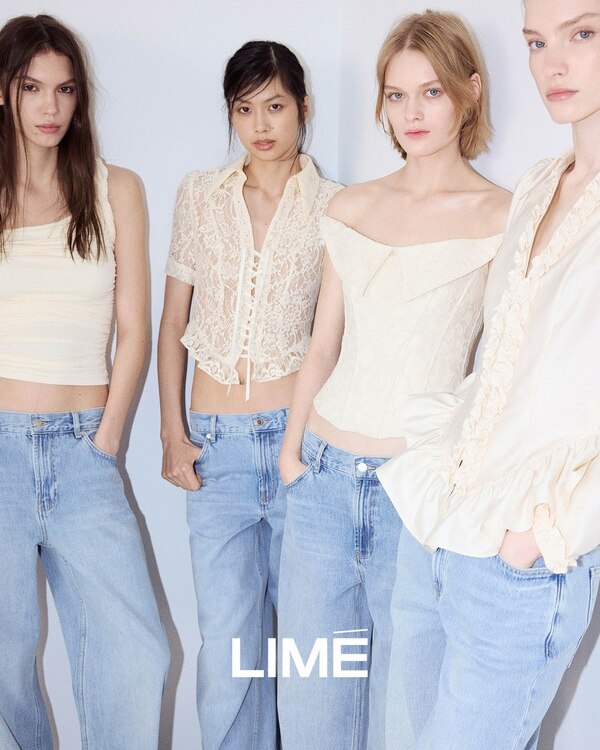
LIME can be described as modern accessible fashion with a premium visual language. Сommunication often uses clean styling, neutral colors, minimal layouts and polished campaign images. This helps LIME look more elevated than a typical mass-market fashion brand.
Core positioning
LIME is a contemporary fashion brand for people who want stylish, trend-based and visually polished clothing at a more accessible level than luxury brands.
Target audience
LIME’s target audience includes young women and men, urban professionals, fashion-conscious students, young families and people who want to build a modern everyday wardrobe. The audience values current trends, simple silhouettes, neutral colors, elegant styling and the possibility to create complete looks from one brand.
Communication channels
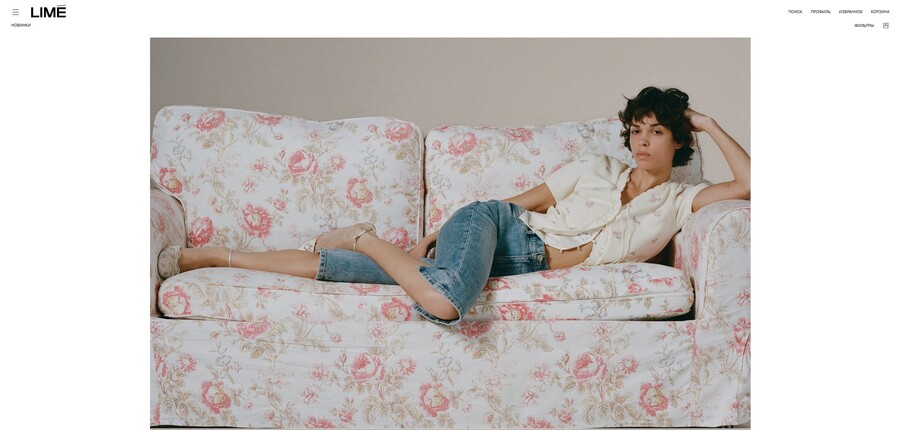
limestore.com
limestore.com
The website works as both an e-commerce platform and a visual catalogue. It includes product categories, new collections, seasonal edits, product cards and styling images.
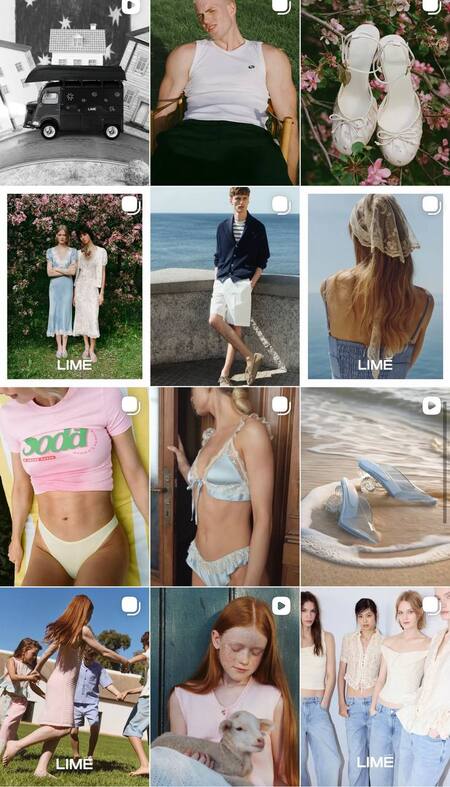
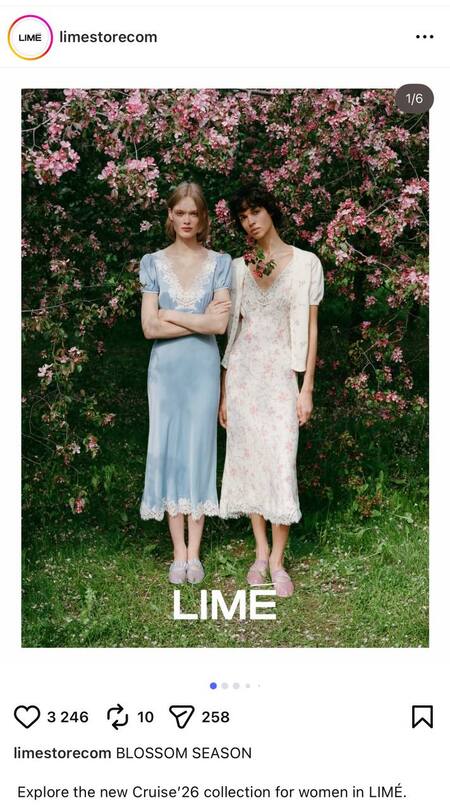
social media @limestorecom
LIME uses social media mainly as a visual inspiration channel. Its posts and videos show campaigns, outfit ideas, new collections, seasonal trends, styling combinations and lifestyle images. The tone of communication is modern, clean and fashion-oriented. The brand does not only show products; it shows complete looks and a desirable everyday style. Social media helps the audience use LIME as a moodboard for their own wardrobe.
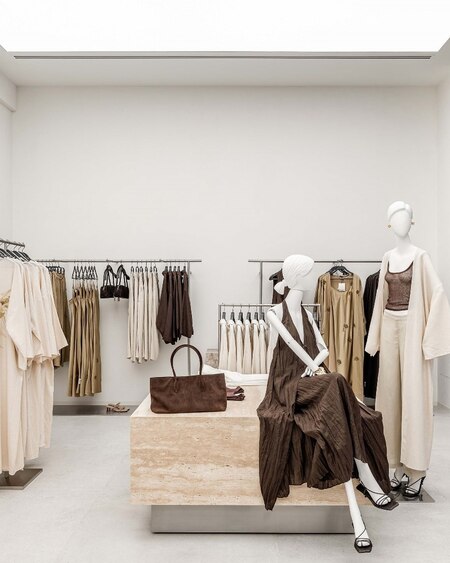
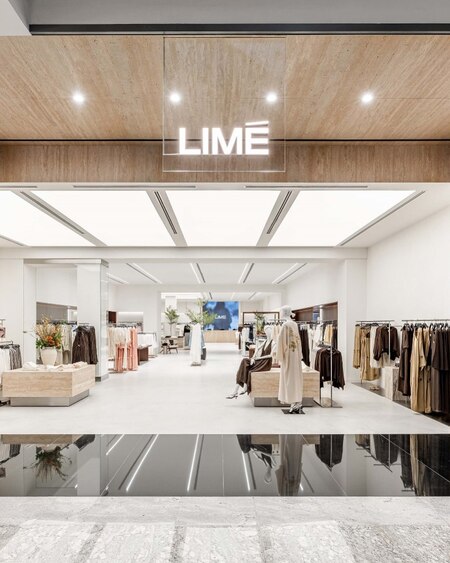
Lime stores in the Middle East
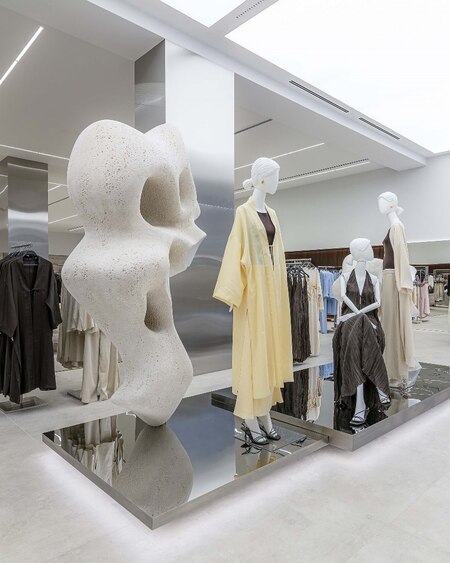
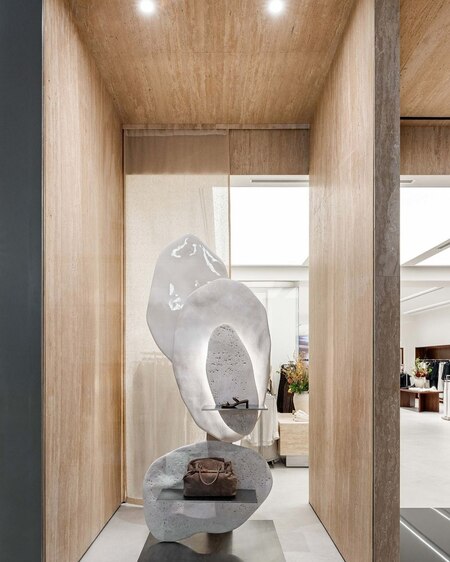
Lime stores in the Middle East
Offline stores are an important part of LIME’s communication. Store windows, mannequins, interior design, lighting and product placement help the brand communicate its style directly to customers.
LIME FALL'21 COLLECTION

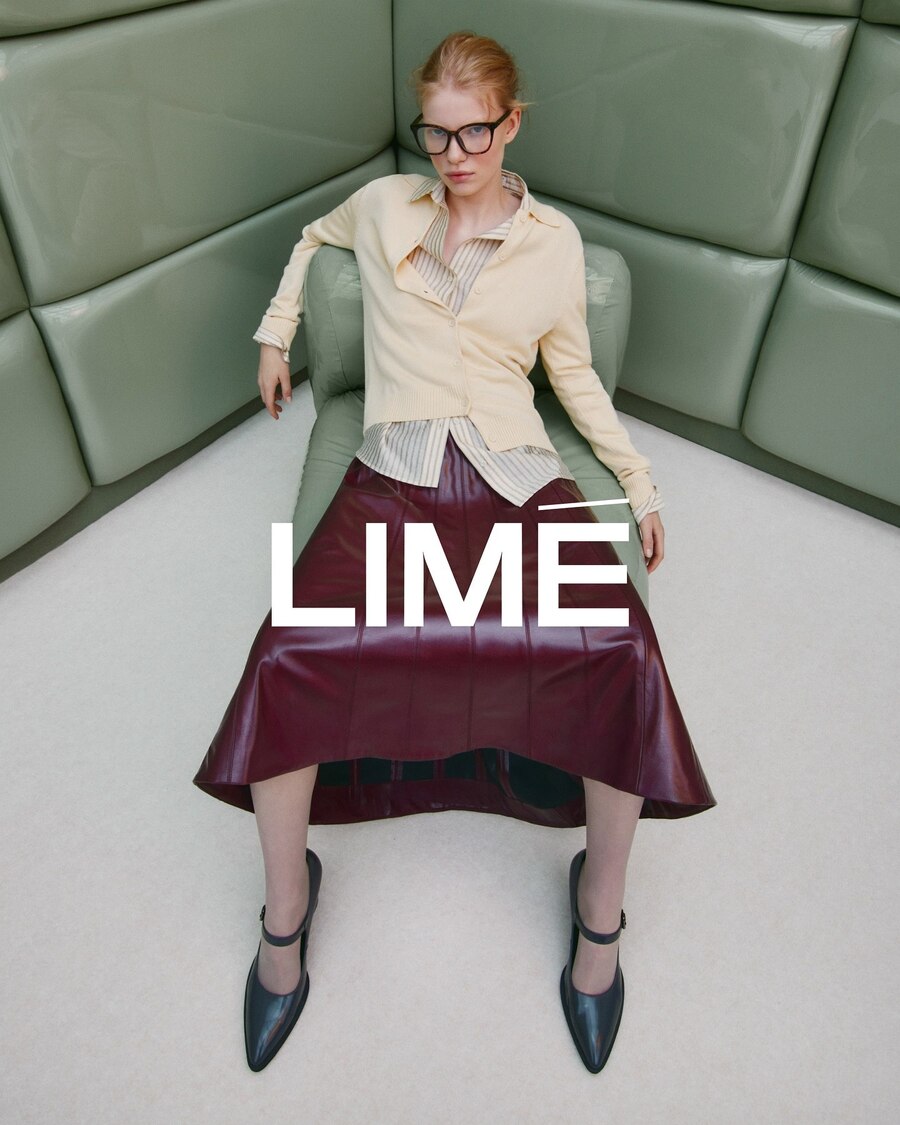

LIME Spring’25 collection
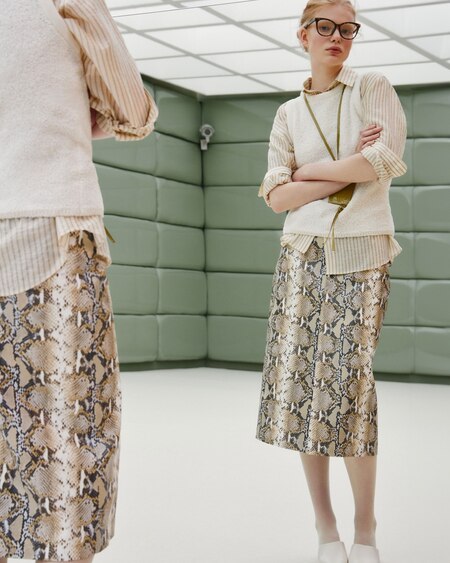
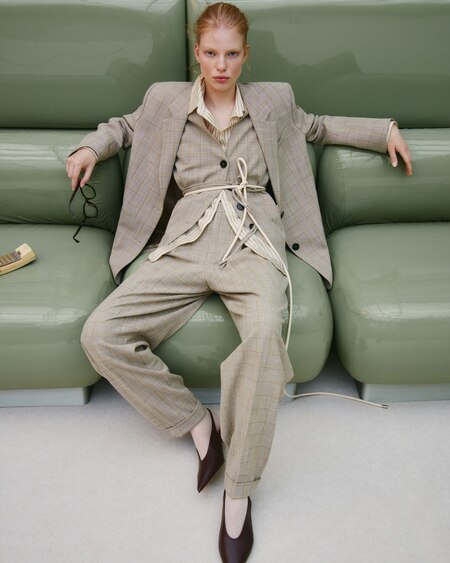
LIME Spring’25 collection
LIME also communicates through seasonal campaigns, lookbooks, media coverage and collaborations. Campaigns help the brand create a clear mood for each season and present clothing as part of a complete lifestyle.

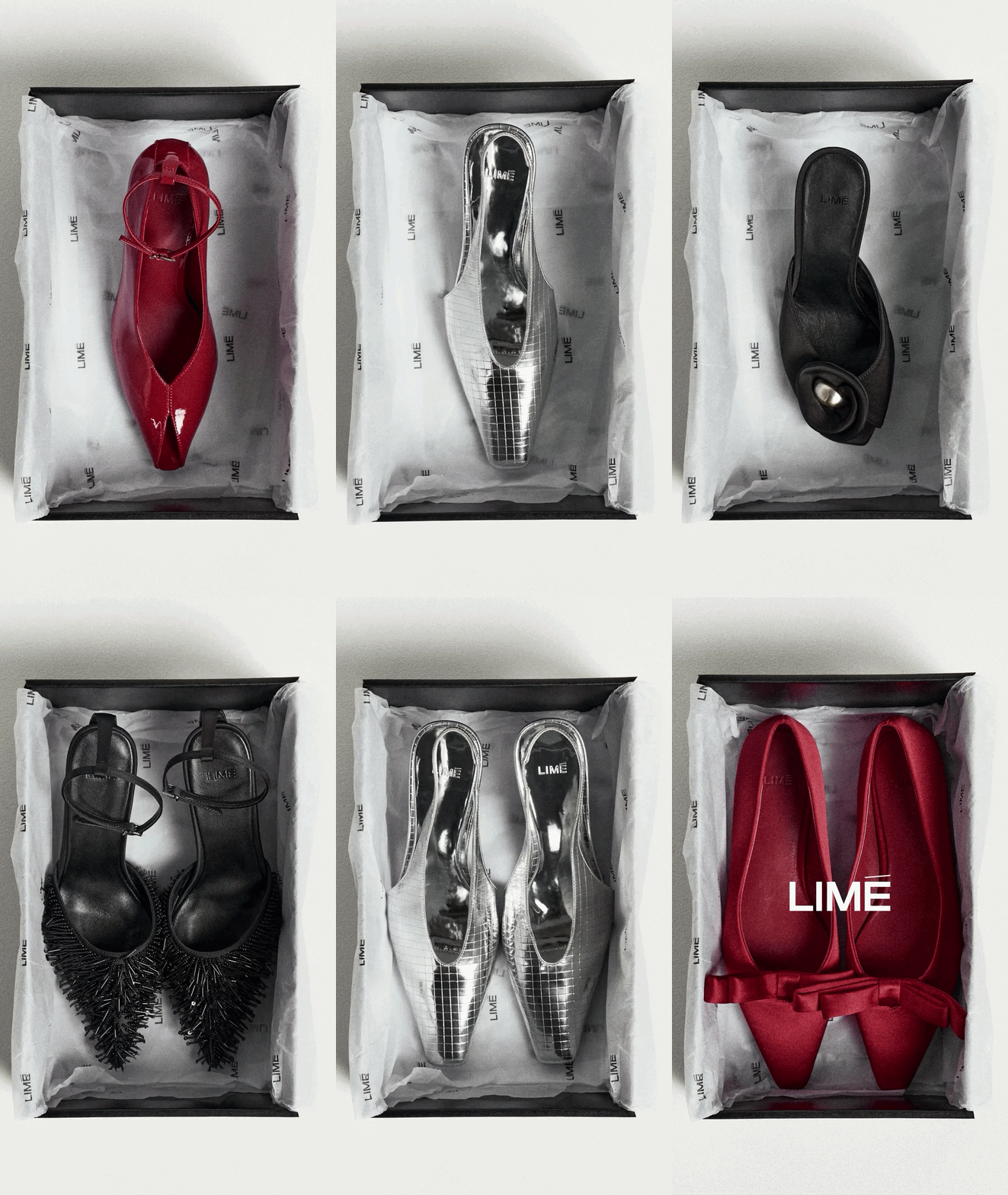
social media @limestorecom
Theoretical Framework
The Uses and Gratifications Theory explains why audiences actively choose certain media or brand content. In LIME’s case, people follow the brand not only to buy clothes, but also to find outfit ideas, understand current trends and imagine themselves as stylish, modern and confident. LIME’s campaigns, lookbooks, product pages and social media posts work like a visual wardrobe guide. Screenshots of campaign banners, styled outfits and product pages can show how the brand satisfies the audience’s need for inspiration, aesthetic pleasure and self-expression.
LIME — DUBAI HILLS MALL
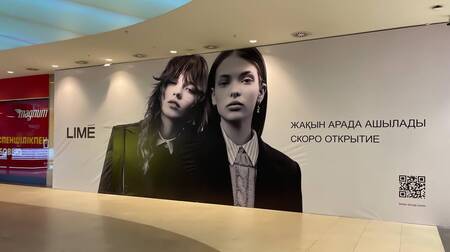
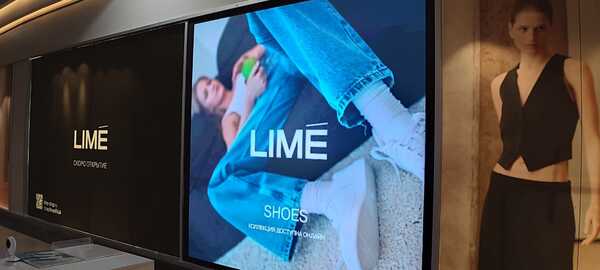
LIME banners
LIME also satisfies the audience’s need for information. The official website provides product categories, product cards, prices, sizes, materials and shopping functions. This practical layer supports the emotional side of the brand. LIME communicates both as a source of visual inspiration and as a convenient shopping platform.
limestore.com
limestore.com
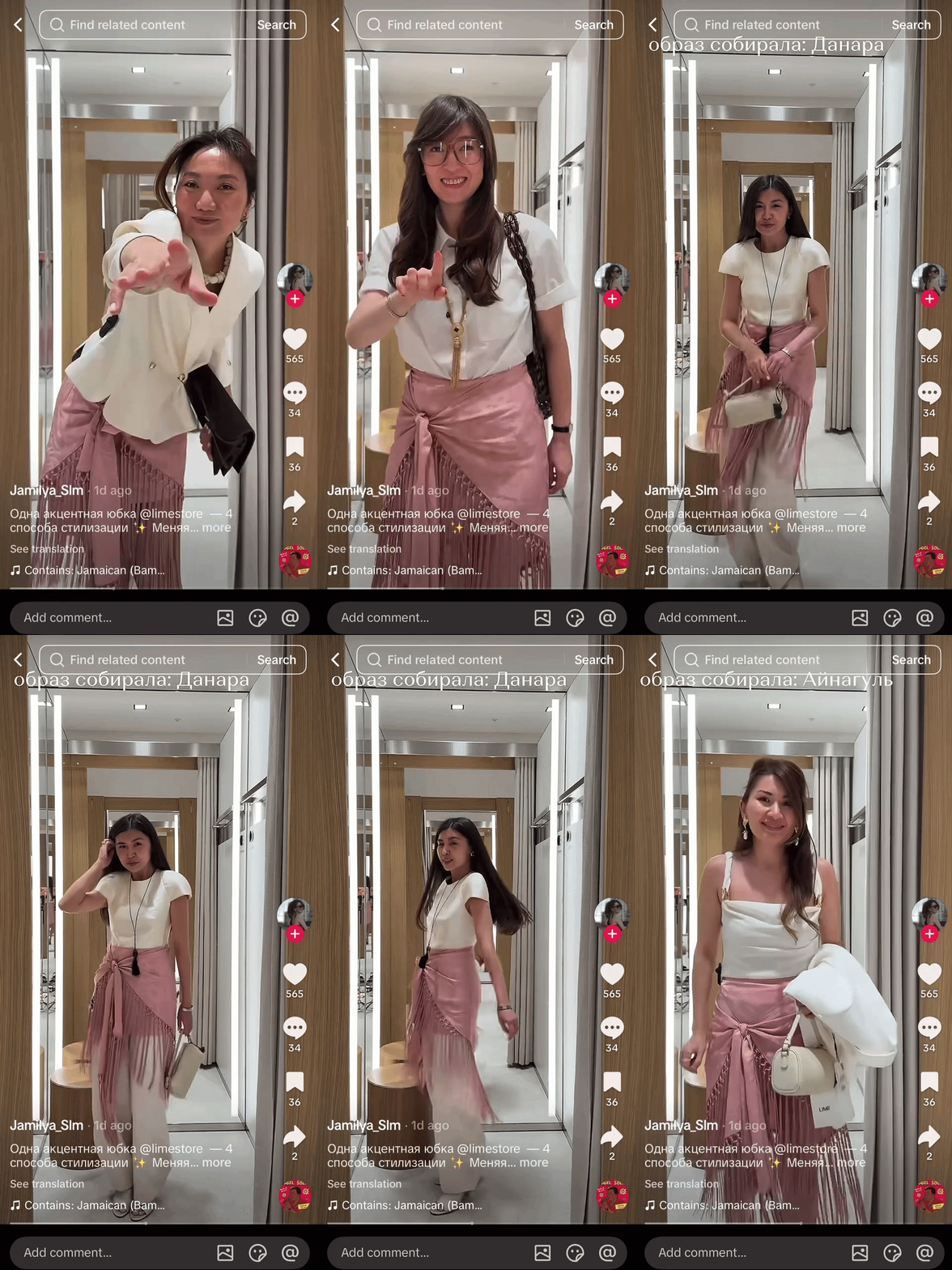
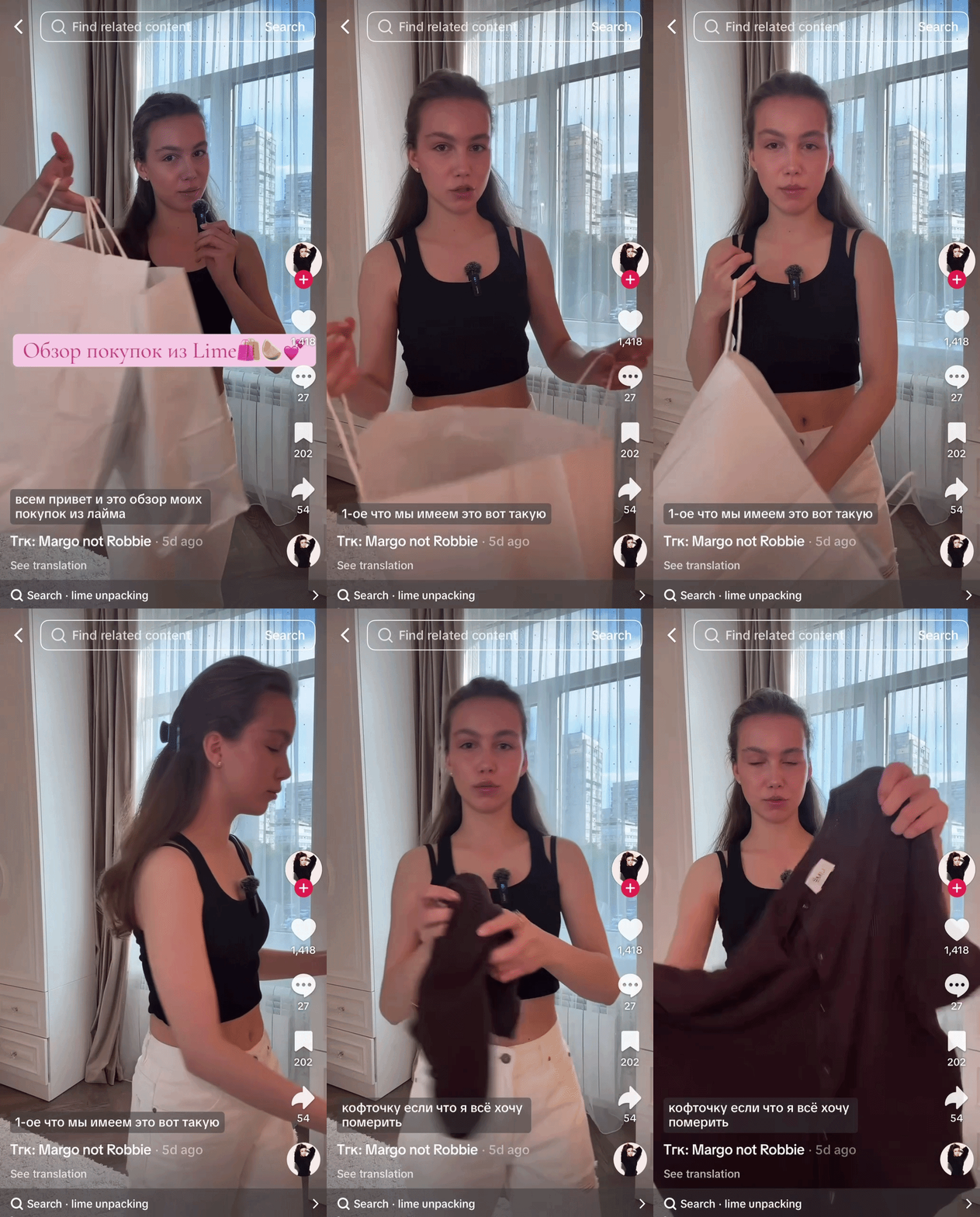
UGC content @jamilyasim | @margonotrobbie
Dialogic Theory focuses on two-way communication between a brand and its audience. It’s crucial for LIME as fashion communication is highly interactive. Cutomers can ask questions about products in direct messages, save looks, visit stores, use the website and react to new collections. Visual evidence such as social customer questions, website interface elements, newsletters and product reviews can show how the brand creates points of interaction with its audience.
limestore.com
Conclusion