Introduction
This study presents an analytical overview of the PR strategies of the Russian brand PIMS, a chain of beverage outlets offering drinks based on fermented tea, fresh fruit and berries. In a relatively short period of time, the brand has developed a recognizable visual language, a loyal community, and an extensive system of collaborations with partners from music, fashion, sports, and the digital sphere. All of this makes PIMS a revealing case for examining how a contemporary consumer brand builds communication in an environment where competition for audience attention is extremely high.
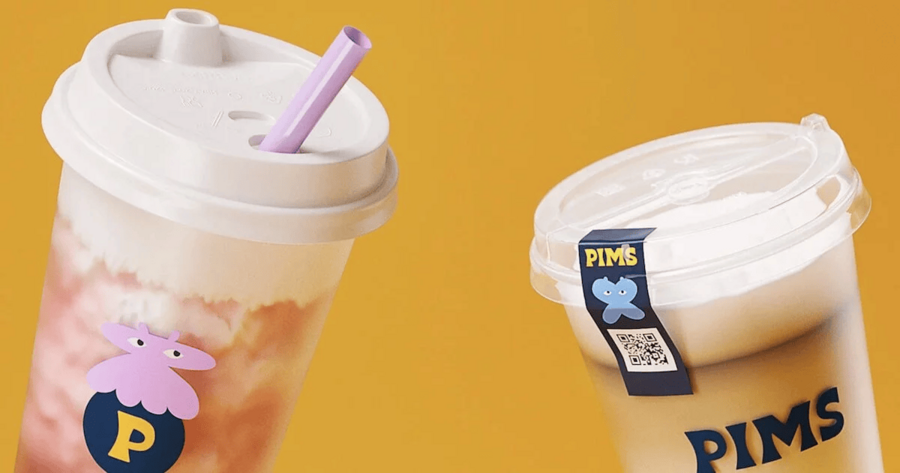
Products of PIMS
The aim of this study is to systematically analyze the communication strategies of PIMS: through which channels the brand interacts with the public, which persuasive mechanisms it uses, and to what extent its strategy corresponds to the principles of effective PR communication. To achieve this aim, the study relies on two theoretical frameworks. The first is the Elaboration Likelihood Model (ELM), which helps explain how the brand influences its audience through both rational arguments and peripheral cues: visual style, collaborations, musical context, and a sense of belonging to a community. The second is Dialogic Theory, which provides tools for assessing how far PIMS communication can be considered two-way: whether the brand takes the audience’s voice into account, whether it creates space for feedback, and how it behaves under reputational pressure.
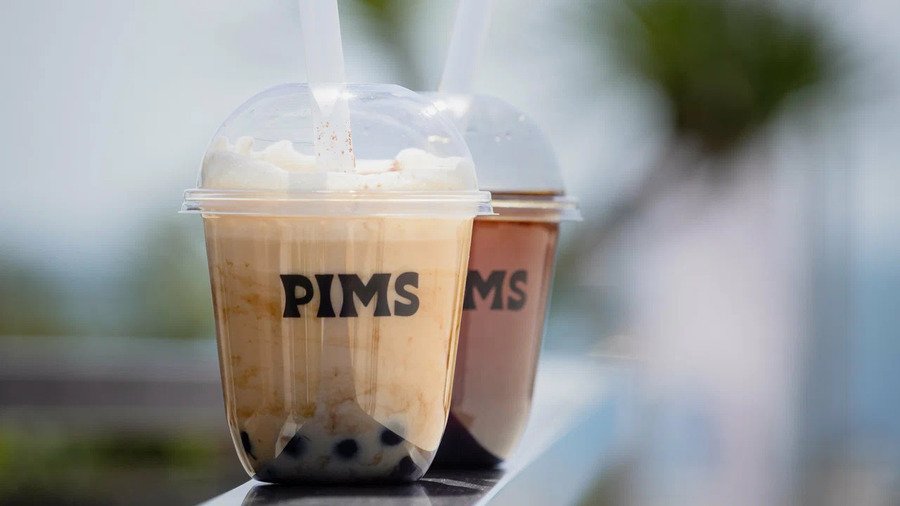
Products of PIMS
The presentation is structured into six parts. The first part describes the brand, its key positioning, and its target audience. The second provides an overview of the public communication space of PIMS and the channels it uses. The third presents the theoretical basis of the analysis. The fourth applies the chosen theories to specific communication practices of the brand, supported by visual evidence. The fifth formulates conclusions about the effectiveness of the strategy and offers practical recommendations. The sixth contains the list of sources and materials used.
PIMS Public Space
PIMS builds its public communication through its website, Instagram*, and Telegram. The website establishes the brand’s core product messages: fermented tea, fruit and berries, the absence of artificial stimulants, and an alternative to coffee. Instagram* is responsible for the brand’s visual lifestyle image, new flavors, seasonal collections, and collaborations. Telegram, especially PIMS CLUB with its «Friends & Family» positioning, functions as a more intimate community space and support channel.
The PR strategies of PIMS can be analyzed through the Elaboration Likelihood Model and Dialogic Theory. ELM explains how the brand persuades its audience not only through rational arguments about the product’s composition, but also through peripheral cues: visual identity, music, fashion, sports, collaborations, and a sense of belonging to «one’s own» group. Dialogic Theory helps evaluate how far the brand builds dialogue with its audience, takes feedback into account, and responds to crises.
The brand promotes its drink as part of an urban, visual, and social experience: it can be taken on a walk, shown in stories, brought to an event, or used as an element of self-expression. Therefore, PIMS operates not only within the category of tea drinks, but also in the broader field of lifestyle consumption. This strategy is connected to the Elaboration Likelihood Model. The central route of persuasion appears in product-based arguments: the tea base, fruit, berries, cream, natural ingredients, and the absence of artificial stimulants. However, the brand’s main influence is built through the peripheral route: vivid visuals, an emotional tone of voice, a fashionable urban context, and the feeling of belonging to «one’s own» community. The audience may choose PIMS not only because of the rational characteristics of the drink, but also because the product is perceived as aesthetic, relevant, and socially attractive.



PIMS CARD loyalty card identity
Collaborations with partners from music, fashion, sports, digital services, cosmetics, and charity expand the brand’s cultural field: the drink becomes associated with an artist’s album, a sports event, a fashion drop, a personalized digital experience, or a social initiative.
From the perspective of ELM, partners function as peripheral cues: an artist, a fashion brand, a sports event, or a charitable foundation adds symbolic value and helps the audience quickly identify what kind of brand this is — musical, youthful, fashionable, active, or socially responsible.
In music collaborations, such as PIMS x SLAVA MARLOW and PIMS x MARKUL, the brand is linked to youth music culture through flavor, the artist’s aesthetics, packaging, QR codes, and user-generated content. Positive feelings toward the artist may transfer to the brand. PIMS x Yandex Music adds personalization: a drink «in the color of the user’s music collection, ” connecting music, color, digital experience, and an offline event.
The sports collaboration PIMS x MEDIA BASKET demonstrates integration into an event: an offline corner, delivery through a Telegram bot, PIMS CAM, and giveaways for spectators make the drink part of the viewing experience. Persuasion here works through atmosphere and group identity rather than direct advertising.
PIMS actively uses the logic of drop culture: limited flavors, temporary products, special cups, seasonal collections, and collaborations available only during a specific period or in selected locations. This strategy creates a sense of urgency and exclusivity: the audience receives an incentive to try the product now, while it is still available. The consumer does not necessarily need to analyze the product in depth: the temporary nature of the drop itself creates the feeling of an event. In addition, such launches work effectively on social media, because a limited flavor or a special cup can easily become a reason for a photo, stories, and discussion.
Sample drink from the seasonal collection
The brand uses offline outlets, pop-up vans, event corners, sports events, queues, tastings, and special ordering mechanics. In this model, communication is built not around an advertising message, but around personal contact with the brand: a person sees the product, tries the flavor, and interacts with the space. This strategy is connected to both theories at once. Through ELM, experiential PR strengthens the peripheral route: the atmosphere of the place, music, design, the queue, the event, and visual contact with the product increase the attractiveness of the brand. Through Dialogic Theory, offline activations can be viewed as points of interaction where the brand not only transmits a message, but also enters into contact with the audience.
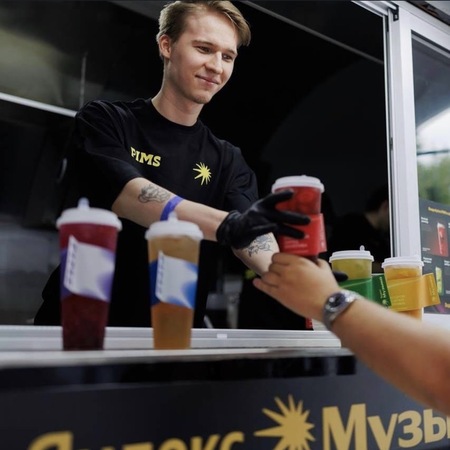
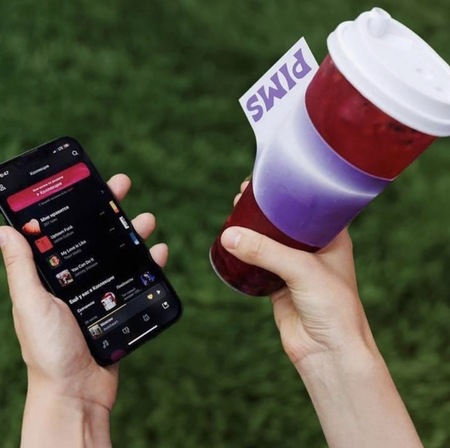
PIMS and Yandex Music collaboration
Community-building is also particularly significant. PIMS seeks to speak to its audience not only as customers, but also as members of a community. This can be seen in the PIMS CLUB Telegram channel, the informal tone of voice, the «Friends & Family» language, ambassador mechanics, and examples of responses to user requests. For instance, the return of certain flavors may be presented as a response to community requests. This strategy is directly connected to Dialogic Theory. Within this theory, PR is understood not as one-way promotion, but as the building of relationships with the public through dialogue, recognition of the audience’s voice, empathy, and a willingness to maintain long-term connection. For PIMS, this means that the brand should not only publish news and launch flavors, but also show that audience reactions matter for communication and product decisions.
Cancel culture illustration
The reputational crisis surrounding the Pims Police video demonstrates the limitations of bright and provocative communication. Such a strategy may attract attention, but at the same time it creates a risk of conflict with the audience if the message is perceived as unethical or offensive. This case is best analyzed through Dialogic Theory. In a crisis situation, what matters is not only how noticeable the communication is, but also how the brand hears the audience’s reaction: whether it allows open discussion, whether it shows empathy, and whether it is ready to acknowledge different public positions. If the brand closes comments or responds defensively, this limits dialogue and weakens trust. Therefore, Pims Police can be considered an example of why a community-oriented brand needs to remain dialogic not only around positive news occasions, but also during reputational conflicts.
PIMS CLUB Telegram channel post
Thus, the strength of PIMS lies in its ability to create visually striking and culturally relevant news occasions through lifestyle, collaborations, drops, and offline experience. The key area for development is strengthening dialogic communication, especially in situations of criticism and reputational risk.
Analysis
Screenshot from the PIMS website: description of the drink as a «source of impressions»
This is the central route of ELM: the brand provides rational arguments — what the product is, what it is made of, and how it differs from coffee. On its website, PIMS directly describes itself as «a new format of drinks to go» and an alternative to coffee.

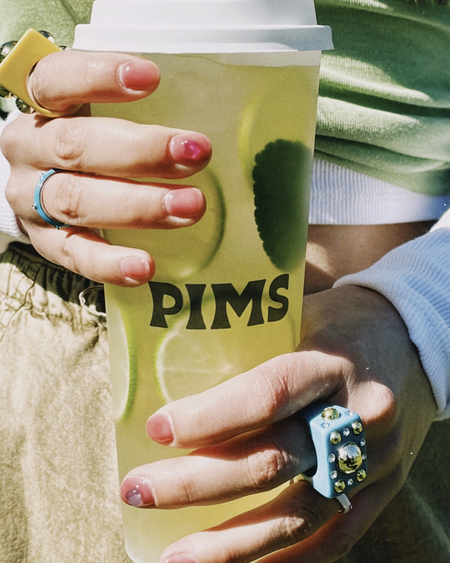
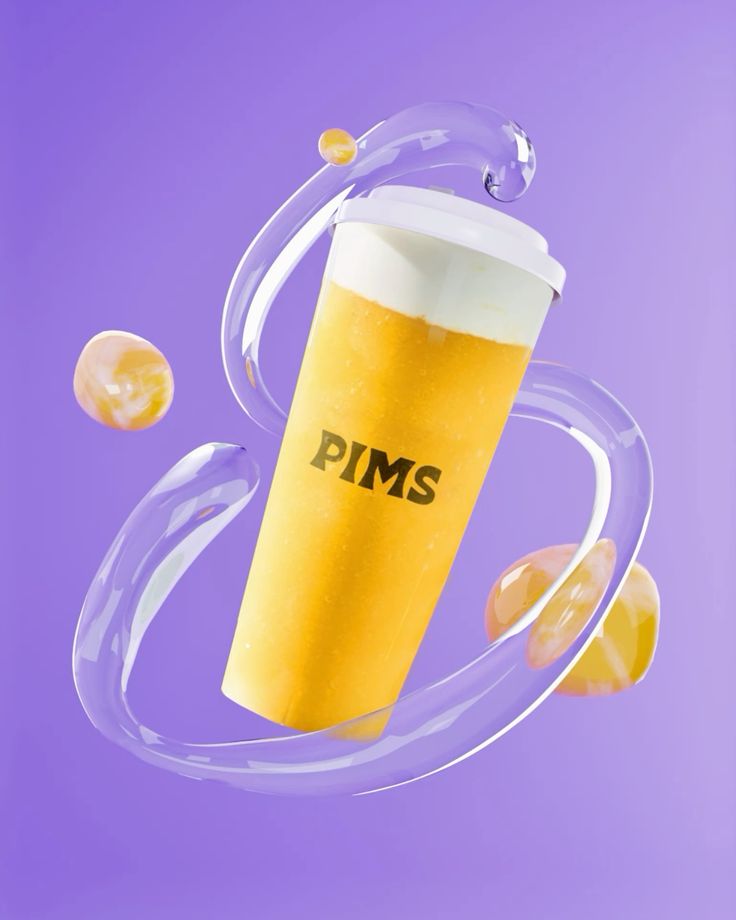
Promotional photos for PIMS lemonade
This is the peripheral route of ELM: the audience may not analyze the composition, but instead react to visual appeal, color, and the «Instagrammable» quality of the product. In the case of PIMS, the product itself becomes a media object: the cup is easy to show in stories.
PIMS and Alice in Wonderland collab promo post
A screenshot from the official website featuring the PIMS x MARKUL collaboration
These are peripheral cues in ELM: the artist functions as a source of cultural meaning. If the audience likes the artist, part of the artist’s aesthetic is transferred to the brand. In the MARKUL collaboration, the QR code linking to the album is also important: the drink becomes connected to a musical experience.