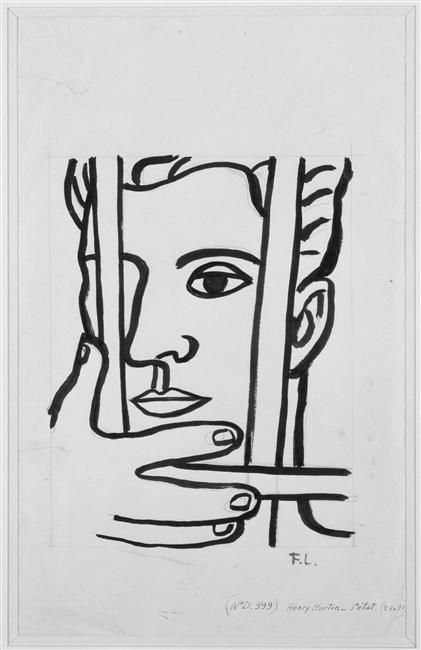
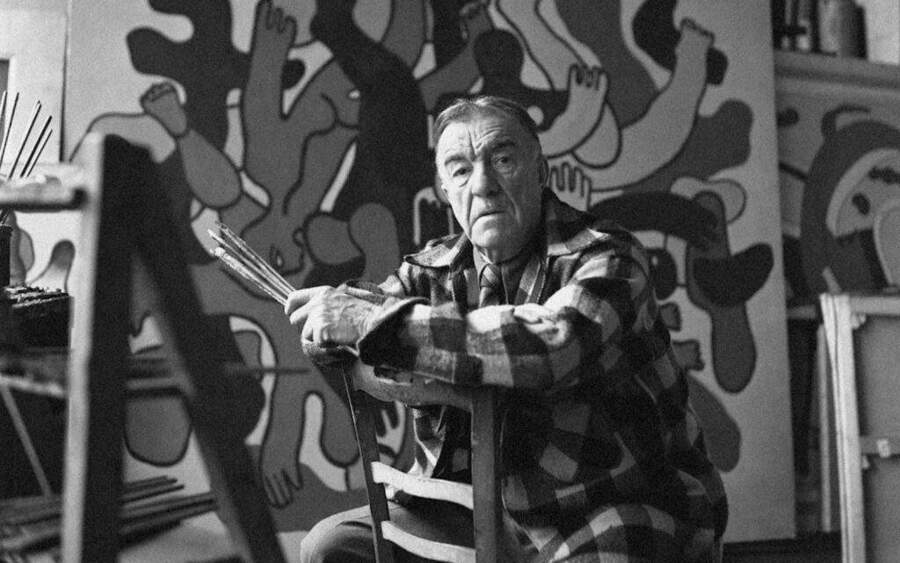
Fernand Léger (1881–1955) was a French painter, graphic artist, scenographer, and ceramicist. He developed his own variation of Cubism, which was rooted in the aesthetics of machine forms. In addition to painting, he worked in ceramics, book illustration, fashion and rug design, and was active in theater and cinema.
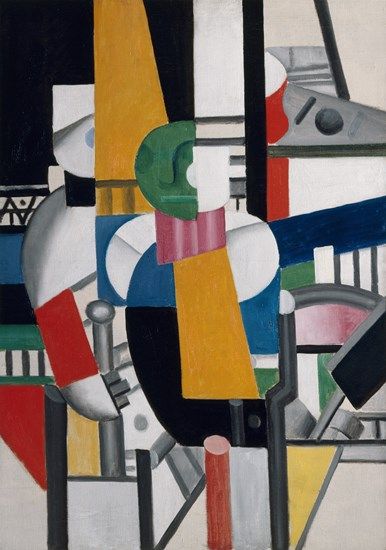
Léger, as a radical Cubist, fractured objects into simple elements and employed a restrained color palette. Unlike others, he filled the entire canvas with these elements in what appeared to be a chaotic arrangement, creating the sensation of a random fragment of a vast space. He utilized this technique extensively throughout his work.
(Variety — Man with a Cane — 1920 — Fernand Léger, French)
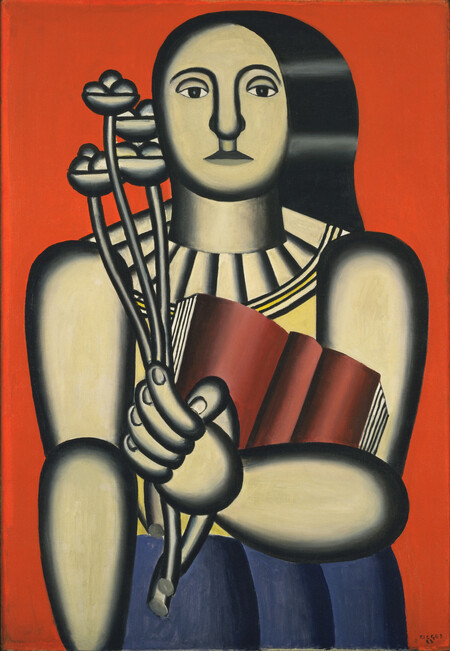
Девушка с книгой
Строители
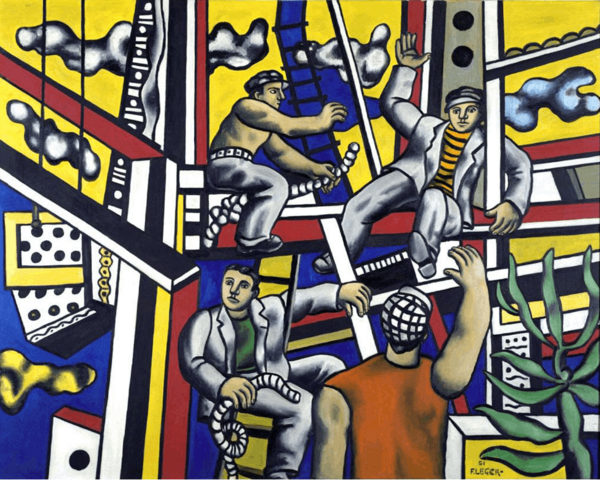
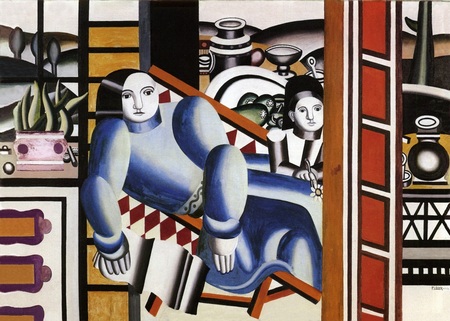
Fernand Léger’s artistic work was significantly influenced by the early Cubist pieces of Picasso and Braque. In his youth, he focused on drawing and simple geometric forms. Truncated cones, divided volumes, and altered human figures became the primary elements of his paintings. Later, critics dubbed this style «tubism» due to his strong emphasis on cylindrical forms.
Fernand Léger. Painting «Mother and Child,» 1922
«Tubisme» is an artistic movement within Cubism, the signature style of the French artist Fernand Léger. The term was introduced by art historian Louis Vauxcelles in 1911 as an ironic descriptor for Léger’s works. A defining characteristic of this style is its compositions featuring a predominance of streamlined geometric forms.
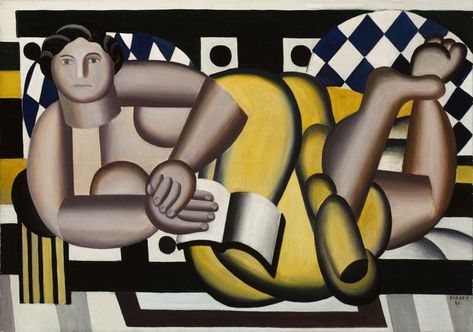
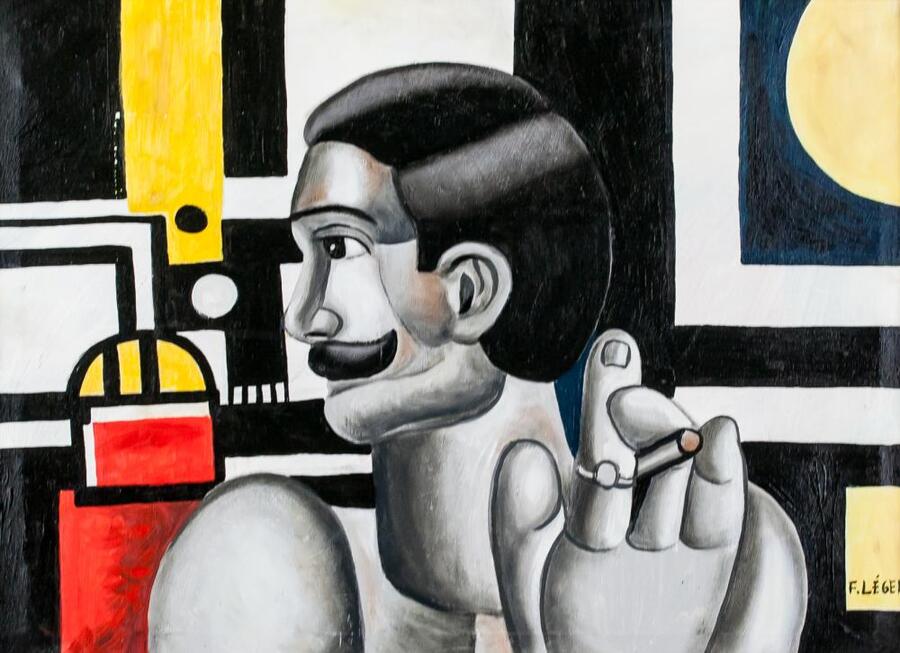

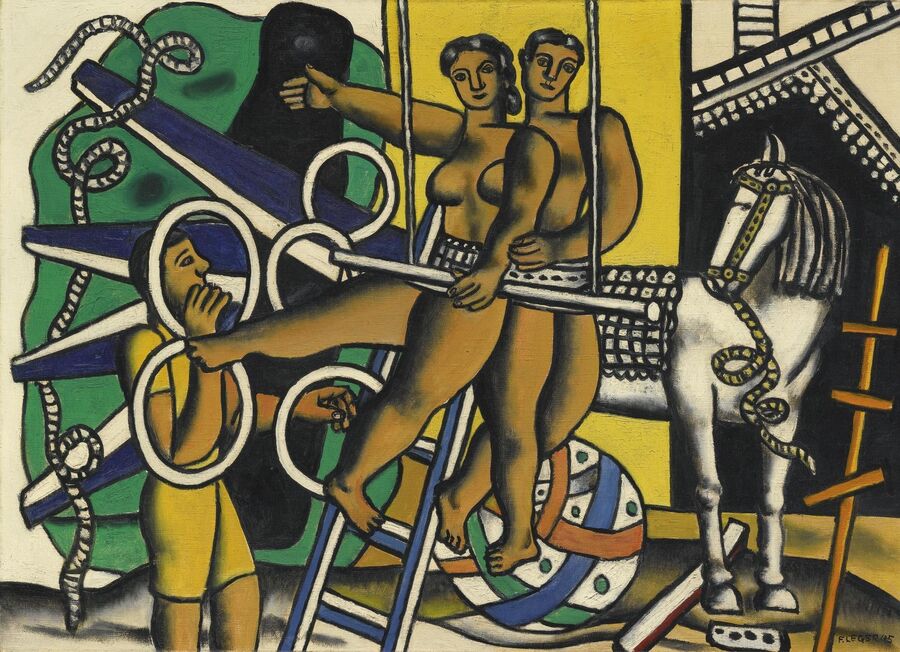

In the early 1920s, Leje became interested in cinema, working with the writer Blaise Sandrar and creating costumes and set designs for ballets. In 1924, he filmed his movie, «Mechanical Ballet.»
Fernand Leje’s «Mechanical Ballet» is a film that portrays the «dance» of objects, people, and machines. The main idea of the film is to show the contrast between machines and inanimate objects on one hand, and man with his body—on the other.
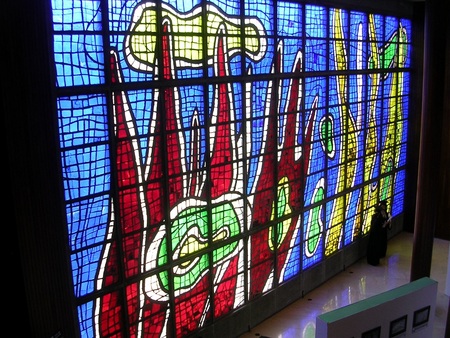
In the 1930s, Leje became engrossed in creating large-scale murals, bringing his art to the streets and building facades. His monumental works celebrated laborers—acrobats, cyclists, builders—showing a keen interest in the working class. He frequently lectured on modern art, critiquing both Socialist Realism and abstractionism. At the start of World War II, Leje traveled to the United States, and after the war, he returned to France, where he died on August 17, 1955.
«Energy Transfer,» 1937