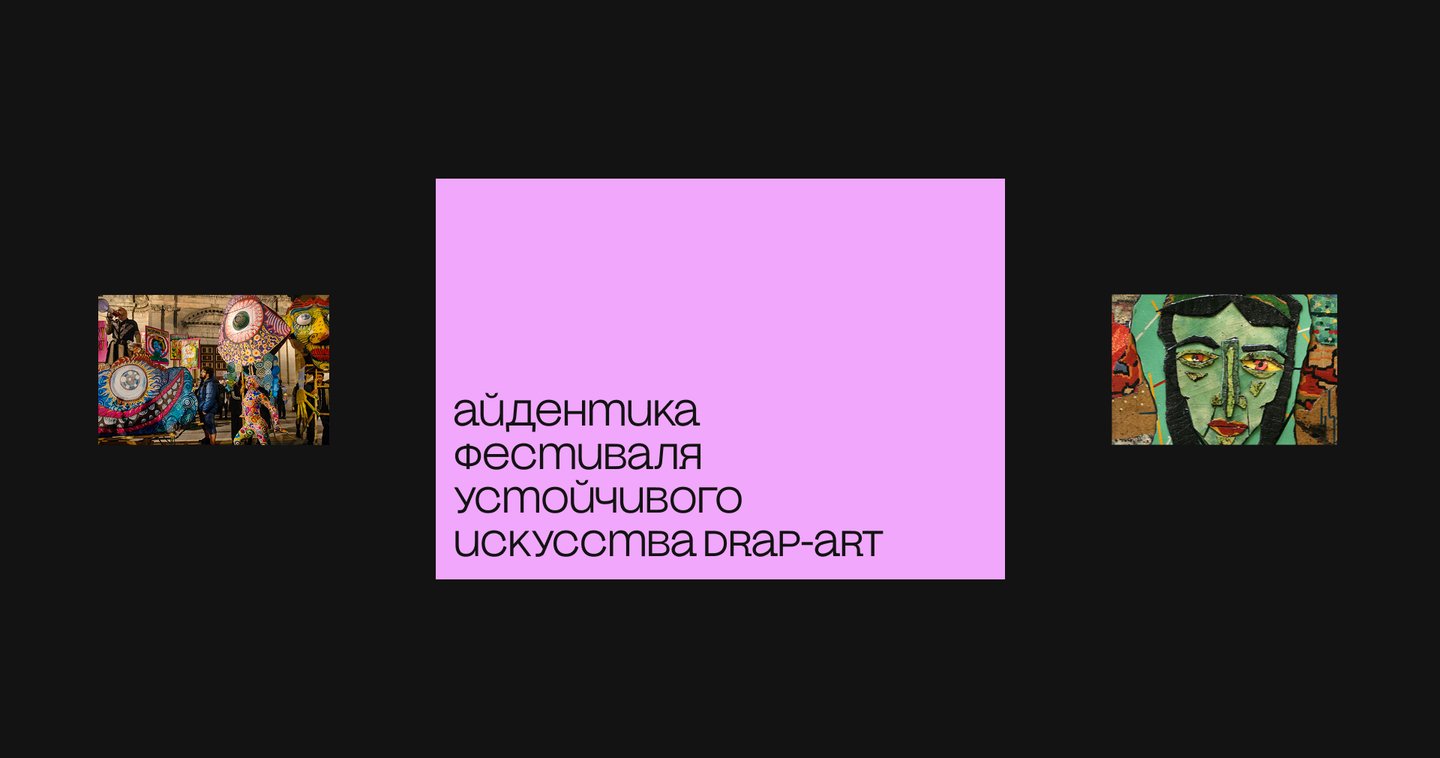
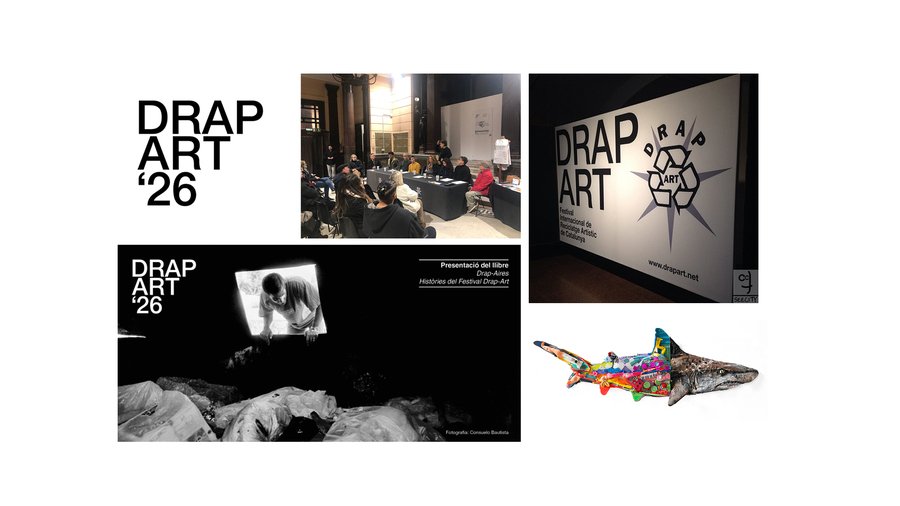
Drap-Art Festival — is an international festival in Barcelona at the intersection of contemporary art and environmental issues
The ProblemThe current image of the festival does not reflect its scope or concept. The festival lacks a consistent visual identity.This year marks the festival’s 30th anniversary, which presents a logical opportunity for a refresh.The SolutionThe main objective is to update the festival’s identity so that it aligns with its mission and positioning.
About the Project
Project MissionTo use contemporary art and creativity to draw attention to the environmental consequences of consumer society and to popularize alternative, more sustainable lifestyles.
Festival Program
Festival Highlights
30 Years of History
Drap-Art has been held in Barcelona since 1995, evolving from an initiative focused on creative waste repurposing into an international sustainable art platform.Second Life for Materials
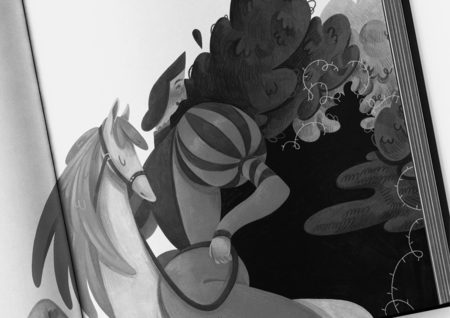
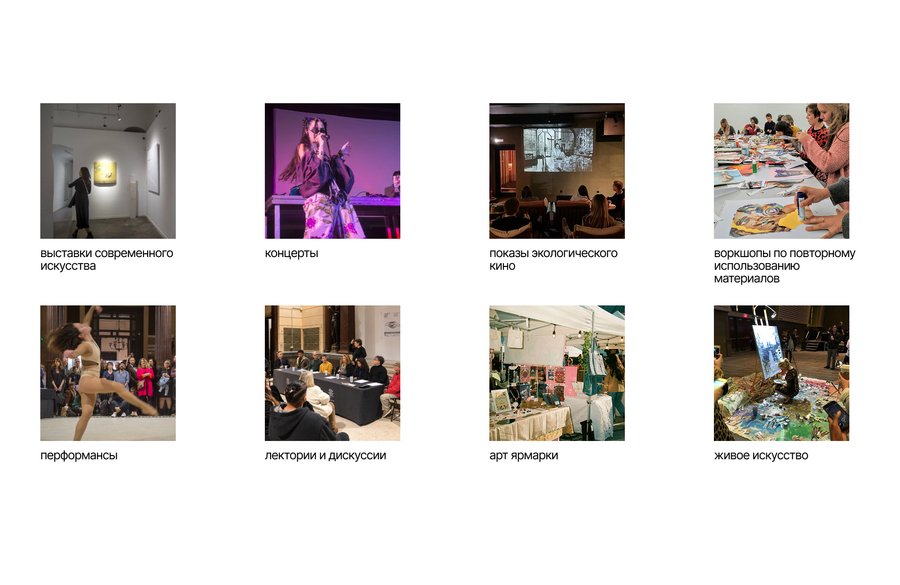
Artists work with waste, found objects, and reused materials, transforming discarded items into works of art.Diverse Program
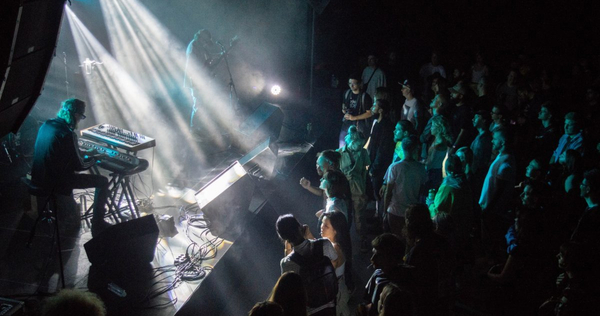
The exhibitions are complemented by performances, workshops, film screenings, discussions, a fair, and artistic events.Connection to the City
The festival takes place across several venues in Barcelona’s historic center, encompassing exhibition spaces and the urban environment.Brand Character
Brand Cosmology
Target Audience of the Brand

CREATIVE INDIVIDUALS AGED 20–35[artists] [designers] [photographers] [students in creative fields]They follow the cultural life of the city—visiting exhibitions, festivals, galleries, and unique urban events. For them, art is not just a way to spend free time, but a source of ideas, new experiences, and professional inspiration.Themes like ecology, conscious consumption, upcycling, and social responsibility resonate with them, but they engage with these topics not only through activism, but through culture and creativity. They are drawn to experimental artistic forms, unusual materials, and the possibility of seeing how a familiar or discarded object transforms into a work of art.
Competitive Analysis
SWAB FESTIVAL
An international contemporary art fair bringing together galleries, independent spaces, and artists from various countries. In addition to its exhibition program, it hosts talks, workshops, and artistic performances.Why it’s a competitor: It overlaps with Drap-Art’s younger, culturally engaged audience and experimental contemporary art.
SUNCINE
An international environmental film festival founded in 1994. It merges audiovisual art with environmental issues.Why it is a competitor: It is an indirect competitor to Drap-Art specifically in Barcelona due to a similar audience that is environmentally and culturally engaged.
RIZOMES
Ecological festival of art, music, and temporary architecture. Artists, architects, and musicians create works and temporary spaces directly within the natural environment.Why it is a competitor: Drap-Art is similar in its connection between contemporary art and the ecological agenda.
BIENAL CLIMATICA
A new biennial at the intersection of contemporary art and the climate agenda. Through exhibitions, artistic performances, film, workshops, and urban environment projects, it explores environmental, social, and territorial changes.
Why it is a competitor: Bienal Climática and Drap-Art operate at the crossroads of contemporary art and the ecological agenda.
Target Brand Positioning
The Landscape of Competitive Issues
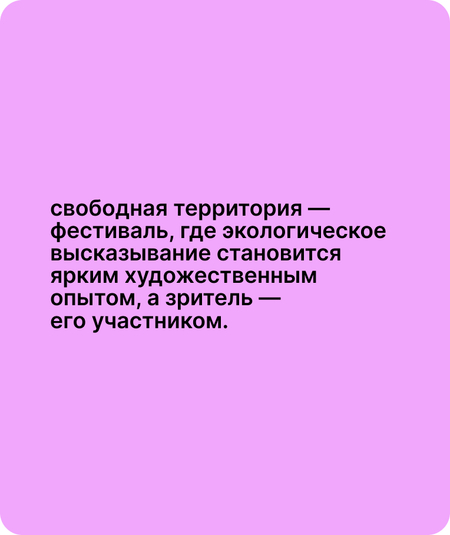
The Gap Between Art and EcologyArt festivals like Swab have a more expressive and experimental aesthetic, but ecological issues are not central to their focus.Environmental festivals, conversely, have a strong thematic stance, but often frame their communication primarily around the problem itself.The ecological theme often becomes visually dry and seriousClimate, waste, and sustainable development are presented through information delivery, documentation, and critical reflection.This leaves room for a brand that addresses ecological problems not preachyly, but through experimentation, creativity, and direct experience.
Conclusion
Analysis has shown that Drap-Art has the potential to form a vibrant and recognizable visual identity at the intersection of contemporary art and the ecological agenda. Despite its 30-year history, international scope, and diverse program, the festival’s current identity fails to adequately reflect its experimental nature and core concept—transforming waste into art.
It is proposed to develop a new visual identity for Drap-Art that will unify the festival’s diverse formats, increase its recognition, attract a new audience, and strengthen Drap-Art’s positioning as an international platform for contemporary sustainable art.
Sources
- Drap-Art: Official website of the International Festival of Sustainable Art. — URL: https://drap-art.org/ (accessed October 12, 2026).2. Švob V. From St. Barth to Lecture Hall and Paradise. Have we started romanticizing everyday life? // BURO. — 2026. — August 2. — URL: https://buro247.hr/romantiziranje-obicnog-zivota/ (accessed October 12, 2026).3. Swab Barcelona Art Fair: Official website of the international contemporary art fair. — URL: https://swab.barcelona/ (accessed October 12, 2026).4. SUNCINE: Official website of the international ecological film festival. — URL: https://www.suncinefest.com/en (accessed October 12, 2026).5. Rizomes: Official website of the festival of art, music, and architecture. — URL: https://rizomes.com/en (accessed October 12, 2026).6. Bienal Climática: Official website of the biennial of art and climate. — URL: https://bienalclimatica.org/en/ (accessed October 12, 2026).