Do you need a skilled creative for your cartoon, game, or film? Look no further! Whether collaborating with studios, companies, or independent creators, I possess all the skills necessary to bring YOUR vision to life.
I am a 3D Generalist
VFX, 3D Modeling, Sculpting, Retopology, UVs, Texturing, Rigging
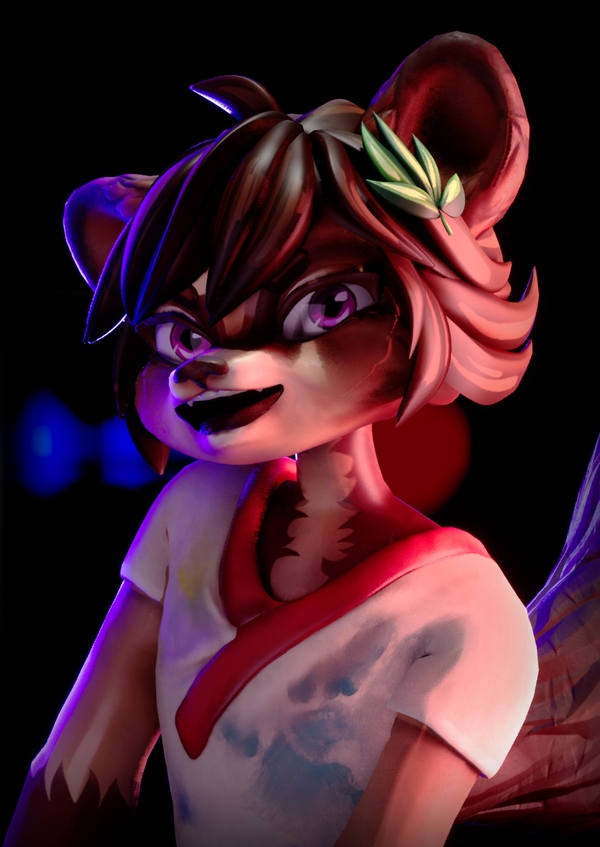
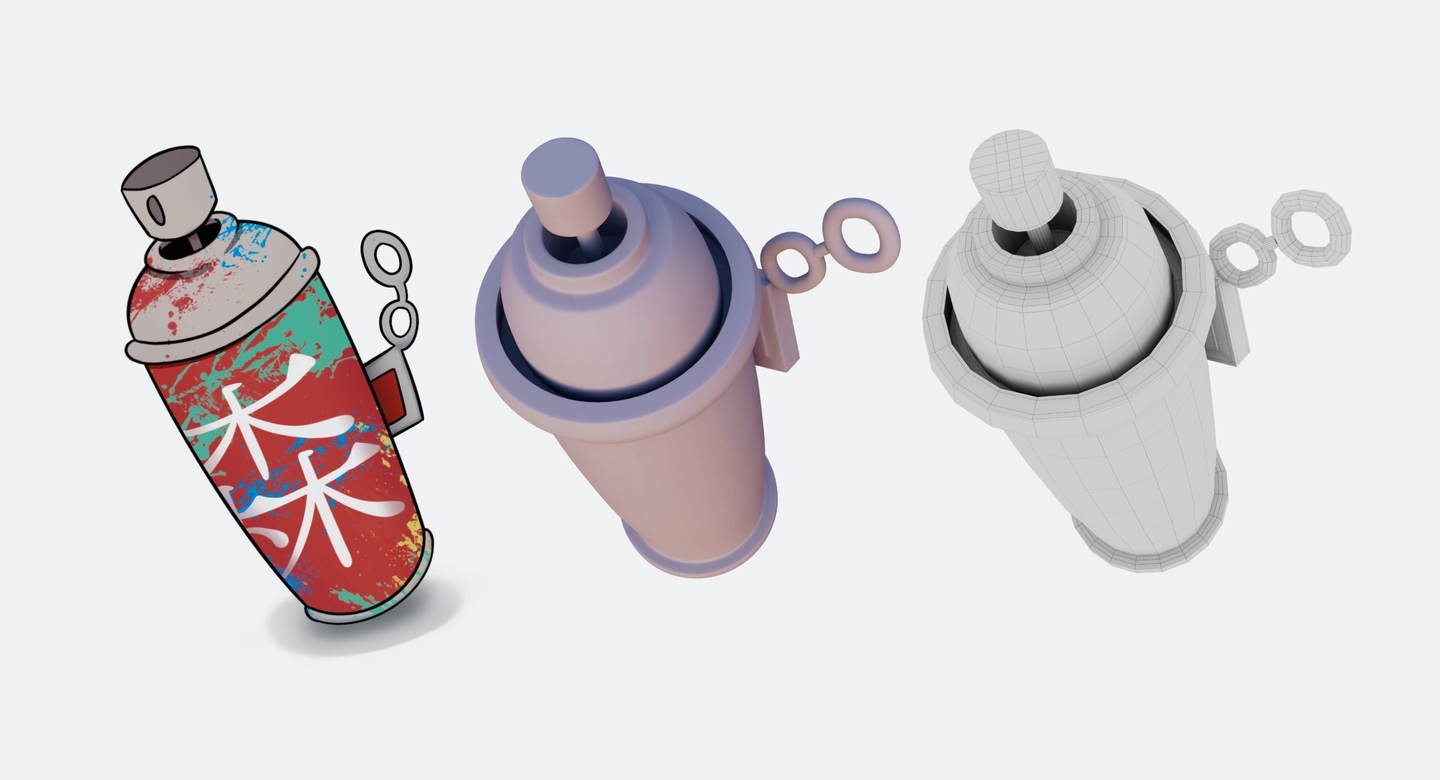
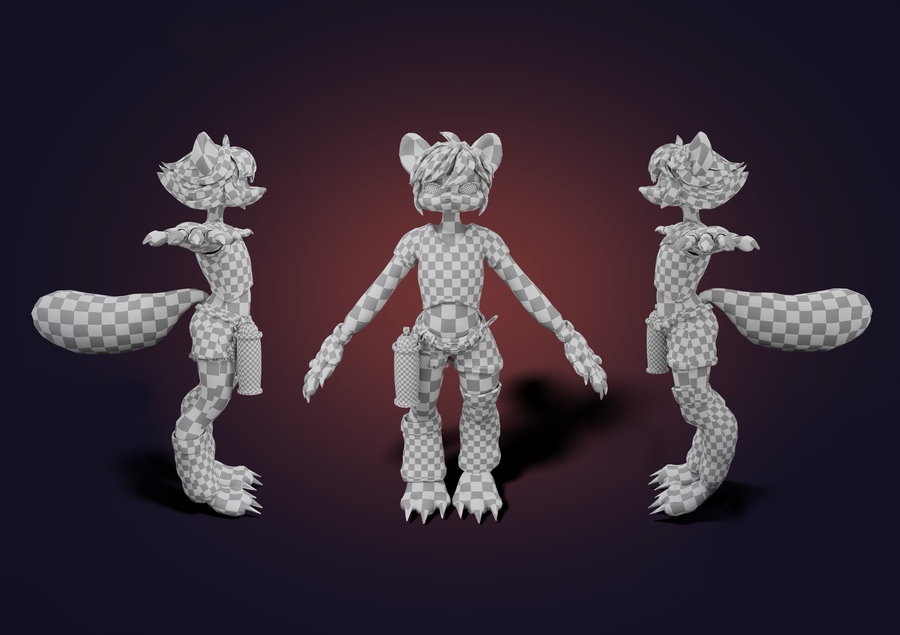
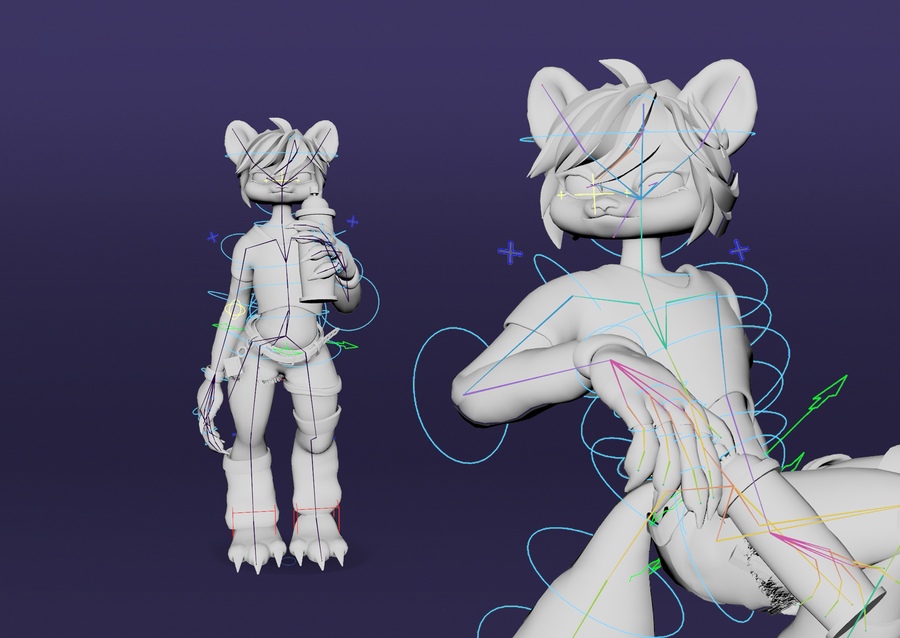
MORIKO Sculpting · Modeling · Retopology · UVs · Texturing · RiggingThe Brief: Create a production-ready 3D character: an anthropomorphic tanuki graffiti artist, complete with a modeled spray can prop, ready for animation. The Idea: How can street art culture be conveyed through a single character? The concept draws on the tanuki, the shape-shifting trickster of Japanese folklore, and reimagines it as a mischievous urban artist. A raccoon-dog known for playful rule-breaking is a natural fit for graffiti. The Solution: I took the character through the full 3D pipeline: — Sculpting: Established the anatomy, proportions, and personality in high-resolution detail, from the tanuki’s rounded features to the folds and wear of her streetwear. — Modeling: Built the spray can as a clean hard-surface prop, and the clothing and accessories that support the character’s story. — Retopology: Rebuilt the sculpt into efficient, animation-friendly geometry with edge flow that follows the face and joints. — UVs: Unwrapped the model with careful layout and texel density, so textures stay sharp and consistent across the character and prop. — Texturing: Developed fur, fabric, worn paint, and metal surfaces, adding splatters and grime so she looks like she lives in the alleyways she paints. — Rigging: Built a deformation-ready skeleton and controls, so the character can pose, emote, and hold the spray can convincingly. The Outcome: A complete, polished character that’s ready for animation and game engines.
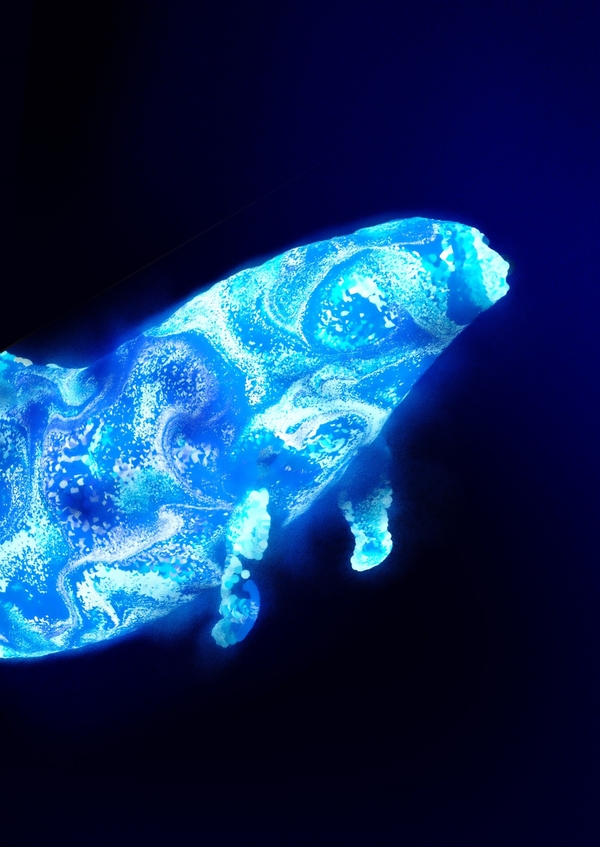
DOLPHIN Particle SimulationThe Brief: Create a stylized dolphin built entirely from particle simulation in Houdini, rendered with a magical look in shades of blue and white. The Idea: How can the grace and fluidity of a dolphin be conveyed without a solid form? The concept dissolves the animal into thousands of glowing particles, making it read as a spirit of the sea—part creature, part current, part light. Blues and whites keep the palette calm and luminous, reminiscent of sunlight breaking through deep water. The Solution: I built the effect using a procedural Houdini setup: — Source Geometry: Used the dolphin’s silhouette and motion as the emitter, allowing the particles to inherit its shape and leaping movement. — Particle Simulation: Designed the forces, velocity, and turbulence that cause the particles to stream, trail, and swirl within the body. — Shaping the Motion: Balanced cohesion and dispersal so the dolphin remains recognizable at its core while its edges drift away into mist and sparkle. — Look Development: Developed a gradient from deep ocean blue to pale aqua and pure white, varying particle size, opacity, and glow to create depth and a magical shimmer. — Lighting and Rendering: Added soft emission, depth of field, and subtle bloom, making the particles feel luminous against the dark background. The Outcome: A fluid, atmospheric piece that transforms a familiar animal into something dreamlike. It showcases procedural FX skills, art direction through color, and a strong sense of movement and mood.
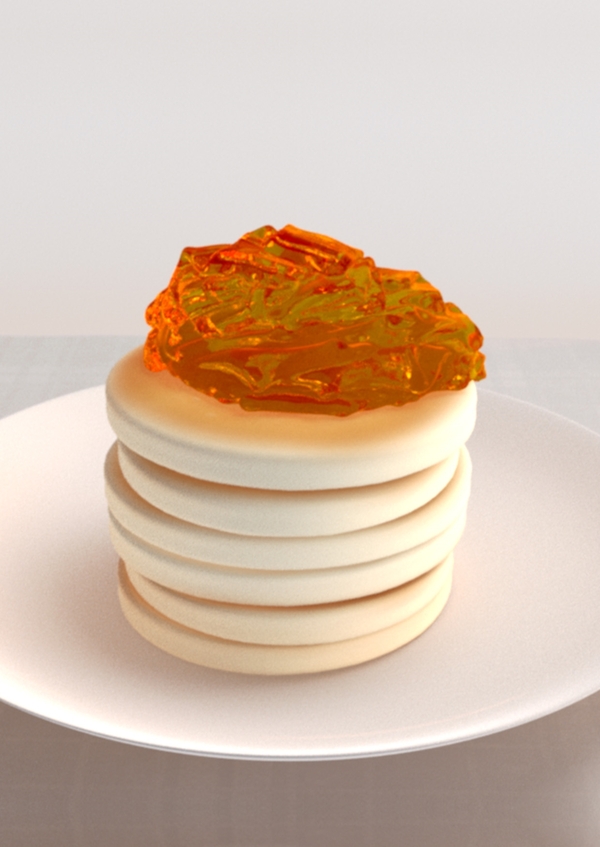
PANCAKES Vellum Simulation · MPMThe Brief: Create an appetizing food simulation in Houdini that combines soft-body and fluid dynamics: a stack of pancakes falling onto a plate, followed by syrup poured over the top. The Idea: How can a simulation make breakfast feel irresistible? The concept captures the satisfying moment every pancake lover knows: the soft, bouncy landing of the stack and the slow, glossy pour of syrup. Two different materials—one cloth-like and squishy, the other thick and viscous—meet in a single shot designed to look good enough to eat. The Solution: I combined two solvers in one procedural setup: — Vellum Simulation: Each pancake was treated as a soft body, tuning stiffness, thickness, and pressure so they drop onto the plate, squash, wobble, and settle against one another like real batter-based discs. — Collisions and Stacking: I set up the plate and the pancake-to-pancake contact so the stack lands naturally, with slight offsets and overlaps instead of a perfect, rigid tower. — MPM Syrup: I used an MPM solver for the syrup, adjusting viscosity and stickiness so it pours in a thick ribbon, pools on top, and creeps down the sides in slow, heavy drips. — Solver Interaction: I made the syrup react to the deformed surface of the pancakes, so it follows their curves and gathers in the gaps between layers. — Look Development and Rendering: I gave the pancakes a golden-brown, slightly porous surface and the syrup a warm, translucent amber with strong highlights, so the glossy flow stands out against the soft matte pancakes. The Outcome: A tasty, tactile piece that demonstrates control over multiple simulation types and a strong eye for material behavior. The contrast between squishy and syrupy gives it appetite appeal, and it serves as a strong food-FX showcase for an advertisement.
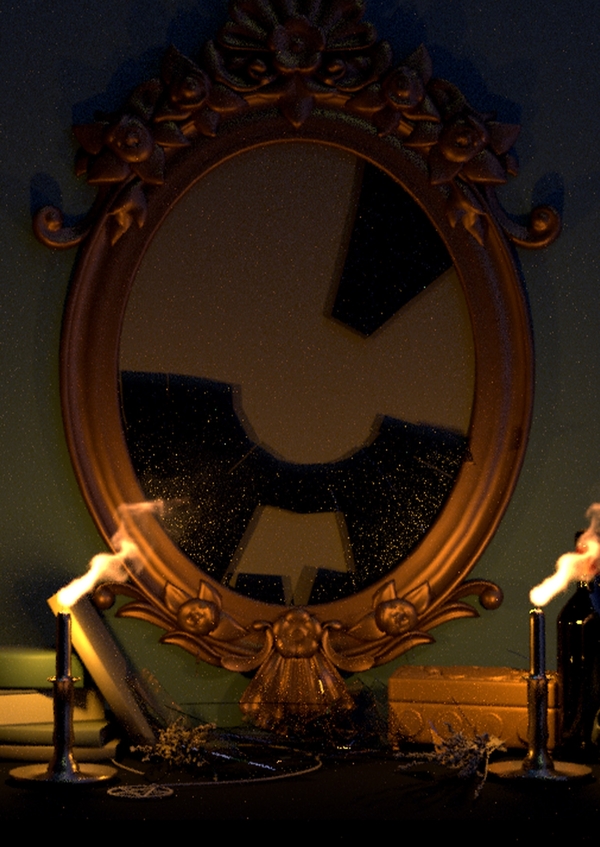
MIRROR RBD SimulationThe Brief: Create an atmospheric, horror-inspired scene in Houdini, featuring a mirror that shatters on its own, supported by a dark, meticulously staged environment and an RBD simulation. The Idea: How can a single, unexplained moment generate dread? The concept draws from classic horror: a quiet, candlelit room where nothing moves until the mirror at its center cracks and shatters without any visible cause. The props suggest a forgotten, slightly occult space, so the audience senses something is amiss before the glass even fails. The Solution: I built the scene as a combination of set dressing, RBD destruction, and moody lighting: — Set Dressing: Arranged books, dried lavender, and a skull around the mirror to tell a story through objects, maintaining a tight composition and deep shadows. — Fracture Setup: Prepared the mirror for fracturing, mixing large shards with fine splinters so the break feels brittle, sharp, and realistic. — RBD Simulation: Triggered the break with no visible impact, using constraints that release progressively so cracks spread across the surface before the pieces fall, bounce, and scatter across the floor and props. — Timing and Tension: Held the stillness before the break and let the shatter unfold with a deliberate rhythm, ensuring the moment lands like a jump scare. — Candles and Lighting: Placed burning candles side by side as the main light sources, with warm, flickering light casting long shadows and catching on the glass fragments. — Look Development and Rendering: Built a reflective mirror shader with slight grime and edge refraction, using a low-key, high-contrast look that keeps the darkness oppressive. The Outcome: A moody, cinematic piece that demonstrates control over destruction FX, scene storytelling, and lighting for atmosphere. It proves that a simple event, executed well, can carry genuine suspense—perfect for any horror film.
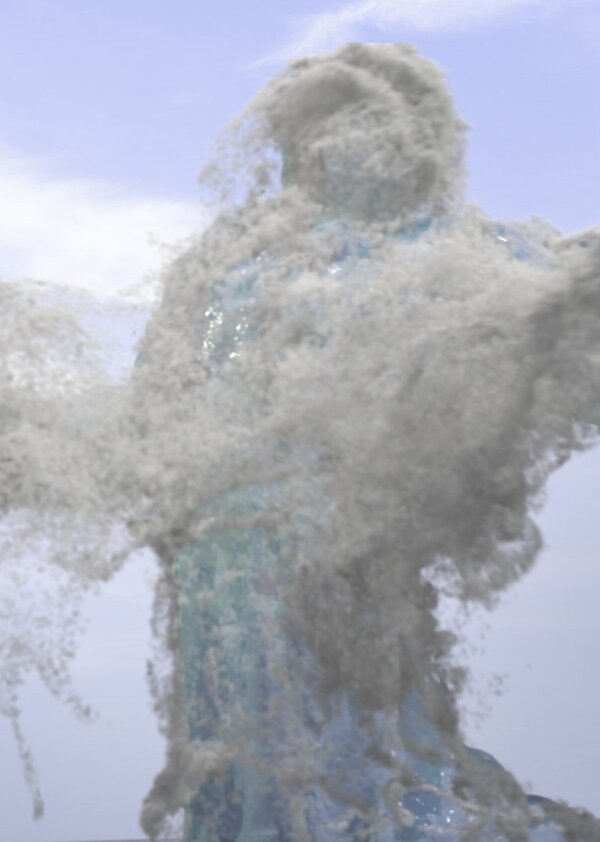
WATER MONSTER FLIP SimulationThe Brief: Recreate the water monster sequence from Spider-Man: Far From Home as a FLIP simulation in Houdini—a towering creature formed entirely out of canal water. The Idea: How can water convincingly become a living creature? The concept was to study that moment in Venice, where the canal rises and gathers into a massive, menacing form. The challenge was keeping it believable as real water while giving it enough shape, weight, and intent that it reads as a monster. The Solution: I rebuilt the effect as a FLIP-based setup, working from the reference to match its scale and behavior: — Canal Setup: The Venetian canal environment was built with water level, banks, and surrounding structures as collision geometry, ensuring the rising water interacts within a believable space. — Shaping the Creature: A simplified, animated monster form was used as a guide to drive the fluid, pulling the water upward and defining the silhouette without losing the natural look of the liquid. — FLIP Simulation: I tuned the forces and velocity fields so the water rises, bulges, and churns, featuring heavy flowing motion that sells its mass and scale. — Secondary Detail: Layered spray, mist, foam, and cascading streams off the body, making the surface feel turbulent and giving the creature the appearance of continuously shedding and regathering water. — Meshing, Shading, and Rendering: The fluid was meshed at high resolution, utilizing a water shader that balances transparency, refraction, and reflection, complemented by compositing touches to match the original film’s cinematic aesthetic. The Outcome: A large-scale, high-impact simulation that showcases mastery over FLIP fluids, scale, and secondary detail. It demonstrates my capability to take a complex film reference and rebuild it from the ground up within a production-style workflow.
I am an Artist
Illustration, Concept Art, Animation, Branding
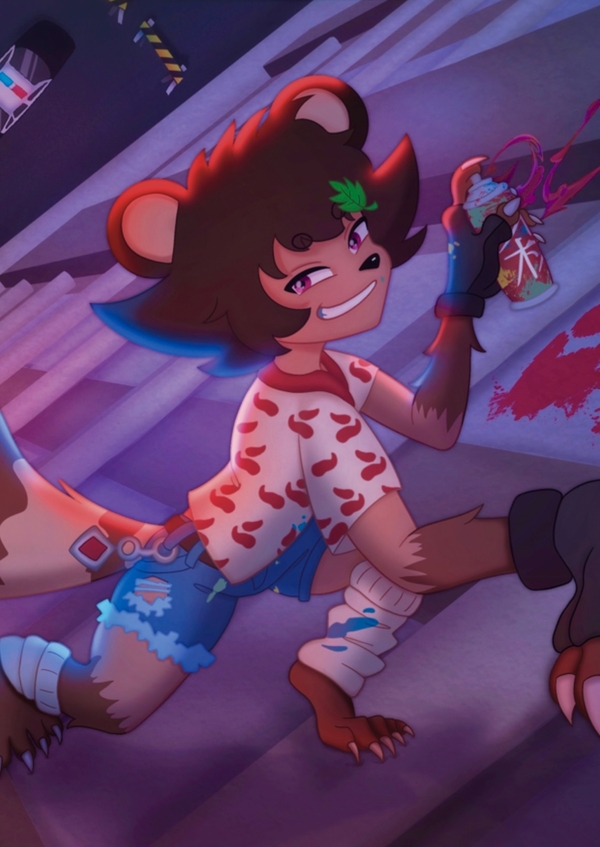
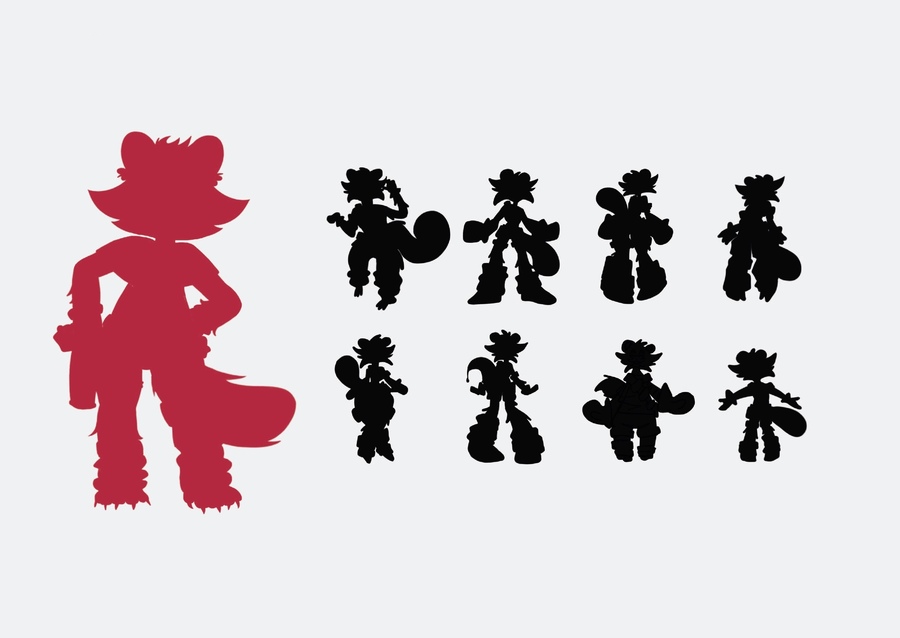
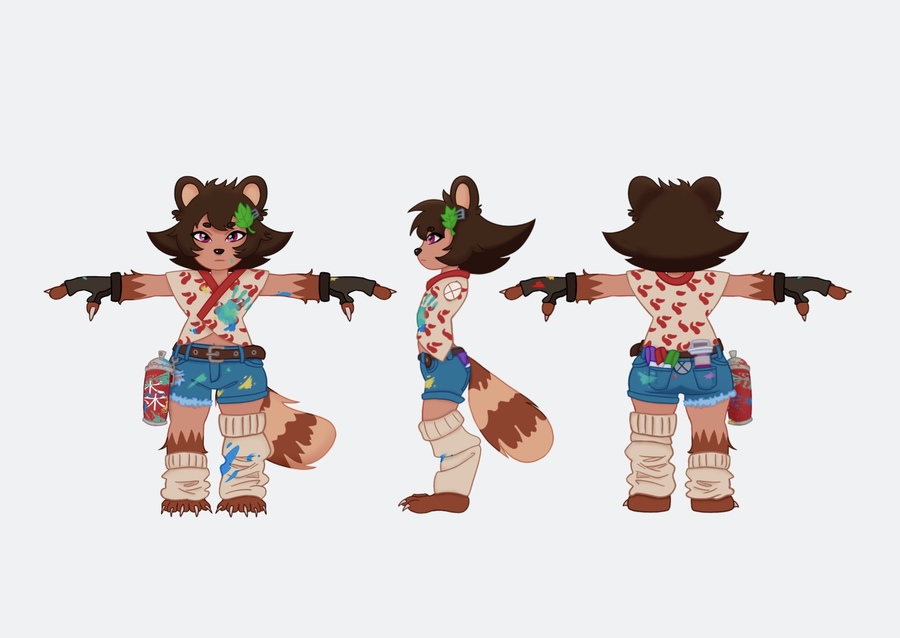
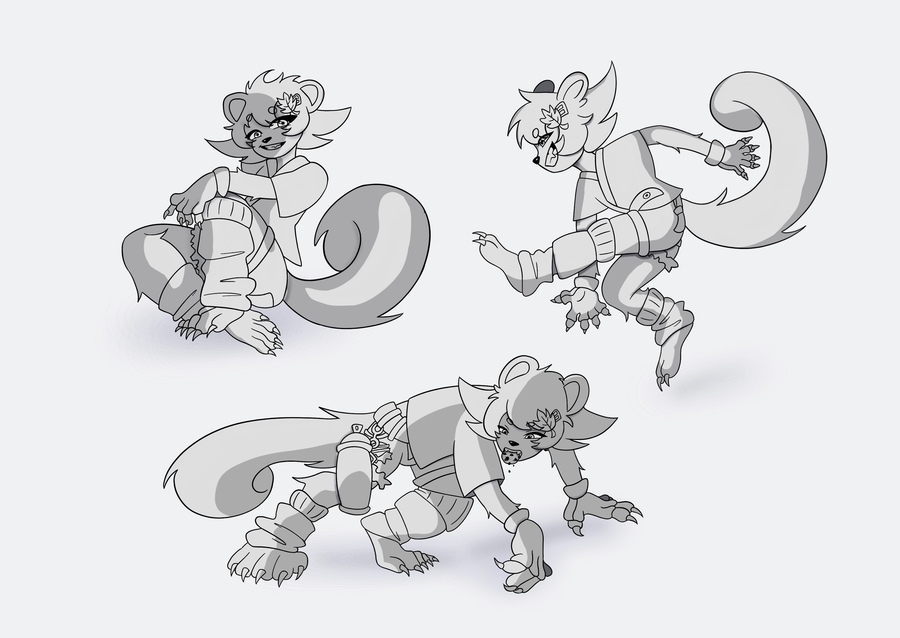
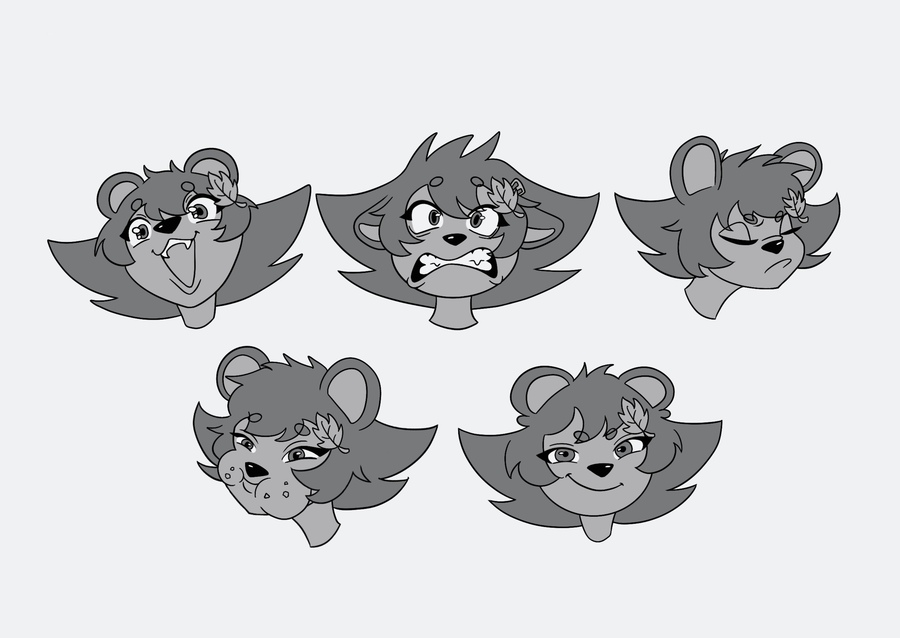
MORIKO Character Concept ArtThe Brief: Develop concept art for Moriko, an anthropomorphic tanuki graffiti artist, detailing her look, expressions, and movement to prepare her for 3D modeling. The Idea: Who is Moriko, and how does she look like she belongs on the streets? The concept begins with the tanuki—the shapeshifting trickster of Japanese folklore—and reimagines her as a playful, rebellious street artist. Her design balances folkloric charm with urban attitude, allowing her personality to register instantly, even before she speaks. The Solution: I designed Moriko through a complete concept art package: a splash art piece that conveys her attitude and world, T-pose turnarounds from front, side, and back to lock in her proportions, costume, and details, an expression sheet exploring her emotional range—from mischievous grins to the fear of getting caught by the police—and action pose sketches that test her movement, climbing, and spraying. Together, these elements define her silhouette, personality, and style in a clear, consistent manner that a 3D team can follow. The Outcome: A cohesive character design that establishes Moriko as a distinct and memorable personality.
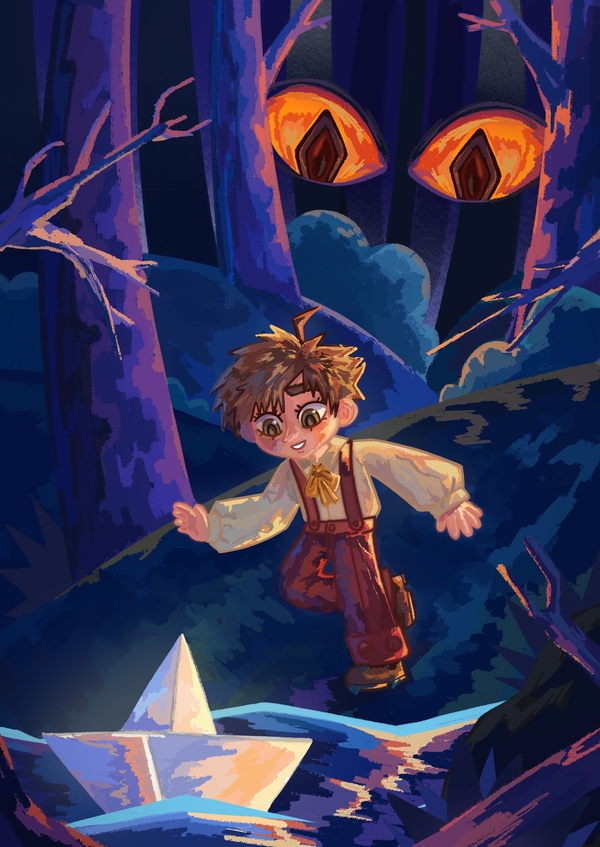
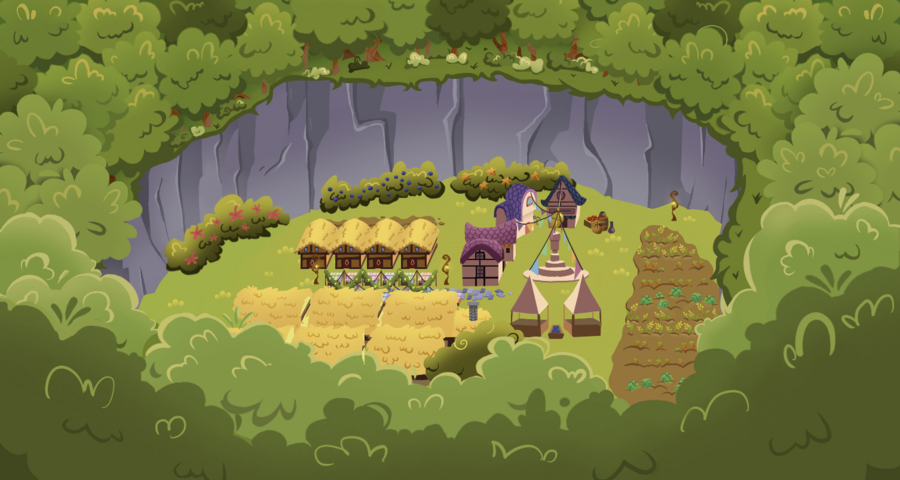
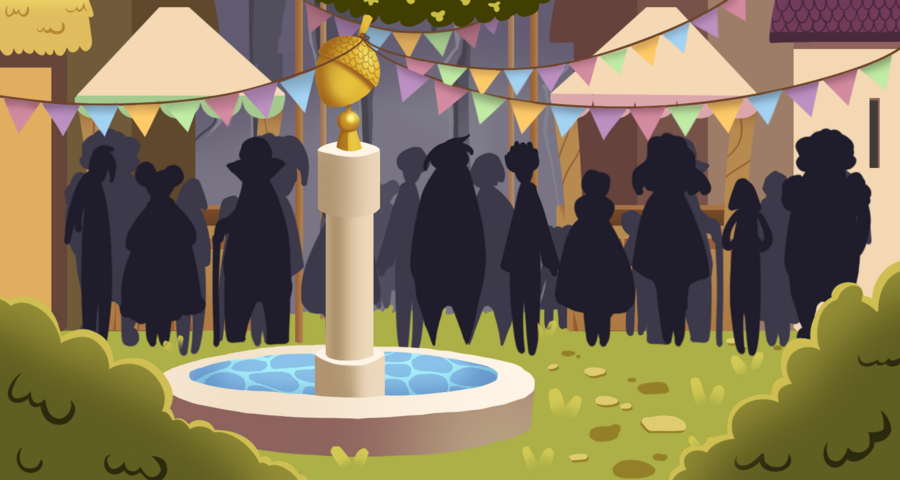
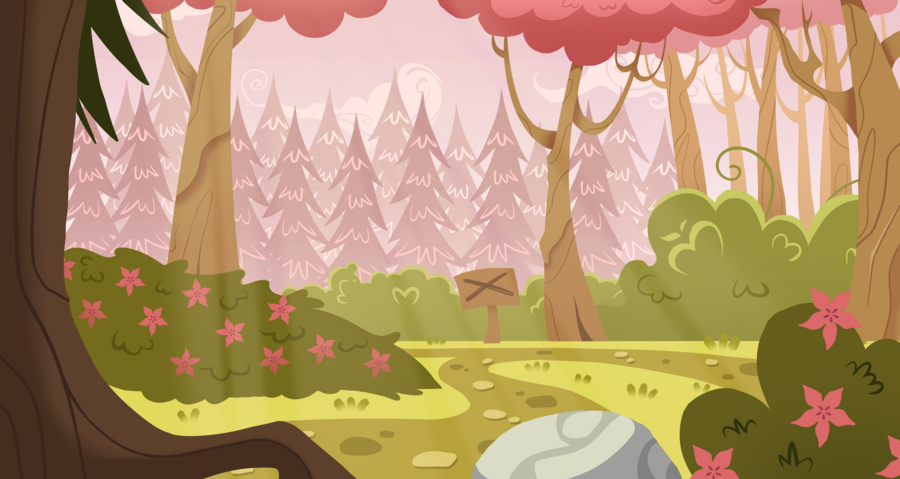
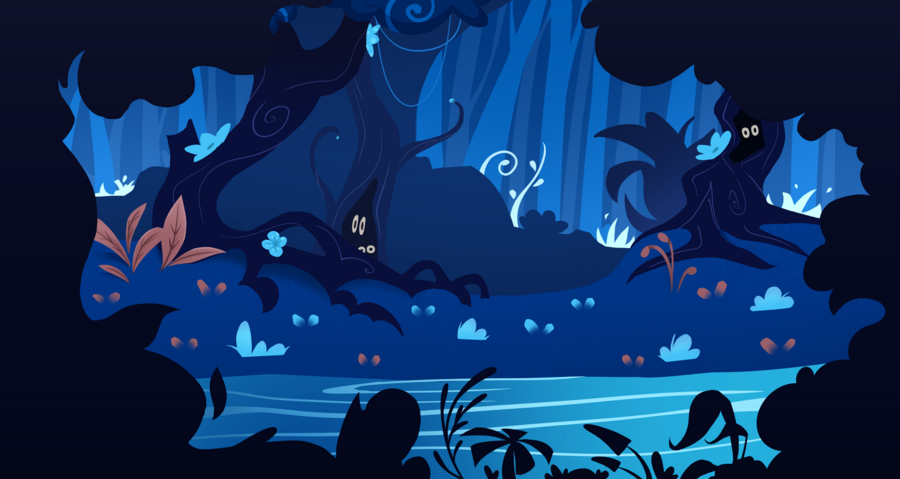
AIWA Environment Concept ArtThe Brief: Develop an environment concept art package for a fantastical town that worships luck, hoping to keep the spirits at bay—delivered as four key paintings that establish its geography, culture, and mood. The Idea: What would a town look like if its people believed luck was the only thing standing between them and the spirits? The concept places the town inside a crater, sealed off from the outside world by walls of rock and a dense forest crowning the rim. Beyond the town lies a forbidden forest where the spirits reside. The result is a place that feels mysterious and foreign, where devotion to luck shapes everything from the architecture to the festivals, and where safety and unease sit side by side. The Solution: I developed the world through four concept paintings, each with its own focus and mood: — The Town: An aerial view that shows the crater, the rock walls, and the forest on the rim, establishing how isolated and protected the town is. The acorn fountain statue anchors the layout, and horseshoes hang above the doors of the houses, so the theme of luck is apparent even from a distance. — The Square: A busy scene with a crowd gathered around the statue, which becomes the focal point. Colorful hanging decorations fill the space overhead, bringing energy, warmth, and a celebratory atmosphere to the luck festival. — The Garden: A calm, quiet retreat full of pink trees, where the main character escapes the chaos of the festival. The peaceful mood contrasts with the square, and it also functions as the threshold he crosses on his way to the forest. — The Forbidden Forest: A dark, mysterious forest painted in deep blues, where the spirits live. The cool palette and dense trees make it feel unknown and slightly threatening, in sharp contrast to the warm town. The Outcome: A cohesive set of environment designs that tells a story through place—moving from the warmth of the festival, to the calm of the garden, to the unease of the forest. Together they establish the world’s geography, culture, and tone, perfect for further 3D or 2D development.
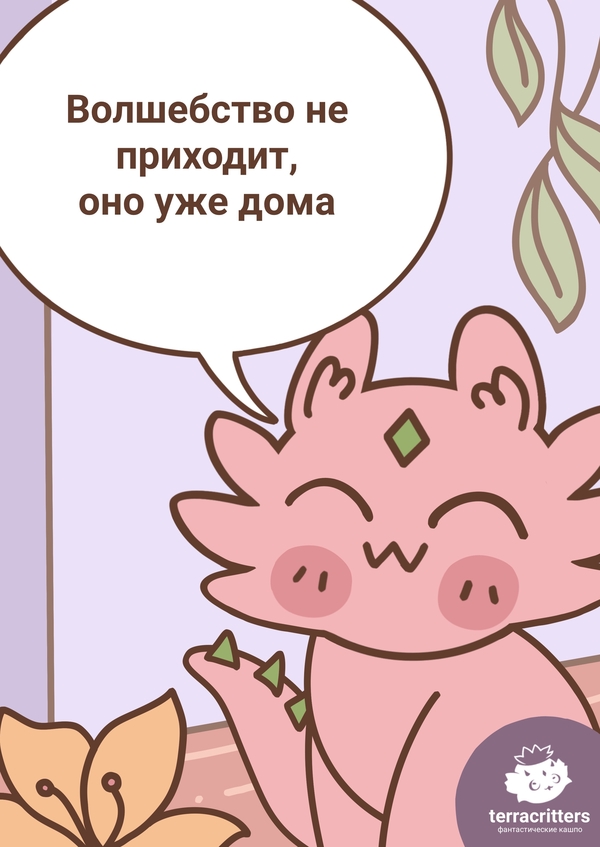
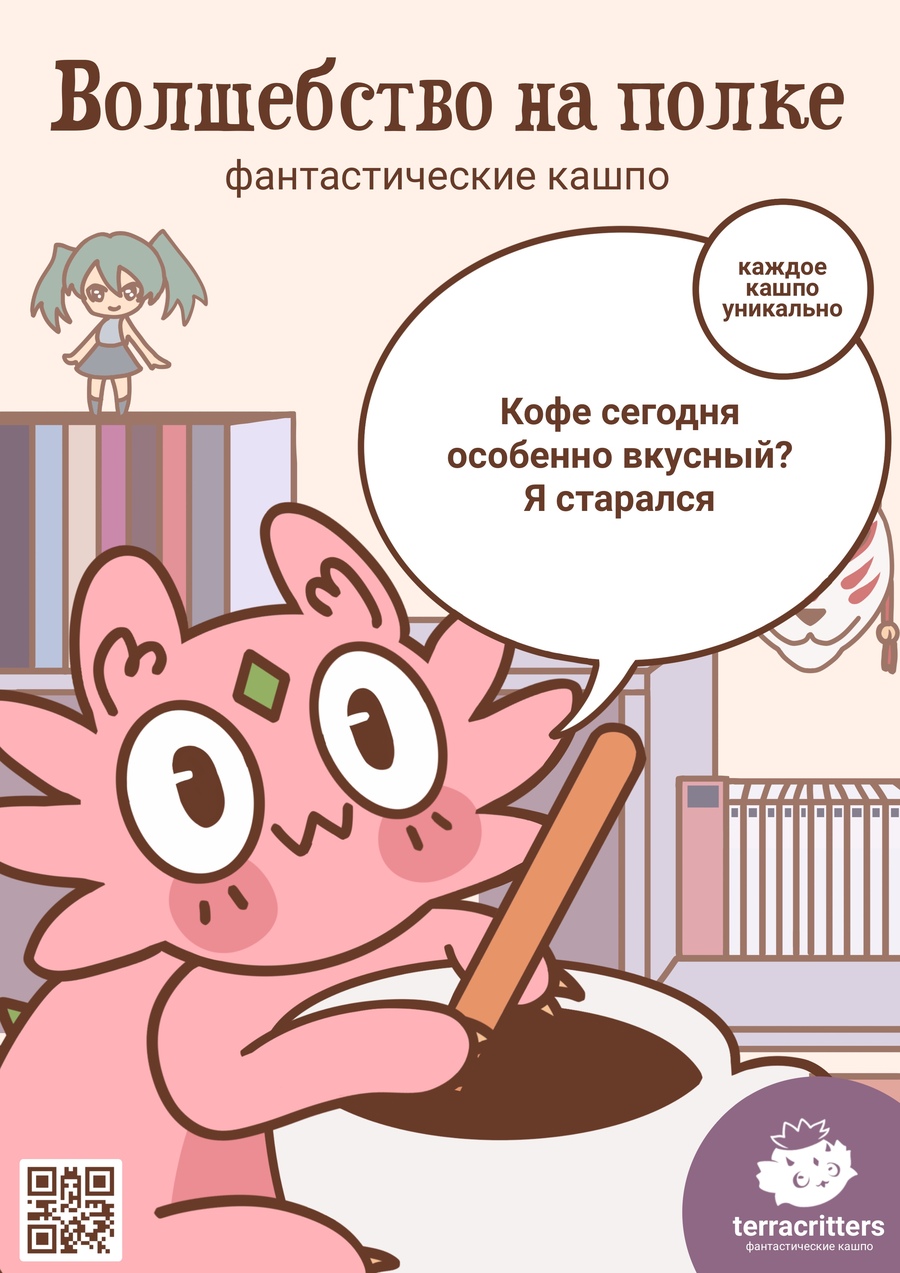
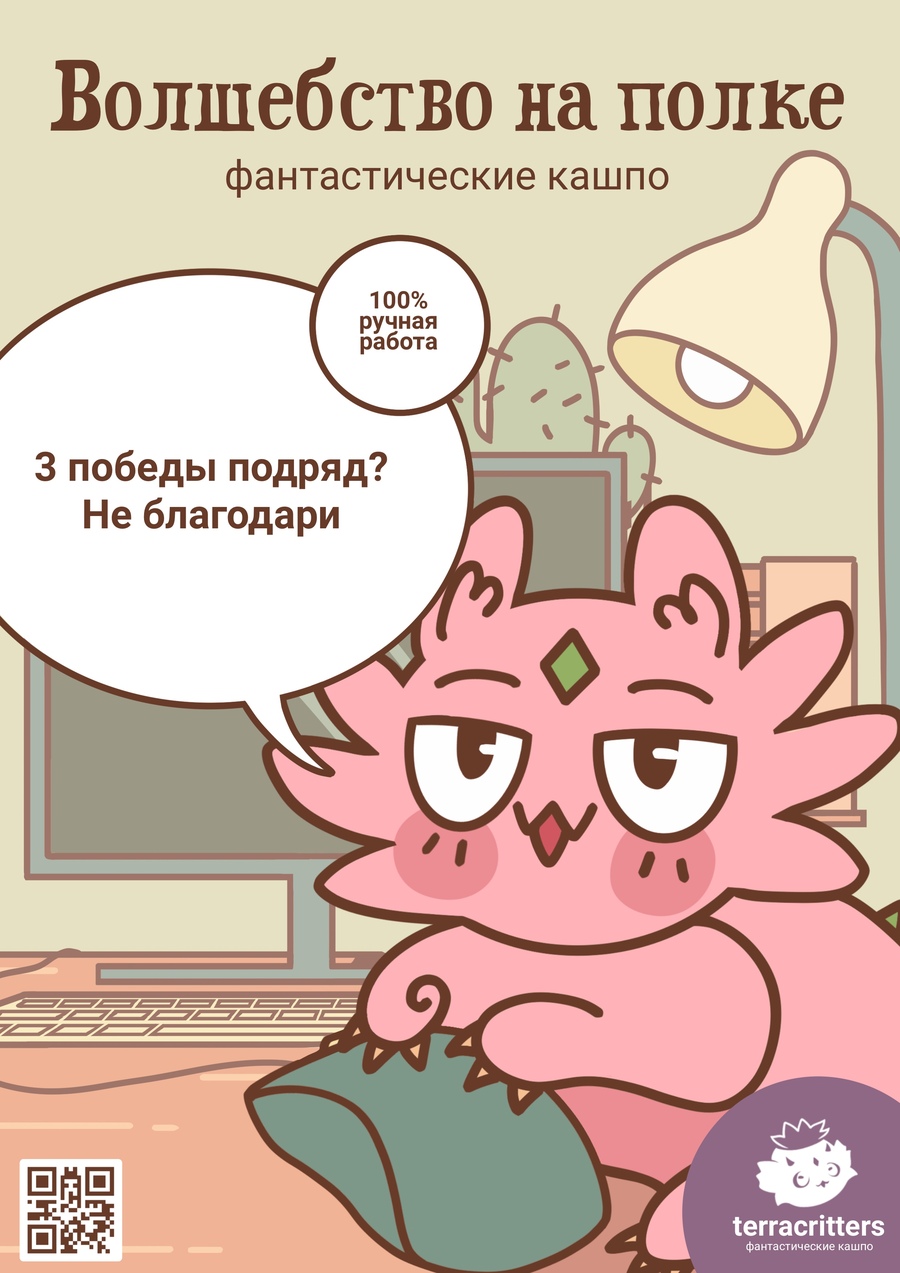
TERRACRITTERS Branding · IllustrationThe Brief: Develop a branding and illustration package for Terracritters, a line of handcrafted, whimsical planters shaped like magical creatures such as dragons, wyverns, almirajes, jackalopes, mews, and more. The project supports the growth of an existing business, STARMI.ART, through effective storytelling. The Idea: How can a planter bring a little magic into everyday life? The concept centers on whimsy and the idea that with the little dragon planter, you have magic «on your shelf.» The dragon becomes a playful narrator who points out the small things you usually overlook, framing them as if he were responsible: the coffee tastes especially delicious today, and he takes the credit. It turns ordinary moments into small, charming bits of magic, encouraging people to appreciate the little things. The Solution: I built a brand voice and visual identity around the character of the dragon, expressed through four illustrated posters and a set of social media posts. Each piece features the dragon drawing attention to a quiet daily pleasure, using short, witty copy that positions him as a mischievous companion rather than a mere mascot. The illustrations maintain the warmth and handmade charm of the planters themselves, ensuring the products and the storytelling feel like one cohesive world, and the format adapts seamlessly from print to social media. The Outcome: A cohesive, charming brand direction that gives STARMI.ART a distinct voice and a story customers can connect with. The campaign transforms a handcrafted product into an invitation to notice the magic in everyday life, and it serves as a flexible foundation for the brand’s future content.