«Do you need help?»
Portfolio of Fedotenkov Mihail
Welcome to our warm community
I am a game designer who models. That means I don’t hand off an idea and hope it survives—I build the world, and then I build the assets within it.My work begins with the person who will inhabit that world: what they need to feel, what they need to understand, and what the space around them should communicate without words. From there, I move to the practical side—layout, pacing, and the 3D assets that bring it to life.What I bring:Game Design — systems, level flow, and player experience.3D Modeling — game-ready assets that complement the design, rather than conflict with it.Narrative — the story that holds the world together and gives players a reason to stay.
Who I Work With: private clients and small teams who need one person to own the world from concept to asset—without losing the idea in translation.
My Projects
Master of Time
What would you say if a stranger on the street asked you about the wonders of this world?
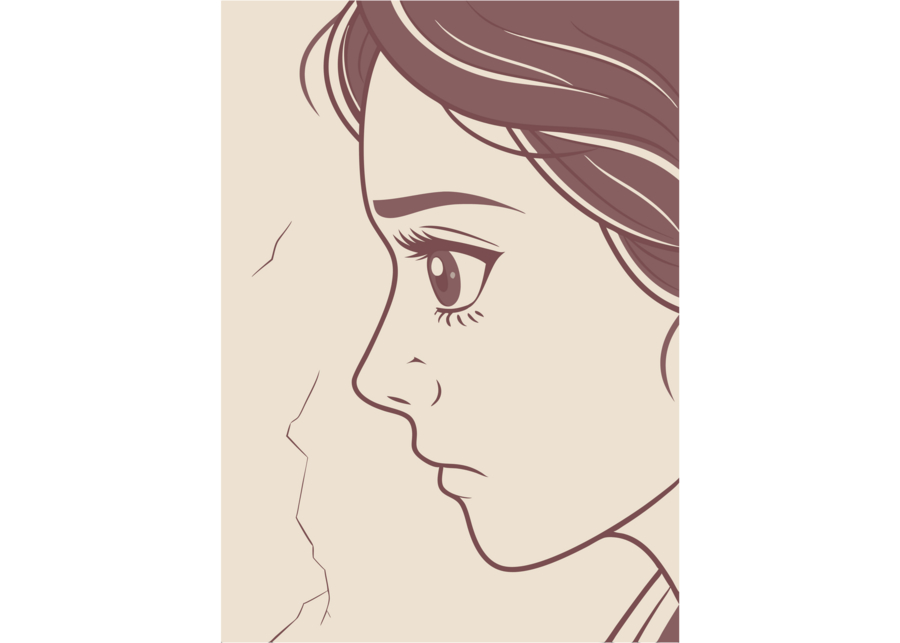
As part of my course, I was tasked with creating a text novel. I chose the mystery-thriller genre and built the story around a single question: what would you say if a stranger on the street asked you about the miracles of this world? That question became the entry point for Anna, the protagonist—and for the player.
The hardest part of a text-only story is maintaining tension without visuals. I couldn’t rely on art or sound to carry the mood, so I built tension through structure: short choices, delayed consequences, and questions left unanswered long enough to pull the player forward. Every branch had to feel like a real decision—not a false one that looped back to the same spot.



Depths of Evil
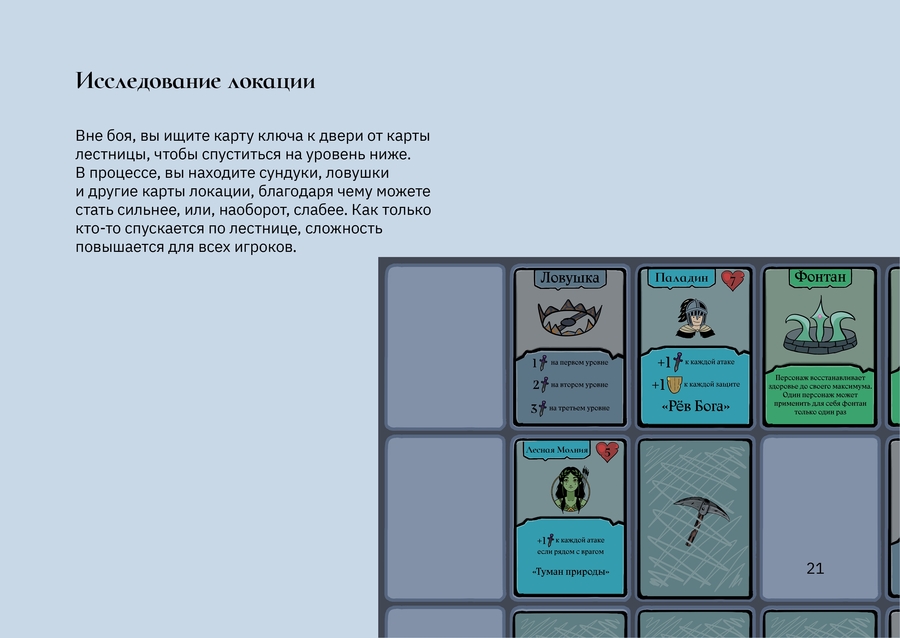
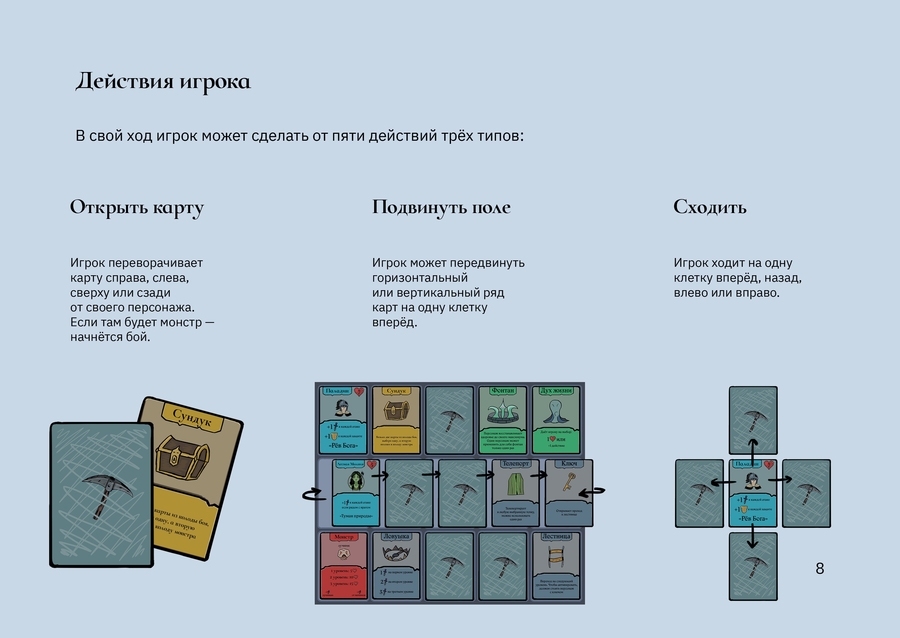
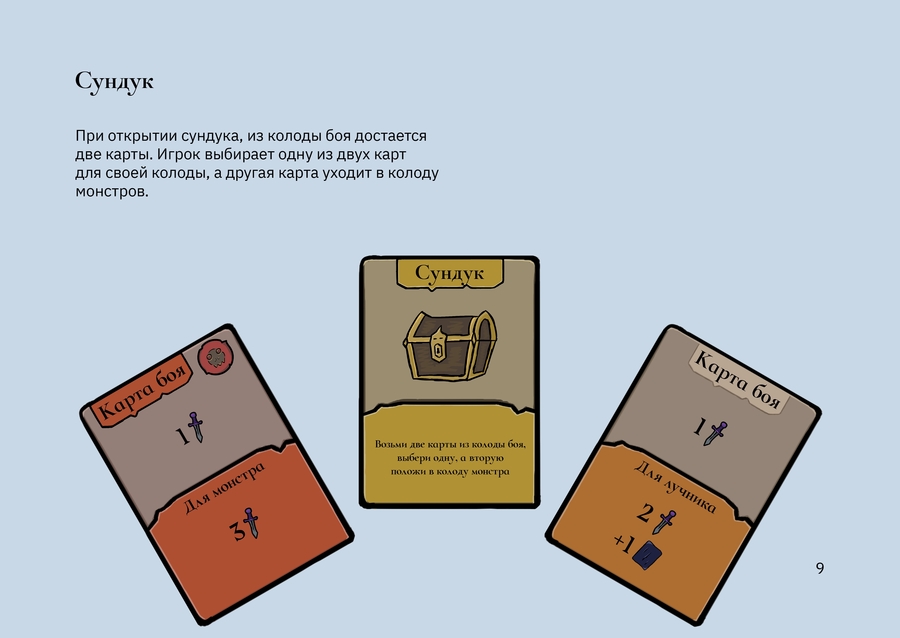
A team of adventurers descends into a cave to defeat the Dark Lord. But the cave doesn’t stay still—the players reshape it as they go. Every card they play changes the board, the deck, and the odds.
My colleague and I developed a board game for 2–4 players. The basic concept is cooperative dungeon crawling, where the cave itself is a dynamic structure, and the team must build their decks and abilities as the map evolves beneath them.
The hardest part was balancing two opposing systems: deck-building (where players grow stronger over time) and a dynamic board (where the environment rewards or punishes specific positioning). If the board changes too rapidly, decks never gain momentum; if it changes too slowly, the cave loses its vitality. I tuned the pacing so that early turns introduce the system, the mid-game compels genuine team decisions, and the final confrontation tests whether the team forged synergy—not just raw power.
Augmentics
O’raya