Concept
Dungeons & Dragons and Vampire: The Masquerade remain the most recognizable tabletop role-playing games—their imagery appears in film, television series, literature, and video games. Yet, they are more often discussed as rule sets or fan-created worlds. The evolution of the game’s protagonist and what the rulebook expects of them is examined less frequently. This work illustrates such a shift using the material from two rulebooks and explains it within the context of its era.

To provide a comparison, we have selected two games from different eras and genres: a heroic fantasy game from 1974 and a gothic horror game from 1991. The foundation consists of the rulebooks: the D&D 5th Edition Player’s Handbook and Vampire: The Masquerade, 1999 revised edition, as well as the anniversary edition. Theoretical support comes from the works of R. Guyau and Y. Heizinga. Historical context is provided by academic papers on the history of tabletop role-playing games.
What is a tabletop role-playing game?
A tabletop role-playing game is a game in which participants control fictional characters in a fictional world. One participant, the Game Master, describes the world and determines how the characters' actions conclude. The other players state what their characters do. The outcome of uncertain actions is resolved by rules and dice. Each player receives a character sheet: it records the character’s abilities, equipment, and traits. The second crucial element of the game is a set of polyhedral dice. The sheet shows who the character is, while the dice indicate whether their intended action succeeds. In chess, there is a winner and a loser. In a role-playing game, everything is different: the D&D rulebook explicitly states that there are no winners or losers in the conventional sense; rather, the group collaboratively creates a story.
D&D Origins
The origins of tabletop role-playing games are rooted in military simulations from the 19th and 20th centuries. Games such as Kriegsspiel and Chainmail utilized rules to model battles and required a game master to manage the play. In the early 1970s, Dave Arneson adapted Chainmail for individual character adventures in a fantasy setting. In 1974, Gary Gygax and Dave Arneson released Dungeons & Dragons, which shifted the focus from large-scale combat to individual hero development and the exploration of a fantasy world.
Dungeons & Dragons (1974): The Birth of the Game and Its Hero
Dungeons & Dragons became the first widely known tabletop role-playing game that allowed players to embody fantastical characters and co-create stories.
The D&D hero is an adventurer striving to explore dungeons, defeat monsters, find treasure, and earn renown. Their progression is achieved by gaining experience, leveling up, and acquiring new abilities.
The game world is filled with magic, dangers, and fantastic creatures. The hero acts as an active participant in the adventure, overcoming external obstacles.
The cultural context of the 1970s—tied to the popularity of fantasy and Tolkien’s works—helped shape the archetype of the heroic character. D&D provided a chance to become part of a fantasy world and achieve legendary feats.
D&D Gameplay: Rules and World
The gameplay revolves around the interaction between the Dungeon Master/Game Master and the players. The GM describes the world, controls the non-player characters, and determines the consequences of actions. The players make decisions for their characters.Core mechanics include:1) character attributes and skills; 2) dice rolls to determine action success; 3) combat system; 4) experience gain and leveling up; 5) world exploration and interaction with its inhabitants.Thus, D&D rules support character development, overcoming dangers, and achieving external goals.
various races (species) of D&D heroes
one of the main attributes of the d20 game dice
Between Games: The 1980s and Vampire Themes
The 1980s marked a period of expanded genre possibilities in tabletop role-playing games. Projects emerged that focused on horror, psychological conflict, and alternative gaming worlds. For instance, Call of Cthulhu (1981) shifted the emphasis from heroism to survival and the preservation of sanity.
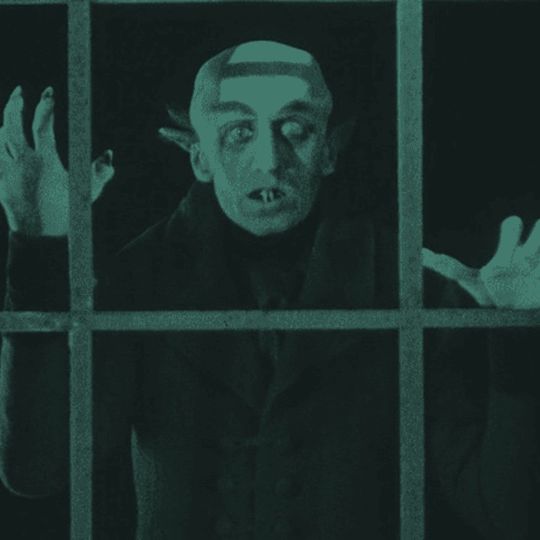
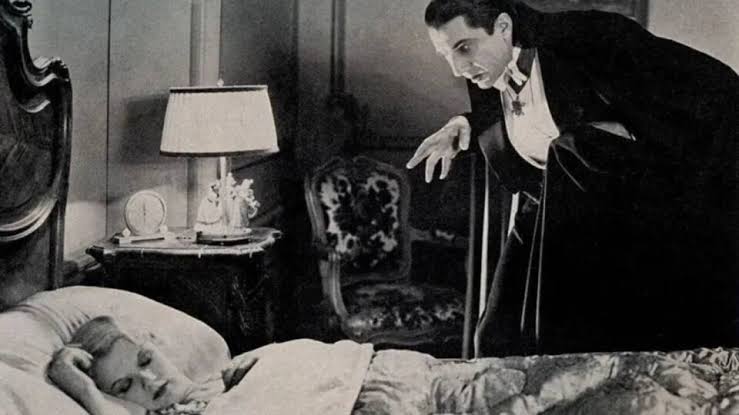
Simultaneously, the portrayal of the vampire in mass culture changed. Thanks to the works of Anne Rice and films like The Hunger (1983) and The Lost Boys (1987), vampires began to be depicted not only as monsters but as tragic, complex personalities.
The vampire archetype acquired traits of melancholy, loneliness, and internal conflict. This created a cultural foundation for the emergence of a role-playing game where a player could embody the monster and explore its inner world.