The internet almost always promises the user the same thing: that you can find what you need here.

The link leads to the next page, the menu displays possible specializations, the button indicates an action, and the browser endeavors to make complex data transfer processes as understandable as possible. Even the word «navigation» implies that the digital space possesses some kind of map, within which one can determine their position.
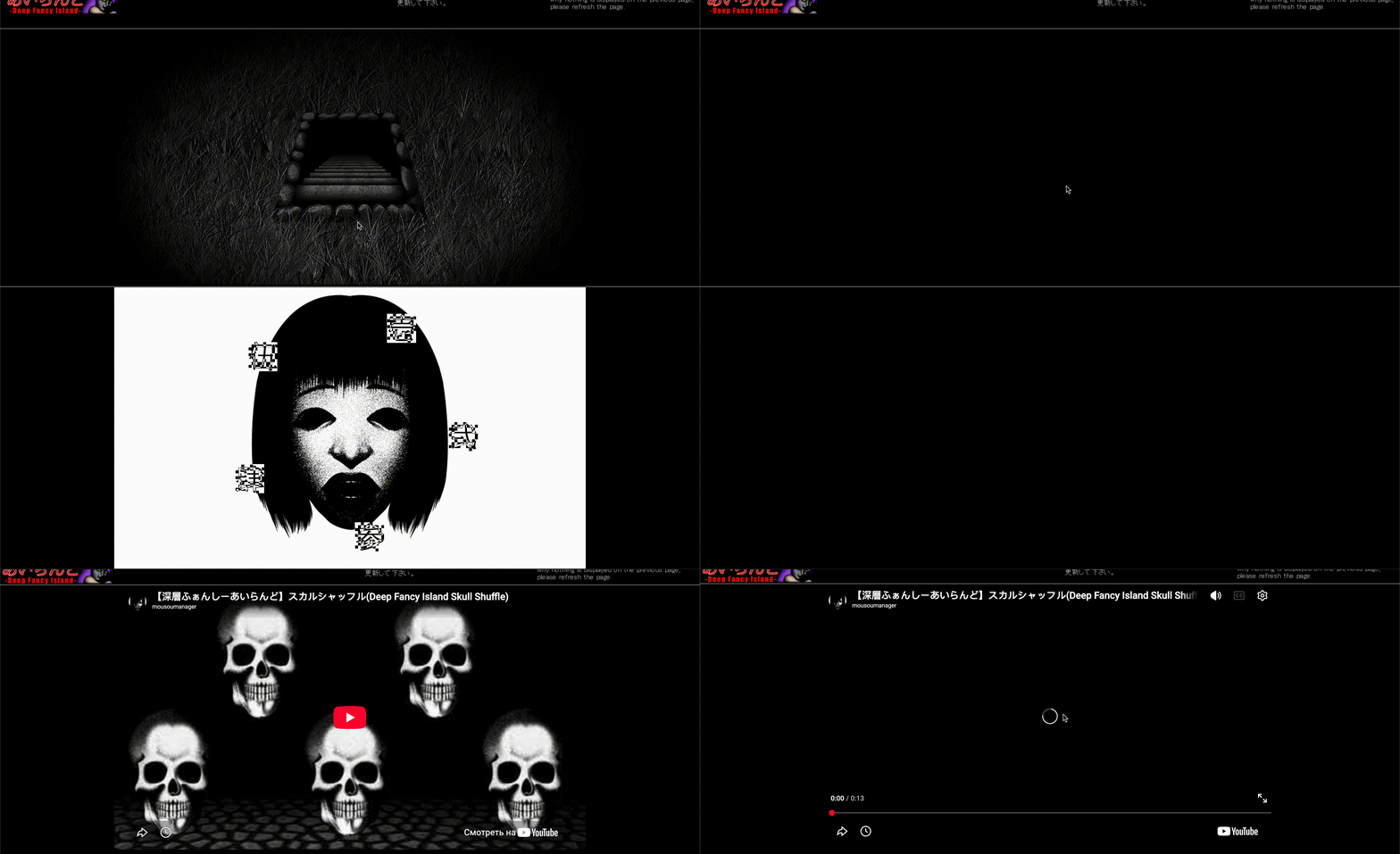
However, net artists discovered this inverse potential quite early on. While a conventional interface aids navigation, it can be manipulated to do the opposite: conceal a link, shatter the page’s hierarchy, compel one screen to generate another, transmute the author into a fictional persona, or render a hyperlink transition potentially hazardous. Consequently, the internet begins to be perceived not as a transparent medium for information transfer, but as a space with its own architecture—sometimes unpredictable, and even unsettling.
In this study, I examine four works where a sense of displacement arises differently:
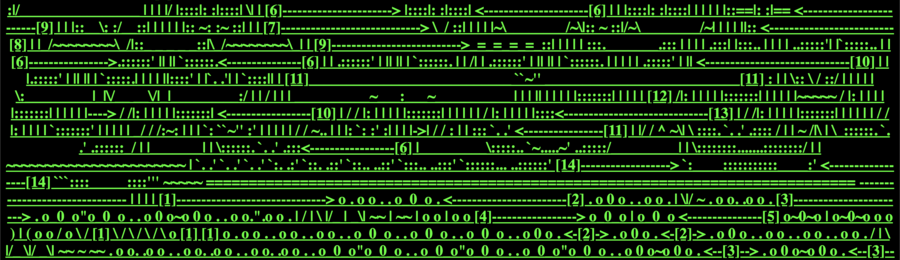
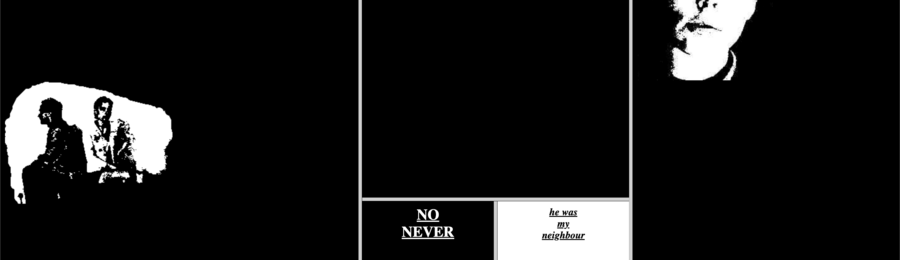
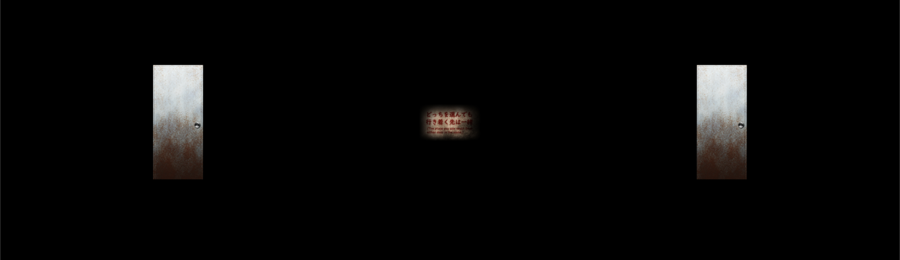
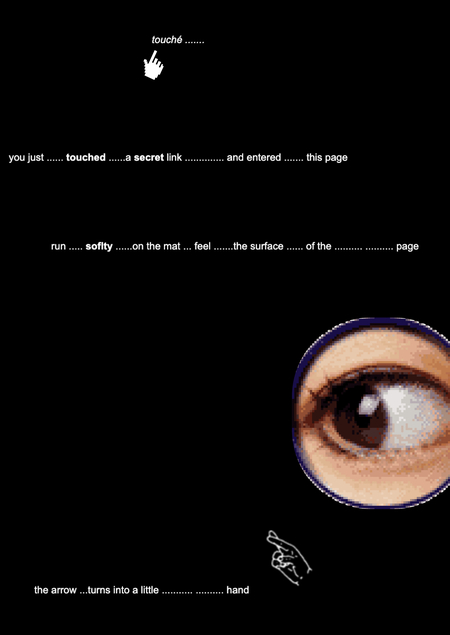
— JODI website wwwwwwwww.jodi.org (1995); — Mouchette.org (launched in 1996); — My Boyfriend Came Back from the War by Olia Lyalina (launched in 1996); — the Japanese browser horror Lomando.com / Fancy Island, which has existed as a public web project since 2010.The first three belong to the canonical history of early Net Art; the latter emerged significantly later, situated at the intersection of browser art, web gaming, and internet horror.This difference allows us to see how techniques from early Net Art continue to function within the new digital culture.