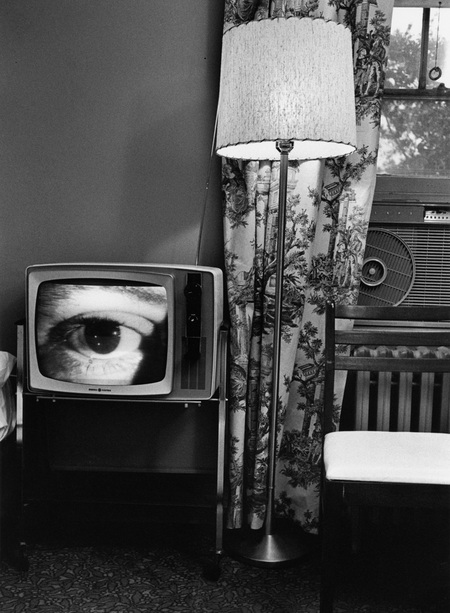
The 1960s begin in a state of crisis following post-war euphoria and a re-evaluation of established standards. Previously, the photographer worked for society, functioned as an agent of ideological institutions, and aimed to express universal human truths. Now, however, they increasingly lean toward declaring an individual viewpoint—a personal stance. This shift isn’t merely about the emergence of the subjective photographer. This very figure only becomes necessary when the stream of visual information attains unprecedented universality, and the reserve of artificially received, secondhand visual impressions within society reaches critical mass.
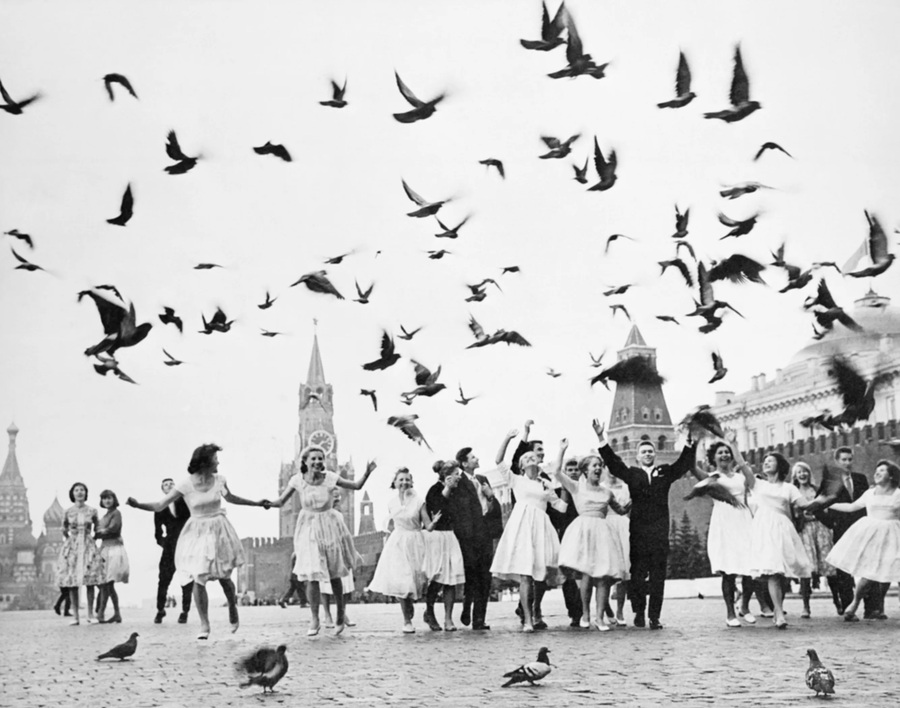
Vladimir Lagrange. Pigeons of Peace. 1962
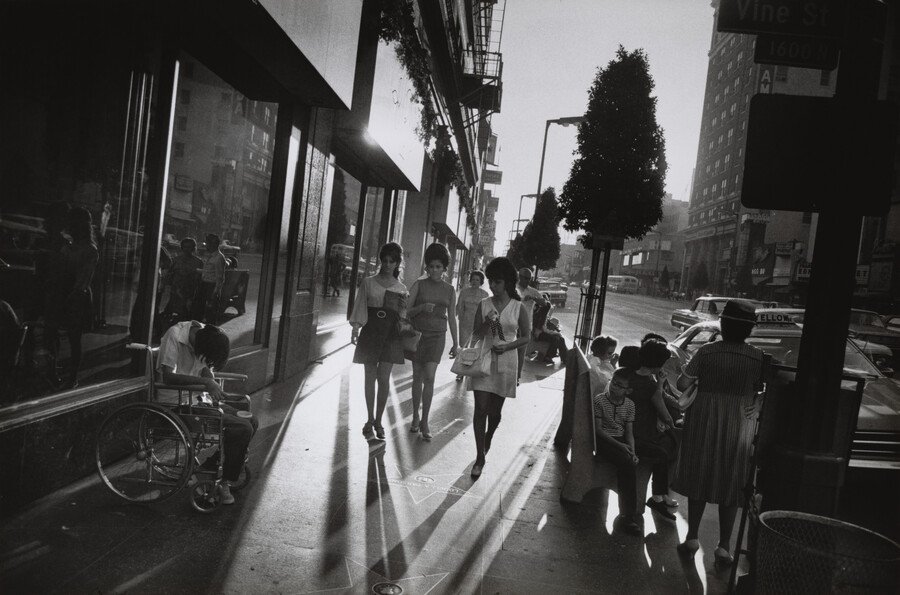
Harry Winogrand. Los Angeles, California. 1969
The 1960s are almost a mirror image of the 1920s. It seems as if humanity was given the chance to repeat history only to decisively break away from it. But in reality, for the 1960s, the rejection of tradition becomes a form of engagement with it. The prefix «neo» attaches itself to many phenomena of the era, yet neo-mania precisely points to continuity. The 1960s approach the past critically—through interpretation and correction. This is progress—a new religion for humanity.
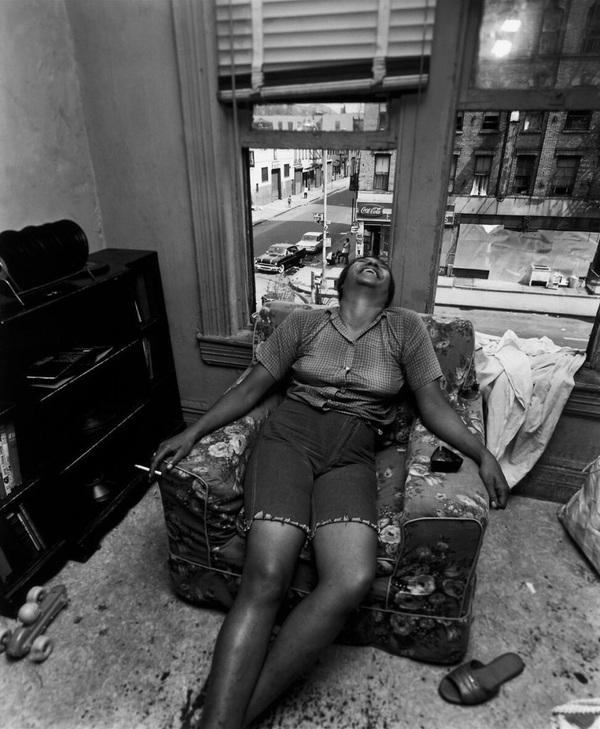
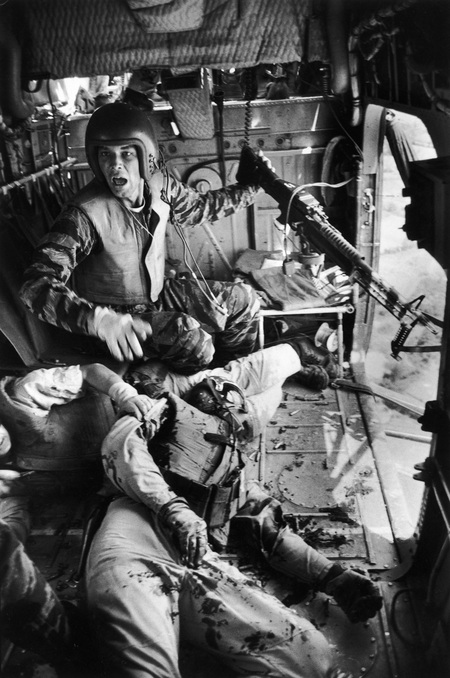
Bruce Davidson. From the «Eastern 100th Street» project. Harlem, New York. 1966 Larry Burrows. From the photo essay «One Raid with Yankee Papa 13.» Vietnam. April 16, 1965
Progress is positive, meaning that the negativity and subjectivism ingrained in the world views of the era are not absolute. The critical interpretation does not have the ultimate goal of destruction, but of harmonious transformation; like careful and clear sight, it makes inconsistencies, stereotypes, and prejudices evident. What is destroyed, if anything, are incorrect connections and relationships. It is these relationships—formalized in individual opinions and behavioral acts—that affect things, affect the world. They impact the given, what already exists, and inevitably, the past, history, and tradition.
Harry Winogrand. New York Aquarium. Coney Island, New York. 1967
Bruce Davidson. Wales (Boy with a stroller). 1965
The 60s begin in the latter half of the 50s. This period follows a crisis born out of post-war euphoria and a reevaluation of established standards. This shift is particularly dramatic in the United States. Changes in the public atmosphere decisively influence photography. Where previously the photographer worked for society, functioning as an agent of ideological institutions and striving to express universal human truths, the photographer increasingly trends toward declaring an individual viewpoint—a personal position. The emergence of the subjective photographer is not merely a matter of style. This figure is necessitated only when the flow of visual information attains unprecedented universality and when the reserve of artificially, second-hand viewer experiences accrued by society reaches a critical mass.
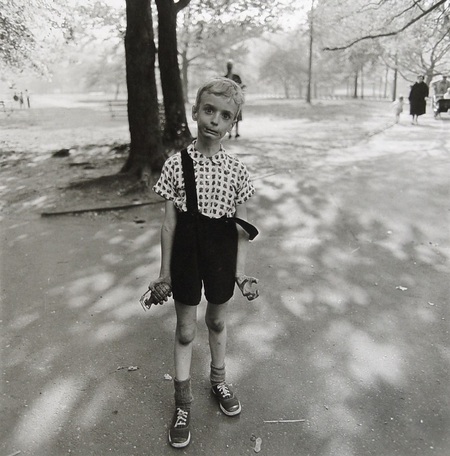
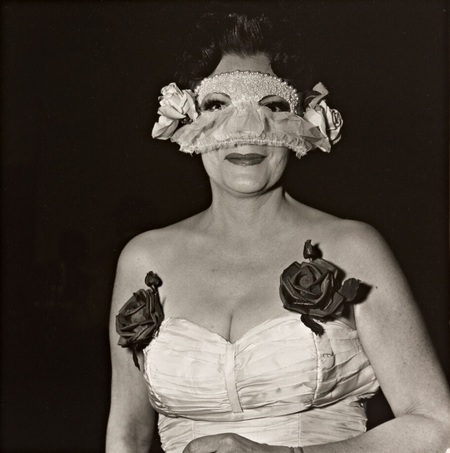
Diane Arbus. Boy with a toy grenade in Central Park. New York. 1962 Diane Arbus. Woman at a masquerade ball with two roses on her dress. New York. 1967
Civilization is crossing a threshold beyond which the human relationship with the world ceases to be direct. The «second reality”—a construct manufactured by society for itself—displaces the first. Industrial civilization is entering its final phase, where any sense of „naturalness“ becomes impossible outside of a mediating cultural framework. The material world encountered by the urbanized person is always made by someone; everything already has a history, possessing a meaning embedded within it from the past.
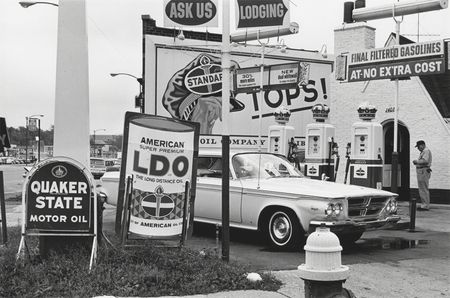
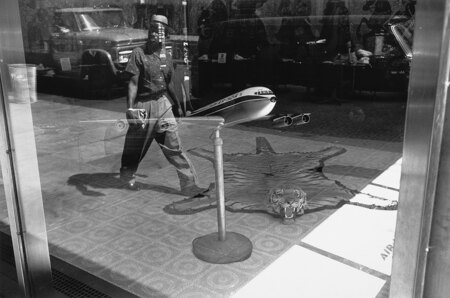
Lee Friedlander. Detroit. From the series «New Cars.» 1963–1964 Lee Friedlander. New York. 1965
Therefore, any understanding now requires preliminary demythologization. Fashionable structuralism is preoccupied with studying the architecture of the myth, and its sociological application is engaged in reducing mythological constructs to their primary components. The culture of progress has not yet disappointed itself and is focused on intensified production of new structures; however, the innovation lies not in forgetting history, but in intensifying it—in the rational transformation of the old into the new.
Nina Sviridova, Dmitry Vozdvizhensky. Two on the Island. Estonian SSR. 1965
Larry Burroughs. U.S. Marine Corps Private during Operation Prairie. Vietnam. 1966.
The expanding layer of superfunctional photography depicts the realism traditionally inherent to this medium, a phenomenon of naive consciousness, and displaces it. The sanctuary of immediate realism is now amateur or socially functional photographic activity. It takes the form of a machine of mythology (ideology)—a nature-like, unconscious production of images: everything the material in abundance provides the photographer as a creative individual. The figure of such a photographer once again approaches the figure of the artist. Simultaneously, both gravitate toward a third figure—that of the humanistic intellectual engaged in the critical interpretation of surrounding life.
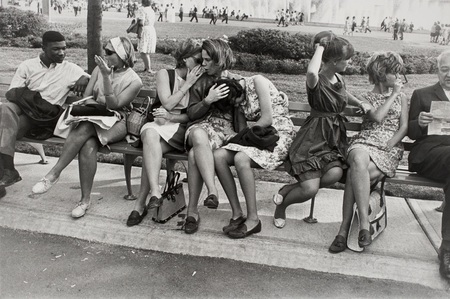
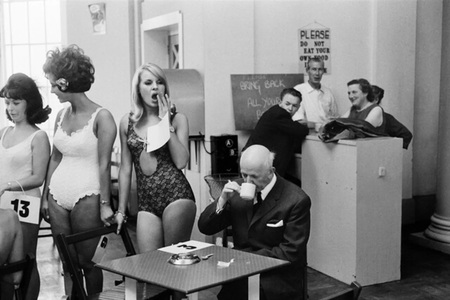
Harry Winogrand. World’s Fair. New York. 1964 Tony Ray-Jones. Beauty Contest. Southport, England. 1967
This intellectual, much like the innovators of the 1920s, converts practice into project-based activity. However, the previous project was a form of utopia—a rigidly universalist organization. The current one is transforming into an individual version, a personal interpretation. The creator’s originality is sometimes still full of claims to truth, but in the context of a burgeoning multicultural consciousness, it is already losing its substantial ontological foundations.
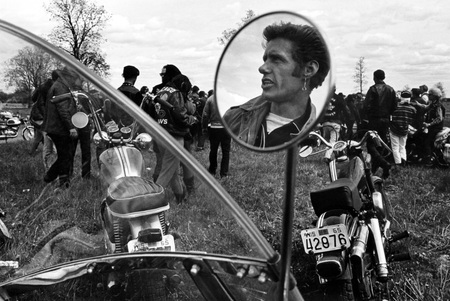
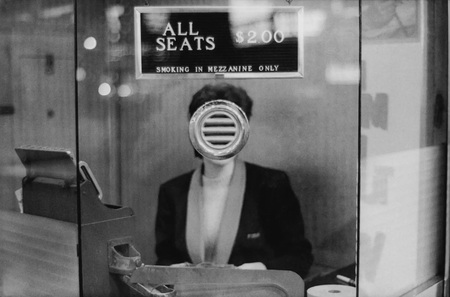
Danny Lyons. Elhorn, Wisconsin, USA. 1966 Joel Meyerowitz. Cinema lobby. Times Square, New York. 1963
Minimalism, which engages with the trope of the «final painting, ” pushes art right to its existential edge, while Pop Art and related movements conceptualize all artistic realizations objectually—whether as a ready-made/found object or a cultural cliché. In Conceptual Art, which was approaching its zenith in the following decade, this led to the understanding of any aesthetic phenomenon as purely a text.
Joel Meyerowitz. Miami Beach, Florida. 1967
Romualdas Rakauskas. The Architecture of Old Vilnius. 1964
For various neo-avant-garde movements, photography serves as the ideal technological substrate. This avant-garde rejects the outdated production of new objects and images in favor of an interpretive recomposition (deconstruction) of the old. It minimizes the material component of its own practice and, in its «temporary forms» (happenings, performances), transcends the limits of materiality altogether. To remain a phenomenon in art history, it increasingly requires the prosthetic support of documentation, which, as merely an image recalling a past event, remains the sole object acting as a material substitute for absent art.
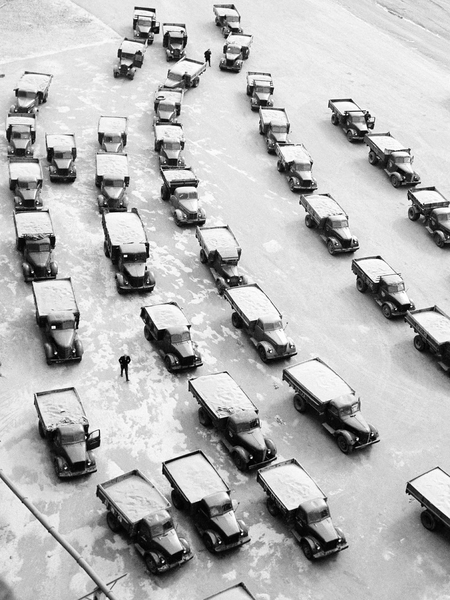
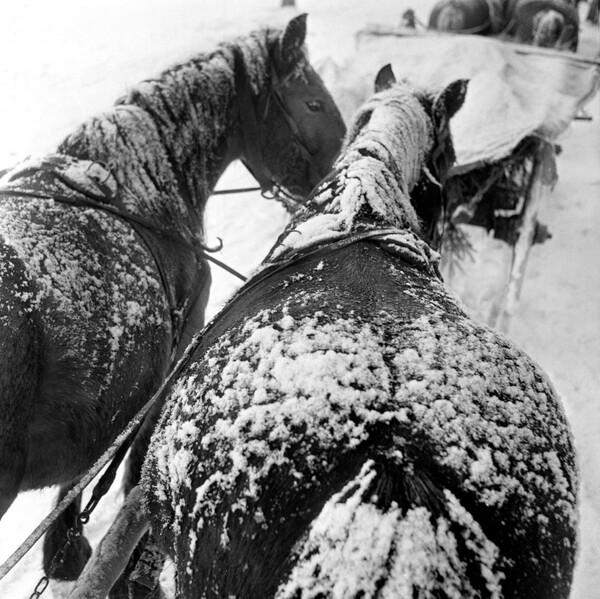
Yuriy Abramochkin. Bread of the Steppe. 1964 Audrius Zawadzikis. Untitled. From the «Winter» series. 1968
Avant-garde continues to require a subject, but only a subject «present in its absence.» This is found in photography (and later in video film). On the other hand, it is the anti-objectivity of radical art that renders it indifferent to the choice of technical foundation: any technique, given its distinctly defined texture, seems far removed from the ideal, and only photography, in its textural parasitism, appears to be a satisfactory compromise. In 1964, John Sharkovsky, director of the photography department at the Museum of Modern Art in New York, organized the exhibition «The Photographer’s Eye, ” in which artistic and functional photography were exhibited anachronistically, within a unitary-structural approach.
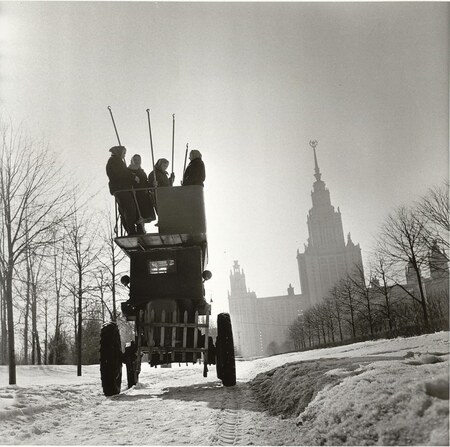
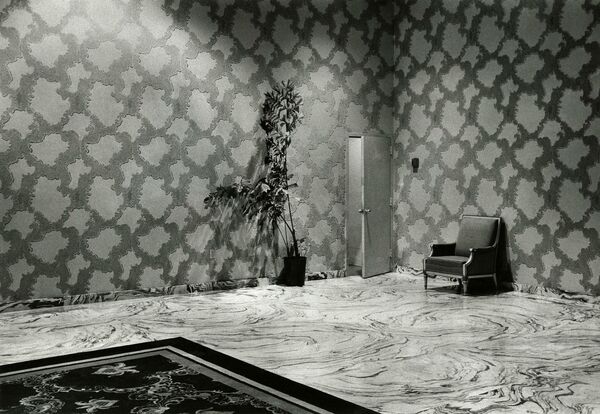
Victor Akhlomov. Lenin Hills. 1960 Elliot Erwitt. Miami Beach, Florida. 1962
Following this experiment, other important exhibition projects follow the trajectory of a new methodology, asserting an uncritical objectivity as the relevant standard for public perception. Photographic images are presented to the general public as a cutting-edge medium and, accordingly, gain the potential to become a fully realized work of art. In 1969, the New York gallery Lee Ultikin begins working exclusively with photography and achieves commercial success for the first time in this risky endeavor. In the following decade, other American and European galleries emulate its example.
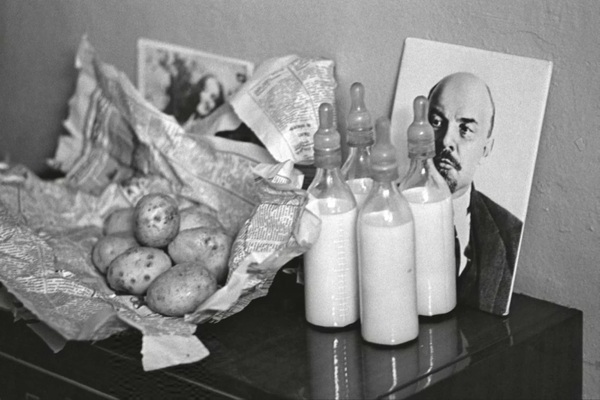
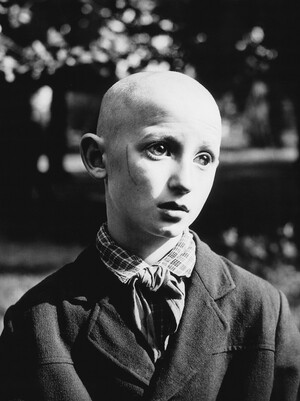
Vladimir Lagrange. Always with the people. 1969 Antanas Sutkus. Blind pioneer. 1962
Just as in art, the opposition of kitsch versus avant-garde gives way to a symbiosis between neo-avant-garde and popular culture, in the field of photography, amateur, fine art, and functional photography become closely and contradictorily intertwined. They emerge as a subject of new public interest. Photography, by sharply elevating its social and aesthetic status, finds itself on the threshold of final recognition.
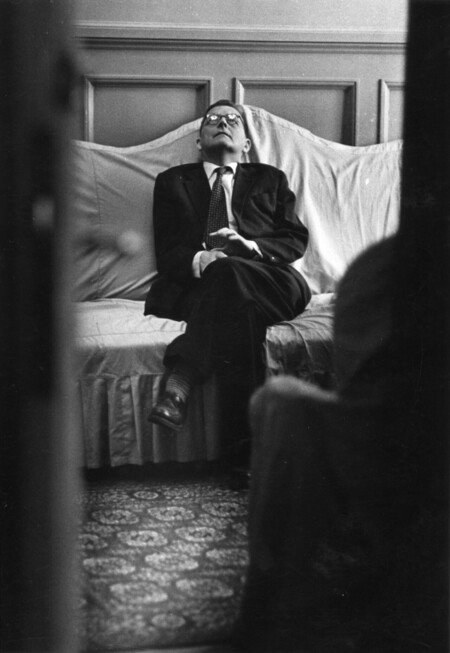
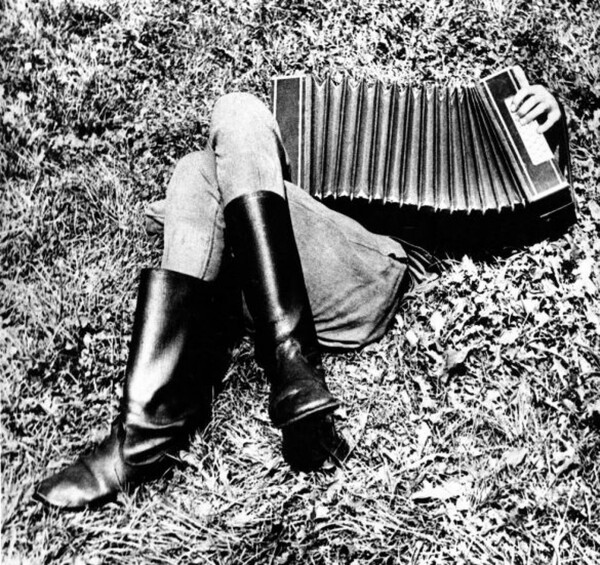
Allsvolod Tarasevich. Symphony No. 12. Portrait of Composer Dmitri Shostakovich. 1961 Vitaliy Butyrin. Untitled. From the series «Army Diary.» 1968







