Victoria Vorobyeva, 1st Year, Group B26UKI02. Visual research for the course «History and Theory of Culture and Communication»
«Drawn, engraved, and carved images from prehistoric times are threads stretching from past cultures. And we are outsiders trying to understand their meaning.» — Richard Leigh
Navigation
1. Concept 2. Hypothesis 3. The Cave as Space 4. Animals on the Walls 5. Signs and People 6. Light and Paint 7. Conclusion 8. Sources
Concept
In fifth grade, during history class, we were shown cave paintings, and at first, I just saw animals in them. Questions arose later: Who drew them? Why would they go deep into a cave with paint, where not a single ray of light penetrates, and how have these images survived until today? Through this visual investigation, I am trying to answer those questions.
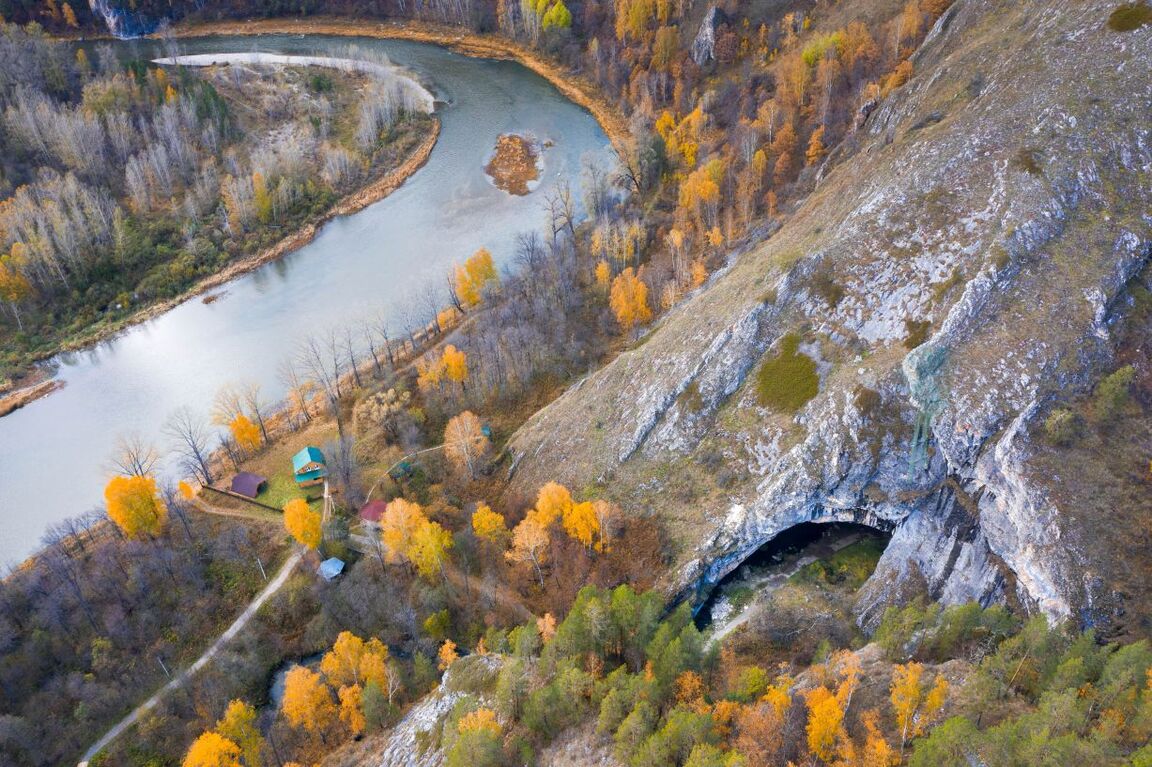
For my study, I chose the Shulgan-Tash Cave, or Kapova Cave, in the Southern Urals. Until 1959, it was believed that Stone Age cave paintings existed only in southern France and northern Spain. Then, it was discovered here—over 4,000 kilometers to the east. In 2025, the cave paintings were added to the UNESCO World Heritage List as evidence of the cultural and daily practices of the ancient inhabitants of the Southern Urals.
Art in the Dark: The Visual World of Shulgan-Tash Cave
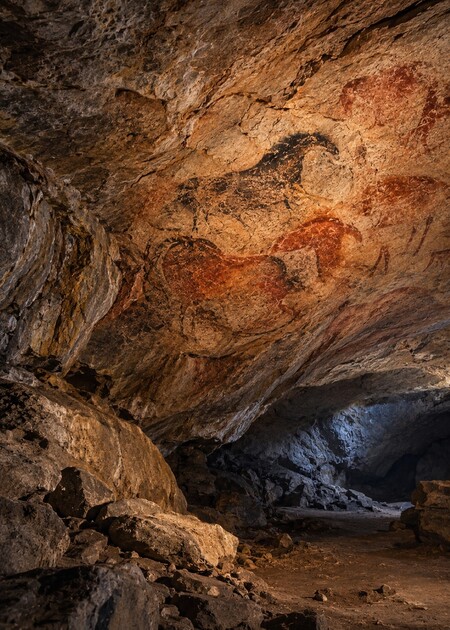
It is important to view prehistoric rock art not merely as a drawing on a wall, but as a trace of an encounter between humans, materials, space, and light. Images of animals reveal what the ancient person noticed. The paint and the rock surface tell us how they worked. Geometric signs suggest that these people possessed their own language of forms, the meaning of which we unfortunately do not yet know. And the darkness and cold help us imagine the significance of each artwork!
Hypothesis
My hypothesis: the Shulgan-Tash drawings tell us not only about art, but also about the lives of Upper Paleolithic people—their skills, visual thinking, and how they interacted with the world around them.
At the same time, I understand that we can no longer know the exact meaning of every drawing. Therefore, in each chapter, I separate what is visible and proven from what can only be presumed. For example, the image of the mammoth proves that someone drew it, but on its own, it doesn’t prove that it was used in a hunting ritual.
The research progresses on a principle of gradual human approximation: from cave space to images, from images to materials and techniques, and from those to the question of what people and their society were like. This research sits at the intersection of archaeology, art history, anthropology, and visual studies.
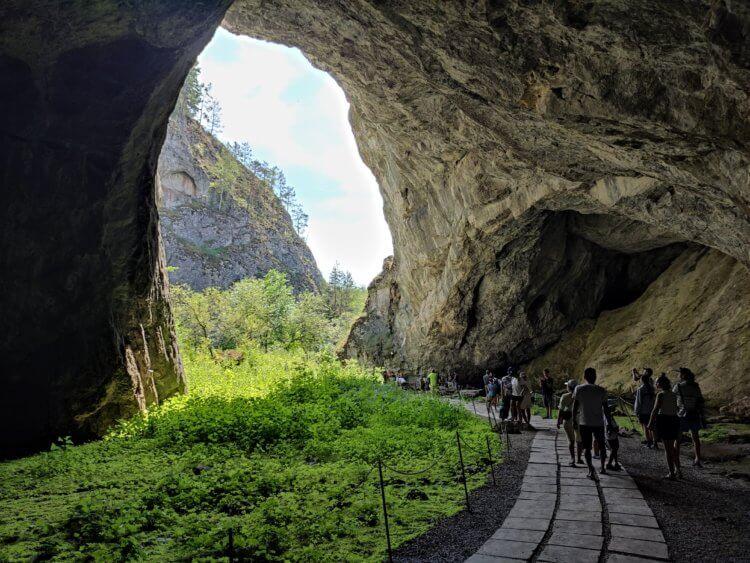
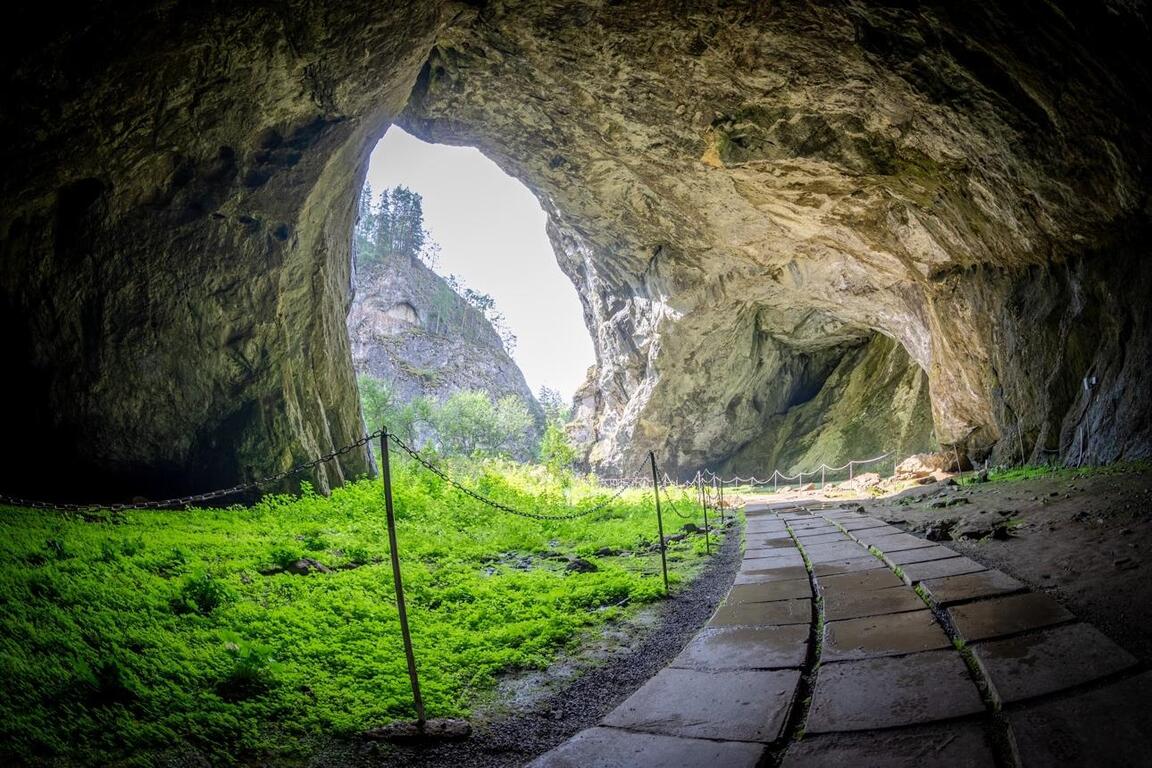
The Cave as a Space