When Protest Becomes a Commodity
Противоречия между социальными идеями, производством
и коммерческой ценностью в дизайне XIX–XX вв.
Research Concept
Design frequently serves as a means to challenge the established order. Throughout different historical periods, designers have opposed impersonal mass production, the inaccessibility of quality objects, the rigid rules of functionalism, and the culture of excessive consumption. Yet, over time, ideas intended to change the system could become integrated into it. Experimental forms transformed into recognizable styles, and critical objects evolved into expensive commodities or status symbols.
At the core of this inquiry is the contradiction between the designer’s initial intent and the subsequent life of the created object. Why does the attempt to make things more accessible sometimes result in a high price tag? How does a form meant to disrupt aesthetic norms become a commercial advantage? And does the sale of a critical object signify the loss of its original idea? These questions allow us to examine design not just as a history of styles, but as a history of changing meaning, function, and value.
The study spans the period from the second half of the 19th century to the end of the 20th century. It was during this time that the relationship between design, industry, and the market was repeatedly reevaluated—from defending craft labor and searching for mass production to critiquing consumption and experimenting with object form.
The primary methodology involves visual comparison of specific design decisions. The analysis covers form, ornamentation, structure, material, production technology, and methods of object presentation. Historical images, blueprints, promotional materials, and later editions help trace how the context of the object’s perception changes. Furthermore, objects are compared not based on coincidental external similarity, but on a shared objective—for example, the manner in which accessibility is achieved, the use of surface decoration, or the transformation of a provocative image into a trademark.
The distinction between commercialization and inversion is particularly significant. Since design is inherently linked to production and sales, bringing an object to market does not automatically erase its critical content. Therefore, this study does not aim to prove that every protest is inevitably sold, but rather to determine under what conditions its meaning shifts.
Objective of the Work
To identify the mechanisms through which alternative ideas gain commercial and cultural value, and to establish when this development fundamentally contradicts the initial concept. Thus, the visual history of objects raises a broader question: can design critique a system while remaining a part of it?
Hypothesis
Protest ideas in design can acquire a meaning opposite to their original intent when the cost of alternative production limits accessibility, and authorship, unusual form, and cultural recognition become sources of commercial and status value.
I. BEAUTY FOR ALL—NOT FOR EVERYONE
Промышленная революция и потеря контроля над предметом
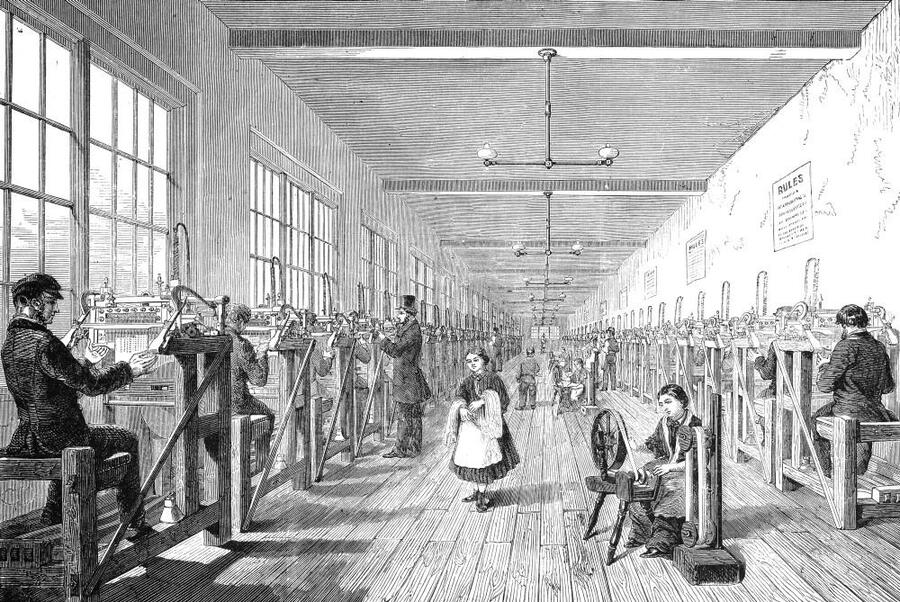
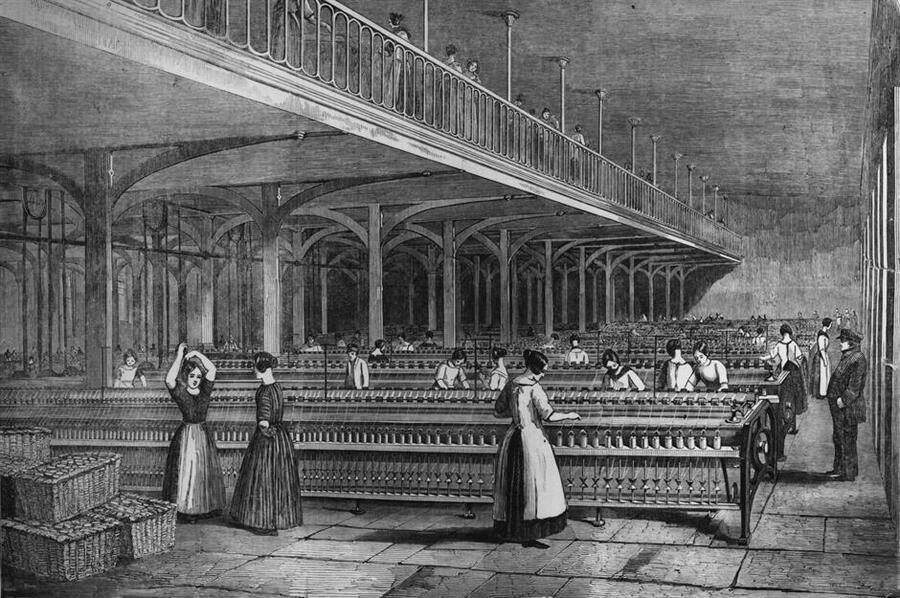
Factory and craft production of the 19th century.
In the 19th century, the growth of industrial production fundamentally changed how everyday objects were made. Mechanization and the division of labor allowed for greater output, but they simultaneously altered the role of the individual in the production process. The craftsperson, who previously participated in creating an object from beginning to end, increasingly gave way to the worker who performed a single operation. This shift prompted criticism not only of the artistic quality of industrial goods but also of the organization of labor itself.
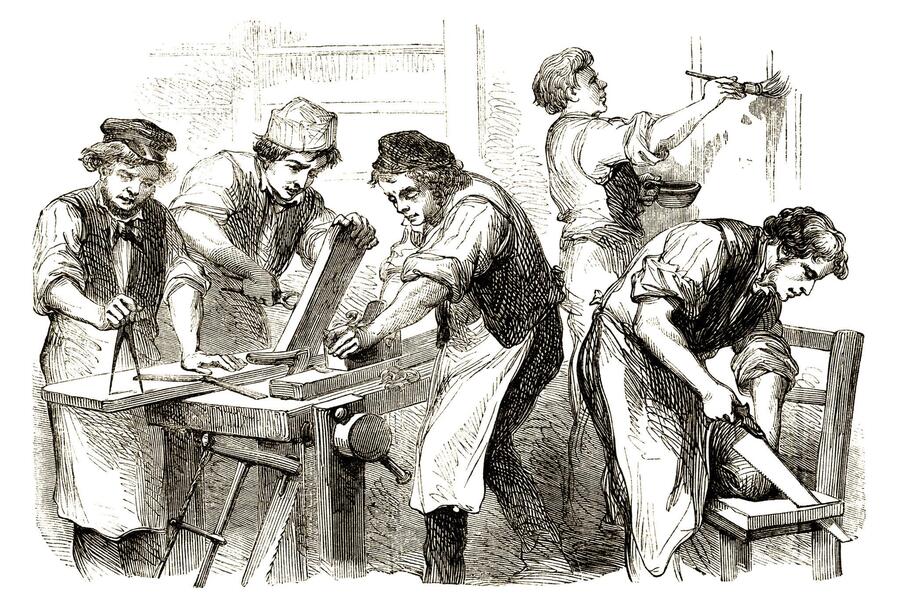
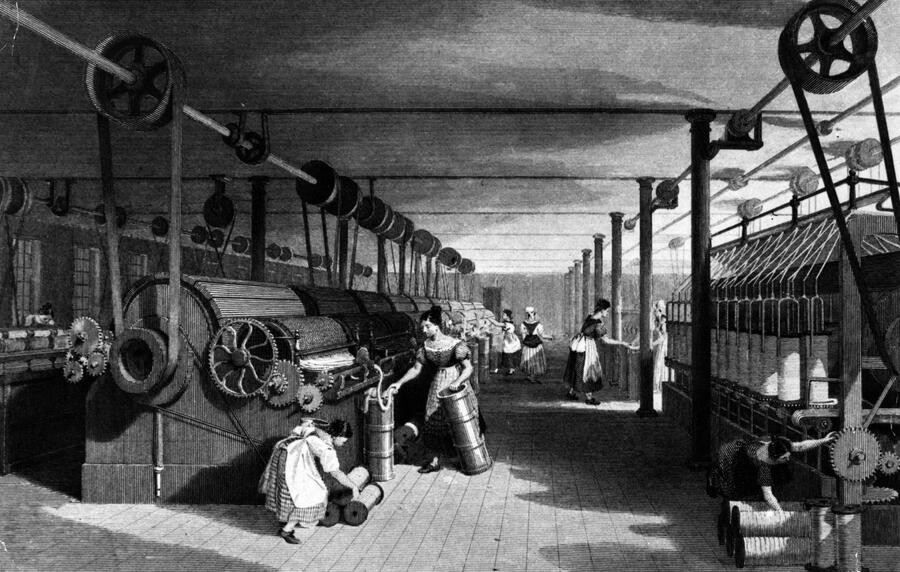
Factory and artisanal production of the 19th century.
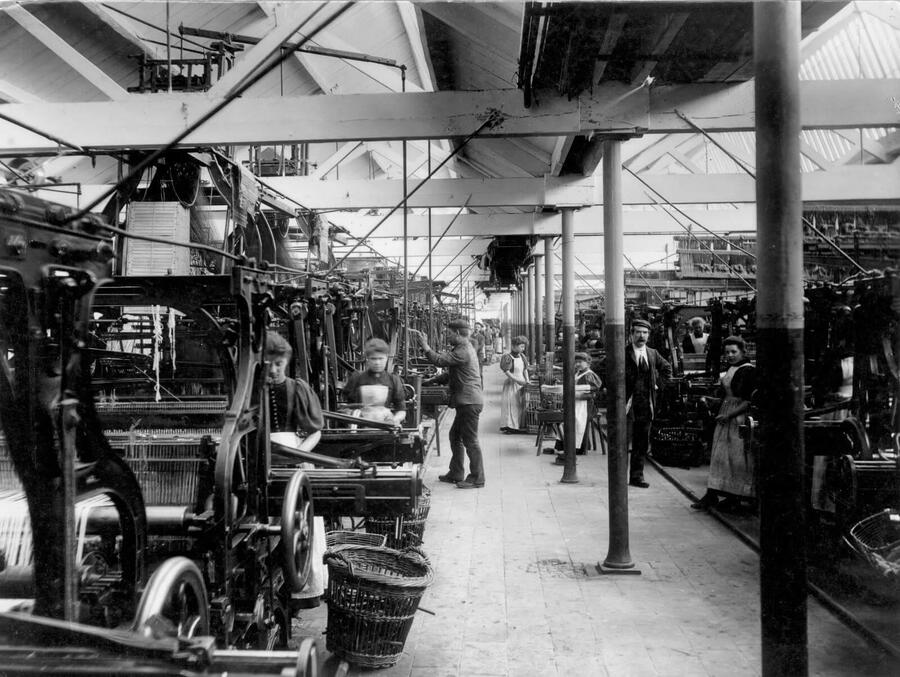
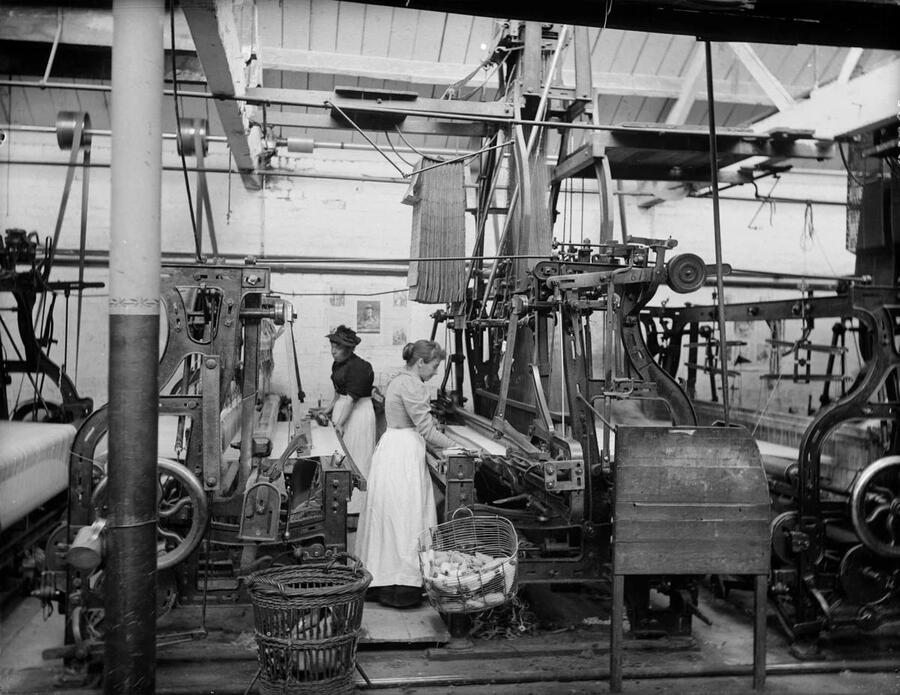
Factory and Craft Production of the 19th Century.
1.1 Arts and Crafts: Restoring Value to Craft
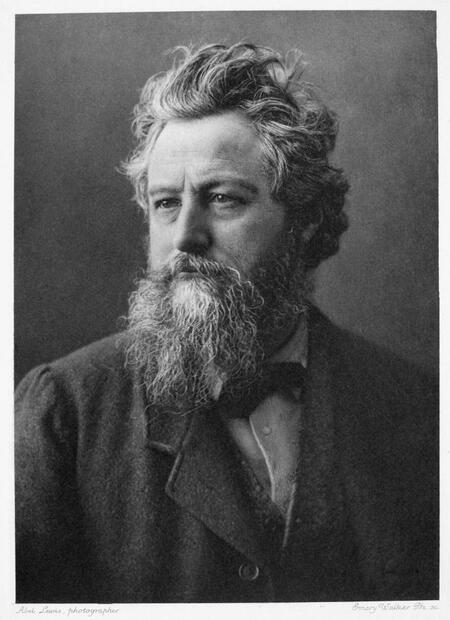
The Arts and Crafts movement originated in Great Britain during the latter half of the 19th century. Its proponents sought to reestablish the connection between artistic concept, material, and the process of making.William Morris became one of the movement’s leading figures.Morris criticized the division of labor and the conditions of industrial production, where individuals lost direct connection to the outcome of their work.However, his stance was not one of outright rejection of machinery. He considered the social organization of production and the devaluation of human labor to be the primary issues.Illustration: William Morris, 1834–1896.
Don’t keep anything at home that you don’t consider useful or beautiful.
This concept suggested that artistic quality should permeate daily life rather than being confined to isolated works of art.
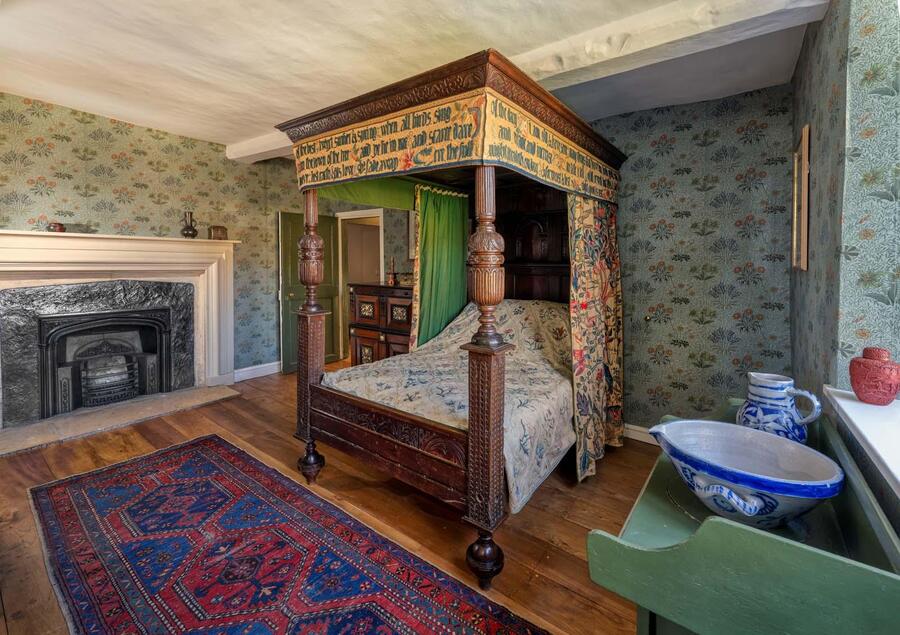
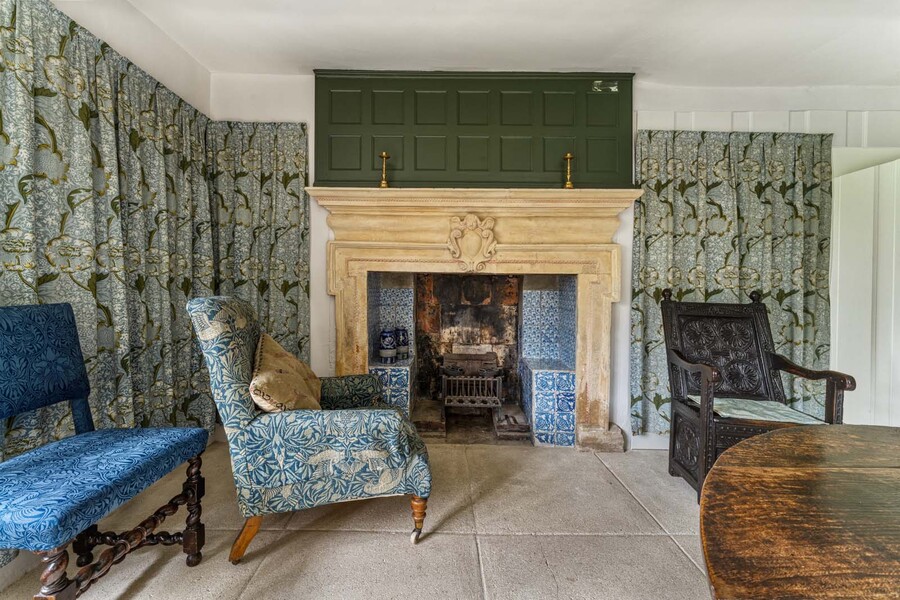
Morris & Co. Subject Environment
1.2 Ornament as an Artistic System
William Morris. Trellis, 1862; Acanthus, 1875; Pimpernel, 1876.
William Morris. Trellis, 1862; Acanthus, 1875; Pimpernel, 1876. Morris’s ornaments are based on stylized natural motifs. Leaves, flowers, birds, and intertwining plants form complex, repeating compositions.Despite the organic nature of the designs, the compositions are structured according to meticulously planned principles of rhythm, symmetry, and repetition.The ornament transcends being a mere surface decoration—it becomes an independent artistic system.However, its production was dependent on specific manufacturing technologies, which influenced the final cost of the finished piece.
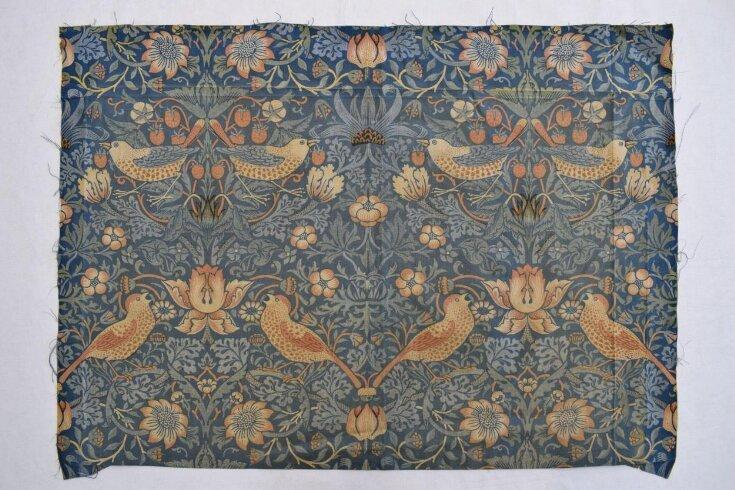
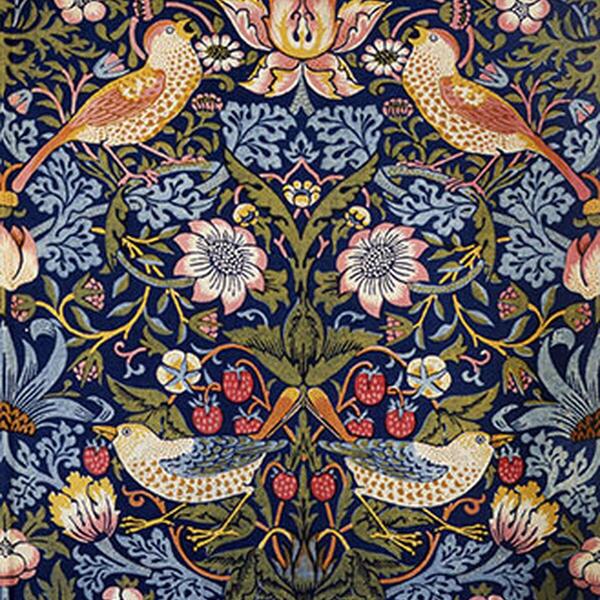
William Morris. Strawberry Thief, 1883. Woven cotton fabric.
The Strawberry Thief ornament was created in 1883. Its composition depicts birds among strawberries and intertwining plants.The fabric was made using a complex, multi-color printing technology.The process required a significant amount of time and skilled labor. As a result, Strawberry Thief became one of Morris & Co.'s most expensive textile patterns.Yet, it was highly sought after.The paradox was that the artistic quality associated with artisanal production simultaneously limited the product’s economic accessibility.
1.3 Simple form does not automatically solve the problem

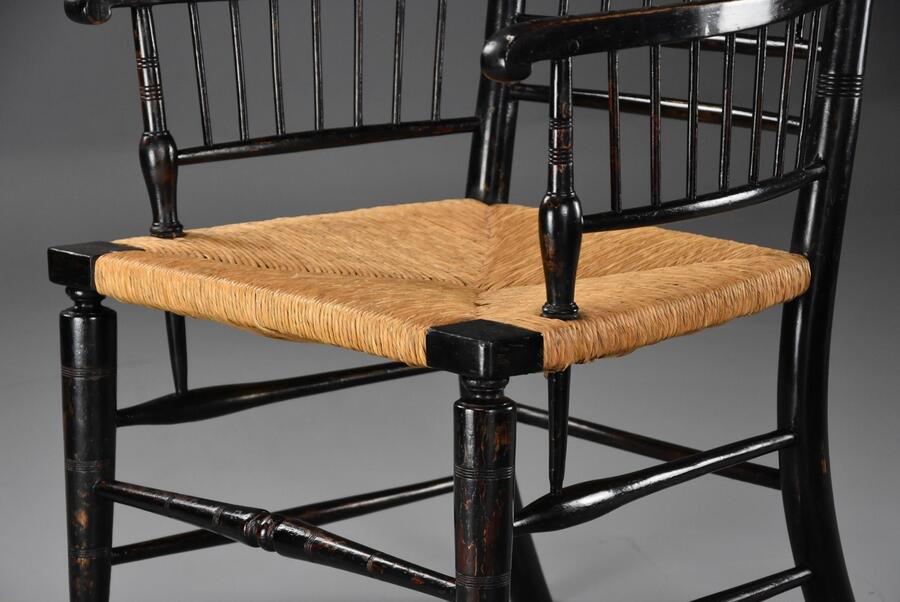
Morris & Co. Sussex Chair, second half of the 19th century.
The Sussex Chair demonstrates a different approach to object design. Unlike complex ornamental fabrics, the chair is based on a simple wooden structure and a woven seat. Its expressiveness stems not from decorative intricacy, but from the material, proportions, and traditional craftsmanship. Comparing the Sussex Chair and Strawberry Thief reveals that the Arts and Crafts movement was not limited to creating elaborate decorative objects. Within the movement, there were various ways of uniting artistic quality with everyday function.
Another model: Christopher Dresser
Christopher Dresser. Metal Teapots, 1870s–1880s.
Christopher Dresser, a contemporary of Morris, also sought to elevate the artistic quality of everyday objects.
However, unlike Morris, he collaborated more actively with industrial manufacturers.
His metalwork showcases a keen attention to geometry, structure, and the possibilities of machine production.
Dresser explored how artistic expression could emerge not in defiance of industry, but through its technologies.
Comparison: Morris and Dresser
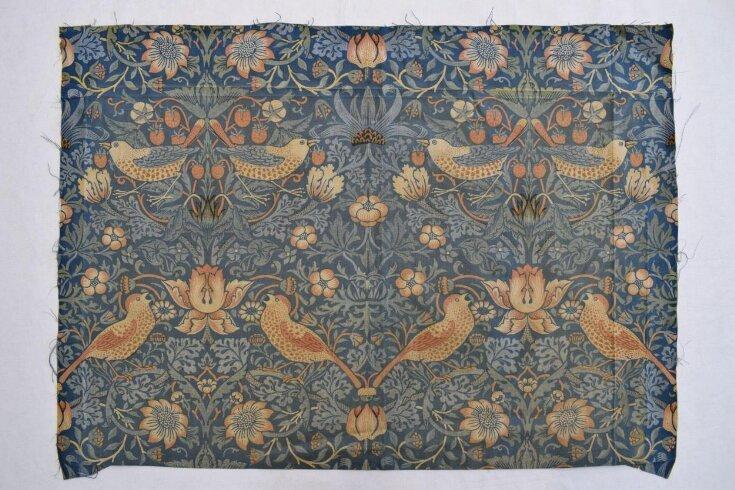

Morris. Strawberry Thief, 1883. Dressler. Teapot, c. 1879.







