Original size 1152x1536

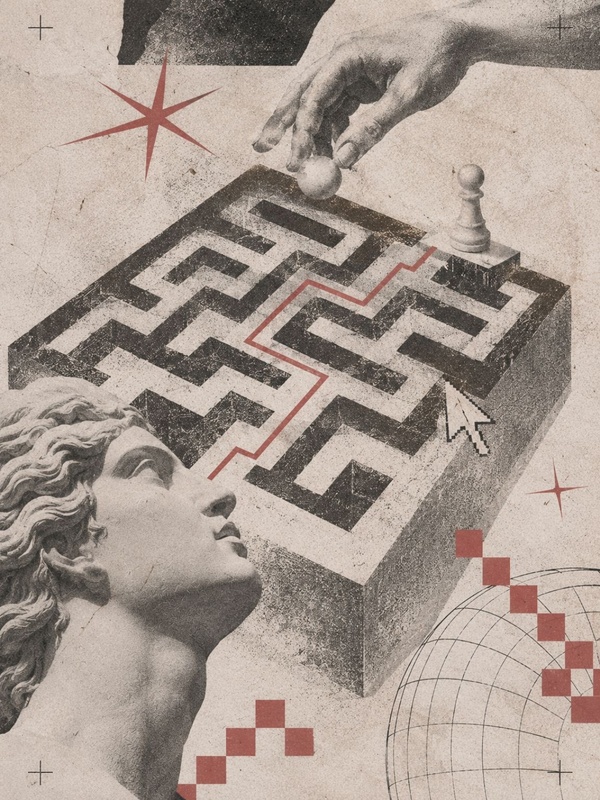
MAZE: How Pathfinding Became a Game

PROTECT STATUS: not protected
This project is a student project at the School of Design or a research project at the School of Design. This project is not commercial and serves educational purposes
The project is taking part in the competition

The Emergence of the Labyrinth
0
1/3

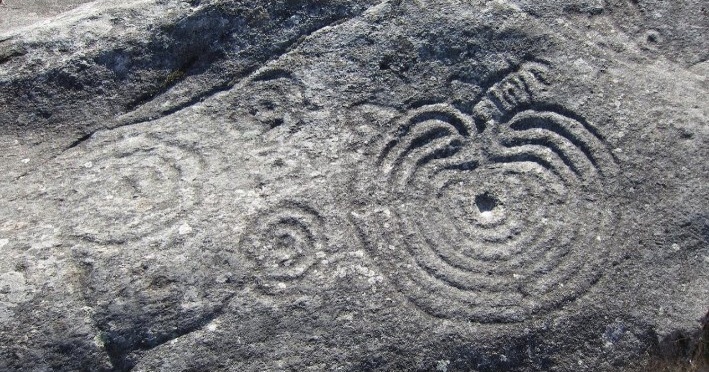
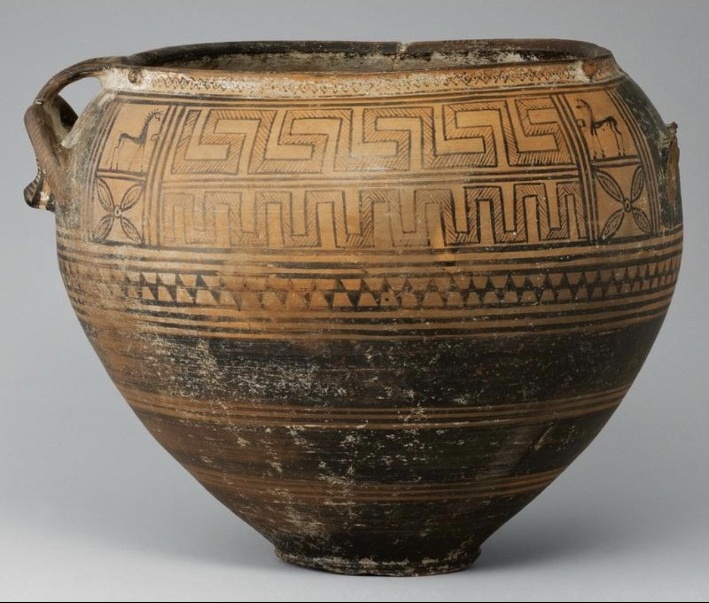
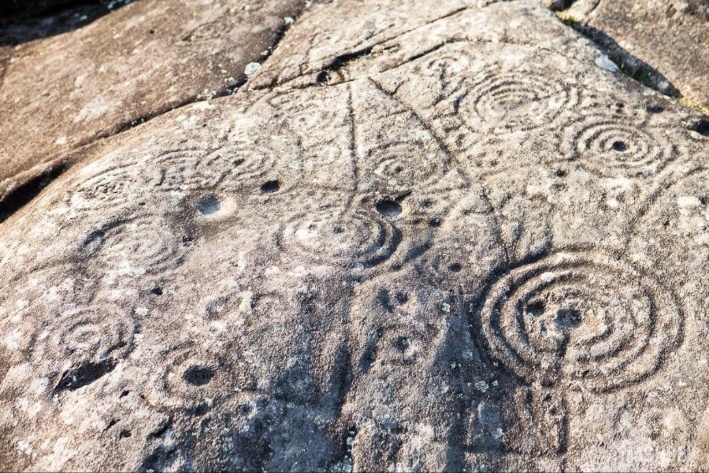
1. Labirinto de Mogor (c. 3000–2000 BCE) / 2. Melos Crater (750–725 BCE) / 3. Petroglifos de Mogor (c. 3000–2000 BCE)

The earliest depictions of labyrinths date back several thousand years. Their precise origins remain unknown. Some of the earliest examples are found in Southern Europe and the Mediterranean. Labyrinths were depicted on stones, ceramics, everyday objects, and later on coins. Gradually, a recognizable structure began to form: a winding path from the edge to the center, complete with dead ends and sharp turns. This very form became the foundation of the classical labyrinth.

MAZE: How Pathfinding Became a Game
Project created at 20.11.2026
hsespacecreative.deziiign
The digital ecosystem of HSE Institute for Creative Industries Development, combining a professional portfolio for students, graduates and employees of the bachelor’s and master’s degree programmes «Management in Creative Industries», an online educational platform, and a hub that aggregates international competitions in creative industries, among other digital services for creatives. ... Show more
We use cookies to improve the operation of the HSE website and to enhance its usability. More detailed information on the use of cookies can be fou...
Show more