Манифест дипломного проекта
Анализ рынка посуды и гипотеза бренда
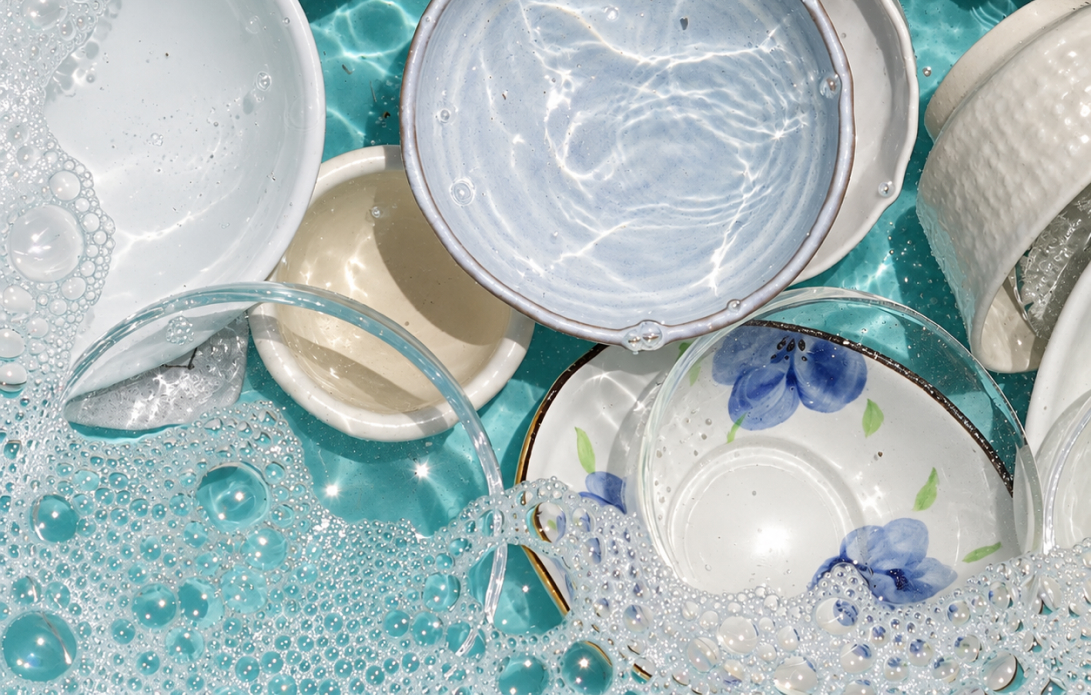
Tableware has long transcended its strictly functional role; today, it is becoming an integral part of interior design, table settings, and visual culture.
In this research, I examined the global, Russian, and Moscow tableware markets, studied key players, relevant trends, and brands' approaches to business development.
This analysis helped identify opportunities for creating a new conceptual tableware brand, formulated the theme of my thesis project, and developed a manifesto that reflects its idea and principles.
Global Market

The global tableware market shows steady growth driven by an increased interest in domestic aesthetics, the expansion of the hospitality industry, and the popularity of designer objects.
Tableware has become an integral part of interior design and a visual representation of lifestyle, and social media amplifies the importance of its aesthetic and presentation. The market unites major manufacturers with extensive assortments, such as Villeroy & Boch, ARC International, and Libbey, alongside artisanal brands with more pronounced concepts.
Seletti, Fornasetti, Serax, and NUFLAAT demonstrate how proprietary design can form the foundation of a sustainable business.
Brands utilize various development models: collaborations, author archives, designer collectives, international distribution, and resources from large corporations.
Their experience shows that a strong concept can be combined with scaling, expanding the product range, and developing sales.
Russian Market
The Russian market also demonstrates growth potential. It features major manufacturers with a wide assortment, and changes in import structure and the development of marketplaces are creating new conditions for competition.
Moscow, Saint Petersburg, and the Krasnodar Krai are among the leading regions by market volume, making them priority areas for planning sales, supply, and partnerships.
The Russian market for designer tableware encompasses diverse aesthetic directions and formats—from bespoke pieces in small series to conceptual brands and mass-produced object design.
Among the participants are Moroz Ceramics, Julnika, Agami, DVKB, HTONIC, RES OBJECTS, SOLID WATER, PRAGMA, Y.OBJECT, SIMPULE, A+V, and SACHET.
This shows that the competition is not merely for the category of designer tableware, but for a specific aesthetic, audience, and emotional brand image.
Moscow Market
Moscow is one of the key regional markets for tableware, ranking among the top three along with Krasnodar Krai and Saint Petersburg.
In the capital, there are authorial brands operating with diverse business models. In the selected sample, the brands primarily develop through their own sales channels, collaborations, and niche partnerships, and their scale and recognition outside of their specific audience are not always apparent.
Research Findings