01. Concept
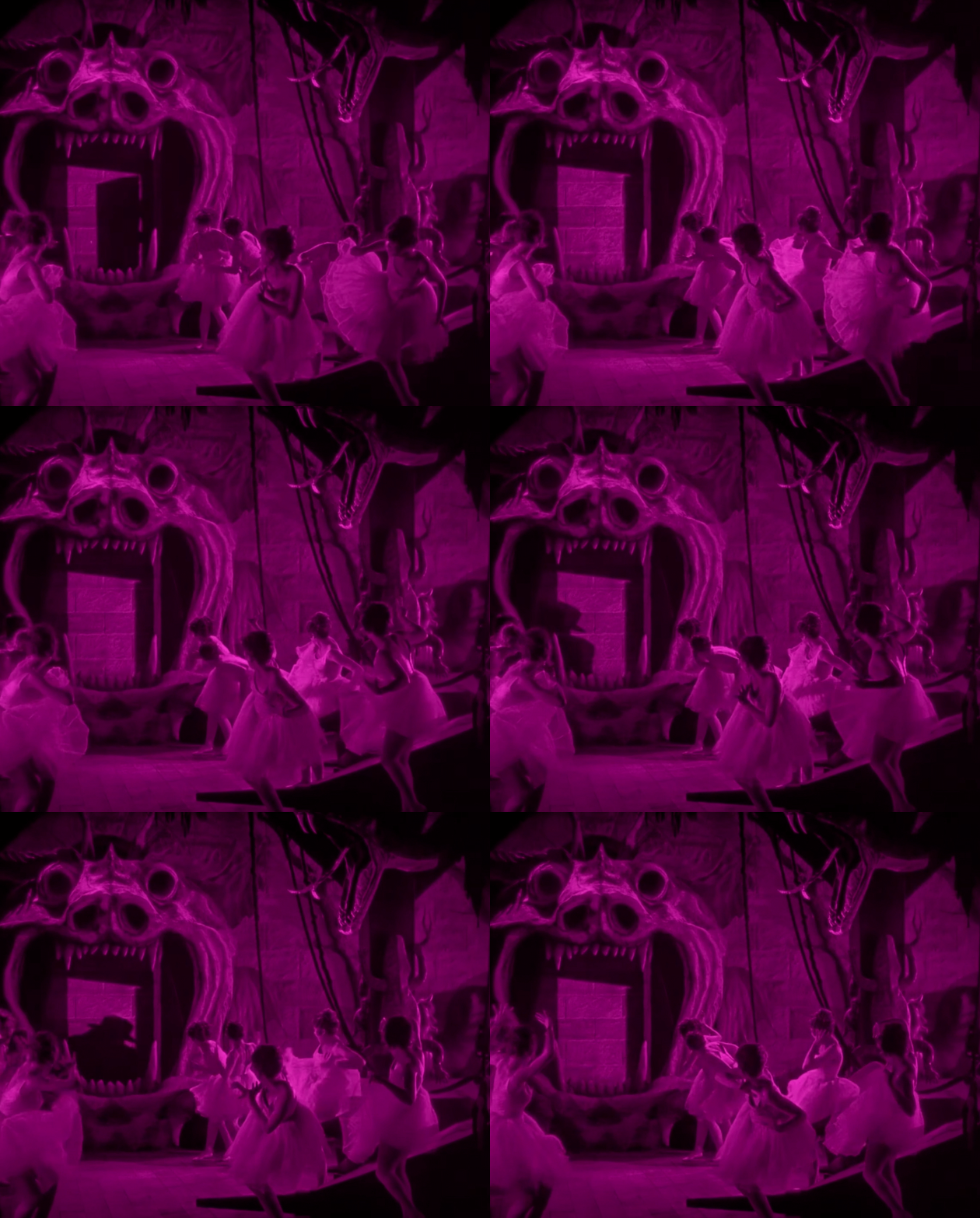
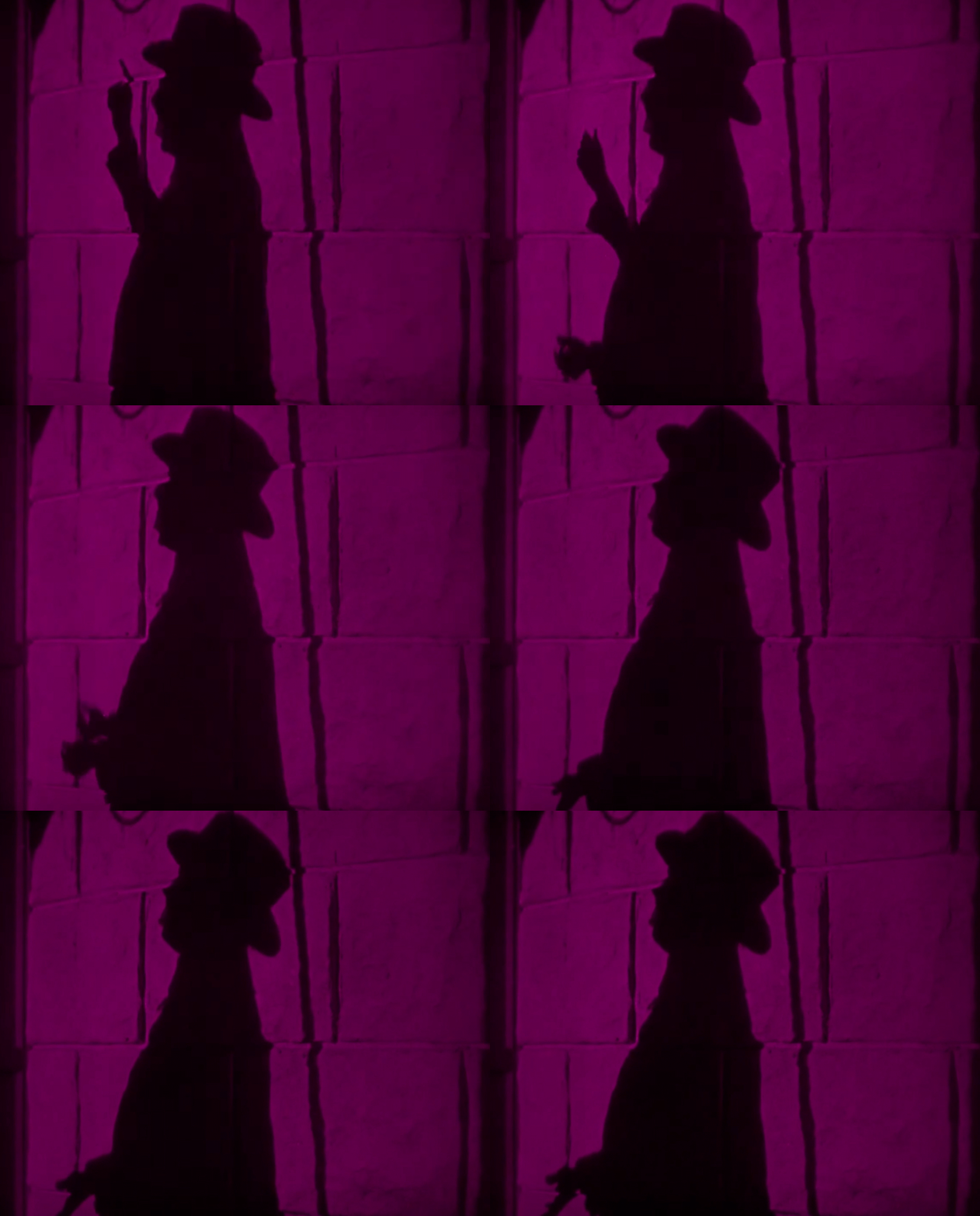
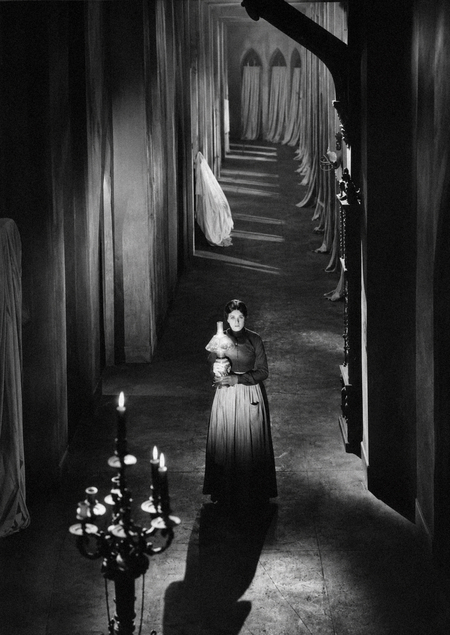
Gothic films from Universal in the 1920s and 1930s are recognizable by their high castle halls, narrow corridors, unusual architecture, and stark lighting contrasts. However, these elements could not exist in isolation: the set design dictated the characters' placement and possible paths of movement, the lighting defined the contours of the space, and the camera and editing allowed the space to be revealed gradually, leaving certain areas outside the frame.
This study investigates how these elements were utilized in American films produced by Universal between 1925 and 1932. The focus is on the organization of the frame itself: the dimensions and shape of the set pieces, the placement of light sources, camera angles, camera movement, and transitions between shots. Of particular interest are moments when the space begins to play an autonomous role in the narrative development.
In classic Hollywood cinema, set design, lighting, and cinematography worked together to clearly convey the unfolding events. The space needed to remain legible, and the positioning of figures and objects had to maintain coherence during scene transitions. These principles were established within the studio system and gradually solidified in American film production practices. While Universal’s Gothic films employed many of the same rules, they often altered the conventional relationship between action and environment.
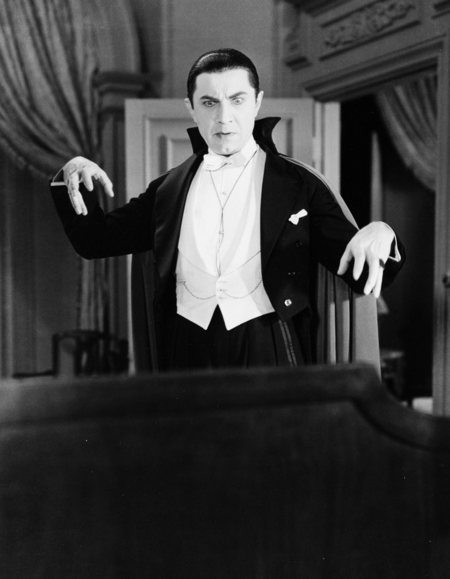
The study includes six films: Rupert Julian’s «The Phantom of the Opera» (1925), Paul Leni’s «The Cat and the Canary» (1927), Tod Browning’s «Dracula» (1931), James Whale’s «Frankenstein» (1931), Robert Florey’s «Murders in the Rue Morgue» (1932), and James Whale’s «The Old Dark House» (1932). This selection spans the silent and early sound periods of the studio, allowing for a comparison of diverse methods of image organization without being limited to a single director or a specific type of Gothic space.
The study employs the term «Gothic» because it allows for the grouping of films from different years based on their visual characteristics rather than their adherence to a single genre. Furthermore, the horror film genre had not yet fully formed in the 1920s; the concept only gained widespread use in the early 1930s, following the release of Dracula (1931) and Frankenstein (1931). Therefore, the term «Gothic» enables us to examine both silent and early sound films without being restricted by genre classification. [6]
Despite belonging to the same studio, the selected films vary noticeably in their approach to space. Dracula features significant roles for large architectural forms and interior depth, whereas The Cat and the Canary structures its home as a system of hidden passages and movable elements. In The Murders in the Rue Morgue, the geometry of the set design is closely linked to lighting and camera movement. Such differences allow us to consider the Universal Gothic style as the result of the interplay between several artistic and technical means.
Key research question: how do set design, lighting, camera work, and editing transform space into a source of threat in Universal Gothic films from 1925–1932, and how do their methods of interaction differ?
The research hypothesis posits that the threat and feelings of anxiety and fear in Universal Gothic films are generated not only by the events occurring but also by the spatial organization within the frame. Set design dictates its form and potential lines of movement; lighting divides the image into exposed and concealed areas; the camera alters the relationship between these areas; and editing establishes the sequence of new information appearing. Depending on the film, one of these elements may play a more prominent role—however, the most complex visual solutions emerge from their combination.
02. Decoration
When viewing Universal Gothic films, the sets play a crucial role. In the early films, they were created through a combination of artistic decisions and the characteristics of studio production [8]. Therefore, when analyzing the visual style, it is important to pay attention not only to individual architectural elements but also to the role they play in each film—how they organize space and influence the unfolding action. One of the noticeable hallmarks of Universal Gothic films is the disparity between the size of the human figure and the surrounding architecture.
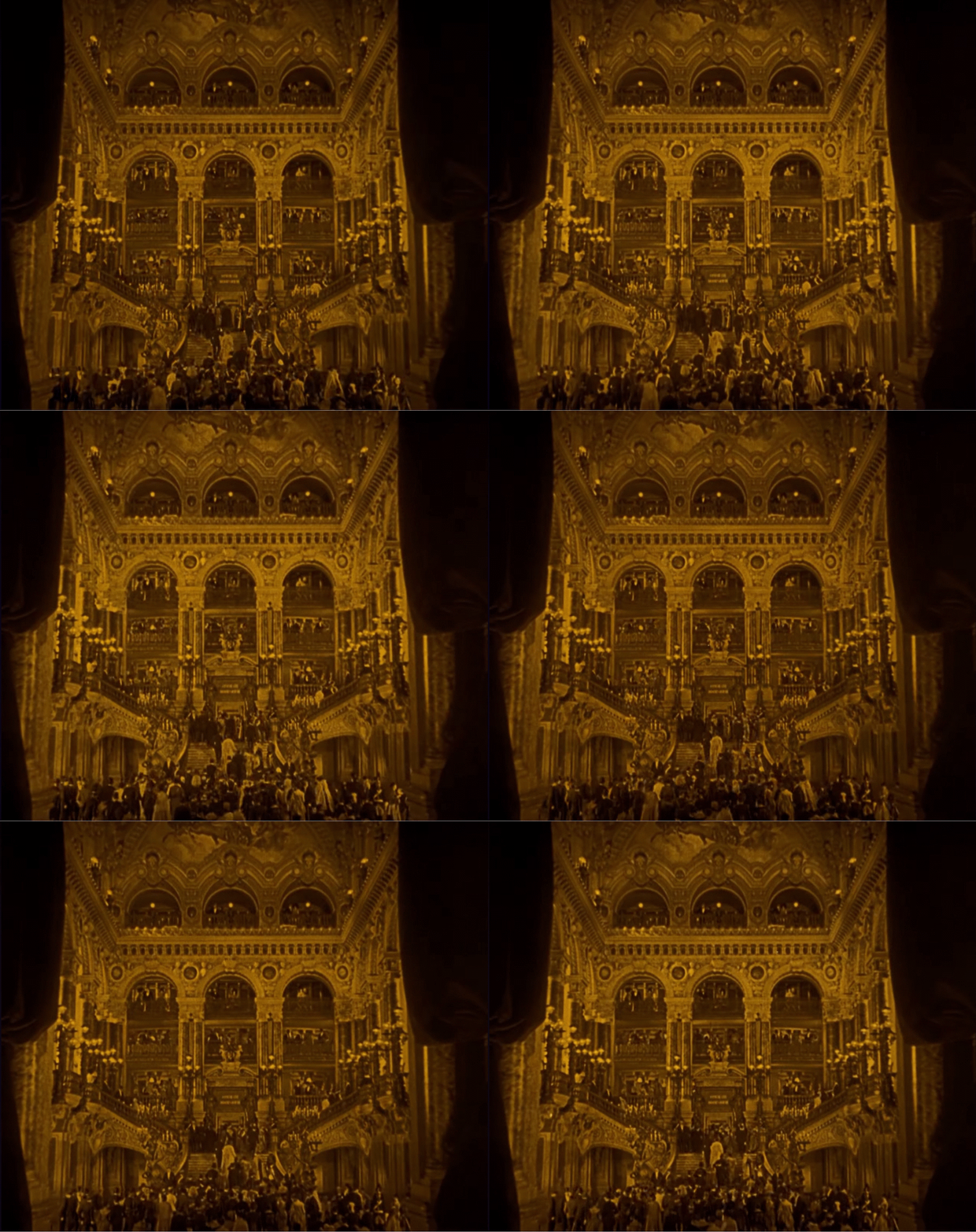
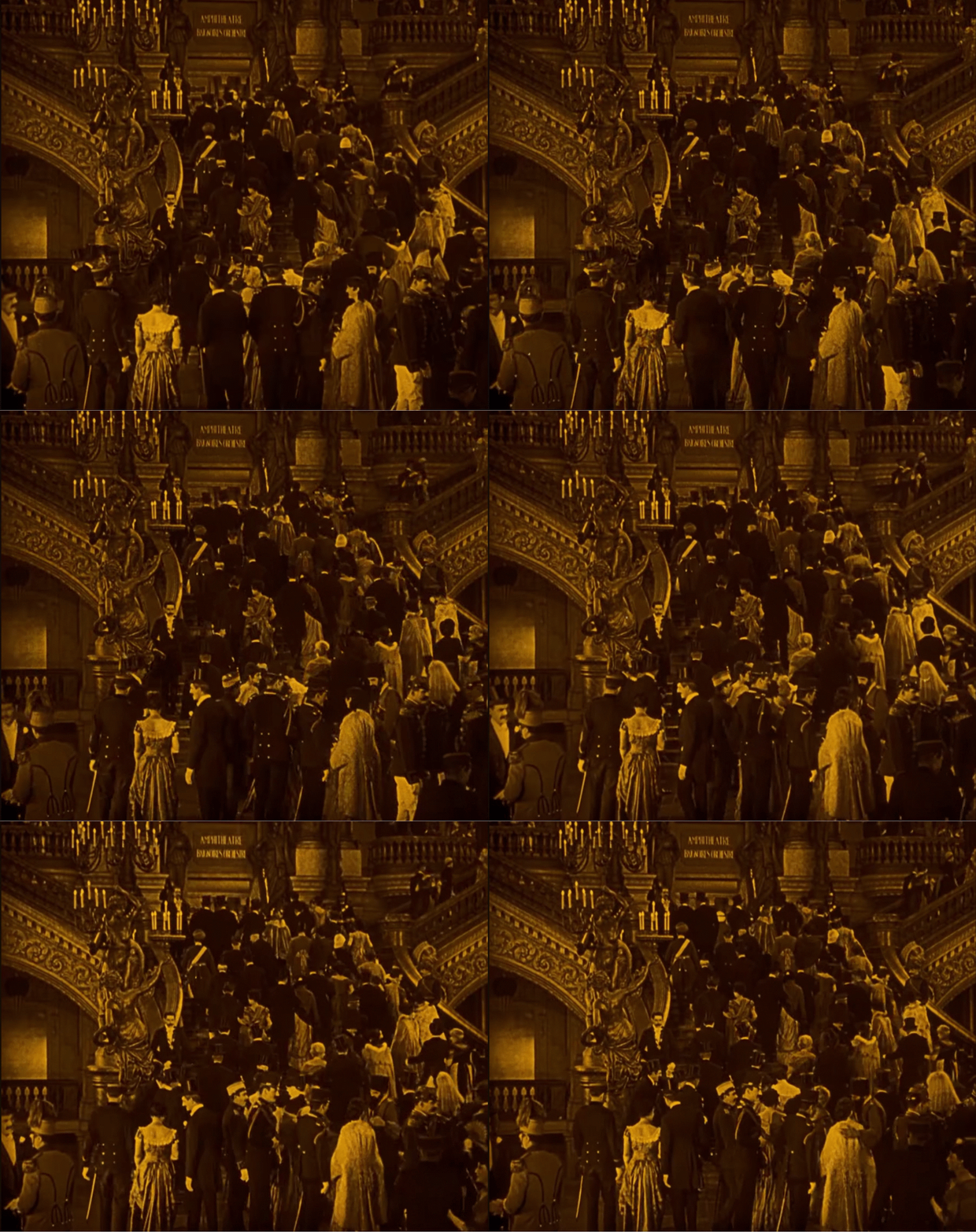
«The Phantom of the Opera» (directed by R. Julian, 1925).
In the film «The Phantom of the Opera,» the scale of the theater plays a crucial role in shaping the image of the space: vast grand halls, high ceilings, wide staircases, and multi-tiered balconies emphasize the building’s immense size, against which human figures are perceived as disproportionately small.
«The Phantom of the Opera» (directed by R. Julian, 1925).
The feeling of threat and terror is tied not only to the scale of the structure but also to its intricate design. Hidden beneath the expansive, open spaces lies a labyrinthine system of underground corridors and secret passages leading to the Ghost’s sanctuary. Unlike the theater’s grand public areas, which can be grasped in a single master plan, the subterranean levels unfold gradually, through discrete, narrow passages and chambers. The contrast between the vast halls and the cramped underground corridors underscores the building’s duality. Thus, a sense of unease is generated by setting the open, spacious environment against the convoluted one.
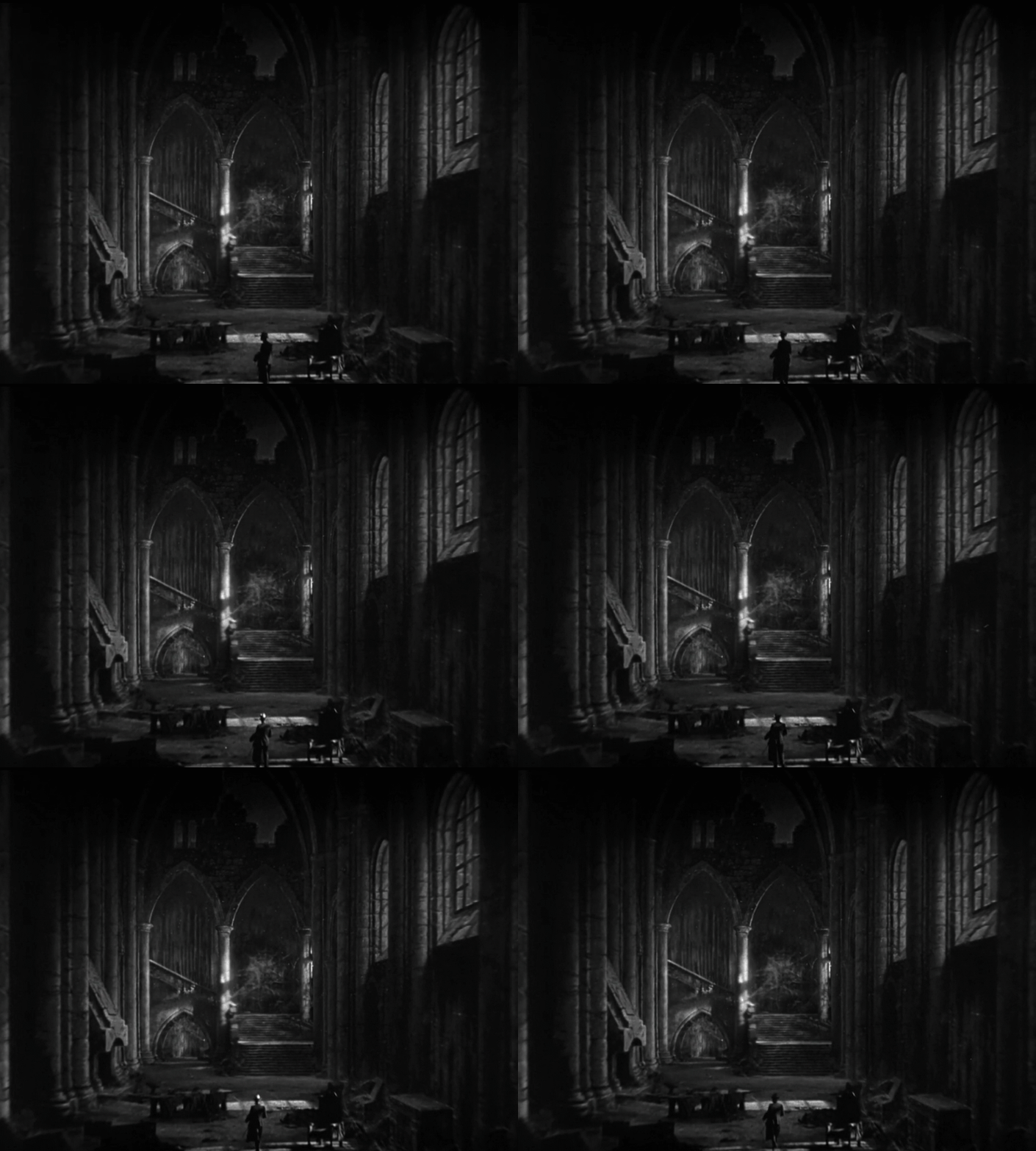
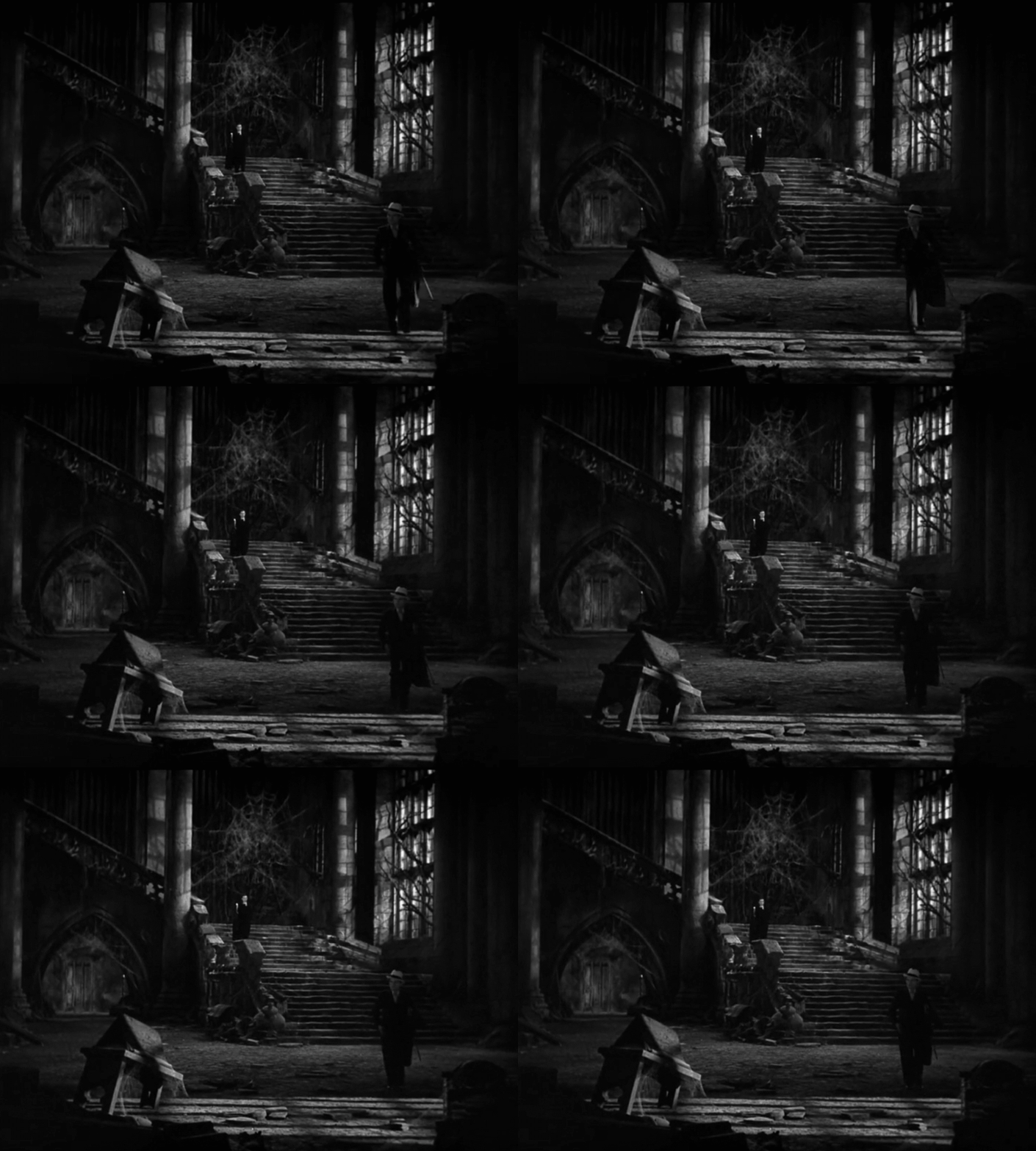
«Dracula» (Directed by T. Browning, 1931).
The scale of the castle in the film «Dracula» also becomes an important element in creating an atmosphere of dread. The castle’s enormous halls appear almost empty because the massive architectural elements dwarf the human figures. The emphasis is placed on the juxtaposition of monumental architecture and decay, while the building retains its grandeur.Unlike the theater in «The Phantom of the Opera,» where the grand spaces are contrasted with a hidden underground lair, the main space of the castle in «Dracula» feels inherently alien to human presence. This comparison leads to the idea that the threatening significance of architecture cannot be explained solely by its sheer size. In the film «The Phantom of the Opera,» the large scale is linked to a clear organization of space, whereas in «Dracula,» it is combined with the unknown lurking beyond the visible parts of the castle.
«The Cat and the Canary» (directed by P. Leni, 1927).
The sense of danger in the film «The Cat and the Canary» stems from the fact that the structure of the old house is more complex and convoluted than it appears at first glance. Hidden behind the ordinary walls are secret passages that allow discreet entry into various rooms, meaning that even an isolated space does not guarantee protection from the rest of the house—a person can appear where, based on the apparent layout of the room, there should be no entrance. Thus, the walls prove to be unreliable boundaries of space, and the concealed system of passages becomes one of the primary methods for generating a sense of fear [5].
The scenes featuring a hand emerging from a hidden space are particularly illustrative. Until this point, the wall is perceived as a static boundary of the room, but its subsequent use reveals a concealed passage behind it—a passage that was invisible in previous shots.
«The Old Dark House» (Directed by J. Whale, 1932).
The spatial design of the film «The Old Dark House» revolves around the constant movement of characters between rooms and floors. The same spaces and objects appear across multiple episodes, linking events that unfold in different parts of the house, which allows individual rooms to be perceived as components of a complex, ultimately unknown environment [12]. This technique successfully builds tension for the viewer.
«Murders in the Rue Morgue» (directed by R. Flory, 1932).
Another approach is presented in the film «Murders in the Rue Morgue.» The architecture of the city streets plays a vital role here. Paris is depicted as a space with deliberately distorted proportions. The set design shows a clear influence of German Expressionism, which is characterized by the warping of conventional spatial geometry [13]. The distinctiveness of these sets is that the architecture leaves almost no open space. The buildings are positioned close together, restricting the view into the frame’s depth, causing the street to feel squeezed between the structures.
«Frankenstein» (Dir. J. Whale, 1931).
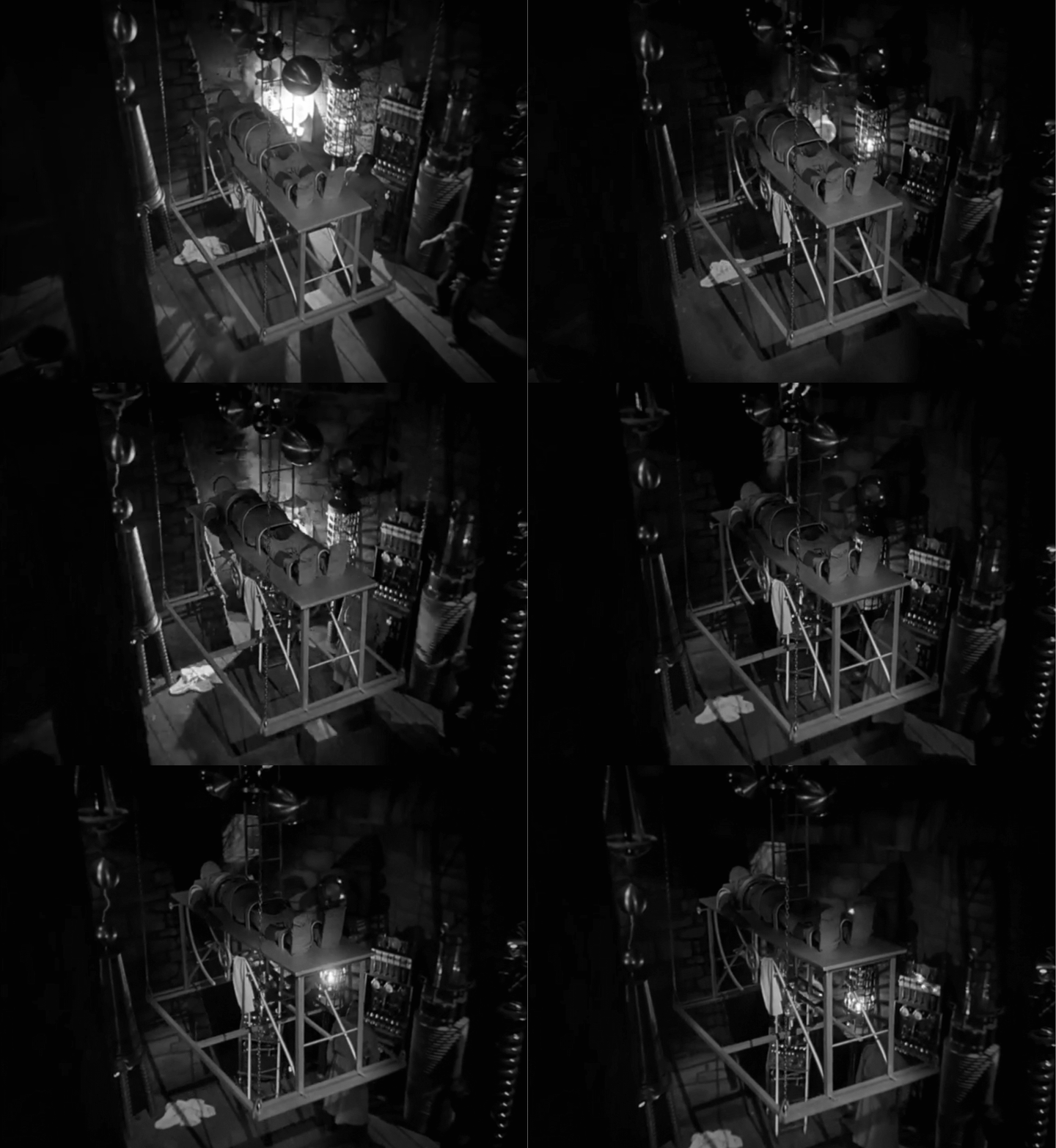
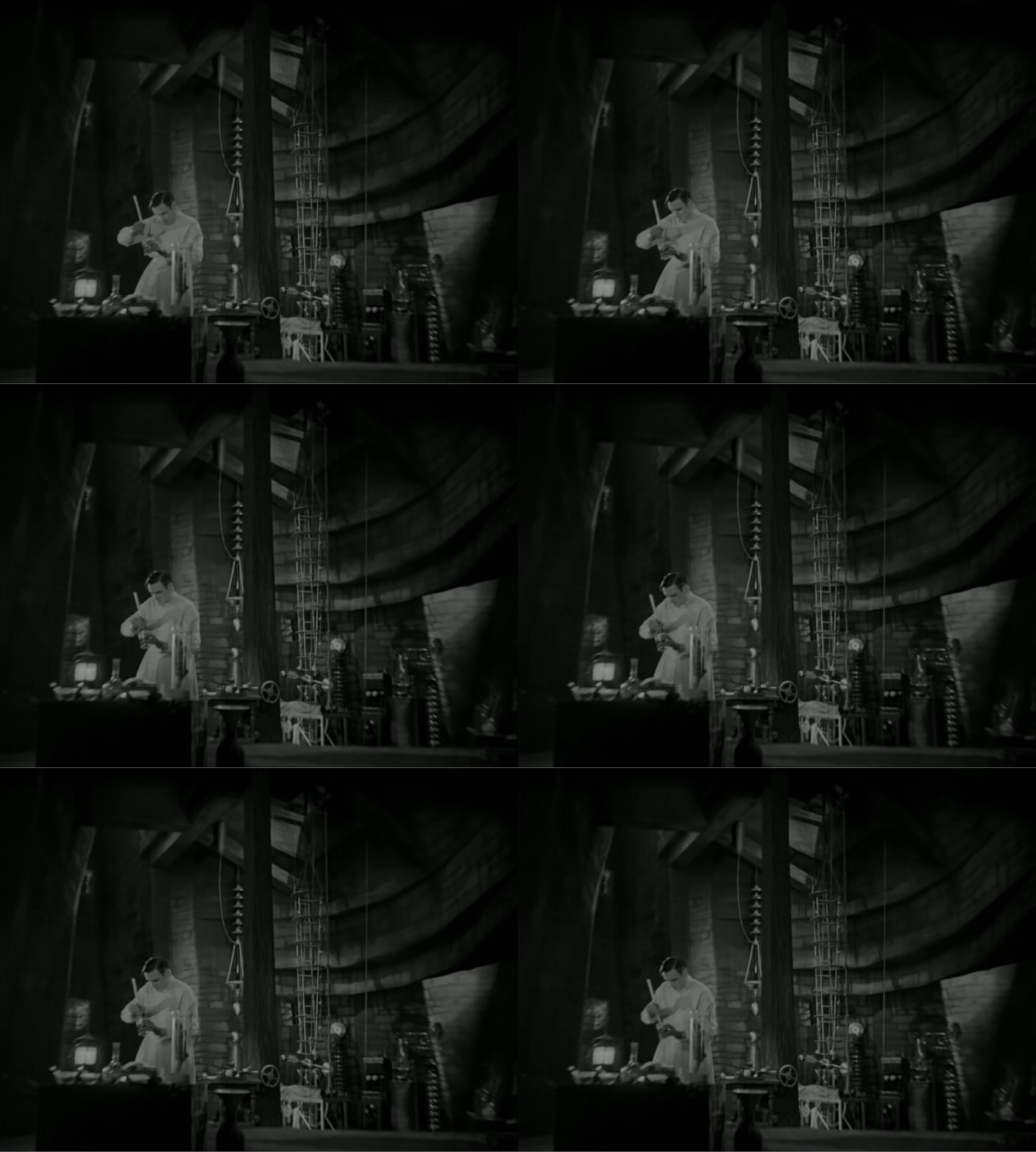
The laboratory becomes the central setting in the film «Frankenstein.» Its design relates to the experiment being conducted, yet it possesses significant deviations from a typical technical space. Against the backdrop of these structures, the human body appears as a small element within a vast technical system. As the platform rises during the animation, the body’s position shifts relative to the other characters. The space underscores the contradiction between the scientist’s desire to fully control the life-creation process and the possibility that the experiment’s outcome could escape his control.
Thus, set design becomes one of the primary tools for creating threat. Fear is generated through the visual juxtaposition of the human figure against monumental architecture, as well as through the complex configuration of the spaces.
03. Light and Shadow
In the creation of Universal Gothic films, lighting plays an enormous role, dramatically altering the appearance of characters and the surrounding environment. By manipulating the contrast between light and shadow, filmmakers can accentuate specific features or obscure portions of the image. The interplay between light, architecture, and the human figure becomes one of the defining characteristics of the visual style in Universal Gothic cinema [8].
«Dracula» (Dir. T. Browning, 1931).
In the film «Dracula,» light plays a crucial role in shaping the main character’s image. In close-ups, the count’s eye area is illuminated more strongly than other parts of his face—a bright band highlights his gaze. This lighting makes the eyes the focal point of the composition and imparts an unnatural quality to Dracula’s appearance [16]. This is vital to the image of Dracula, who outwardly resembles an ordinary human, yet the lighting allows his other nature to be emphasized without a noticeable physical transformation.