Concept
Modern advertising communication is evolving under the influence of internet culture, which is shaping new ways of exchanging information and engaging visually. One of its notable elements has been the internet meme—images, videos, phrases, and visual templates that spread online and become part of everyday digital communication.Memes extend beyond user-generated content and are being utilized by brands in their advertising. Companies draw upon familiar internet imagery, humor, and viral formats to capture audience attention and forge an emotional connection with the consumer. The meme thus becomes not merely a source of humor, but also a tool for conveying a marketing message.
The relevance of this study stems from the evolving ways brands interact with their audience. Traditional advertising techniques are being augmented by internet culture formats. While using memes allows brands to tap into familiar visual codes, it necessitates an understanding of their meaning and unique modes of perception. A poorly executed adaptation can render a marketing message artificial or strip it of its expressive power.The research problem lies in the tension between the free, rapidly changing nature of memes and the need for brands to adapt them to their own objectives and visual identity. The object of study is contemporary advertising communication; the subject is the methods of using and visually adapting memes in advertising.The goal of this research is to identify ways to integrate memes into advertising and to determine the specific characteristics of their use as a tool for visual communication, using 2026 campaigns as a case study. To achieve this, it is necessary to examine the concept and characteristics of internet memes, study their visual language and diffusion mechanisms, identify the reasons brands turn to memes, outline methods for integrating them into advertising materials, and analyze the visual strategies of both Russian and international campaigns.
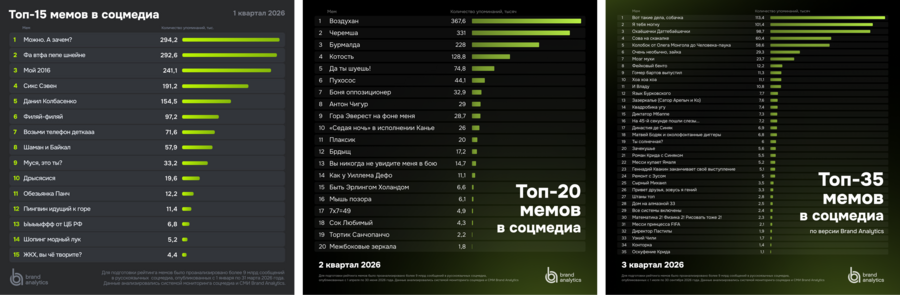
Brand Analytics Statistics. Top memes on social media for the first, second, and third quarters of 2026.
Key research question: How do brands transform internet memes into advertising tools while preserving the recognizability of the original images and adapting them to their own objectives?
The research hypothesis is that memes allow brands to leverage familiar visual and cultural codes to create recognizable and emotionally engaging communication. The outcome depends on how organically the meme connects with the product, the advertising message, and the brand’s visual language.The study employs methods of visual and comparative analysis, case study examination, and classification of visual techniques. The research material consists of advertising campaigns from Russian and international brands published in 2026 that utilize memes regardless of when those memes originated.
Categories
[1] Memes as a Phenomenon of Modern Internet Culture
1.1. Concept and characteristics of internet memes. 1.2. Visual language and mechanisms of meme dissemination.[2] Using Memes in Contemporary Advertising Communication
2.1. Reasons and objectives for using memes in advertising. 2.2. Primary methods for integrating memes into advertising materials. 2.3. Adapting memes to brand visual identity.[3] Visual Analysis of 2026 Advertising Campaigns
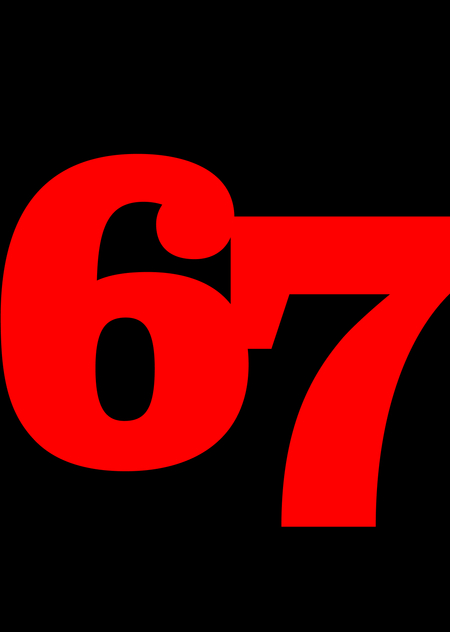
3.1. Direct use of popular memes in advertising. 3.2. Reinterpreting memes and internet trends for advertising objectives. 3.3. 67 3.4. Brands creating their own meme imagery and formats.[1] Memes as a Phenomenon of Contemporary Internet Culture
The Concept and Characteristics of Internet Memes
Internet memes are a form of digital content that circulates among users, acquiring new interpretations along the way. They can exist as images, videos, phrases, or visual templates. Furthermore, a meme is not limited to a single post; it often becomes the foundation for creating numerous similar pieces of content.
Researcher Limor Shifman views internet memes as groups of digital materials unified by shared characteristics of content, form, or meaning—materials that are spread, copied, and transformed by users. A key characteristic of memes is their adaptability: the original image remains, but its meaning changes depending on the context.
Best Memes of 2026 Collage: t-j.ru
Memes reflect current events, public sentiment, and the daily experiences of users. Their reception is often built upon humor, irony, and familiar cultural references. Because of this, they become not only entertaining content but also a medium for conveying information and expressing collective reactions.
Visual Language and Meme Diffusion Mechanisms
The visual language of internet memes is formed by combining images, text, and various graphic elements. Often, the meaning is constructed through the juxtaposition of a visual image and a caption, which together create a humorous or ironic effect. To convey a message, photographs, illustrations, chat screenshots, collages, and video materials may be used.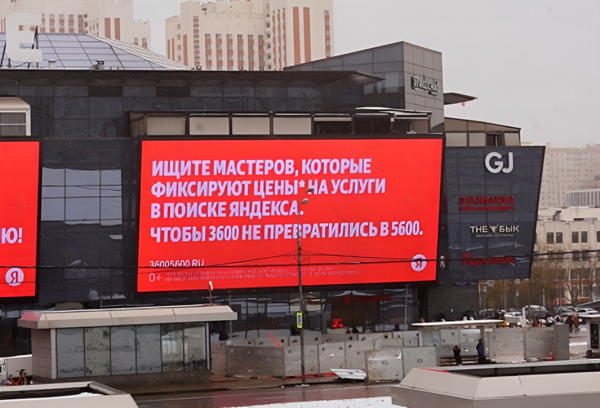
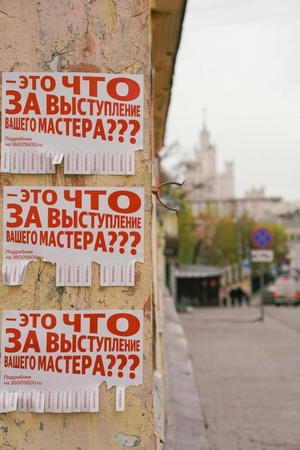
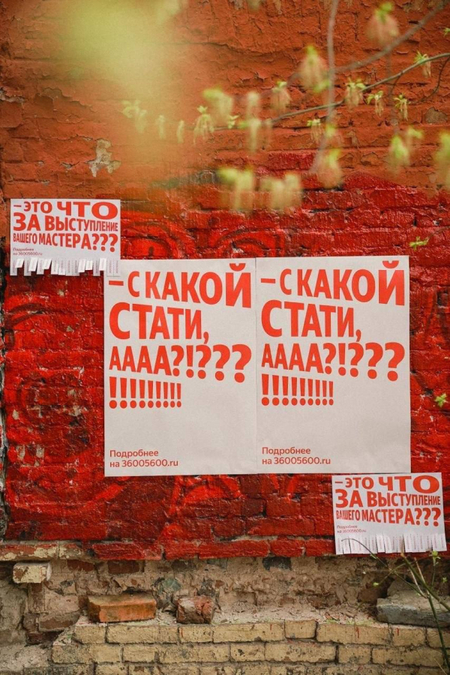
Yandex — «3600/5600.» (2026)
Yandex utilized an old meme featuring a phone call about the price increase for installing a washing machine, jumping from 3,600 to 5,600 rubles. The familiar phrase, «I’m going to cause such a scandal!» became the foundation of the «Search» service’s advertising campaign for «Services.»
The meme was adapted for outdoor advertising, digital publications, stickers, and an interactive website. Through this relatable internet situation, the brand explained the advantage of fixed service pricing to its familiar audience.
One of the most common formats is the meme template, where the image remains the same, but the text changes depending on the situation. Another common technique is the use of reaction images, which convey a specific emotion or attitude toward an event. In short videos and GIF animations, movement, sound, and repetitive actions play a vital role.Meme dissemination primarily occurs through social media, video platforms, and messengers. Shares, recommendations, and user publications play a crucial role, causing content to rapidly reach beyond its initial audience. The ability to copy and alter the original material fosters the creation of new versions and sustains interest in popular formats.
KitKat — The KitKat Heist. (March–April 2026)
Following the actual theft of a batch of 413,793 KitKat chocolate bars, the brand decided not to hide the incident but to lean into the situation on social media. The company’s ironic statements were picked up by other brands, transforming the story into a massive internet joke. Later, KitKat launched a special tracker allowing buyers to check whether their chocolate belonged to the stolen batch.
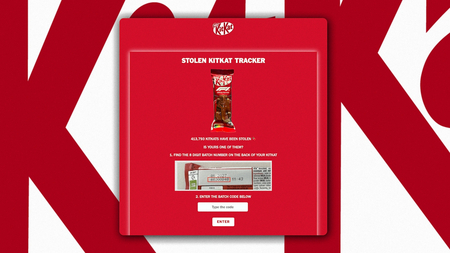
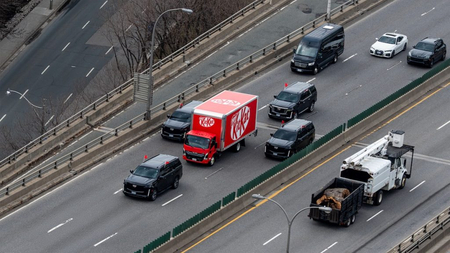
KitKat — The KitKat Heist. (March–April 2026)
Thus, the visual language of memes is built upon a combination of recognizable imagery, concise messaging, and repeatable formats. These characteristics allow memes to be used not only for user communication but also in other realms of digital discourse, including modern advertising.
[2] The Use of Memes in Modern Advertising Communication
Reasons and Goals for Using Memes in Advertising
The proliferation of internet memes has influenced how brands interact with audiences. Companies are increasingly using familiar internet images and popular formats to make their advertising communication more relevant and relatable to consumers.
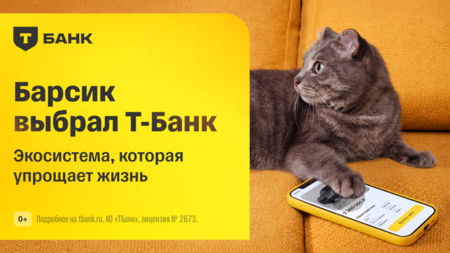
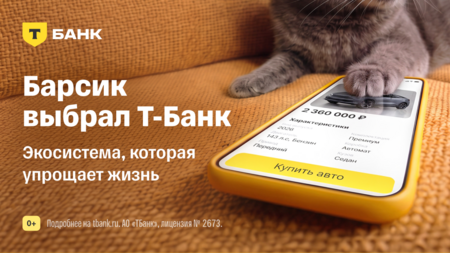
T-Bank — «Barsik Bought a Car» (September 2026)
To mark the 20th anniversary of the T-Bank brand, they launched an advertising campaign featuring Barsik the cat, who accidentally purchases a car with a single paw-tap in the application. The story subsequently transforms intentionally into an absurd universe: Barsik becomes the star of a music track, news reports, television segments, and memes. The campaign ran on television, radio, out-of-home advertising, social media, and online video.
Furthermore, memes allow brands to cultivate a more informal style of communication with consumers. Utilizing familiar internet expressions and visual imagery helps bridge the gap between the company and its audience, fostering a sense of natural dialogue. Meme content also stimulates user engagement—it is more frequently discussed, shared, and reinterpreted.
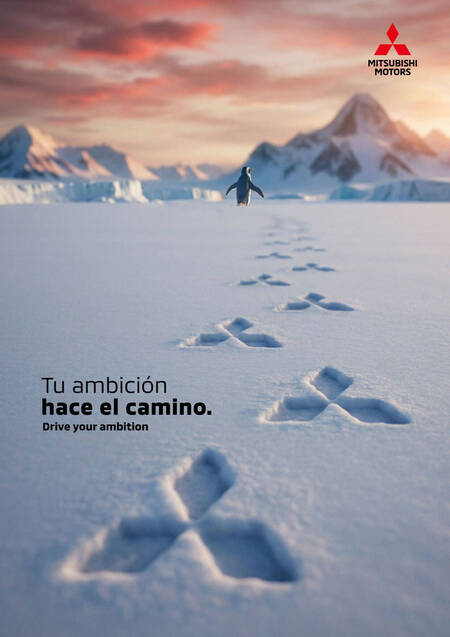
The Mitsubishi Motors Perú campaign, «The Penguin» (February 2026), serves as an example of internet meme adaptation. The brand used the viral image of a solitary penguin leaving its flock as a metaphor for independence and pursuing one’s own goals. The campaign’s visual signature—the penguin’s tracks mirroring the shape of the Mitsubishi logo—transformed a familiar internet trope into a powerful vehicle for communicating brand values.
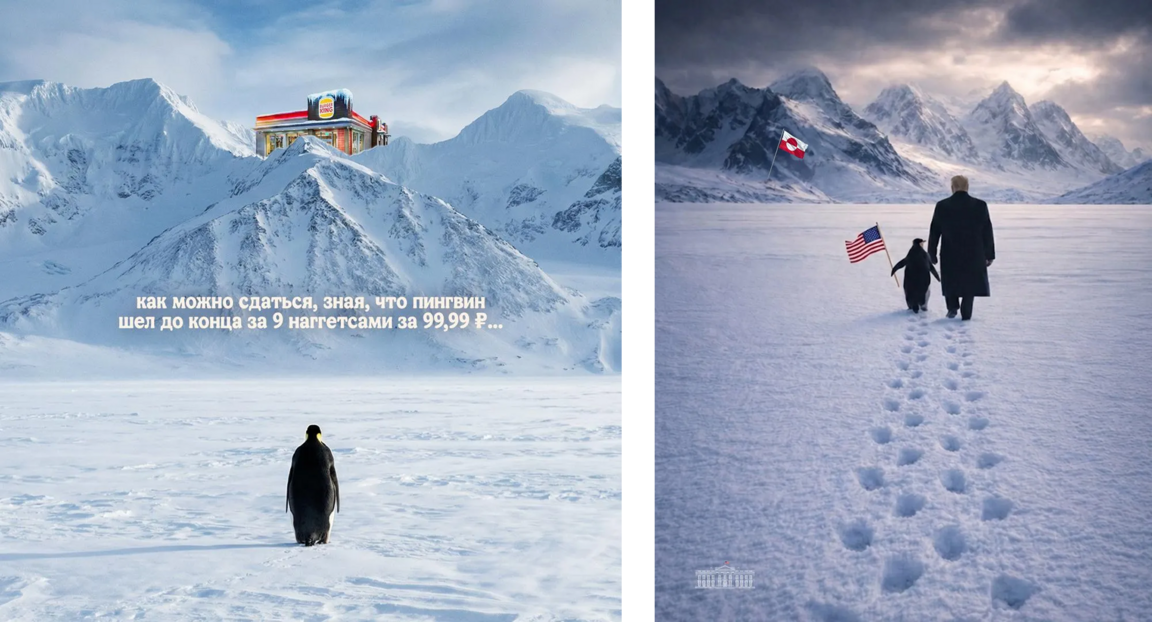
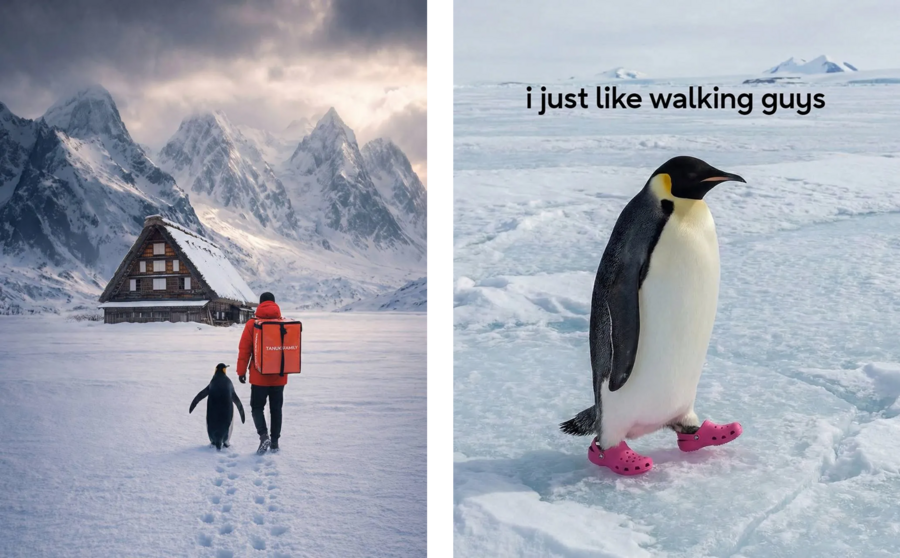
Тануки — «Пингвин нигилист» (февраль 2026) Crocs — «Пингвин нигилист» (февраль 2026)
Using memes, consequently, becomes a method to boost brand recognition, capture attention, and forge an emotional connection with the audience. However, this approach requires a nuanced understanding of internet culture and ensuring the chosen meme aligns with the brand’s identity.
Primary Methods for Integrating Memes into Advertising Material
In contemporary advertising, memes are utilized not merely as ready-made images or jokes, but as the foundation for developing entire communication concepts. Brands borrow popular internet imagery, reinterpret it to align with their objectives, or create advertising formats that the audience then disseminates and adapts independently.