Contents
Concept
Research Objective
Material Selection Criteria and Structuring Principles
Key Question and Hypothesis
1. Voice as a Mask: How Drag Artists Sound
In conventional music, the artist’s voice is intrinsically tied to their identity. In drag music, the voice transforms into an instrument that can be worn, much like a costume. Drag artists manipulate their sound. They might deliberately sing «nasally,» speak instead of singing, or, conversely, belt out operatic vocals. In this section, I explore how the voice functions in studio recordings and live concerts, and how its unique sound shatters conventional genres.
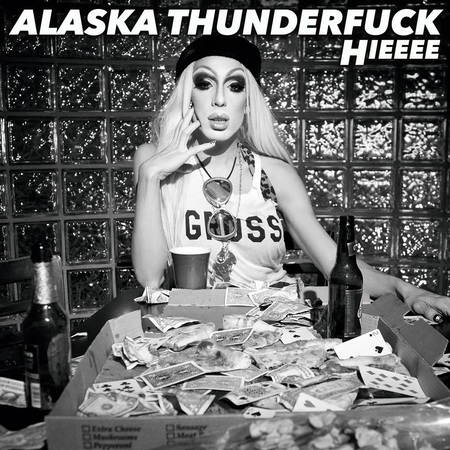
Listening to this track, it’s immediately clear that this isn’t a typical pop song. Alaska isn’t singing a melody; she’s more like speaking the lyrics over an electronic beat. Her voice sounds high-pitched, nasal, and loud compared to the music. The voice doesn’t blend with the music—it sounds like it’s coming on its own. This technique makes the song resemble a slogan more than a lyrical composition. In the context of drag, this works so that the voice doesn’t express emotion, but rather delivers a message.
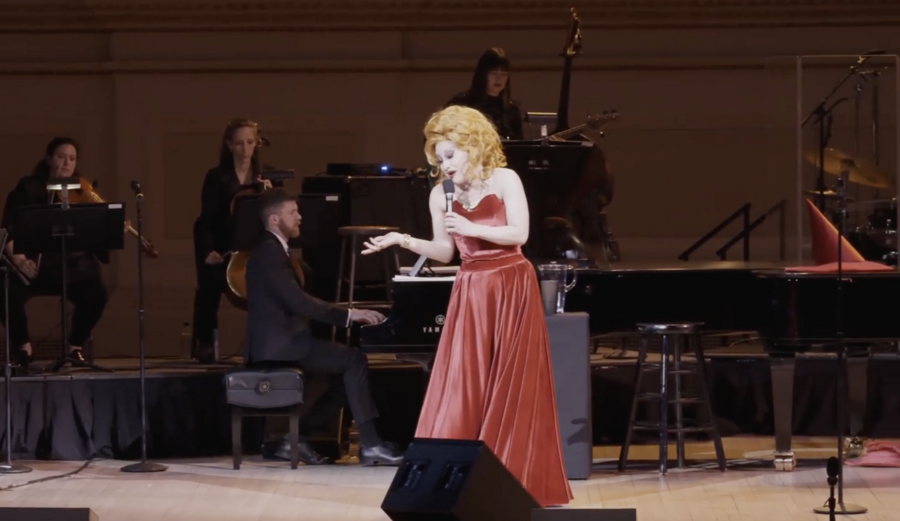
Jinkx Monsoon: «The Lavender Song» at Carnegie Hall
In this example, the approach is entirely different. Jinkx Monsoon sings with the powerful, deep voice of an operatic or cabaret singer, utilizing strong vibrato. If Alaska or Aja work with electronics, Jinkx sounds live. This contrast is significant because here, drag is not about voice distortion; rather, it is a demonstration of impeccable vocal mastery. Yet, this mastery is also a mask. She sings with an «old-fashioned» cabaret voice that references early 20th-century culture. The vocal performance here is not merely singing—it is a historical allusion that functions as a drag gesture in itself.
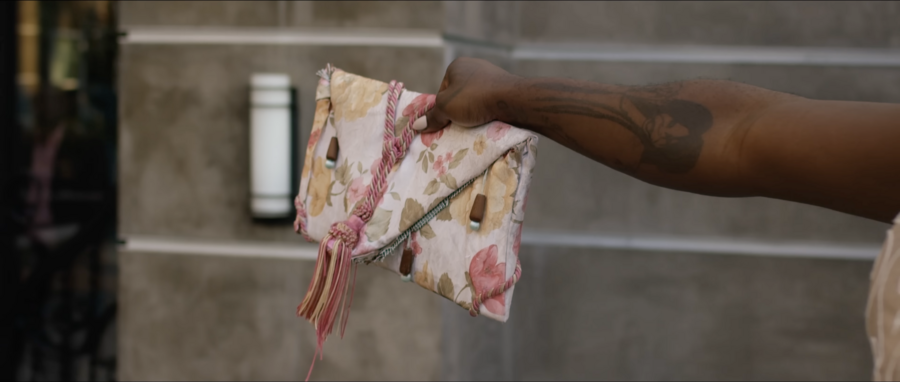
This track is built around the repeating phrase «Purse first.» The core element of the sound is the rhythm. The artist delivers the phrase with a consistent intonation but varies the placement of pauses. This technique creates a chanting effect. While a typical hip-hop artist emphasizes key words with their vocals, here, the repetition and insistence are what matter. The «drag» comes from the artist not singing, but rather «driving» the phrase into the listener’s head. The voice is utilized as a rhythmic instrument.
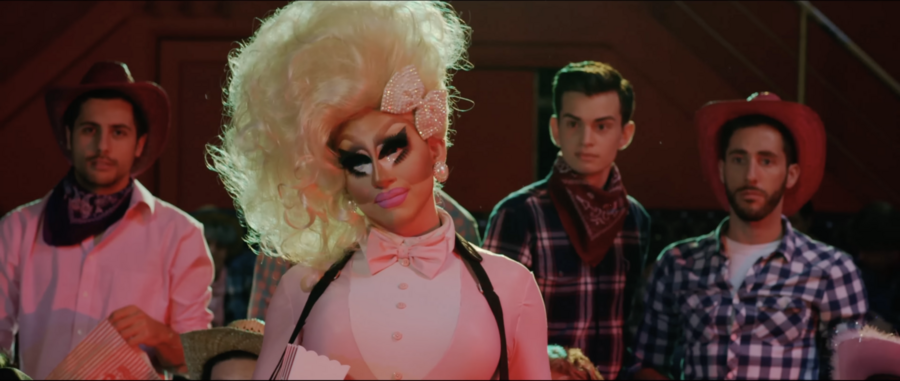
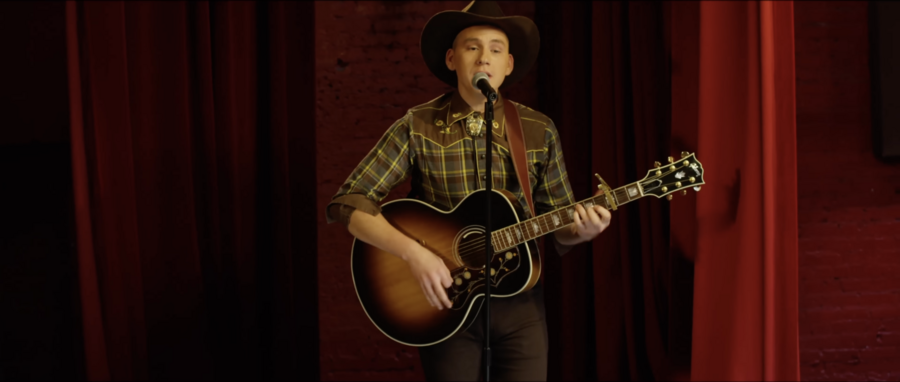

«Mama Don’t Make Me Put On The Dress Again» OFFICIAL MUSIC VIDEO
https://music.apple.com/ru/album/hieeee/1557241989?i=1557241992 (Accessed: November 10, 2026)
https://youtu.be/Td31JRgRp4c?si=x3MAdxP6--fPmju5 (Accessed: November 10, 2026)
https://youtu.be/p8x9DhvvH54?si=wCp9DSXsFwhnFL-I (Accessed: November 10, 2026)
https://youtu.be/zuogbfF6VR8?si=ma_V3roW0hzcvy19 (Accessed: November 10, 2026)
https://youtu.be/AQzD1k1sa6A?si=wHcrWePQ6WjMzeuu (Accessed: November 10, 2026)
https://vinylmarkt.ru/catalog/vinilovaya_plastinka_trixie_mattel_two_birds_one_stone_lp/ (Accessed: November 10, 2026)