1. Concept
For my research, I chose the work of Nam June Paik—an artist who was among the first to use televisions as artistic material. I was interested in how a familiar device for watching broadcasts could transform into a standalone piece of art.In the 1960s, the television was already an integral part of daily life. Typically, viewers simply looked at the screen and received a finished image. Paik proposed a completely different approach. He began experimenting with the television signal, altering the image, connecting screens to various objects, and incorporating them into performances and installations.
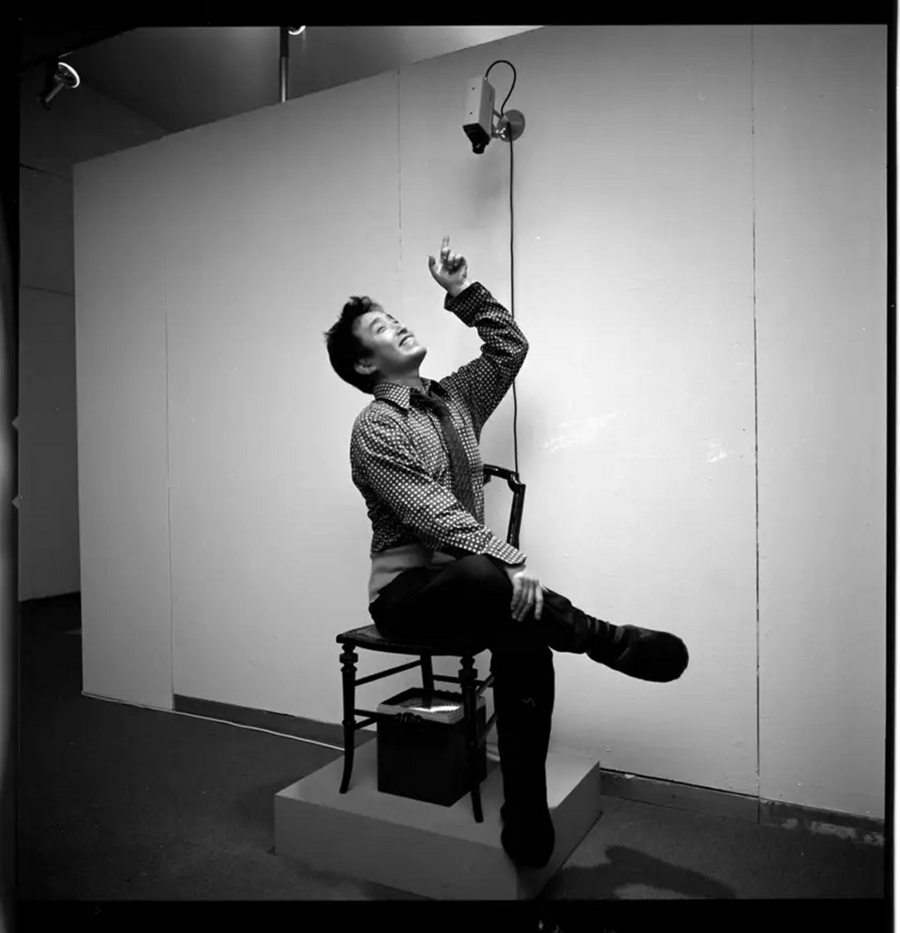
Jun Pike. TV Chair. Photo: F. Rosenthal.
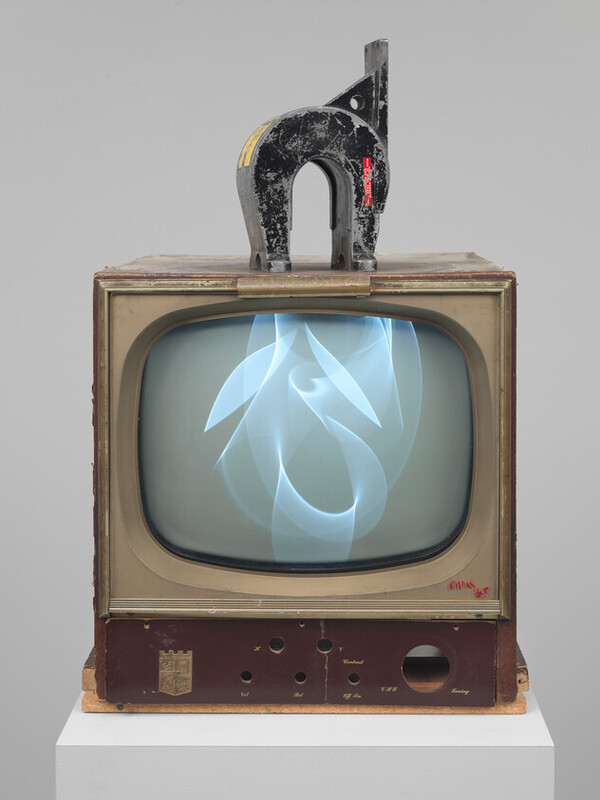
It is particularly interesting how differently the television appears in Paik’s works. In Zen for TV (1963), the image transforms into a single glowing line. In Magnet TV (1965), a magnet distorts the picture on the screen. And in TV Buddha (1974), the television connects to a video camera and shows the statue its own image.
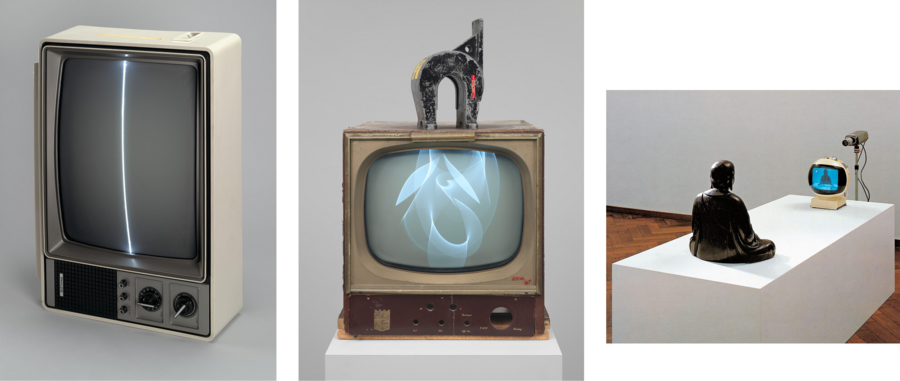
[1] Zen for TV, 1963; [2] Magnet TV, 1965; [3] TV Buddha, 1974.
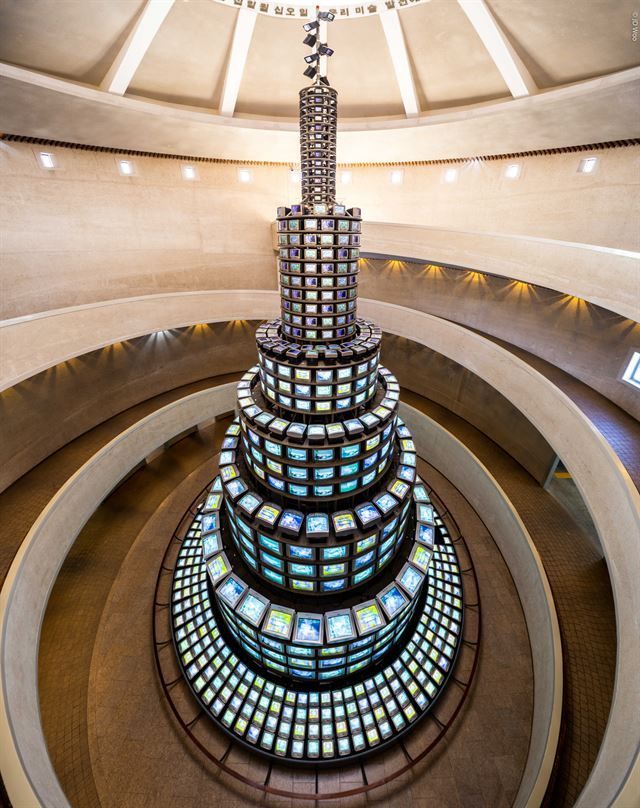
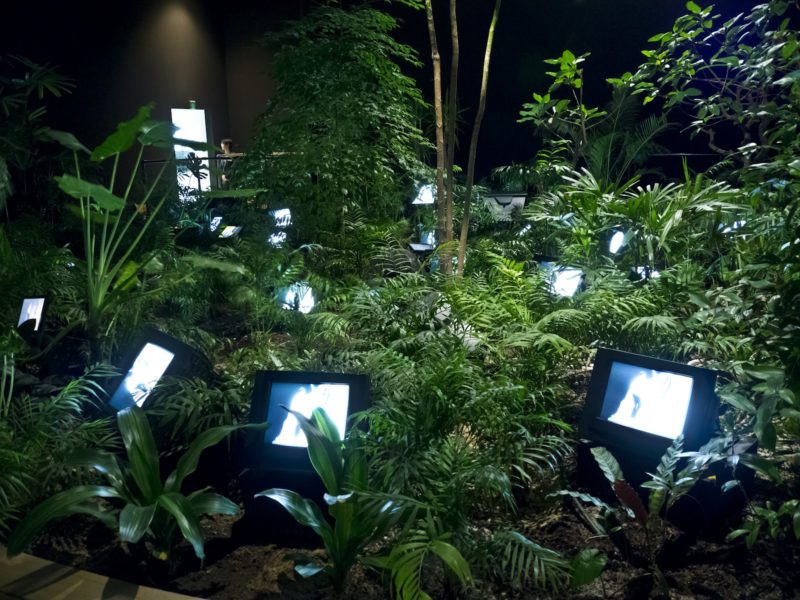
Later, Pike began working with a large number of screens. In TV Garden (1974), televisions were situated among plants, becoming part of the surrounding environment. In The More the Better (1988), numerous monitors were assembled into a massive structure. In these works, the television is no longer perceived as a separate device, but rather as an integral part of the overall composition. The significance lies not only in the image on the screen, but also in the placement of the monitors, their quantity, and the scale of the entire installation.