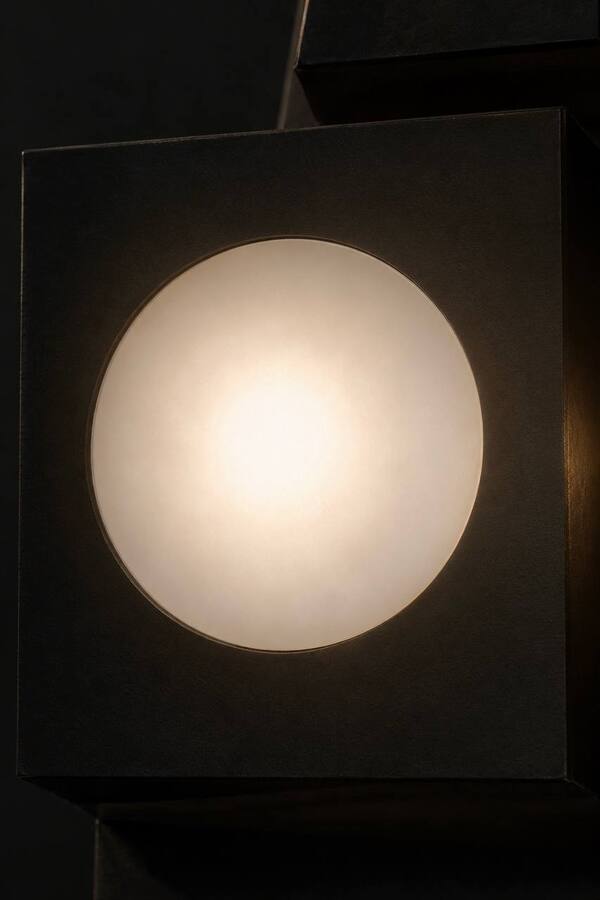
Metabolism
Metabolism—a Japanese architectural movement from the late 1950s. Its manifesto was presented in Tokyo in 1960. The name is drawn from biology: buildings and cities must renew themselves like metabolic processes, rather than remaining static. The idea emerged in post-war Japan, a country facing land scarcity and rapid urban growth.
Key figures included Kisho Kurokawa, Kenzo Tange (who mentored the group), Fumihiko Maki, Kiyonori Kikutake, and Masato Otaka.
The core principle was that the building’s components have different lifespans. The structural frame endures for decades, while the residential modules connect to it and are replaced over time. This gives rise to modularity, growth, and incompletion—the building is never considered finished.
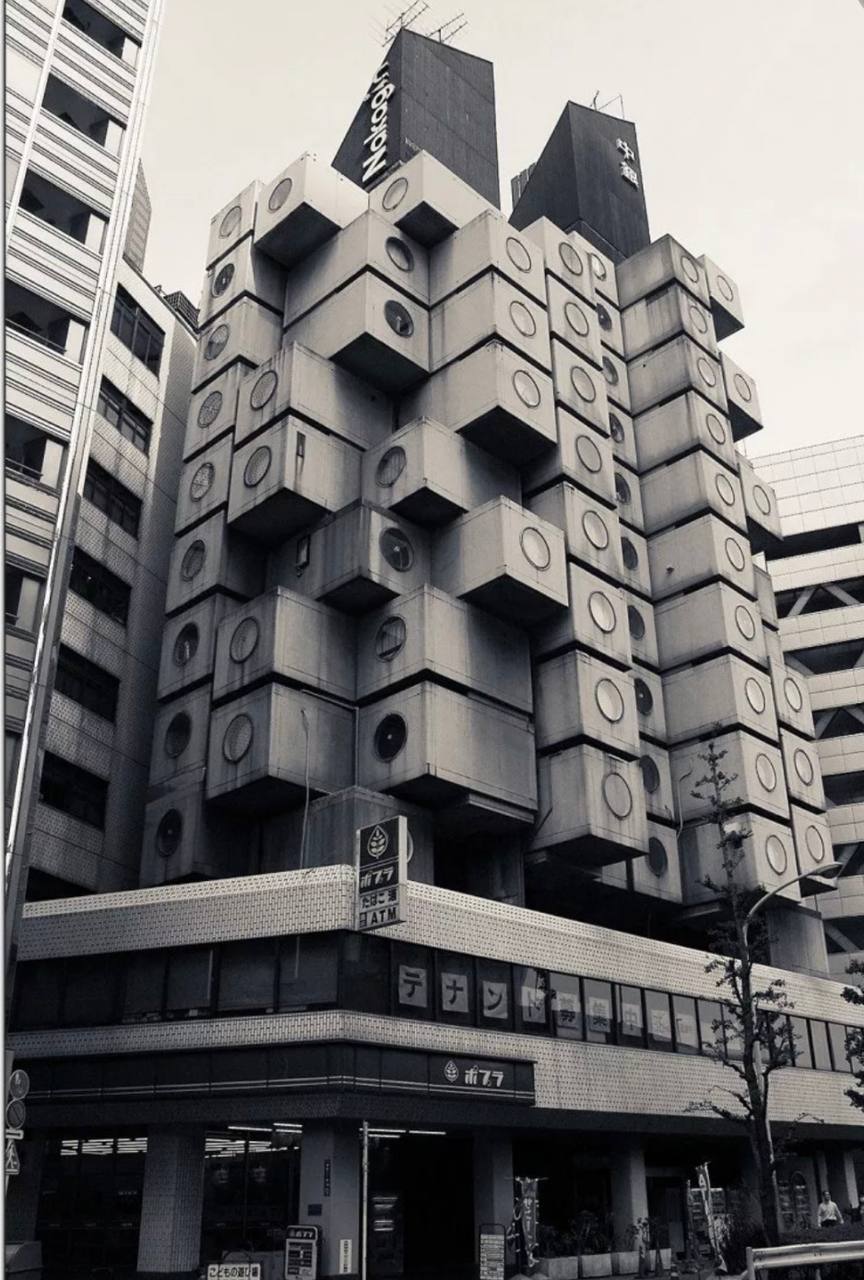
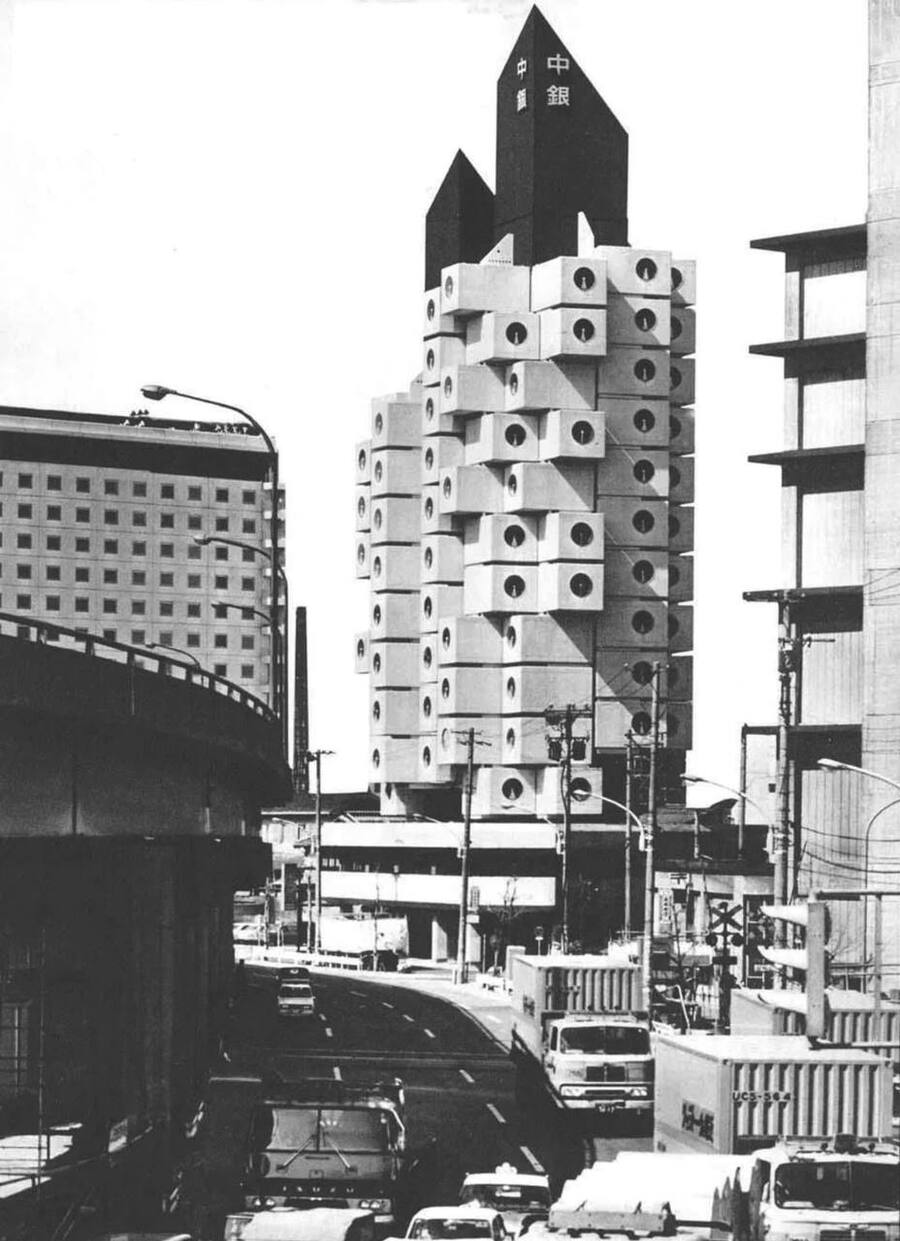
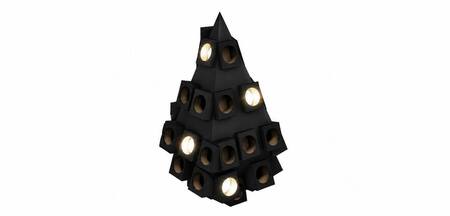
The object illustrates the core principle of metabolism: the components of the structure have differing lifespans.
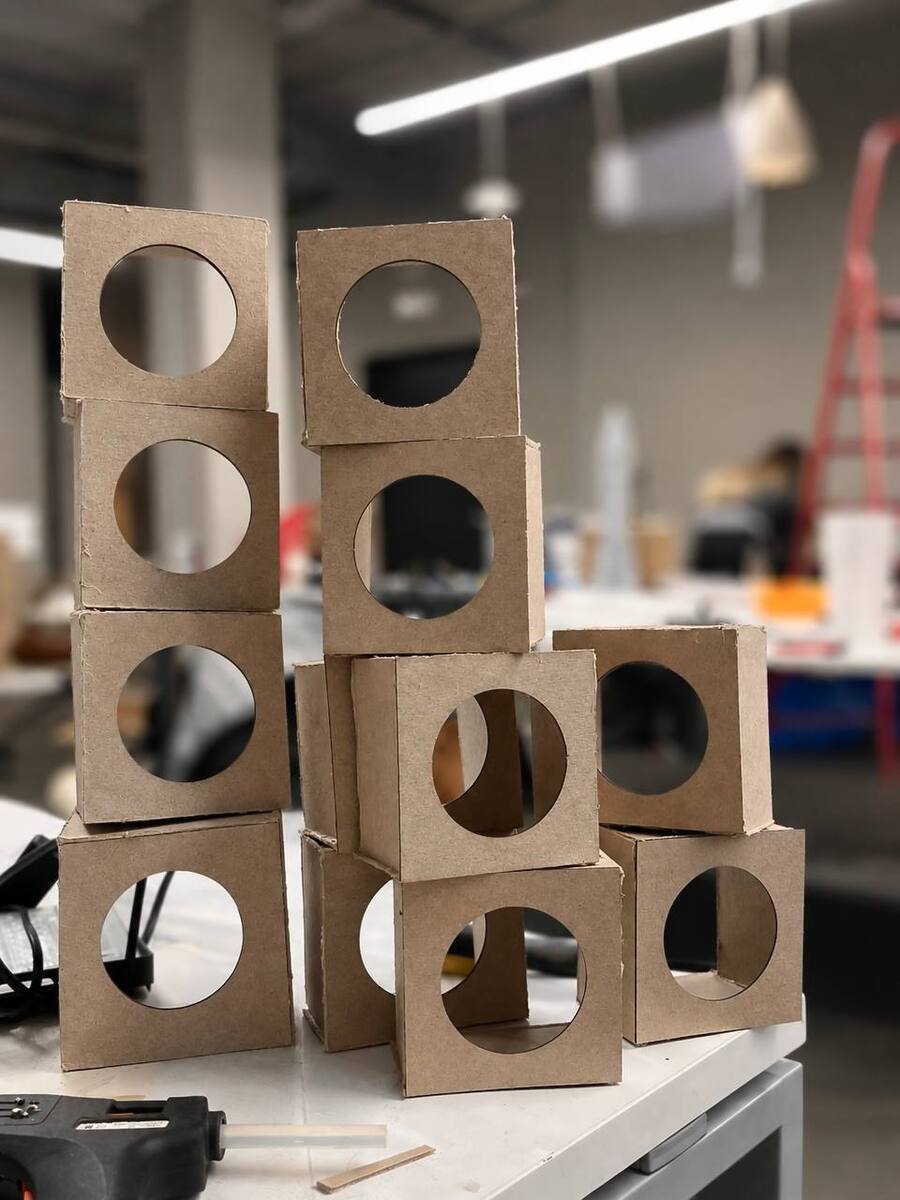
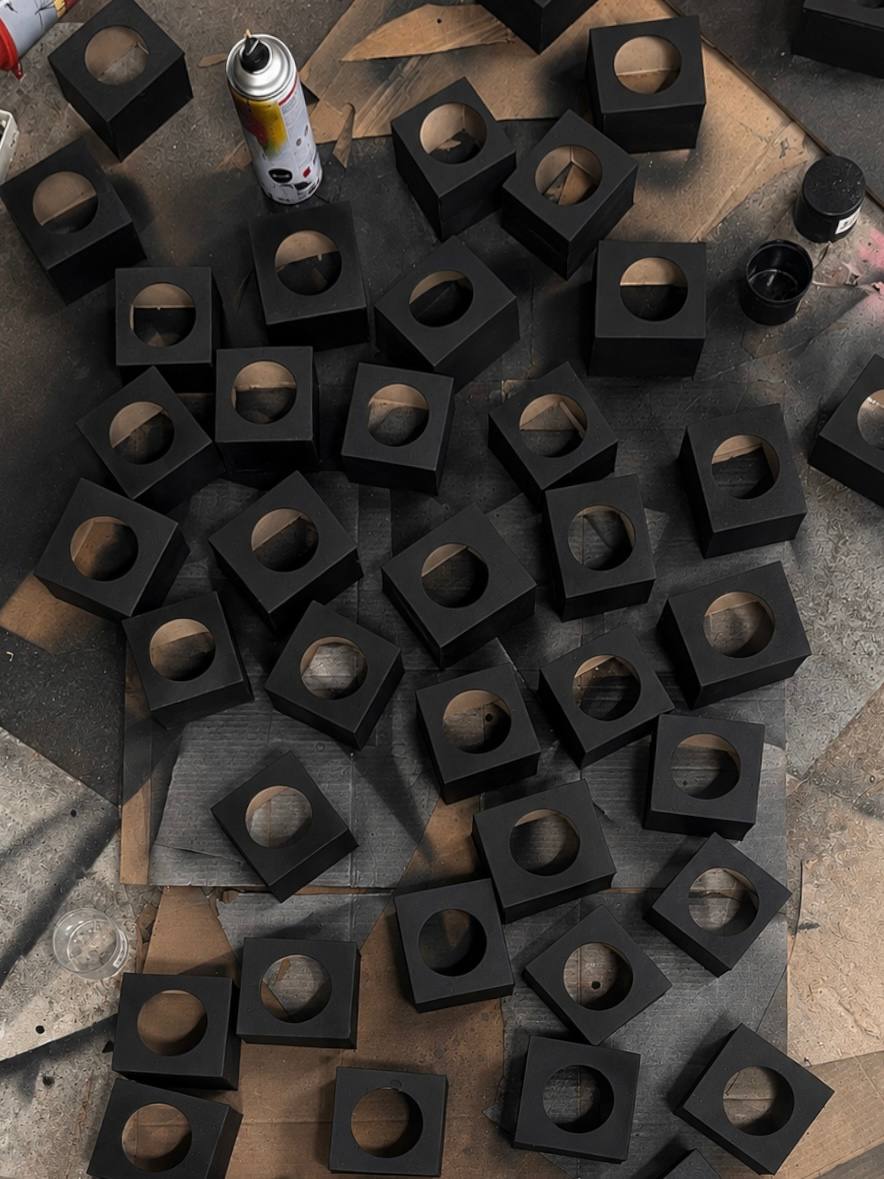
The central conical stem functions as the load-bearing framework and remains constant. Black cubes with round windows, which are capsules of a uniform size of 85×70 mm, are attached to it in tiers. They can be replaced, added, or removed, much like the capsules in Kurokawa’s Nakagin Capsule Tower.
The cubes are rotated at various angles, giving the object a growing appearance and lacking a final form—this conveys the unfinished quality, one of the Metabolists' ideas. The object measures 660×300 mm overall.
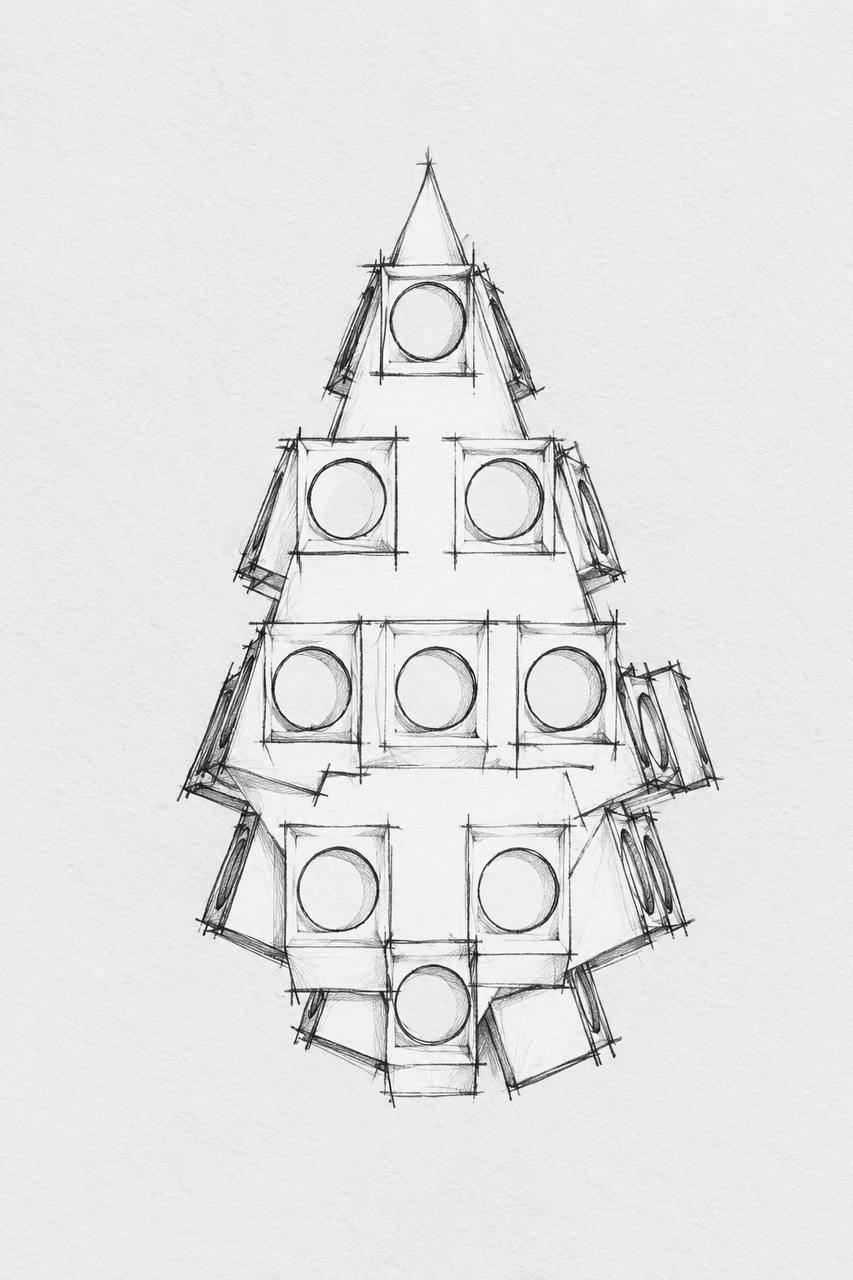
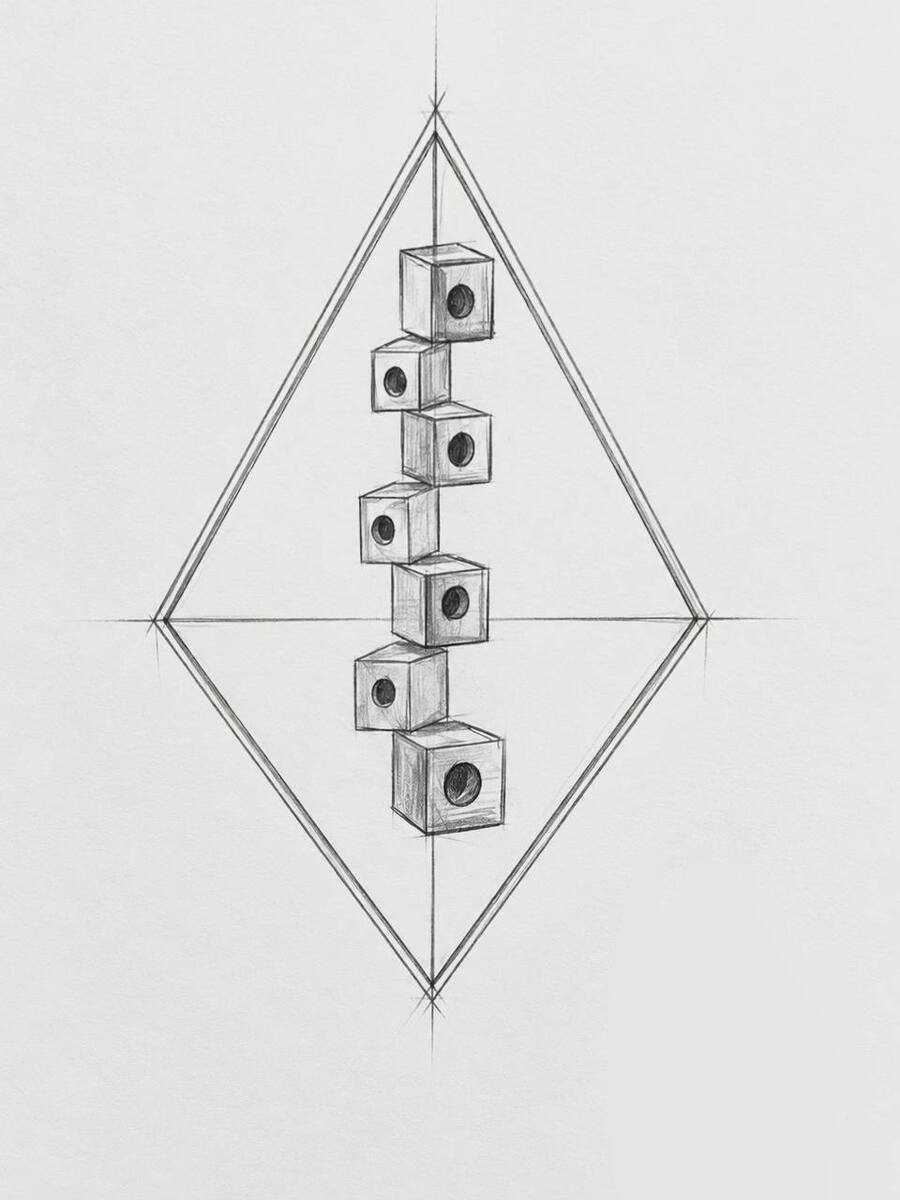
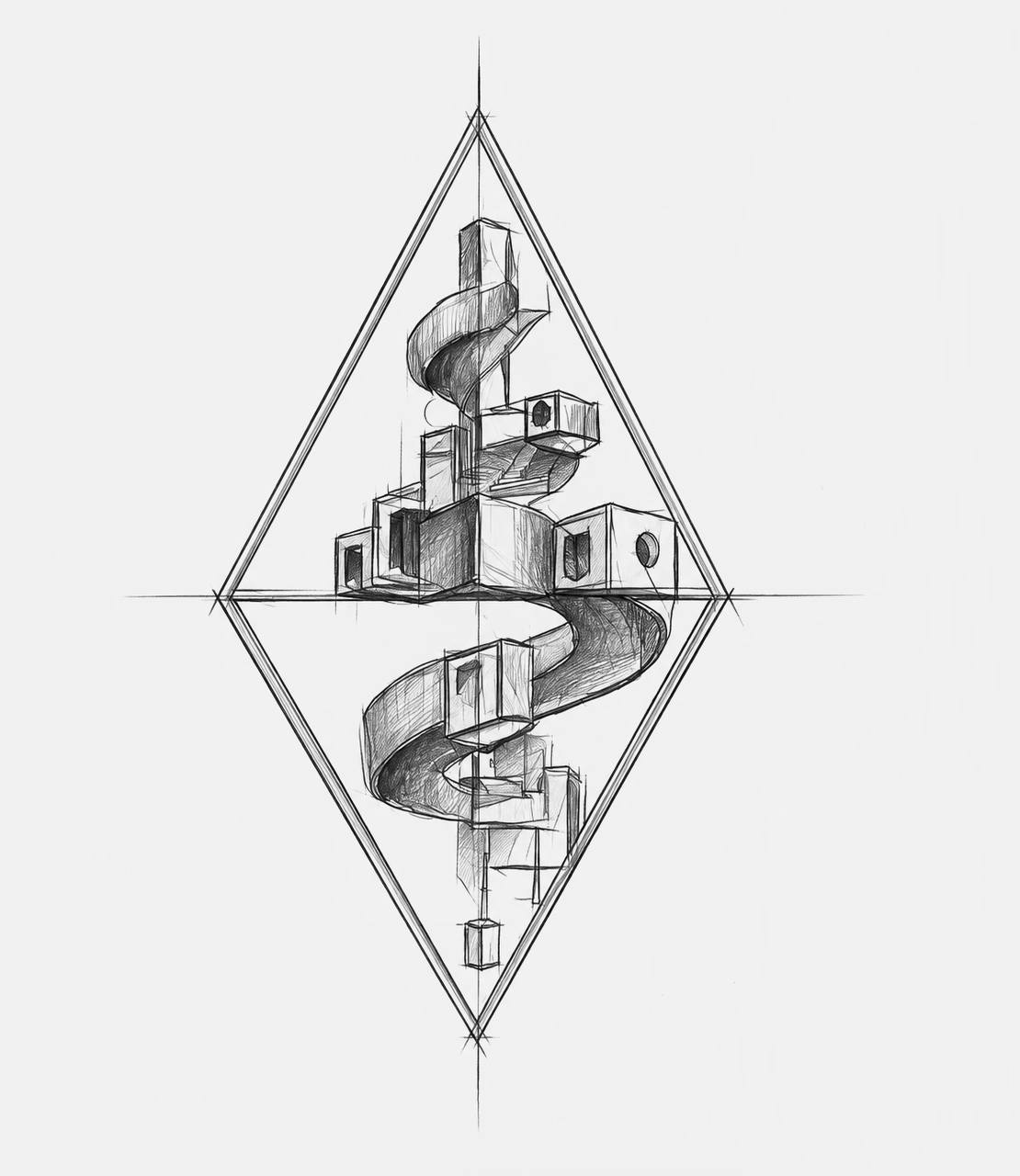
Sketches

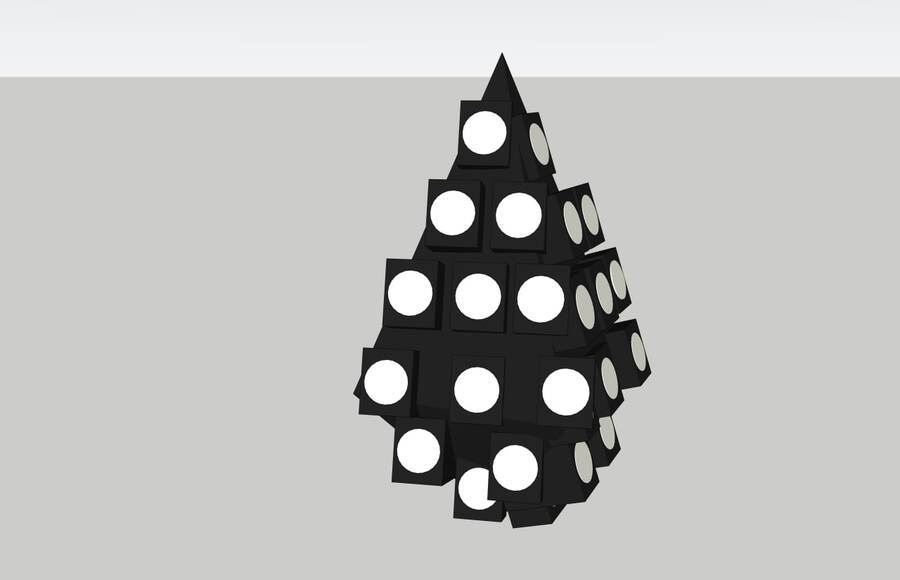
Search form
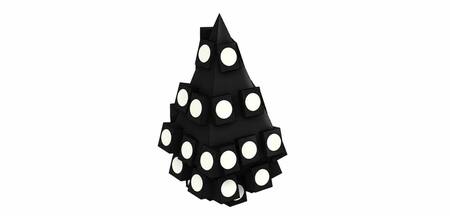
Final 3D Model

Workflow


Final Art Object