Navigation
yavuyau
Concept
Gothic stained glass windows typically consist of a vast array of individual components. One wants to examine each piece in detail, and because the windows themselves can be enormous, dedicating significant time is necessary to ensure nothing is missed. All these details come together to form patterns and ornamentation, creating a unified narrative from individual elements. It is crucial not to overlook these separate components, because they are what allow one to delve deeper into the work’s narrative and perceive what the artist might have intended to conceal from the casual viewer. This is why the ornamentation of Gothic stained glass seems to me an excellent subject for visual inquiry.
To begin, I decided to understand the phenomenon of Gothic stained glass as a whole, since it is a unique and complex art form that, in my opinion, warrants special attention. To delve further into the topic, it is important to understand why stained glass emerged and how the method of its creation and the play of light influence the integrity of the image. Subsequently, in each section, I examined different techniques of ornamentation within the stained glass separately and how they affect the formation of the composition. For each section, I selected two or three works for comparison to illustrate these points and discuss the theme. Finally, I summarized my research and wrote a conclusion that brought everything to a unified finding.
I delved through various museum catalogs to find high-quality examples of stained glass. It was important to me that the materials shared a commonality within each section, which allowed me to analyze and compare the works based on that common thread. This approach enabled a more detailed and precise examination of every type of ornament in Gothic stained glass, leading to a deeper understanding. In the photo archives, I sought out pieces that included museum captions for classification in the study, as this makes navigating the images of the stained glass much easier.
To work with the text, I used sources related to my topic. Initially, I focused on the phenomenon of Gothic stained glass. For this, I relied on online texts, filtering them to extract the information I needed, while ensuring it was factually accurate. When analyzing the works and styles, I also considered various sources, but in that part, I incorporated my own personal reflections and observations from the stained glass pieces under review. The conclusion, however, is my own finding, drawn from everything previously discussed.
The main question that concerns me here is about the types of ornamentation present in Gothic stained glass and how each type is manifested within the work.
Within the ornamentation of the Gothic stained glass, there lies more than just the desire to beautify a space with shimmering light filtered through intricate patterns; the meanings hidden within these designs hold significant weight. They function more as a tool that deepens the viewer’s understanding of the depicted narrative, offering added detail to the audience or helping the creator conceal information not intended for everyone. This concept forms the foundation of my visual research hypothesis.
On Gothic Stained Glass
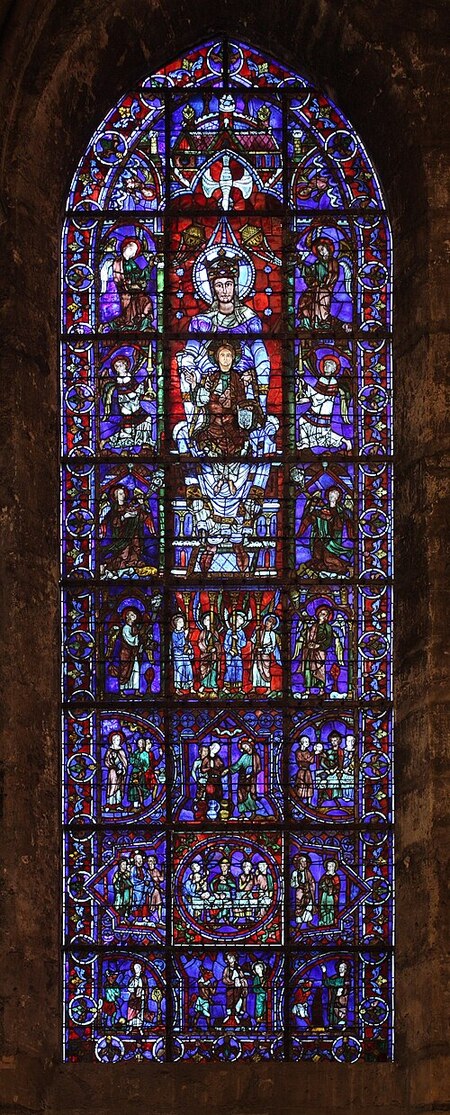
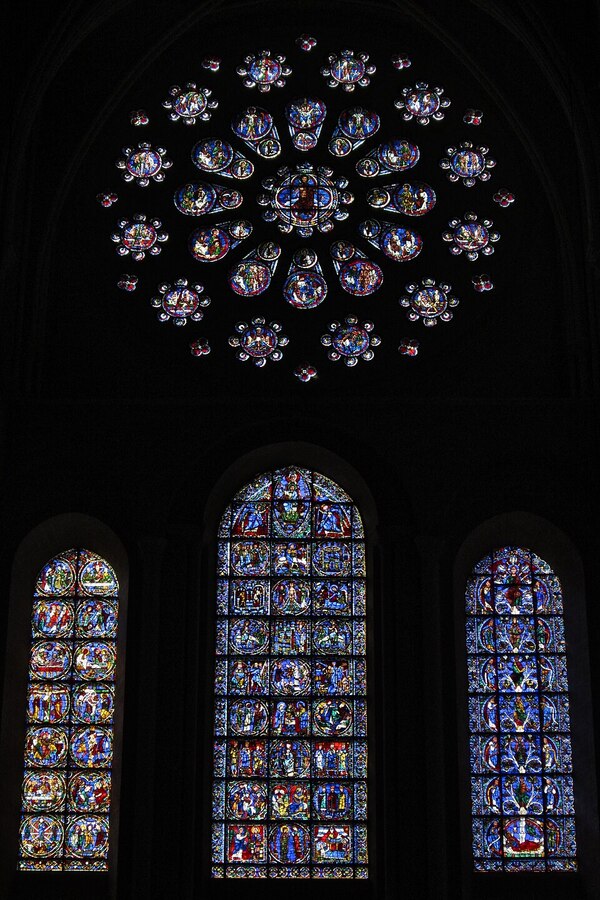
«Notre-Dame de la Belle Verrière, ” Chartres Cathedral. France. c. 1180 / West windows of Chartres Cathedral. France. 1145–1155
St. Chapelle Upper Choir. Paris, France. 1241–1248
Framework as an Ornamental Element
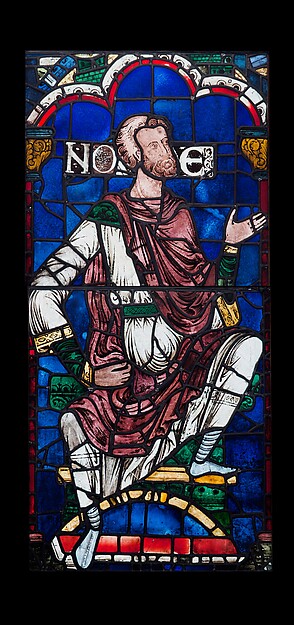
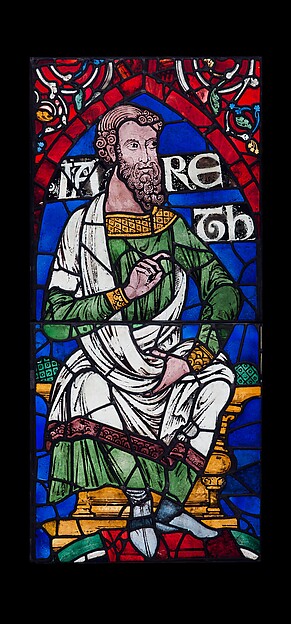
«Ancestors of Christ» window and border. Canterbury Cathedral, England. 1178–1180
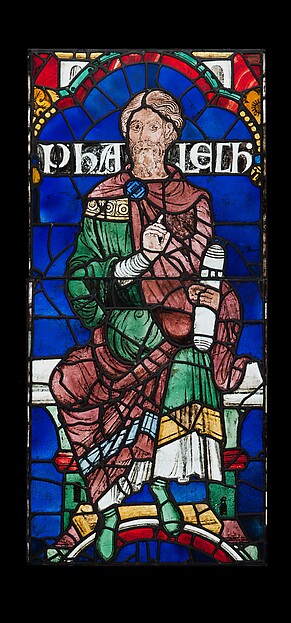
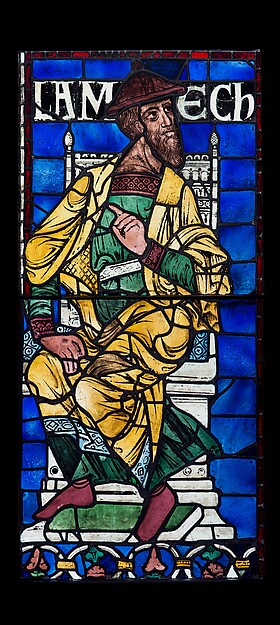
«Ancestors of Christ» window and border. Canterbury Cathedral, England. 1178–1180
«Scene from the life of Daniel.» Saint-Chapelle, Paris, France. Circa 1243–1248.
«The Marriage of Tove and Sara.» Saint-Chapelle, Paris, France. c. 1243–1248
2
The Jesse Tree window, chapel of the Mother of God, Basilica of Saint-Denis, France. 1140–1144
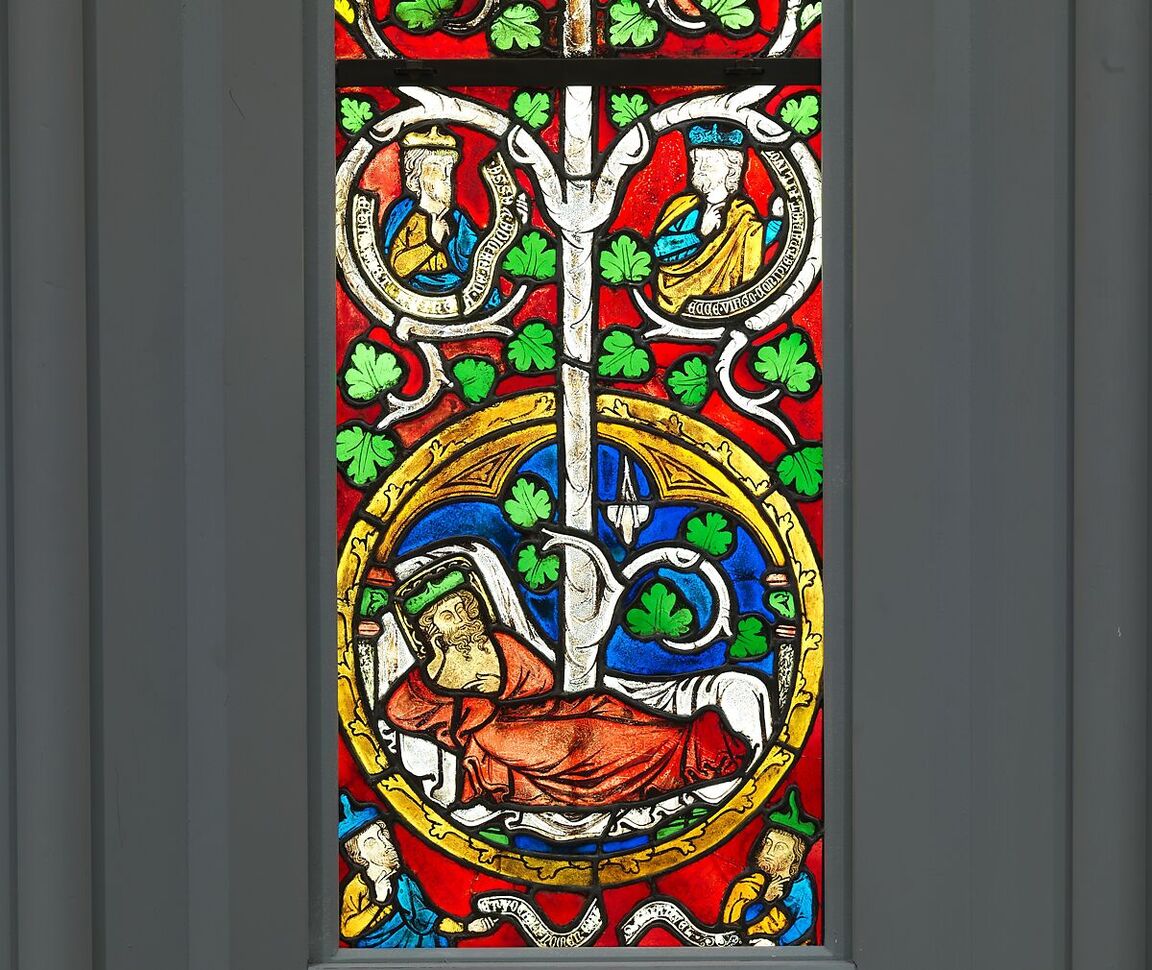
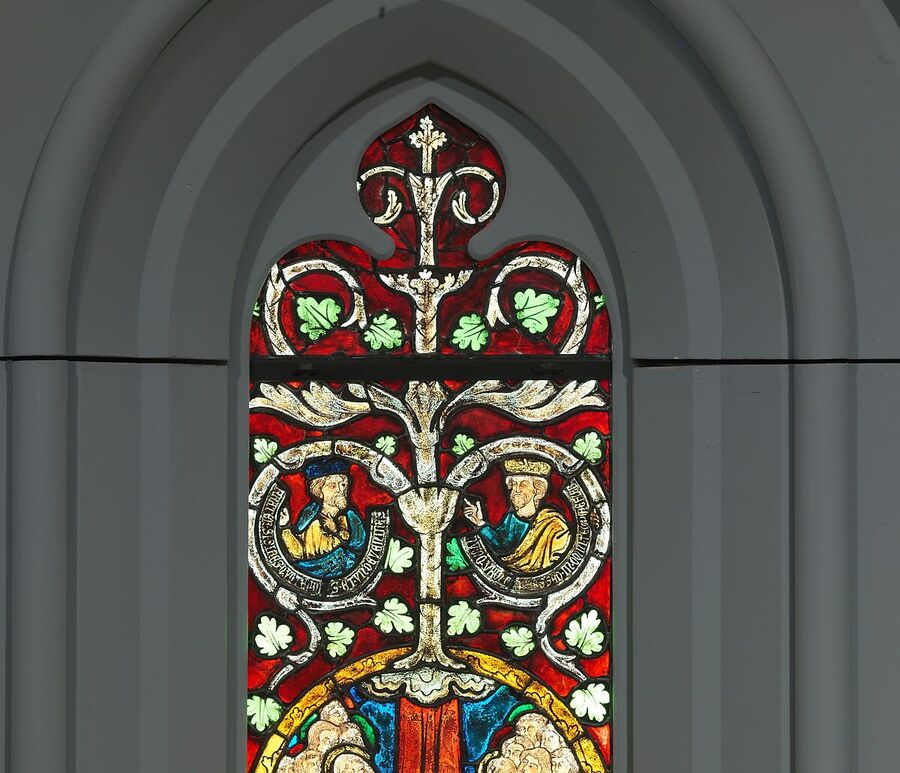
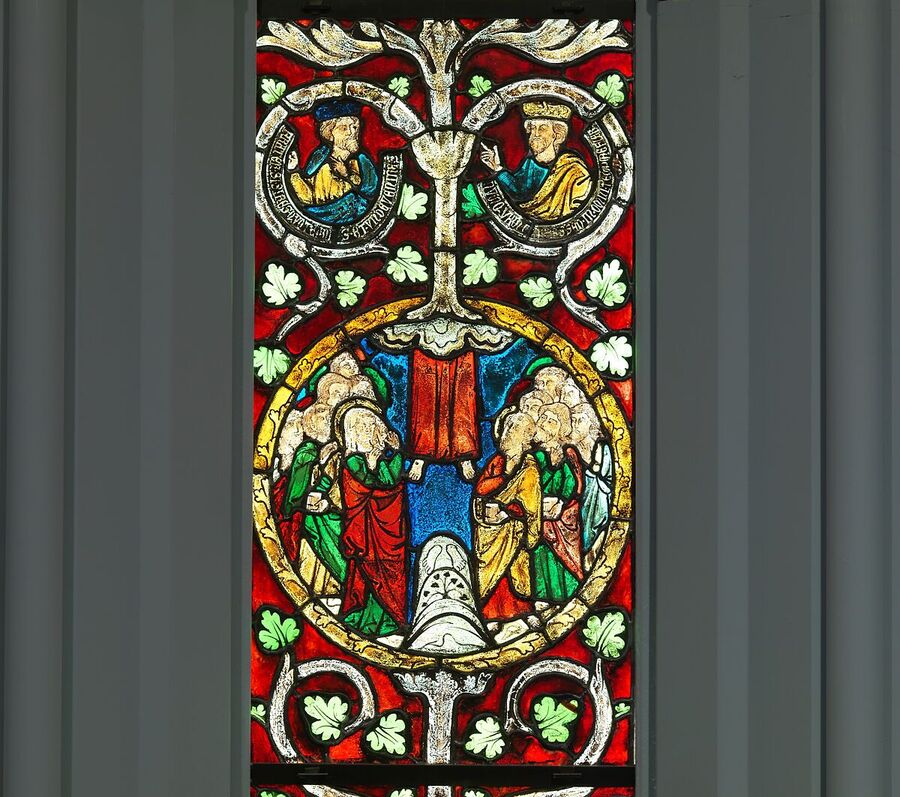
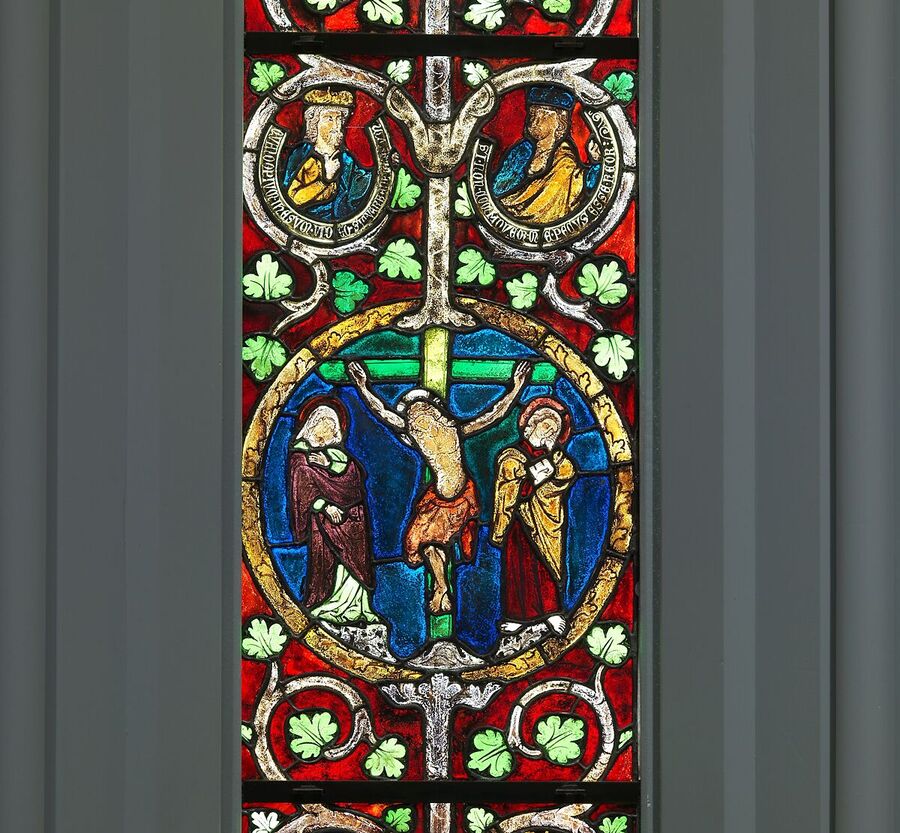
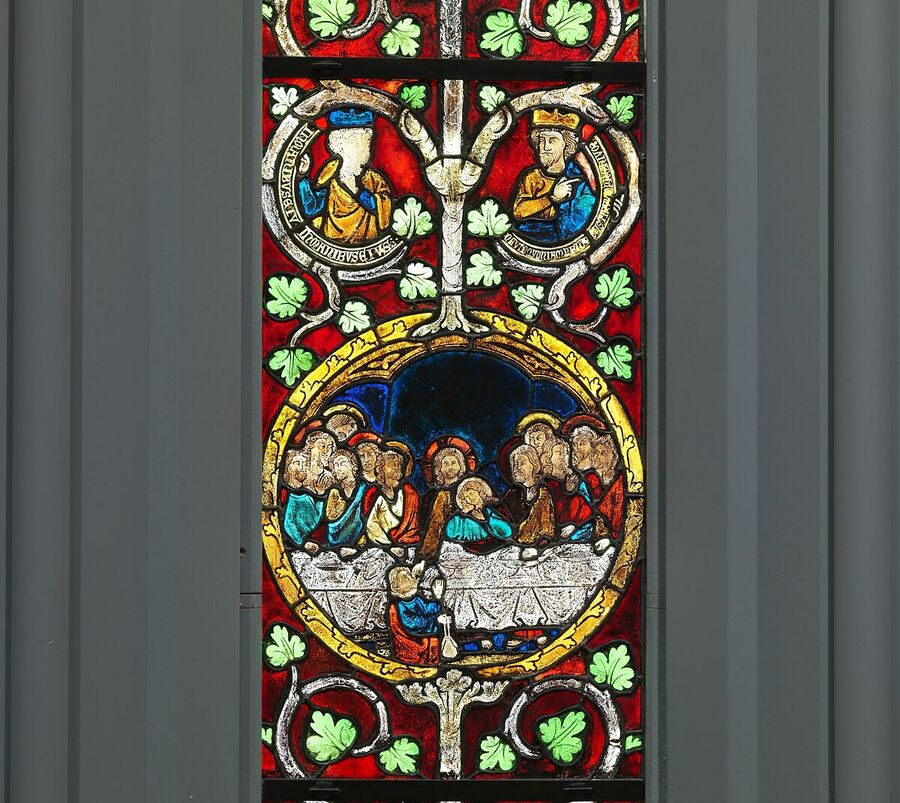
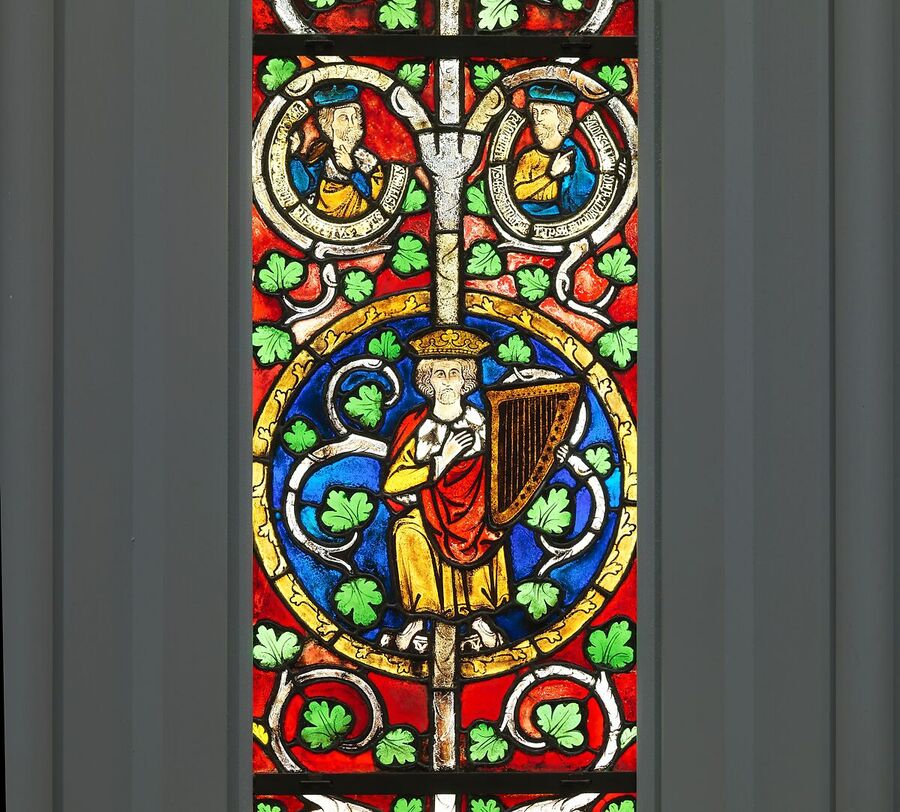
Window, «The Jesse Tree: Jesse reclining, King David, and scenes from the life of Jesus.» Swabia, Germany. 1280–1300.
3
4
5
Conclusion
C
c