
Topics1. Advertising as a Tool for Shaping Consumer Demand2. The Evolution of Advertising Strategies and Consumer Behavior in the 19th–21st Centuries 2.1. Functional Advertising and the Development of Mass Consumption in the 1850s–1920s 2.2. The Formation of the Ideal Lifestyle in Advertising During the 1920s–1960s 2.3. The Development of Emotional Positioning in the 1960s–1990s 2.4. The Brand as a Means of Self-Expression in the 1990s–2010s 2.5. Personalization and Emotional Engagement in Advertising in the 2010s–2020s3. Factors Transforming Consumer Behavior and Advertising Strategies4. A Comparative Analysis of Rational and Emotional Advertising Messages5. Conclusions
Concept
This research examines how advertising and consumer attraction methods have evolved from the 19th to the 21st century. The focus is on the shift from advertising that predominantly highlighted a product’s practical utility to advertising that appeals to emotions, values, and the desired lifestyle.
The work analyzes the role of advertising in shaping consumer demand, the specific patterns of buyer behavior across different historical periods, and the methods used to influence them. Using examples of real advertising campaigns, it traces how marketing messages, visual imagery, and perceptions of product value have changed. Special attention is given to the economic, social, and technological transformations that have impacted the development of advertising strategies.
The goal of this research is to illustrate how and why promotional approaches to goods have changed, as well as to determine the role that consumer emotions, personal values, and lifestyle play in contemporary advertising.
The Historical Development of Advertising and Consumer Behavior
1850–1920s. Advertising functional product benefits
Industrialization and urbanization spurred the growth of mass production and commerce. For consumers, price, quality, practicality, and accessibility were paramount. Shopping took place in small shops, department stores, and through mail-order catalogs.
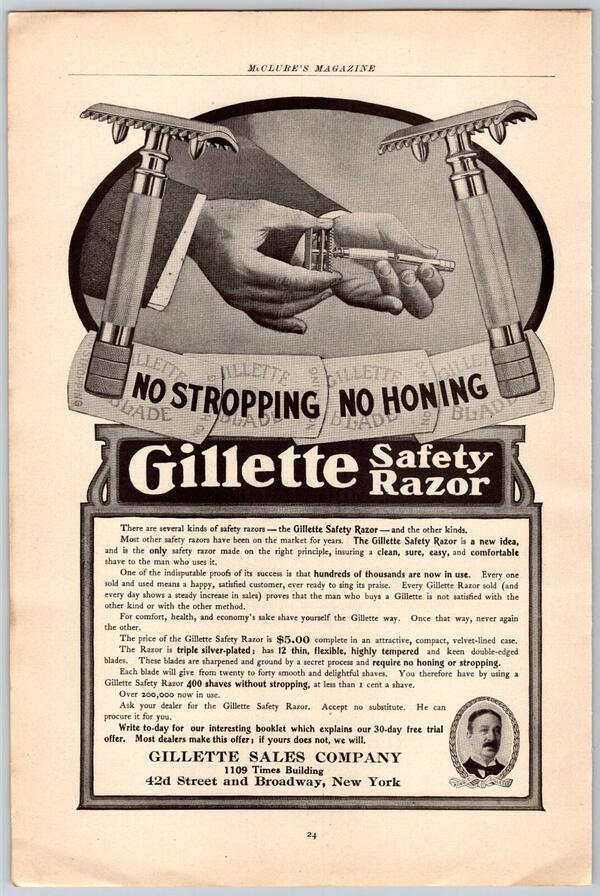
Gillette — Safety Razor, 1904
Hoover — Electric Suction Sweeper, 1918
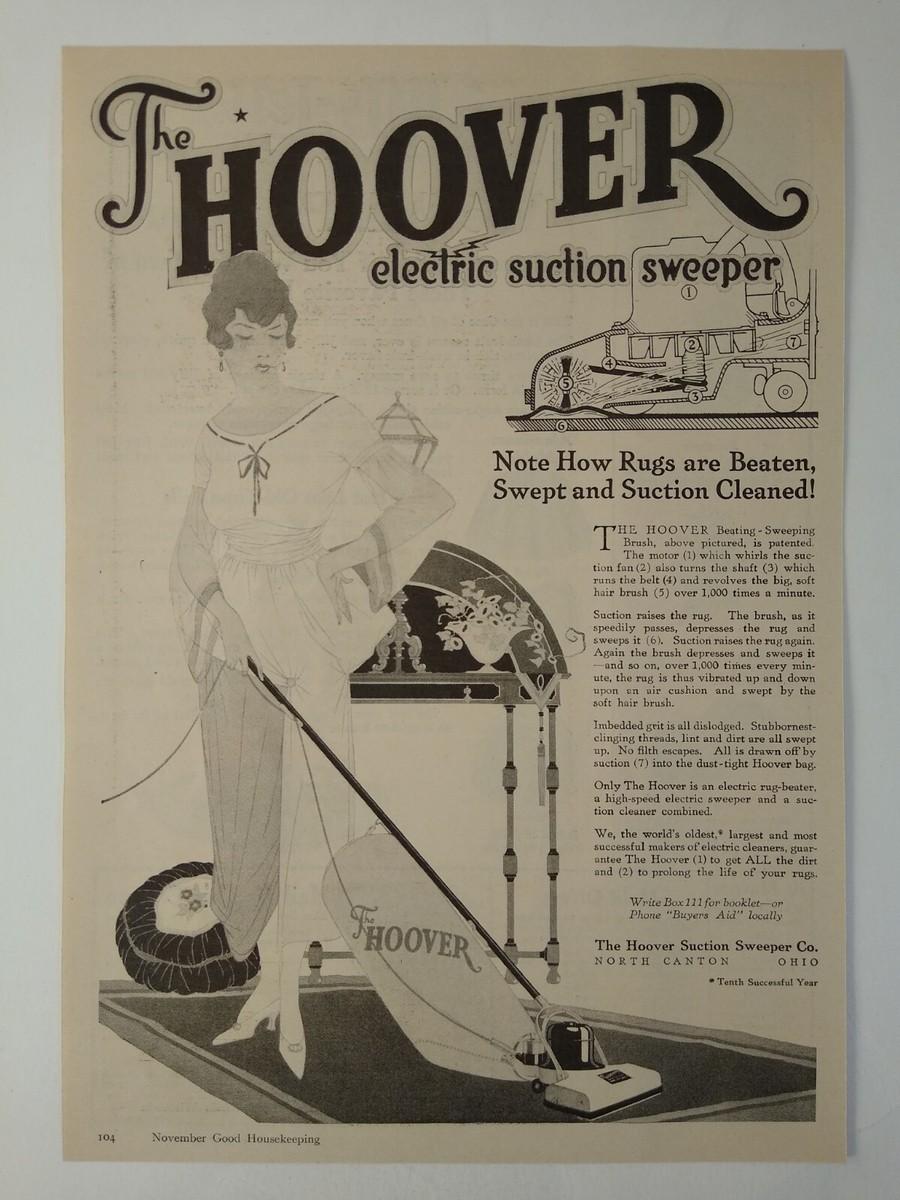
Advertising primarily explained what the product did and the benefit it provided. Detailed descriptions, illustrations, price indications, and demonstrations of advantages were used. Posters and flyers mostly consisted of textual product descriptions, while the graphics directly showcased the product itself.
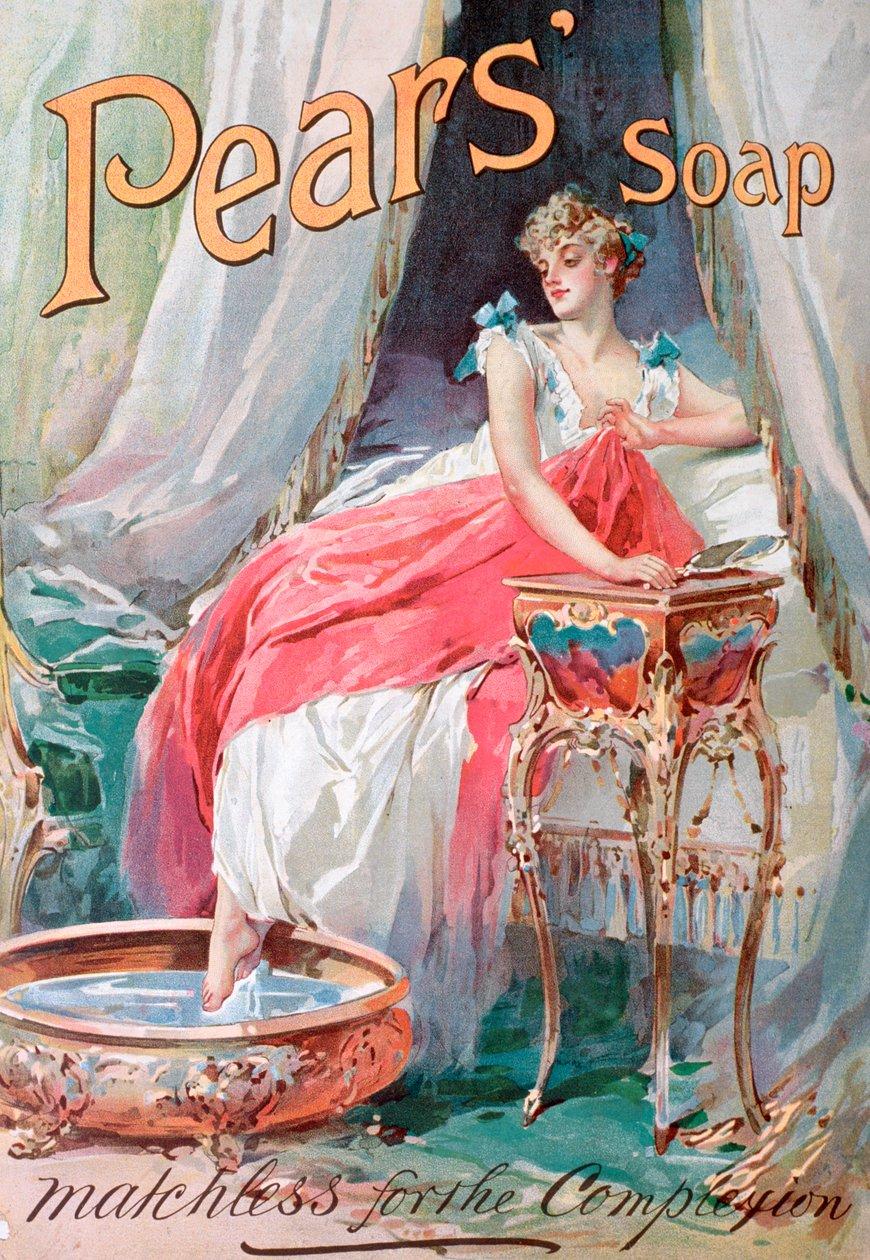
Pears' Soap, 1898
Kodak, около 1910
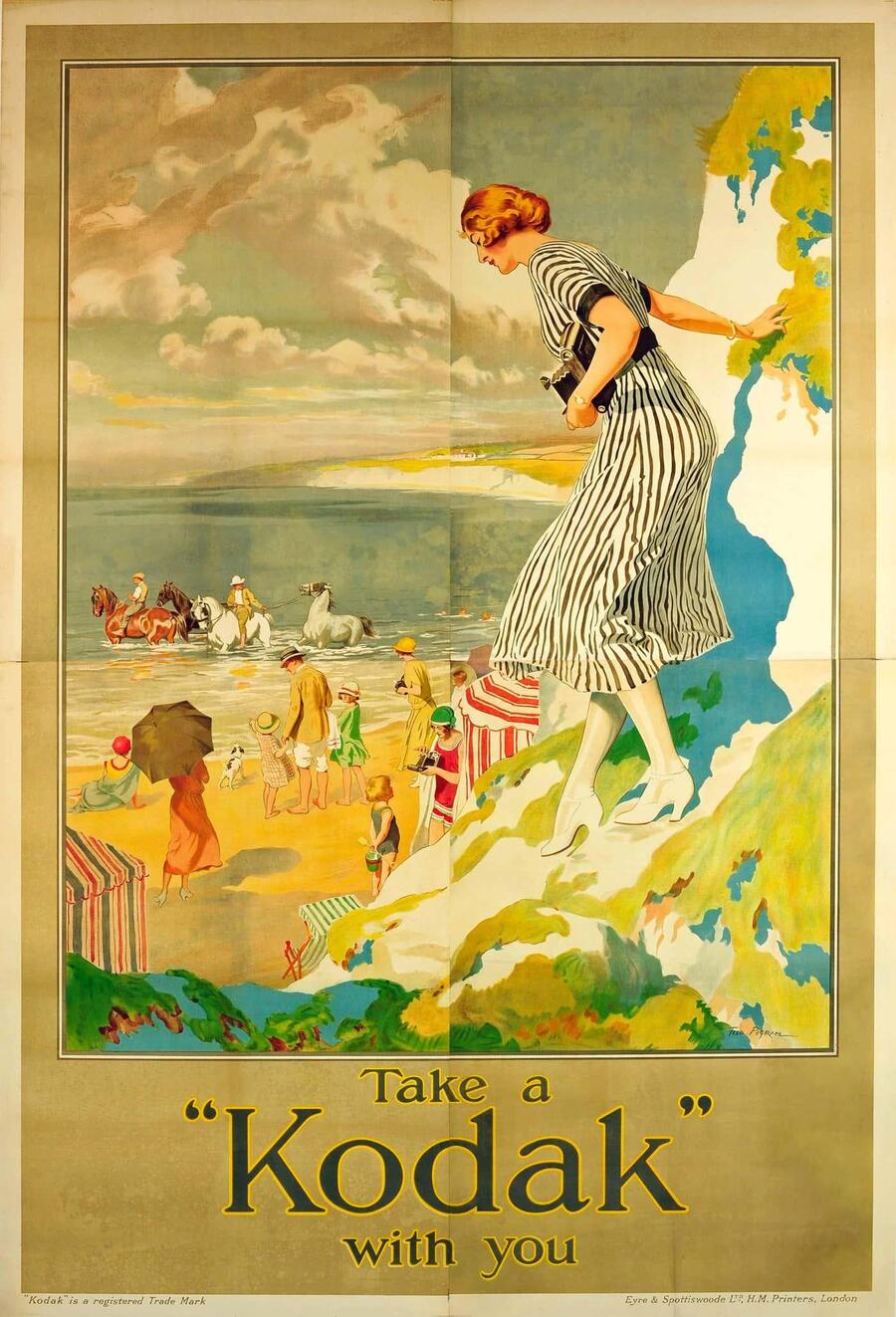
However, at the same time, the campaign for the soap demonstrates its benefits for the skin and associates the brand with images of beauty and well-being. A young, beautiful woman leisurely and unhurriedly uses the Pears' soap, tapping into the hedonistic mindset of the era. Kodak, meanwhile, builds an atmosphere of family around its product: the camera is presented as an integral part of leisure, travel, and pleasant memories.
In advertising during this period, demonstrating the practical utility of a product played a crucial role. Plots were constructed around the direct application of goods. However, even then, producers utilized emotional imagery and associations, linking their products to beauty, comfort, and pleasure.
The 1920s–1960s: Shaping the Ideal Way of Life
The further development of mass production and the rise in prosperity, especially in the post-war years, expanded consumer choices. Buyers increasingly sought not only to meet daily needs but also to enhance comfort, assert status, and approach a desired lifestyle.The peak popularity and transformation of the «American Dream.» During these years, this concept became mainstream and firmly associated with owning a suburban home, purchasing a car, and the growing affluence of the middle class.
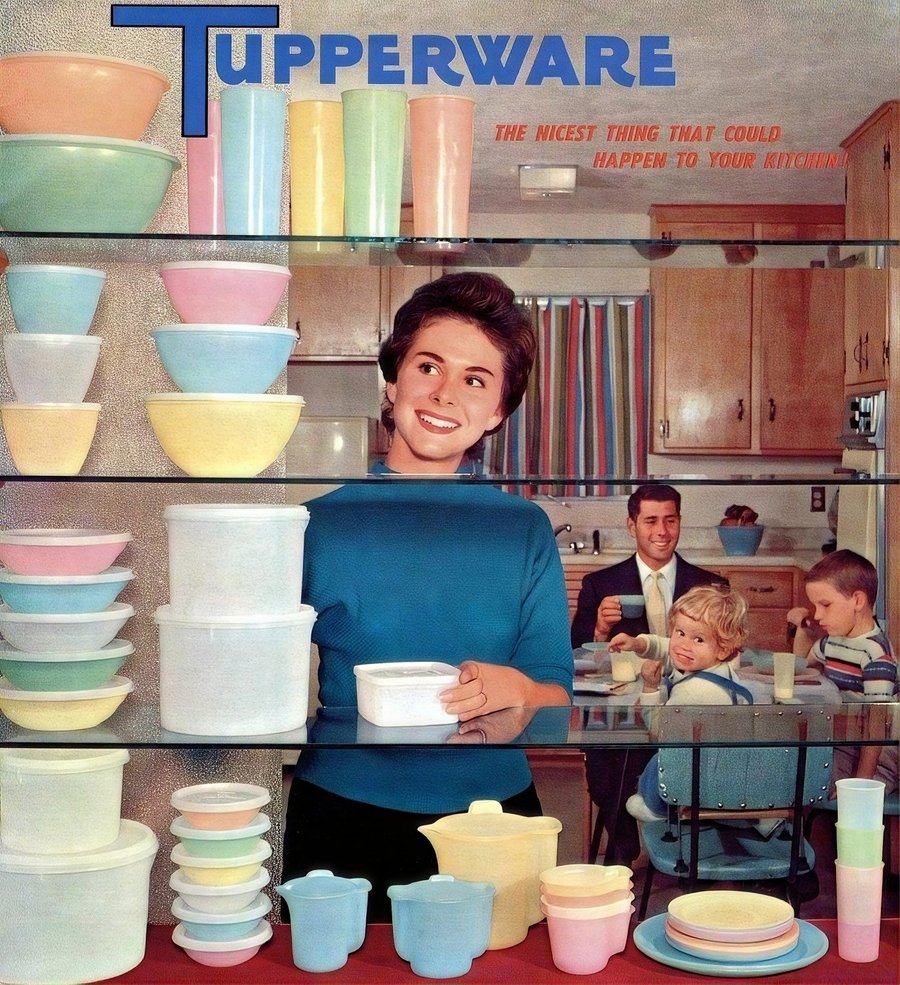
Tupperware — реклама контейнеров, 1950-е
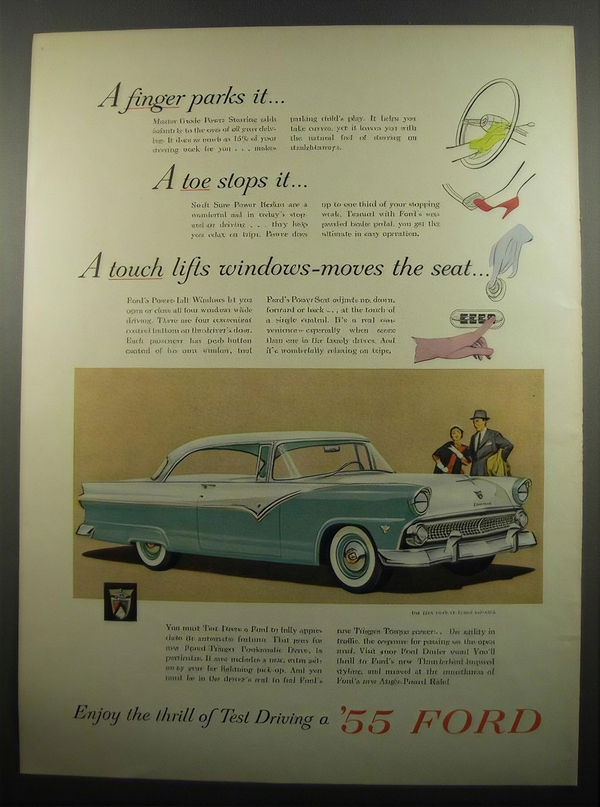
Ford — Fairlane, 1955
The Tupperware poster features a happy family surrounded by an unimaginable quantity of plastic containers and dishes. It’s enough to feed the whole family, guests, neighbors, and there will still be leftovers for tomorrow. Furthermore, all the dishware is displayed in the hutch, replacing the porcelain sets that are customary for modern individuals. The tableware set features such a diverse range of colors and is such a vibrant interior design element that one must inevitably boast about it by putting it on display. This practical food storage solution fits perfectly into the image of a convenient, modern household.
On the other hand, the Ford advertisement showcases the power steering, power brakes, and electric windows, detailing the car’s mechanics and how perfectly they align with the picture of its owner’s world. Owning a modern car serves as a sign of prosperity, comfort, and personal freedom.
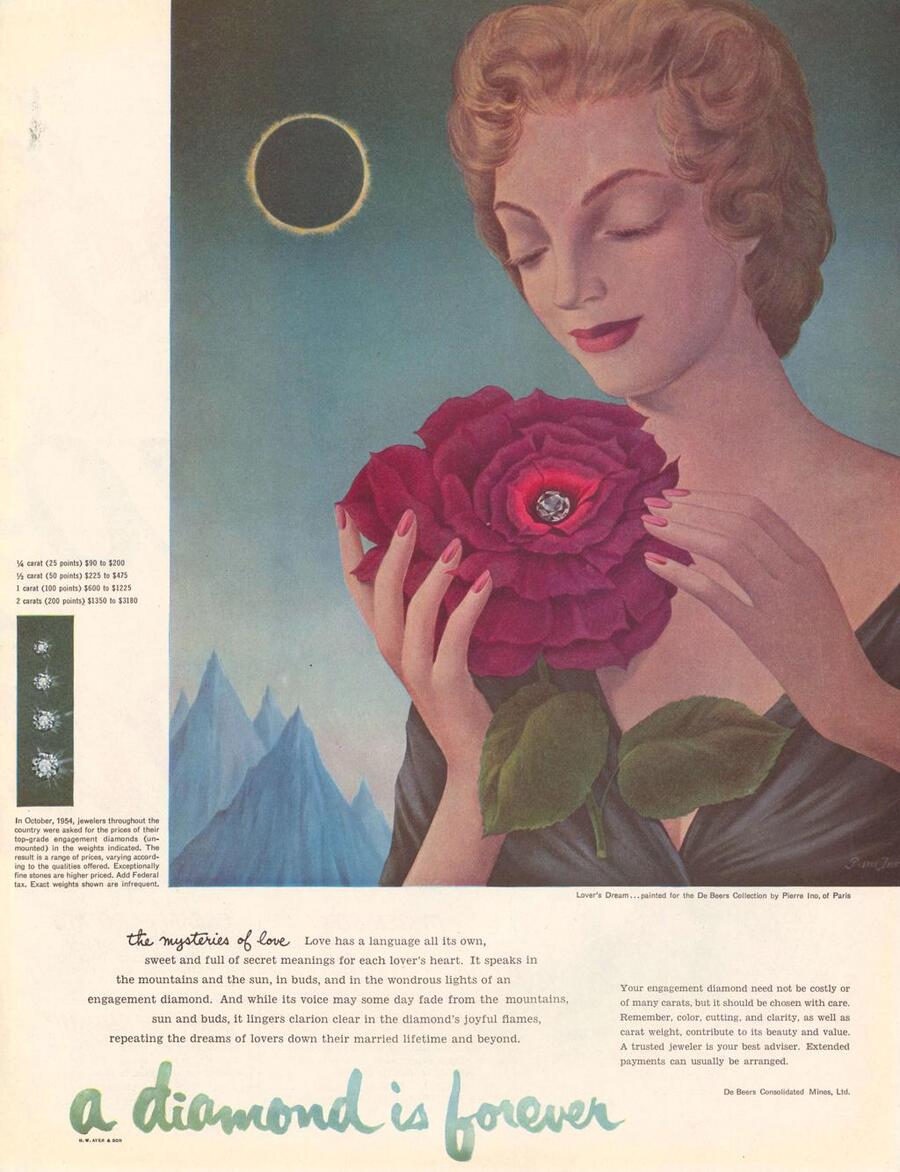
De Beers, 1954
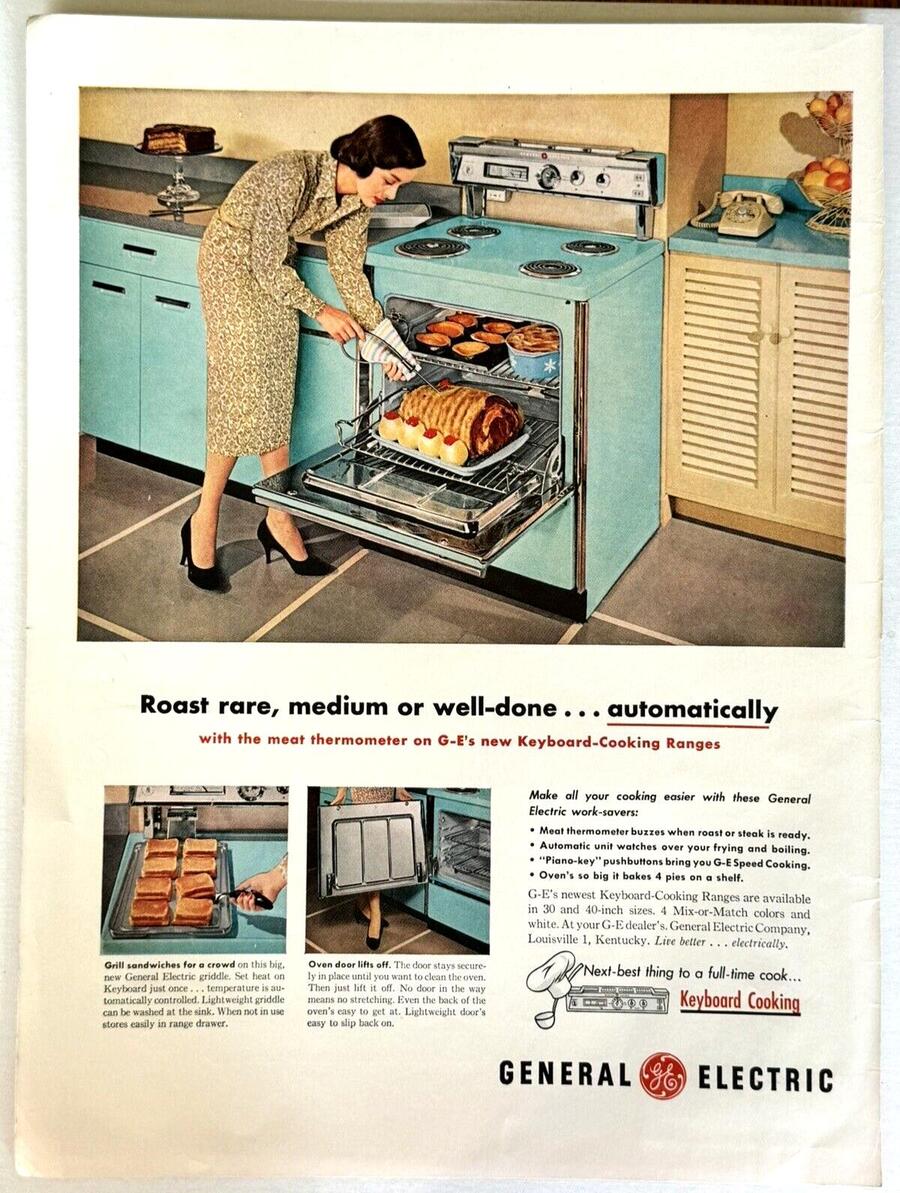
General Electric, 1950-е
Alongside the examples presented above, De Beers advertisements could also be found, where the diamond became a symbol of eternal love rather than merely an expensive piece of jewelry. The legendary phrase «A diamond is forever» was paired with an illustration of a girl holding a rose. The diamond on this rose was like dew, and the poster’s copy reinforced the connection: even if love fades amid mountains, fields, and sun, its brilliance will remain in the engagement ring.Advertising began to more actively link products to emotions, prestige, and social recognition. Instead of isolated product displays, they were shown within the context of a beautiful home, family happiness, or affluent living.Staged photography, illustrations of the ideal lifestyle, and emotional advertising slogans gained significant importance.
In the 1920s–1960s, advertising increasingly supplemented the functional benefits of products with emotional and social promises. Buyers were offered not just a product, but an image of a happier, more comfortable, and successful life. The product became a symbol of a desired social standing.
The 1960s–1990s: The Evolution of Emotional Positioning
The rise in brand competition and diversity has expanded consumer choice. In certain market segments, there has been an increasing drive toward individuality, freedom, and self-expression. Television, music, and mass culture have become significant sources of information regarding products and fashion trends.
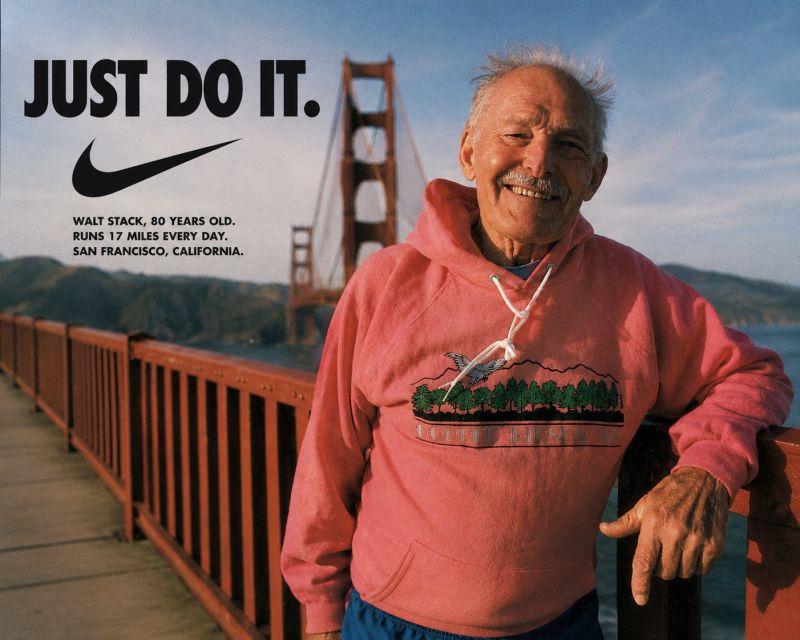
Nike — Just Do It, 1988
Calvin Klein Jeans, 1980
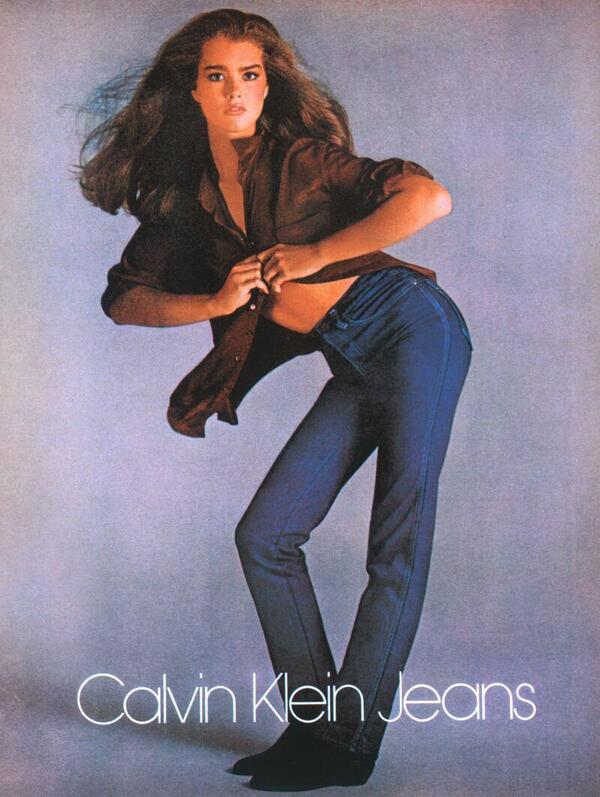
Advertising increasingly centered around emotion, narrative, and imagery, rather than solely product features. Brands began leveraging music, cinematic storylines, and compelling characters to link their products with themes of friendship, freedom, pleasure, and allure. Instead of detailing a pair of Nike athletic shoes, the brand appeals to personal motivation and the drive to overcome limitations. Calvin Klein Jeans’ fashion photography and provocative imagery transform denim into a symbol of youth and sexual magnetism.
During the 1960s–1990s, emotional positioning became a vital method for distinguishing brands from competitors. Advertising increasingly focused on selling feelings, impressions, and self-perceptions associated with a purchase, rather than just product features.
The 1990s–2010s: Branding as a Form of Self-Expression
Globalization, the development of the internet, and increased competition have expanded product choice. For some consumers, the values of a brand—its reputation and alignment with their personal lifestyle—have become increasingly important. Purchasing an item could become a way to express individuality or affiliation with a specific social group.
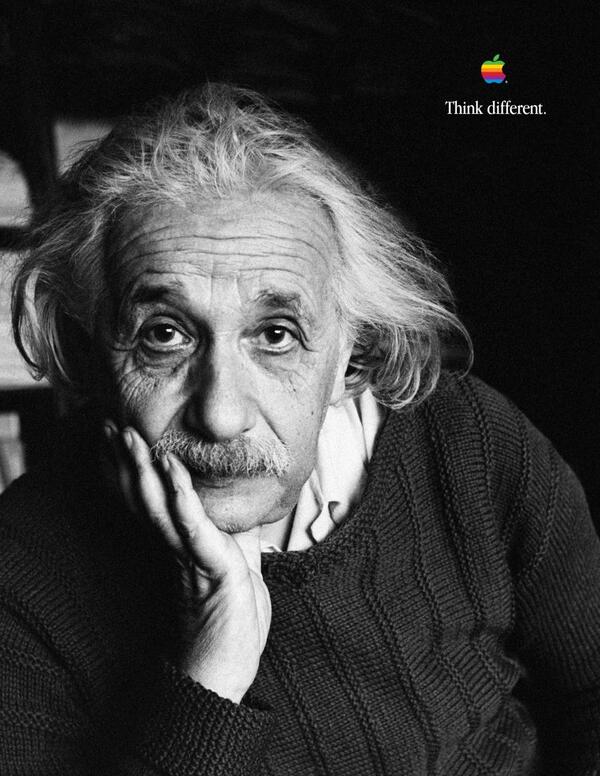
Apple — Think Different, 1997
Benetton — United Colors, 1990
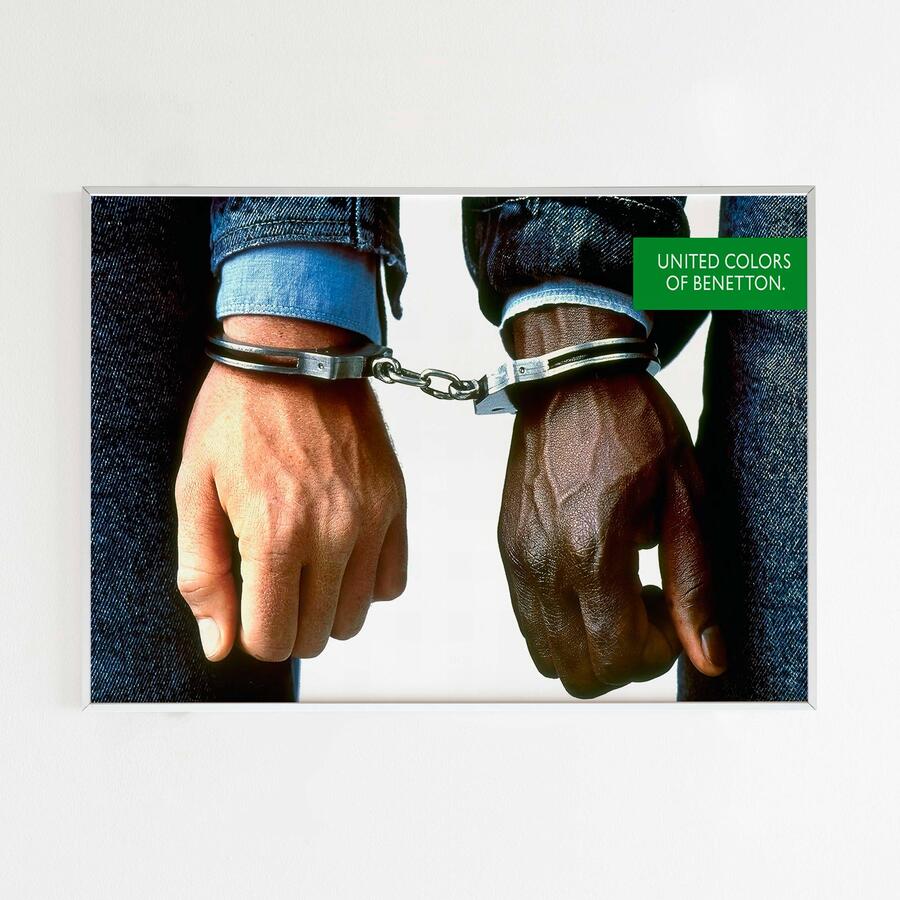
Advertising increasingly promoted not the product itself, but the ideas and values it was associated with. Brands utilized famous personalities, cultural symbols, and societal issues to forge an emotional connection with the audience through their beliefs and self-perception.
Through the imagery of distinguished individuals, Apple links its products to creativity, independence, and unconventional thinking.
Benetton’s provocative imagery addresses the topic of racial relations, transforming a social issue into part of the brand’s identity.
The 2010s: Advertising Personalization and Emotional Interaction
The evolution of digital commerce, social networks, and mobile devices has fundamentally altered consumer behavior. Shoppers now have access to reviews, comparisons, and recommendations, and brand interaction has become far more personalized.Rational decision-making increasingly blends with emotions, personal values, and the influence of social communities.
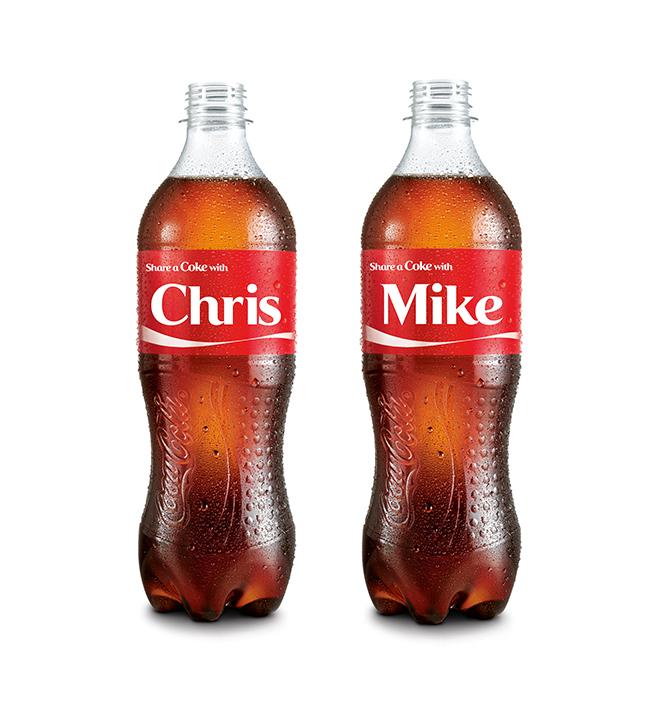
Coca-Cola — Share a Coke, 2011
Spotify — Wrapped, 2016