MAKE GAMES GREAT AGAIN
Let’s Get Acquainted!
Our studio has been developing games for two years, while we have been studying game development for four years. Our team consists of Maria Smirnova and Sofia Andreeva, who combine technical expertise and creative vision to develop games in Unreal Engine. We handle programming, 3D modeling, environment art, and game promotion, in addition to managing project roadmaps and business plans.
Maria Smirnova serves as Art Lead and Game Designer, overseeing the visual direction and contributing to gameplay design. Sofia Andreeva serves as Tech Lead and Game Designer, leading technical development and contributing to the design of gameplay systems. Together, we combine art, technology, and game design to bring our projects from concept to realization.
Why Work With Pink Pony Studio?
We transform ideas into playable worlds, merging game design, programming, and art to create truly immersive experiences. From the initial concept to the final build, we shape mechanics, craft environments, and plan production around what makes each game unique. We are dedicated to clear ideas, purposeful design, and games that leave a lasting impression.
Cheers and Fears
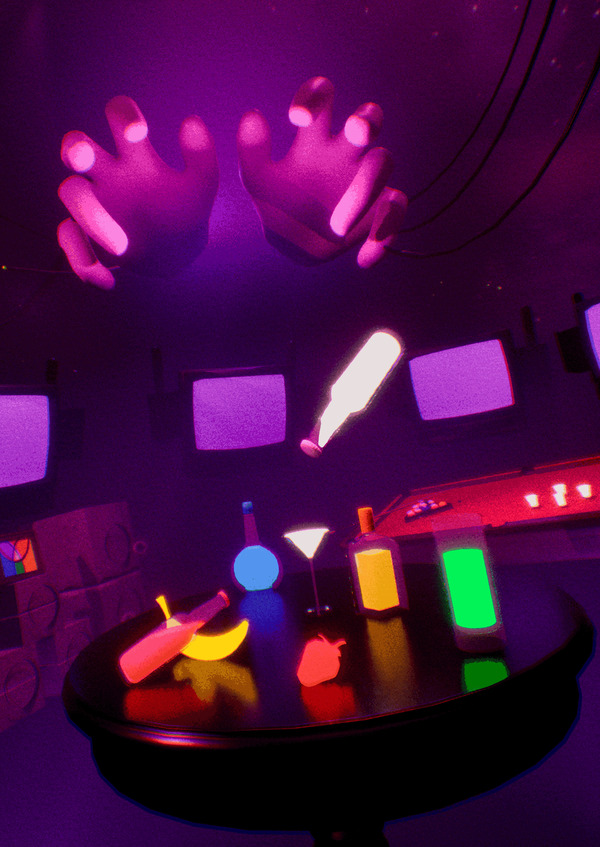
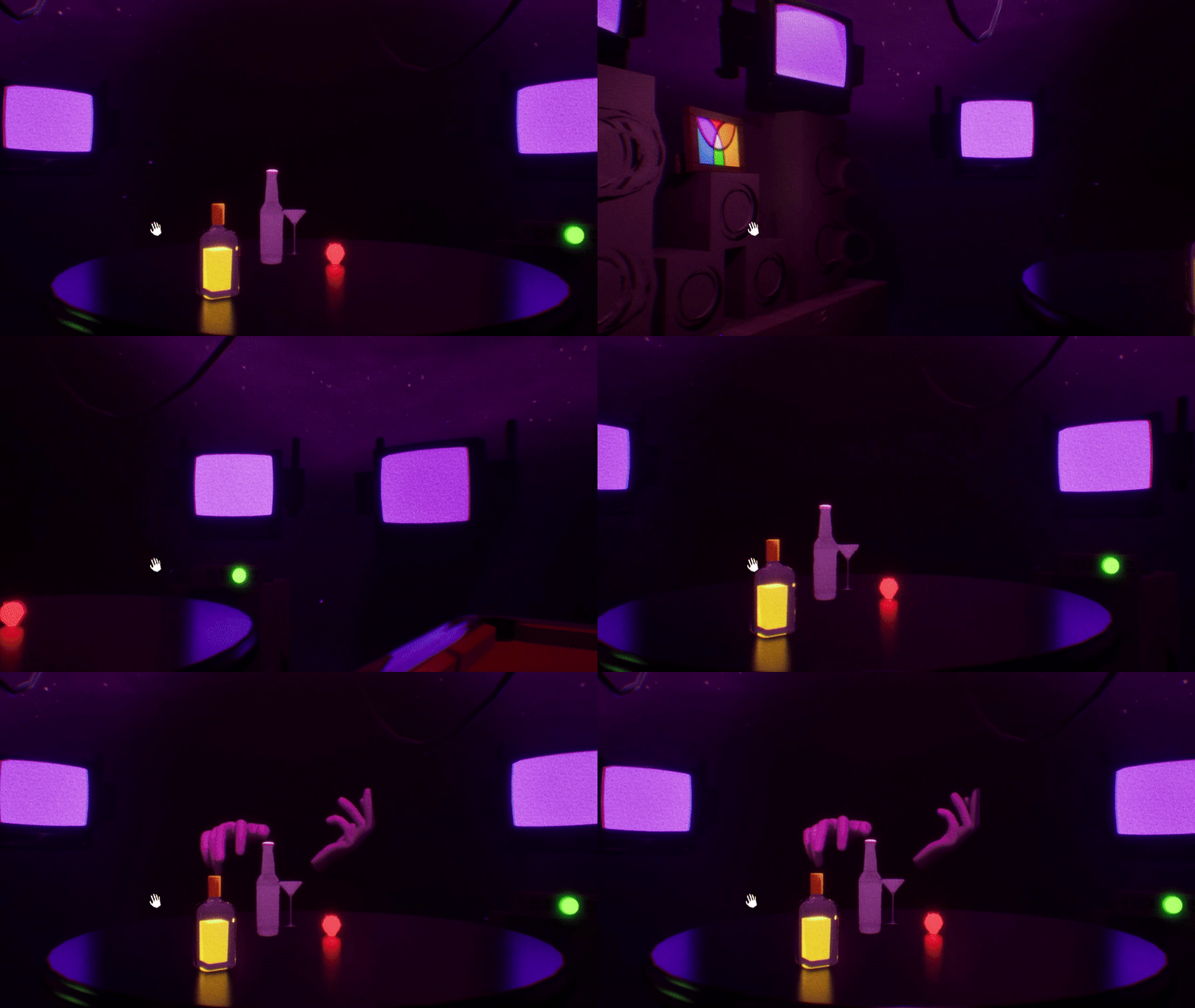
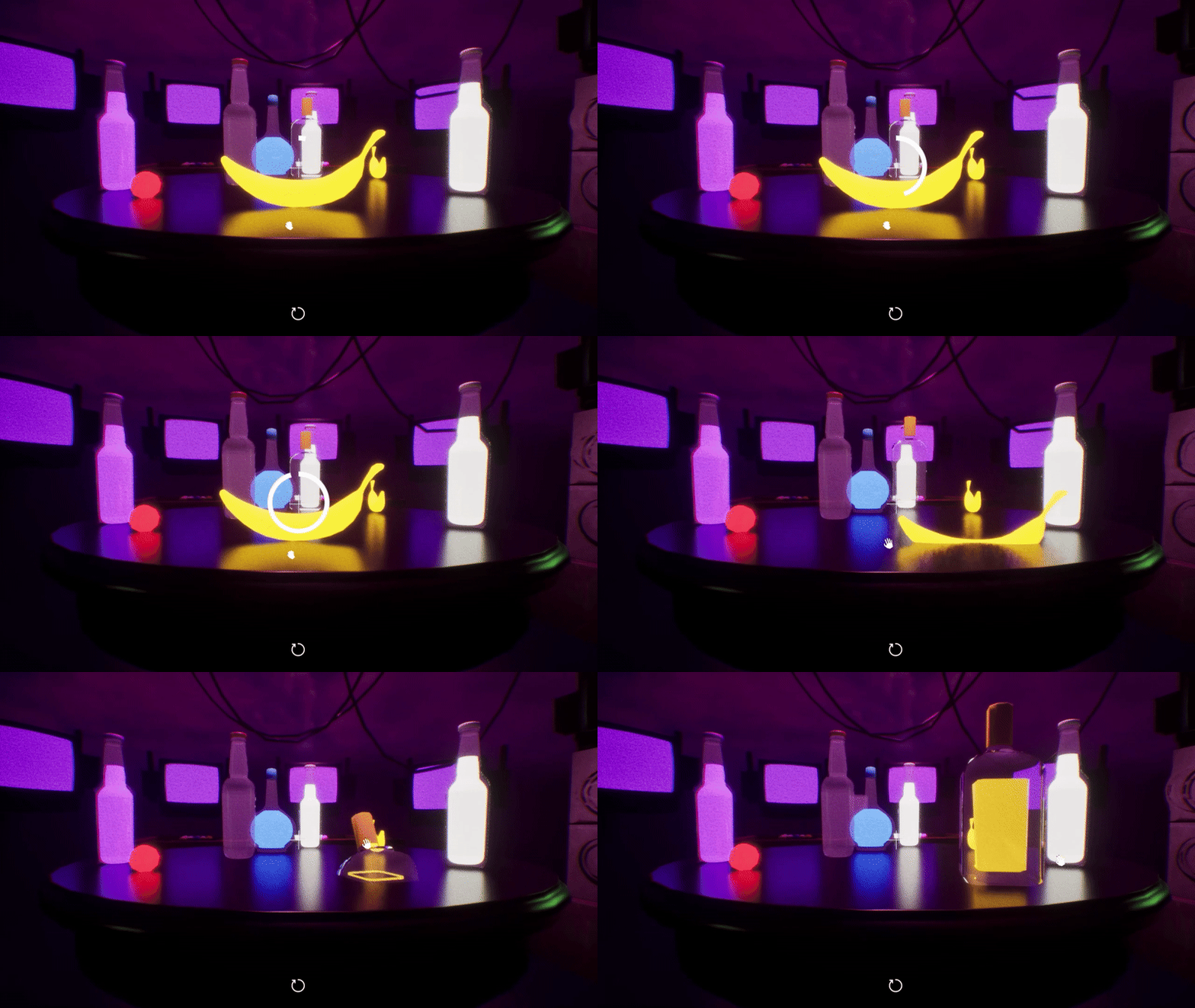
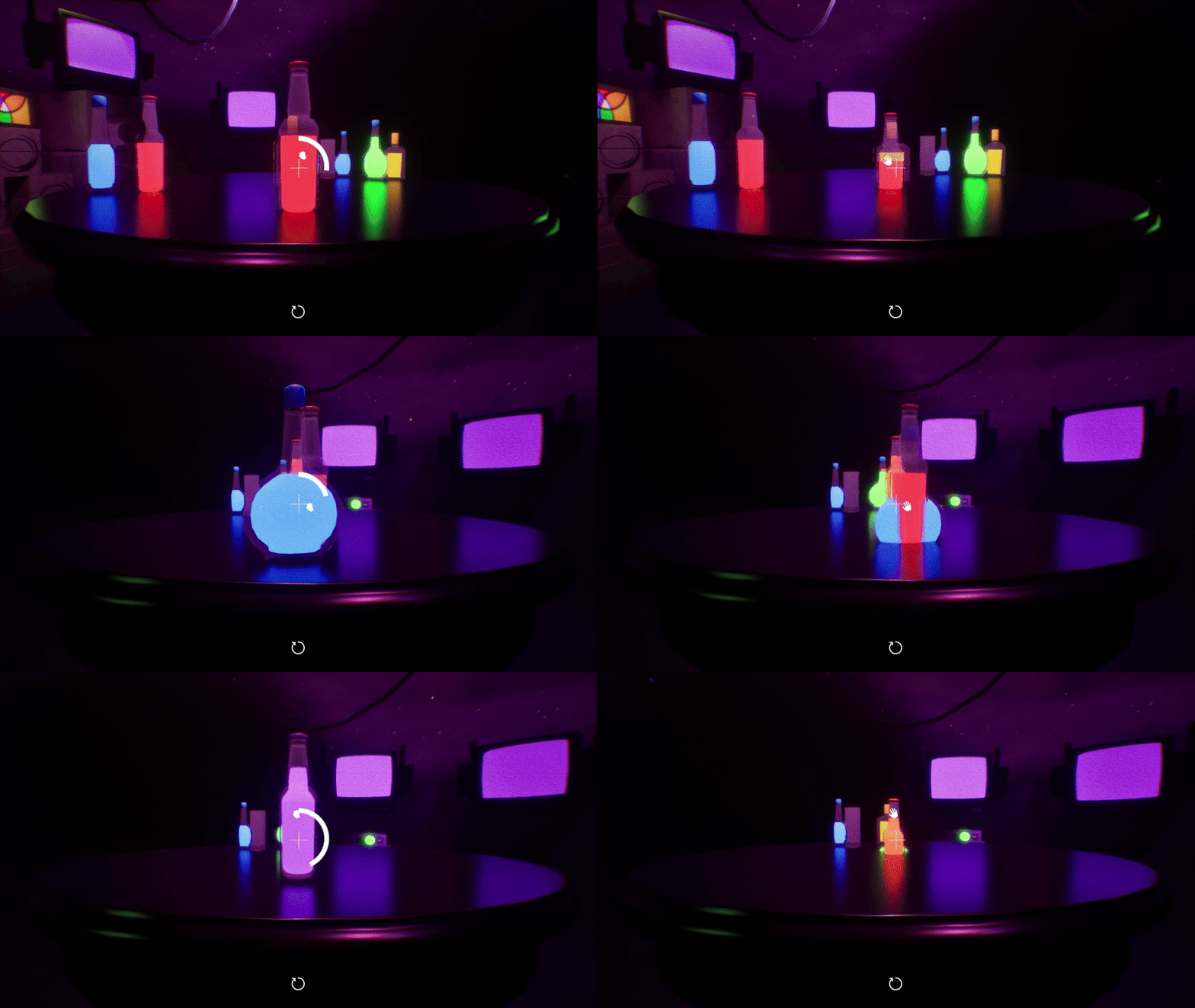
Team: 2 members Development: 3 months Engine: Unreal Engine 5Cheers and Fears is an atmospheric 3D puzzle game set in the nightclub neWrot. You play as an unfortunate bartender who must combine cocktail ingredients by moving around a circular table and viewing the puzzles from different angles. Every mistake comes at a price—another shot. How long can you stay conscious?
Sofia Andreeva — Technical Lead & Game Designer
As Technical Lead, my responsibility was to maintain the core gameplay mechanics, implement cutscenes, and ensure the game behaved as intended throughout the experience. I focused on keeping the mechanics reliable, preserving the intended gameplay flow, and ensuring that the difficulty and progression supported the core concept.

KEY DECISIONS:
Cut the Excess, Keep the Core I focused on identifying mechanics that added complexity without increasing engagement. Instead of cluttering the game with multiple systems, I prioritized refining the central puzzle mechanic to ensure it remained clear, satisfying, and true to the original concept. This approach allowed us to dedicate development time to perfecting one core mechanic rather than introducing five underdeveloped ones.
Pacing Matters More Than Quantity I managed the balance between level difficulty and progression, ensuring every new challenge felt like a natural advancement. My focus was on the quality and pacing of the levels, rather than merely increasing their count, so players could gradually grasp the mechanics and feel their skills improving. The goal was to make every level meaningful, not just to fill the game with repetitive challenges.
Puzzles for Everyone Because the core gameplay relies on recognizing and combining colors, accessibility was a primary concern. I helped implement colorblindness options tailored for players with various types of color vision deficiencies. This made the puzzle system more inclusive without altering its fundamental design or compromising the intended experience.
Maria Smirnova — Art Lead & Game Designer
My responsibility as Art Lead was to establish and maintain the game’s visual direction, crafting an atmosphere that balances nightclub energy, dark humor, and puzzle-solving. I worked to ensure that the environment, lighting, colors, and overall visual presentation reinforced the game’s identity and made the experience engaging beyond its core mechanics.

KEY DECISIONS:
Atmosphere Speaks Louder Than Words I wanted the nightclub to feel alive without relying on excessive dialogue or exposition. The visual direction, lighting, and energetic music playlist work together to communicate the mood of neWrot, allowing players to understand the setting through its atmosphere. This helped us create a recognizable identity where the environment itself becomes part of the storytelling.
Players Love What They See I treated visual appeal as an essential part of the player experience, not merely decoration. I focused on making the environment, cocktails, lighting, and color palette visually engaging while ensuring that the presentation remained readable during puzzle-solving. The result supports the game’s distinctive nightclub aesthetic and helps make its core mechanics inviting to explore.
Mystery Makes a Character Memorable I developed the concept of the nightclub’s mysterious boss, using his presence and characterization to build anticipation around his eventual appearance. His enigmatic personality and voice were designed to make him intriguing to players, including those drawn to character-driven experiences. Playtests indicated that players appreciated the voice acting and the character’s mystery, with some engagement extending into fan-created fiction.
Of Flesh
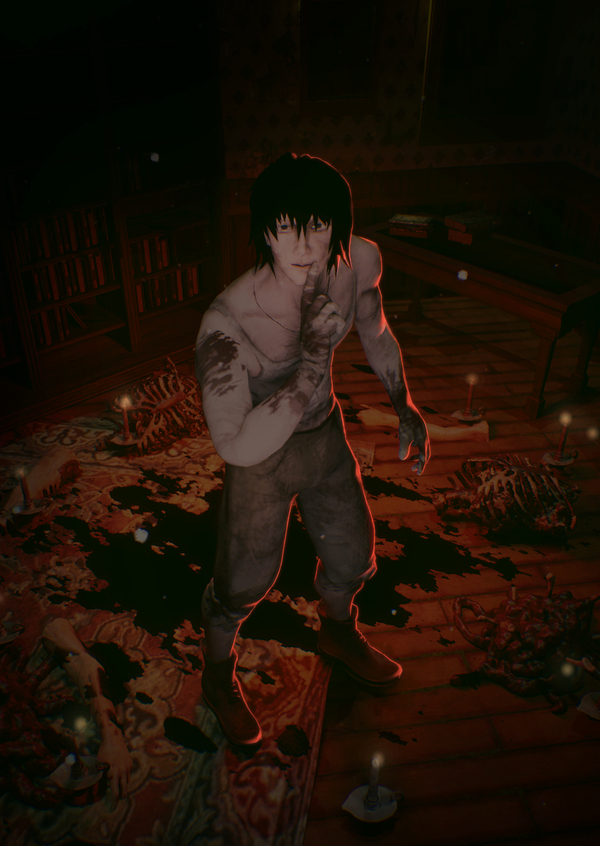
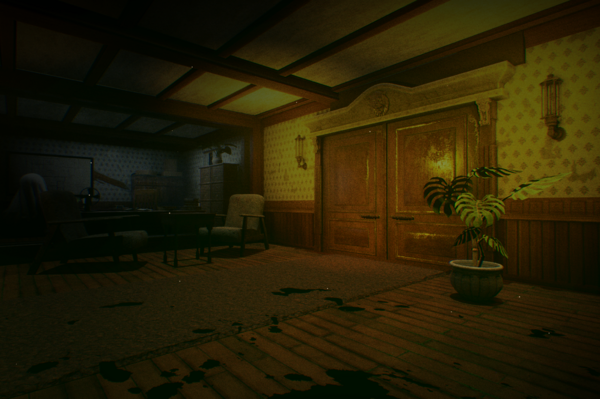
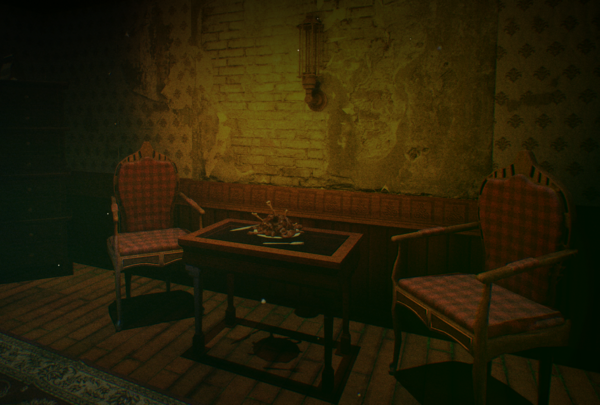
Team: 4 members Development: 2.5 months Engine: Unreal Engine 5Of Flesh is a first-person 3D survival horror game with puzzle elements, built around fear, stealth, and the desperate search for freedom. You wake up in the house of a terrifying maniac and discover another victim—a girl who obeys your every command. Together, you must solve puzzles, evade danger, uncover the house’s secrets, and find a way to escape before your captor ensures you never leave.
Maria Smirnova — Team Lead & Game Designer
As Team Lead and Game Designer, I was responsible for task management, tracking progress, defining gameplay features, and ensuring the team remained aligned with the project’s vision. I organized the workflow, monitored task completion, and helped the team make decisions that balanced our ambitions with the available time and resources.

KEY DECISIONS:
Everyone Has Their Own Pace I realized during the initial development stages that every team member possessed a different working pace and approached tasks in unique ways. Rather than wasting valuable time trying to standardize everyone’s workflow, I implemented a clear Kanban structure that made responsibilities, priorities, and progress visible to the entire team. This significantly enhanced our ability to coordinate work effectively and maintain a shared understanding of deliverables.
Humor Keeps a Team Together Just before a critical project review, our build failed, preventing us from presenting the playable game as scheduled. I gathered the team, and we decided to address the situation with humor instead of panic. This helped us alleviate tension, refocus, and return to problem-solving rather than letting the setback erode team morale.
Testing Is More Important Than Speed When the team became overly fixated on development velocity, I recognized the necessity of slowing down and allocating sufficient time for quality assurance. I learned to integrate testing as a dedicated phase of the production schedule, rather than treating it as an afterthought to be rushed at the end. Since then, I consider at least two dedicated days for testing and bug fixing an essential buffer when planning any small game project.
Sofia Andreeva — Technical Lead & Game Designer
As Technical Lead and Game Designer, I was responsible for implementing reliable enemy behavior, developing the puzzle logic, and maintaining the technical integrity of the game’s systems. I collaborated closely with another programmer to coordinate implementation, maintain code manageability, and ensure that the core mechanics functioned together as intended.

KEY DECISIONS:
Panic Is the Enemy of Progress When the game broke just before an important review, repeated attempts to fix it were unsuccessful. I realized that continuing to make changes under pressure, especially late at night, could create more problems than it solved. I encouraged my fellow programmer to stop, step back, and approach the issue calmly, prioritizing rest over rushed overnight fixes. By reassessing the situation together with the team lead, we were able to move forward without letting panic dictate our decisions.
Cutting Content Is Not a Failure During development, I evaluated mechanics based on whether they meaningfully contributed to the experience. When a feature added unnecessary complexity, I suggested removing or simplifying it to reduce implementation work and avoid creating additional demands for the art team and fellow programmers. This helped us protect the core gameplay while keeping the project achievable within our limited development time.
Make Room for Surprise Although we initially planned to create a short game, I wanted the level design to give players enough space to explore and experiment with the mechanics. By carefully assessing our capabilities and managing the available time, I designed a level that brought the core mechanics together while allowing players to experience them in a more open and interconnected environment. This helped us create a more complete gameplay experience without expanding the scope beyond what our team could realistically deliver.
Voice of Fog
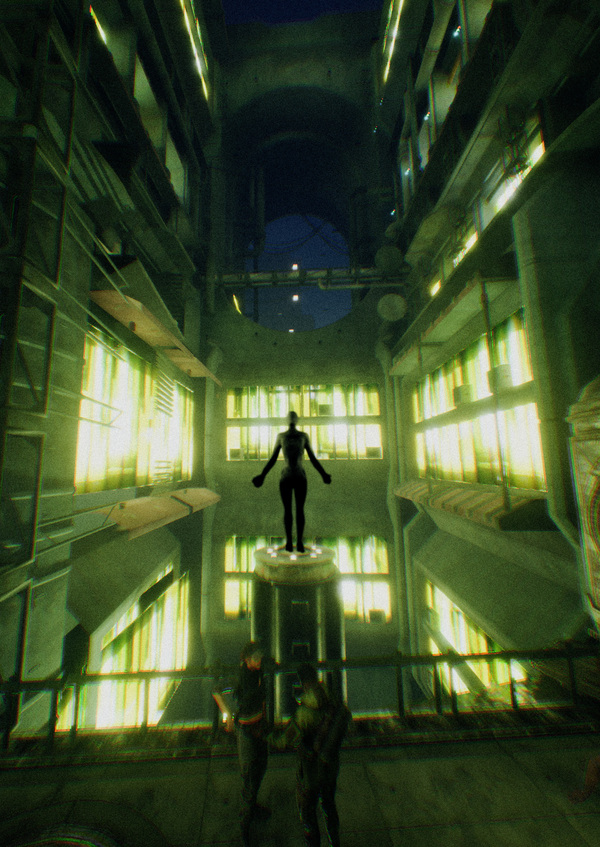
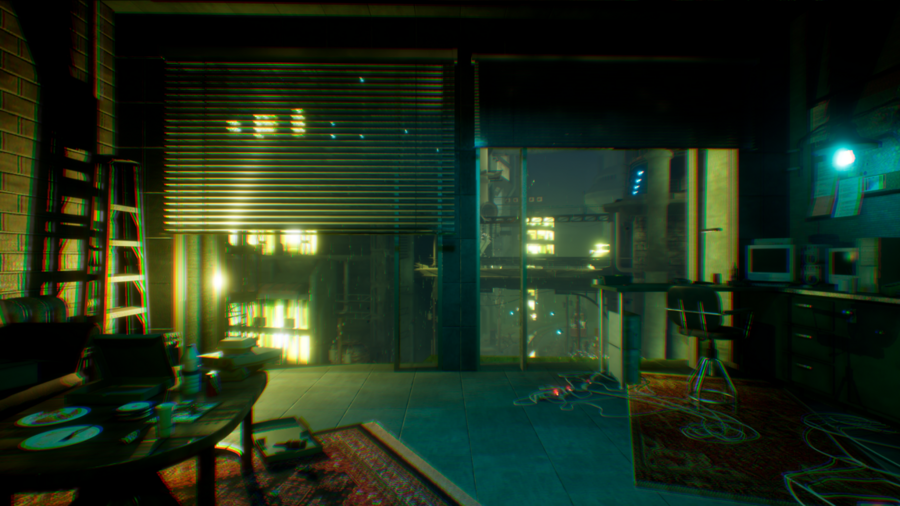
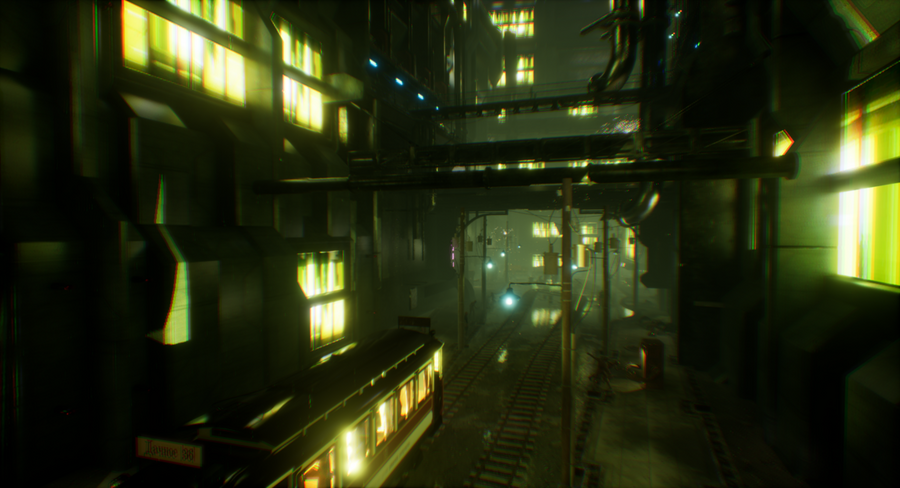
Team: 2 members Development: 2 months Engine: Unreal Engine 5A cinematic environment project set in Moscow in 2090, where the air slowly transforms human bodies into metal and frozen figures haunt the streets. Through environmental storytelling, lighting, sound, and carefully composed scenes, the project presents a dystopian future in which humanity continues to hope for survival. The goal was to create a cinematic trailer that conveys the atmosphere and story of this world without relying on extensive exposition.STREETAPARTMENT
Sofia Andreeva — Level Artist & Trailer Artist
My responsibility was to create the outdoor street environment and contribute to the cinematic presentation of the project. I worked on lighting, environmental composition, animations, sound, and the overall atmosphere, ensuring that the location communicated the world’s central idea: a city where the air itself has become a threat.

KEY DECISIONS:
Synergy Creates a Cohesive World The project encompassed two distinct environments: an outdoor streetscape and an interior room. Since their initial visual styles lacked alignment, I collaborated with the other artist to establish a unified artistic direction. Through discussion and iteration, we refined existing elements, pruned details that felt incongruous, and introduced new ones as necessary to ensure both locations felt like integrated parts of the same world.
The Environment Tells the Story At one point, I realized that the street environment needed to communicate more of the world’s tragedy without relying on text or dialogue. I introduced sculptures of infected people, frozen in various poses, depicting ordinary individuals who had succumbed to the contaminated air in everyday situations. These figures transformed the environment into tangible evidence of the disaster, allowing players to grasp its human cost through purely visual storytelling.