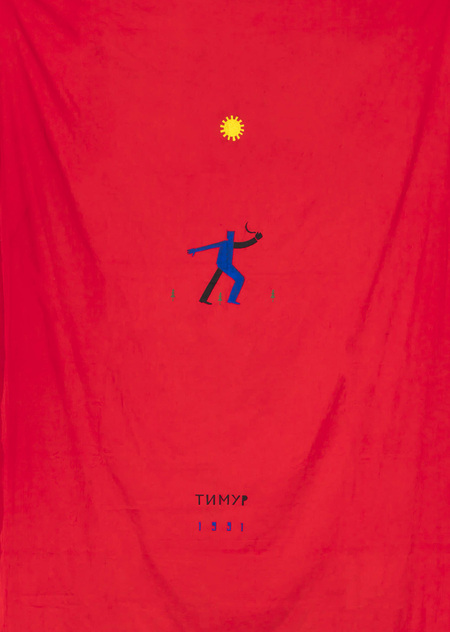
Communism exerted a profound influence on the art of the USSR during that period, which manifested in the official doctrine of socialist realism—a tool used to glorify the party and the regime. The existence of art operating on the brink of politics led to the suppression of any experimental movements. It was precisely because of this that, once the thaw arrived and state control loosened, various underground and nonconformist trends began to develop, having a massive impact on the evolution of art.Timura Novikov’s youth coincided with an era where the rift between tradition and innovation was reflected in the reinvention of visual language methods. Many artists turned to the legacy of the avant-garde, reconstructing art and moving away from the strict ideology and academicism dictated by the Soviet Union. For instance, the concept of «totality» (vsyachestvo), introduced by Mikhail Larionov and Ilya Zdanevich at the time, inspired the young author, who strived for simplicity and freedom—a light play with form and sign. This simplicity, one might call it playfulness, was reflected in his collective work with Ivan Sotnikov. In 1982, they presented «Zero-Object» at the exhibition of the Society of Experimental Fine Arts (TEII). The object was a hole, discovered by the artists within the exhibition space, which matched the dimensions of a painting. By adding a signature to this void, the artists appropriated the empty space and designated it as a work of art, sparking widespread attention and a wave of criticism. Of course, this gesture was not groundbreaking in a global context—one could cite the work 4'33» by John Cage or the «Void» by Yves Klein, both of which entered art history. Nevertheless, this cultural event demonstrated a lightness that the art scene had long lacked, and Novikov’s work led to the formation of his own group, «New Artists, ” and the articulation of the theory of recomposition.
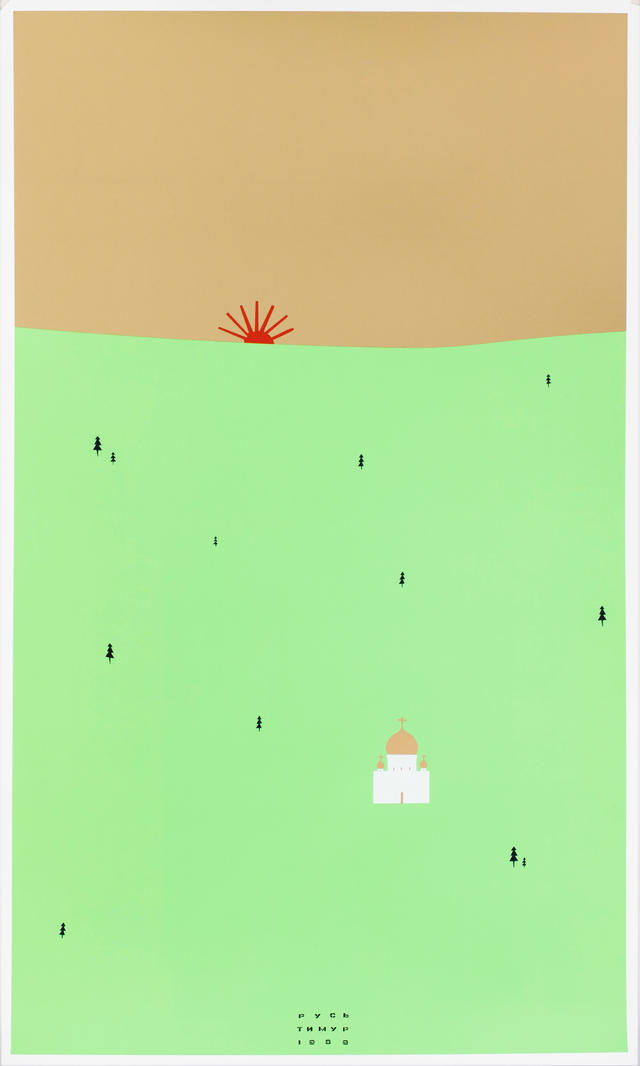
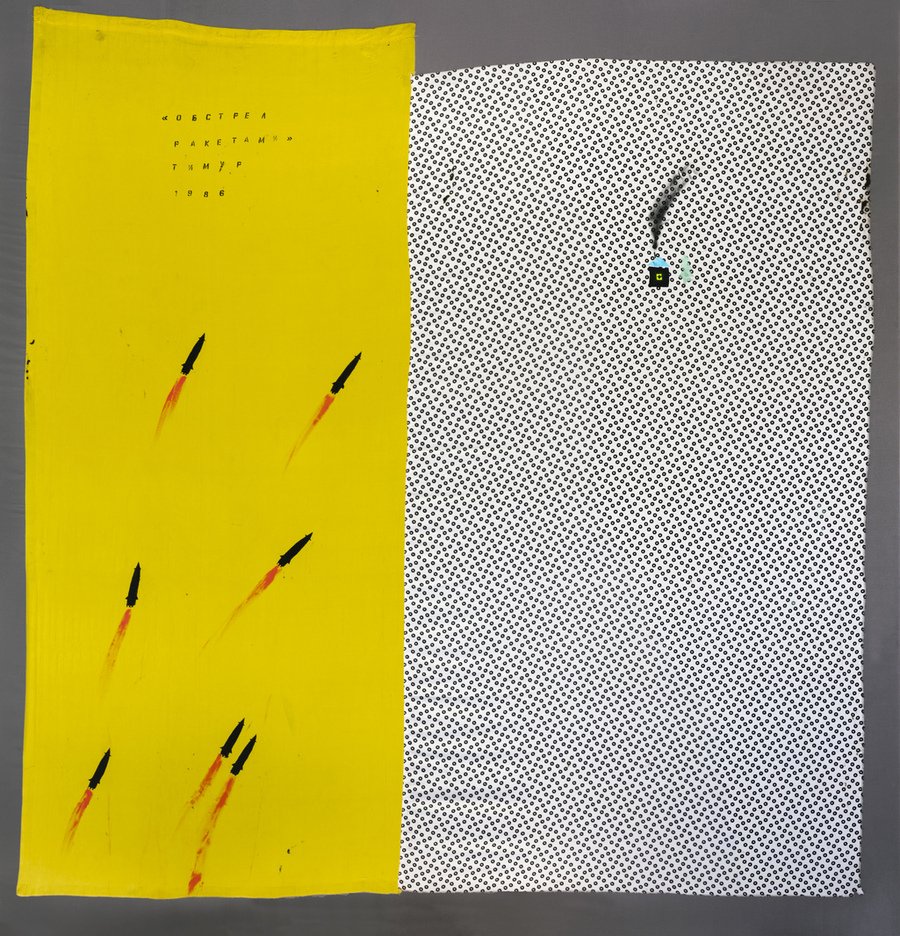
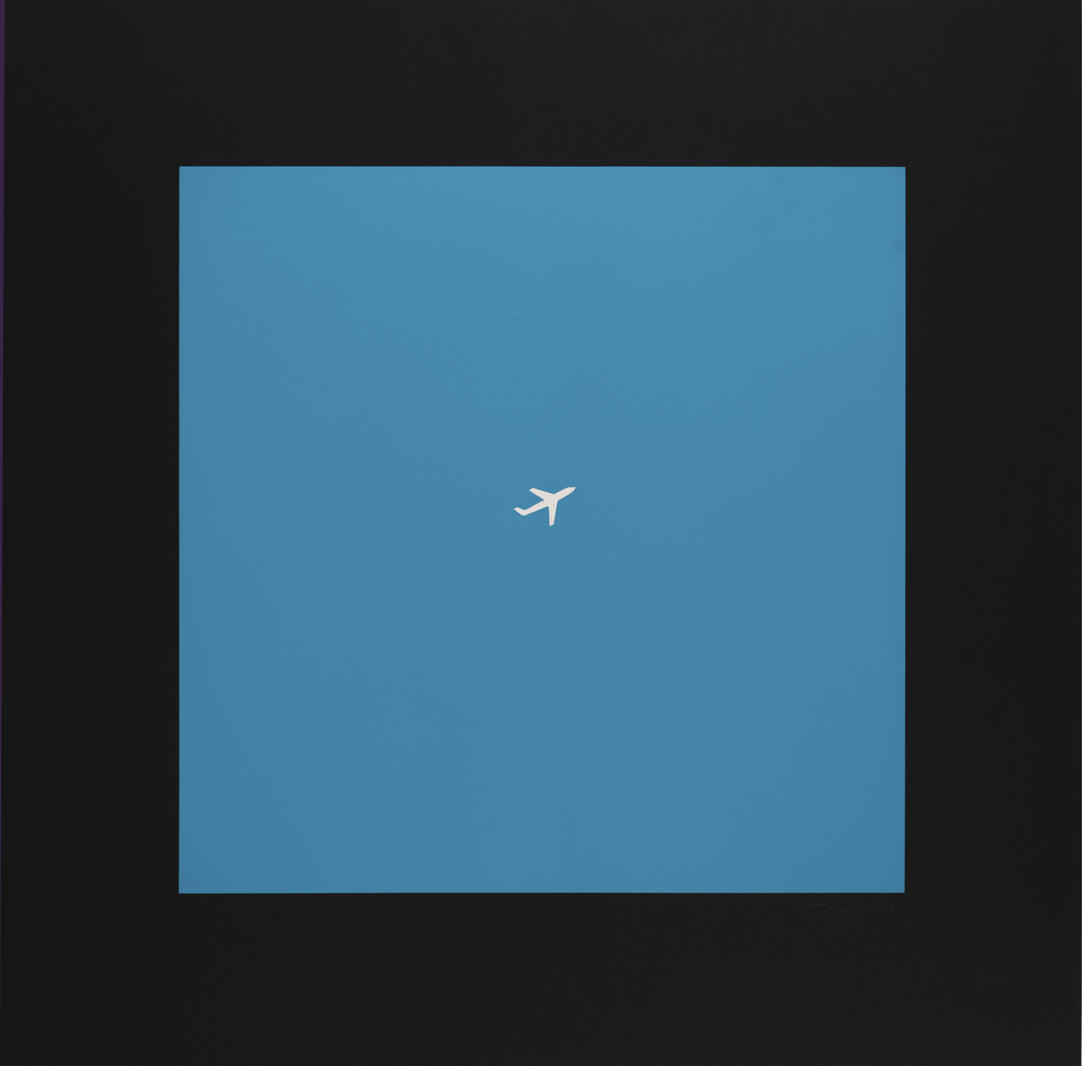
The article on the theory of recomposition was first published by Timur Novikov under the pseudonym Igor Potapov (I. Potapov) in the samizdat magazine «Novost» from 1982–1984, and later printed under the author’s real name in the journal «Kabinet» in 1996. In his text, Novikov highlights several techniques he employs in his art and explains how he arrived at such a system of language. The first person to inspire him to invent a new visuality was the Soviet scientist Boris Rauschenberg, who argued in his works that every society forms its own system of visual perception. This prompted Novikov to develop a purer and simpler art for the new person, who is surrounded by modern technologies and diverse opportunities. Primarily, when the author referred to the purity of the language, he meant the simplification of space and the manipulation of the sign. The semantic perspective, conceived by Timur Novikov, moved away from traditional linear or reverse perspective toward a duality of space, which was only delineated by the horizon line, thus transforming it into a field for free play. Such a space is ideal—and therefore cannot have a flawed composition—because objects can be moved arbitrarily, and scale is conveyed through the size and arrangement of the signs.
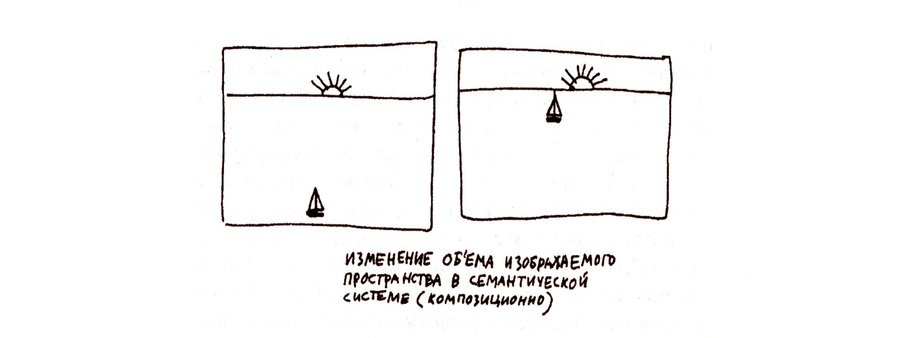
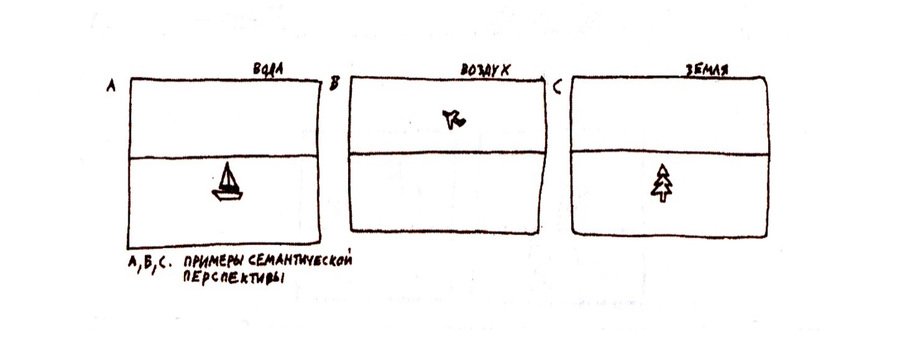
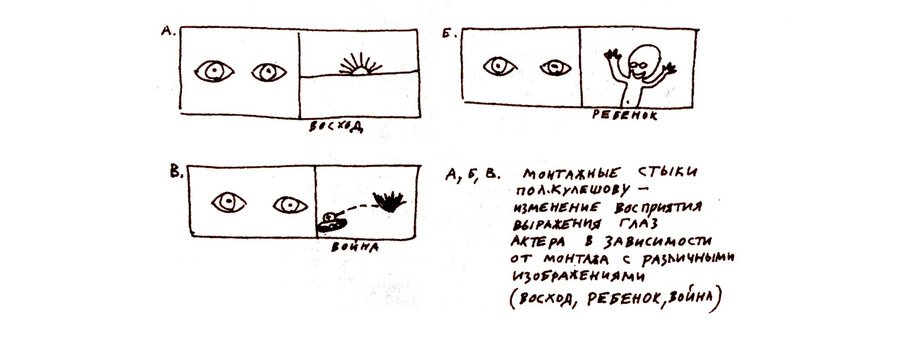
Another technique is the narrative itself—more precisely, the sign that the author can assign. Novikov’s principle of sign transformation associates with Hesse’s beadwork, which involves reassembling what already exists. In essence, the raw material for imagery consists of cultural or everyday objects that are reassembled and collaged into a new statement. It strongly resembles Pop Art, but presented in the format of a children’s collage and game. Here, the author gains freedom and can introduce specific notations themselves, such as coloring the sea yellow and the sky green. The third technique is based on the principle of montage from Soviet film director Lev Kuleshov, who demonstrated that a specific sequence of visual images can achieve vastly different effects on the viewer. For example, the same facial expression of an actor can take on different connotations depending on the scene it is spliced into the montage. Furthermore, the sequence of certain static images allows them to be logically stitched together into a unified scene—a person looking out at a power line in a field could be shown in a series of three shots: an overhead view of the person looking into the camera, the power lines, and the field. These postulates of cinematography allow sequences of unrelated signs to be transformed into complete scenes and stories, which is highly applicable to static imagery.
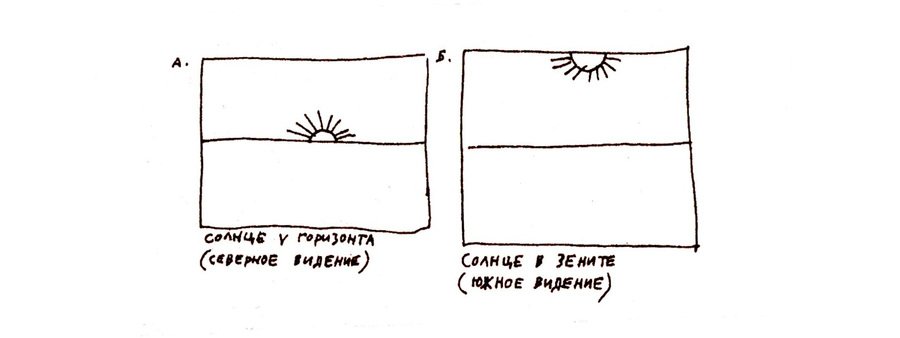
In my visual research, I aim to demonstrate not only the direct influence of recomposition theory on Novikov’s contemporaries—as reflected in the techniques of members of the «New Artists» collective—but also the various parallels found in the landscape of Soviet and international art of that era, where authors employed similar approaches in their visual language.







