INDEX
Concept 1920s–1940s. The Radio Era 1950s. Television and Radio 1960s. Television 1970s 1980s
CONCEPT
Throughout the 20th century, radio and television rapidly evolved, gradually becoming an ingrained part of daily life. Technological progress slowly transformed how people perceived information, leisure time, and everyday devices. Within the scope of this study, radio and television are examined not only as means of information transfer but also as objects of industrial design that have reshaped the lifestyles of generations. Analyzing their form, dimensions, materials, and placement allows us to trace how a technical object gradually became integrated into daily life and, subsequently, into a central focus of the home.
Particular attention is paid to the transition from the purely auditory experience of radio broadcasts to the audiovisual experience of television programming. A radio receiver can accompany a person while they are engaged in daily tasks, without requiring constant visual attention. Conversely, the television forced the viewer to turn toward the screen and concentrate on what was happening. This factor influenced the arrangement of chairs and sofas, as well as the organization of living space.
The object of this study is domestic radio and television receivers, along with images of the interiors in which they are presented. The subject of the study is the transformation of the visual appearance and spatial role of these devices: from the radio receiver as a listening tool to the television, around which viewing and shared leisure activities are organized.
The goal of this research is to demonstrate how the design changes of radio and television receivers both reflected and simultaneously shaped new ways of using home technology.
The working hypothesis is that the shift in information transmission—from sound to a combination of sound and image—is explained by the placement of technology within the home. Radio remained one of the items carried on walks because listening to it did not always demand close visual attention. Consequently, not only the device itself but also its usage scenario changed: people increasingly did not just stand near the technology but oriented themselves toward it, organizing their time and space around it. The research will be based on the visual analysis of photographs of devices, advertising imagery, catalogs, and photographs of home interiors. Comparing these objects allows us to identify changes in form, scale, construction, and decorative design. In the interior images, the placement of the radio or television, the direction of the furniture, the gaze of people, and the mutual arrangement of the device and sound will be analyzed. Special attention will be paid to the distinction between advertising depictions and domestic photography: advertising shows the desired use scenario, whereas interior shots can offer insight into how the technology was actually integrated into the home environment. The relevance of this topic stems from the fact that radio and television became vital parts of daily life, rooted in the way people at home engage with news and entertainment. Examining these devices as objects of industrial design allows us to link technology history with the specifics of interior design and human perception. Ultimately, the research should demonstrate that the design of household appliances is not merely about the casing’s aesthetics; it is tied to how a person acquires the device, where they place it, and how they perceive the functional information it conveys.
RADIO
1920–1930
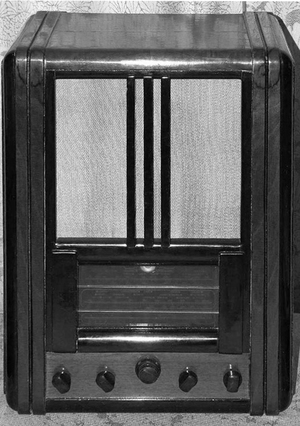
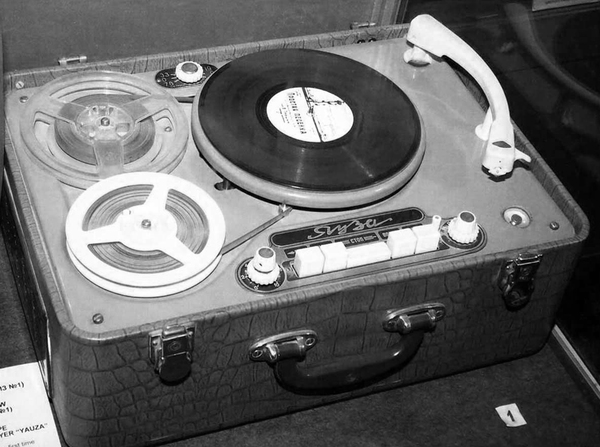
The creation of the USSR coincided with the burgeoning global sound recording industry, as the first electronic microphones and playback devices became widespread in the 1920s. However, the first indigenous developments in the Soviet Union only appeared in the pre-war years, with all iconic models dating from the 1960s–1980s.
1940–1950
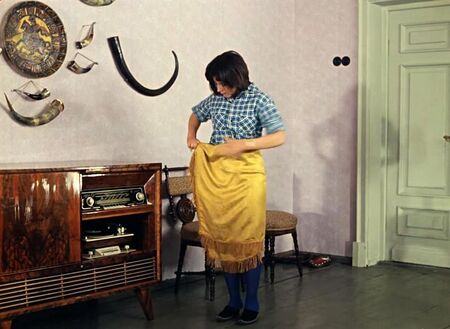
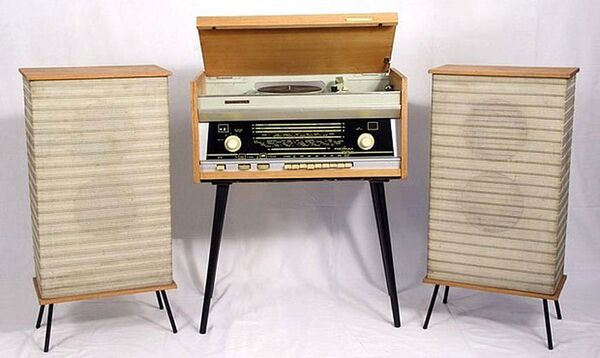
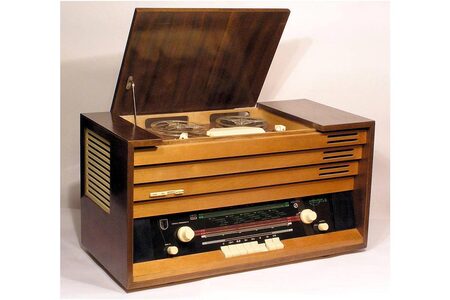
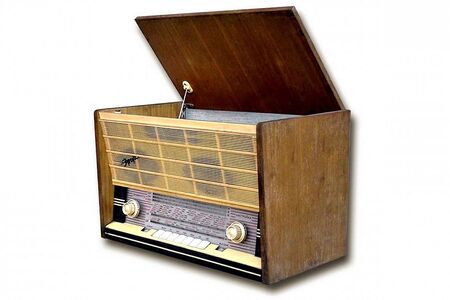
Rigonda-Stereo (1963) The «Rigonda» brand name became virtually synonymous with the word «radio receiver» in the Soviet Union. This model was produced at the A.S. Popov Riga Radio Plant and was one of the first stereophonic radios in the USSR. It allowed for listening to both records and FM radio programs in stereo, although a separate tuner was required for the latter. The speaker systems included in the original design featured two 4GD-28 low-frequency speakers and two 1GD-19 high-frequency speakers.
TELEVISION
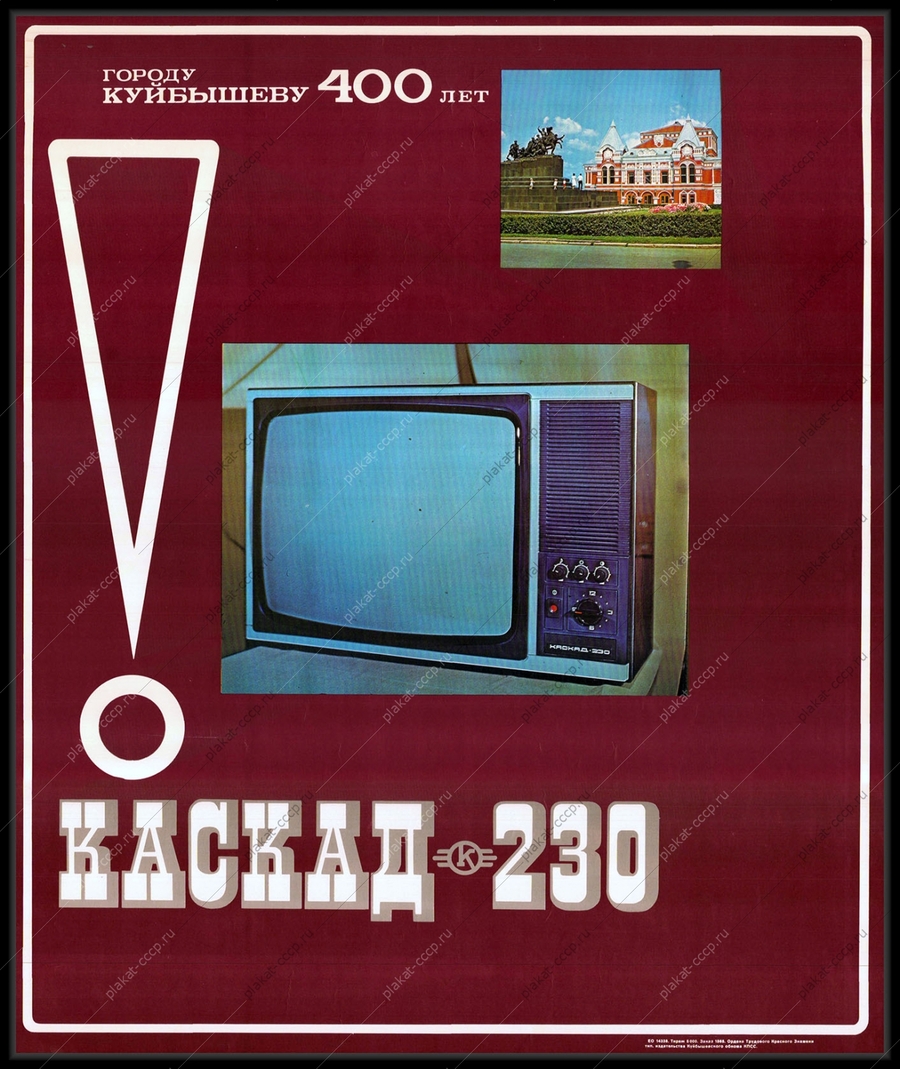
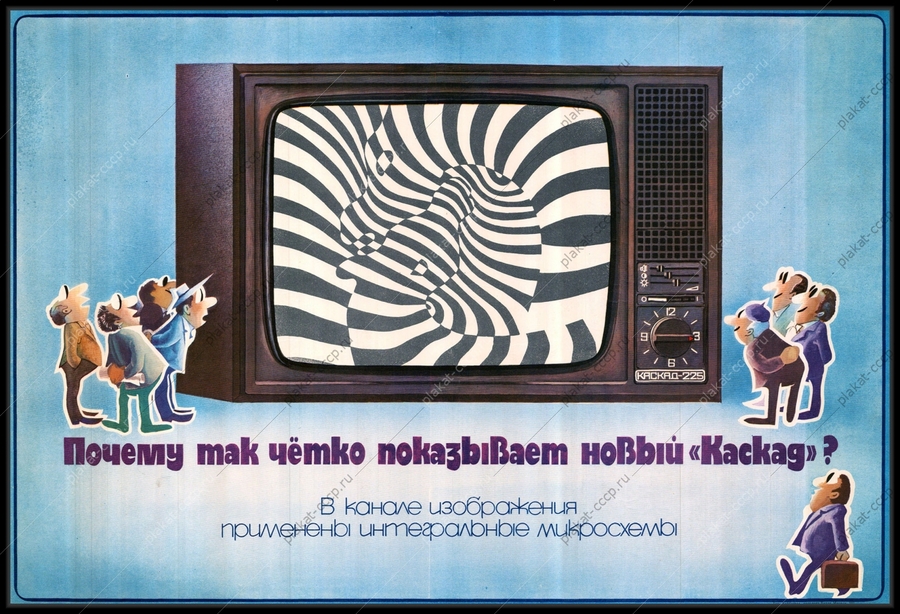
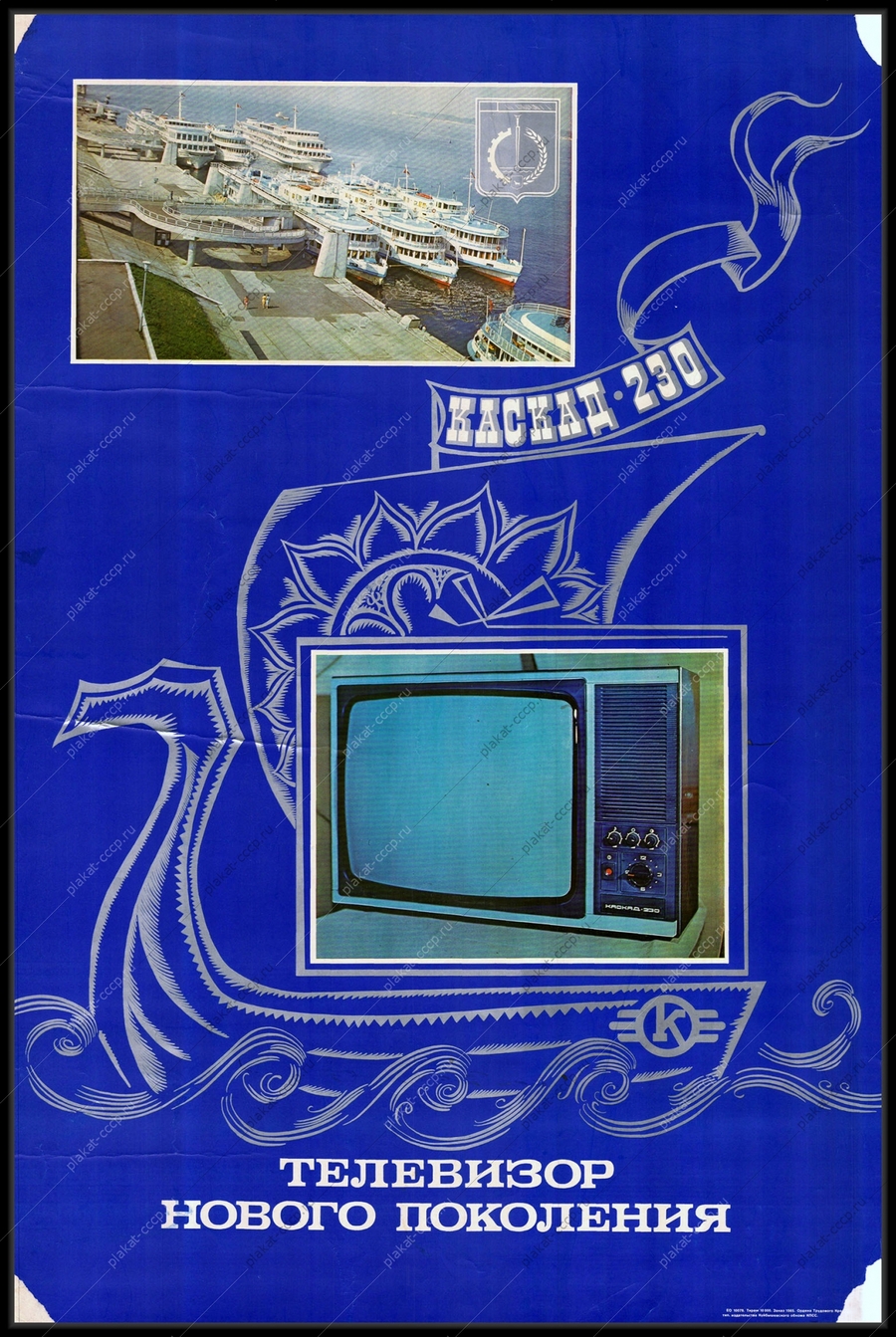
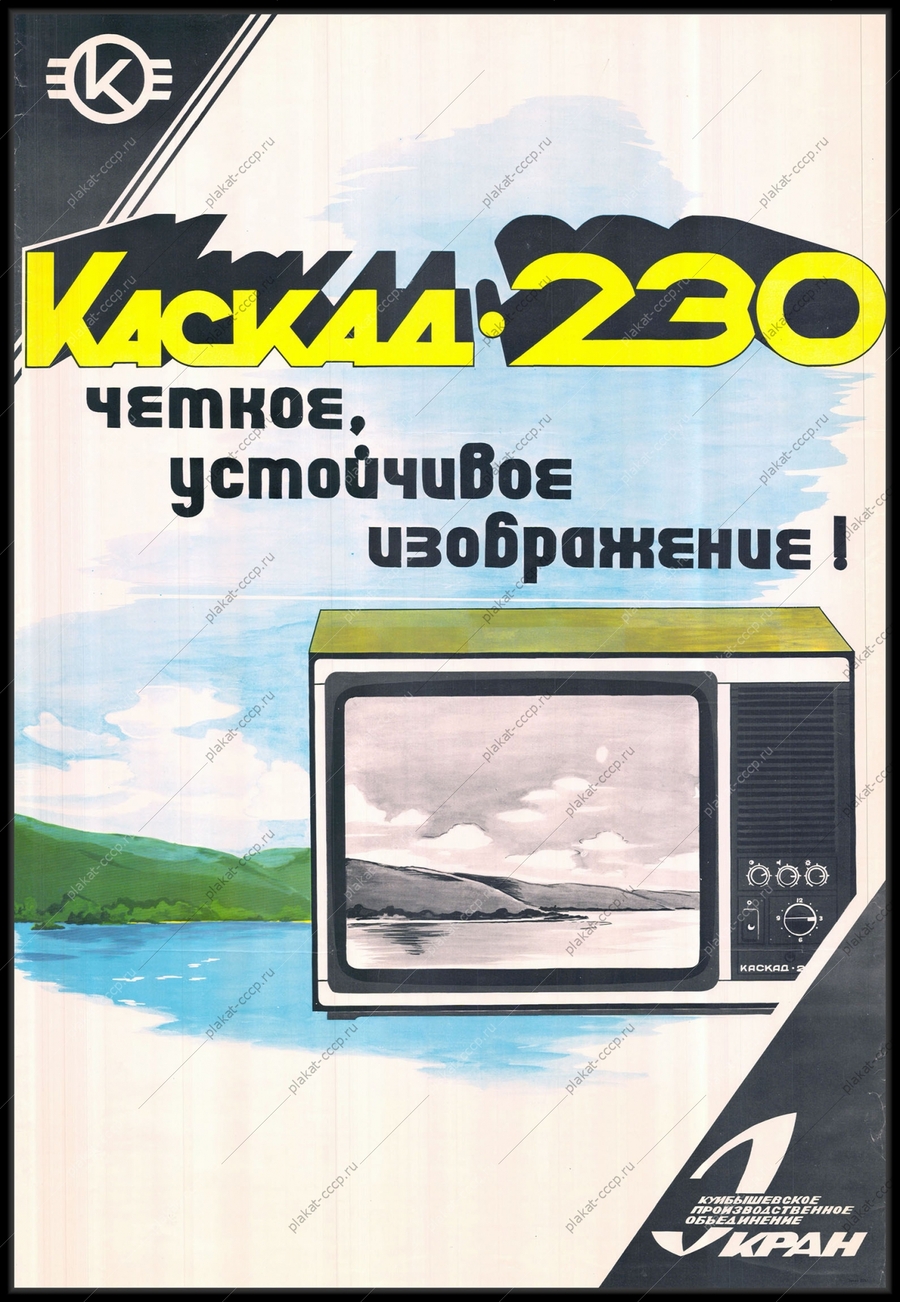
The first consumer Soviet televisions appeared in the USSR in the 1950s, but they truly became widespread only in the 1970s. Although the most popular models were small-screen units that could be taken outside to the countryside or to the dacha, enthusiasts who wanted to watch films and television programs on a larger screen could count on CRT televisions with screen diagonals up to 61 cm. Our material will help you choose the best Soviet color television.
60
70
80