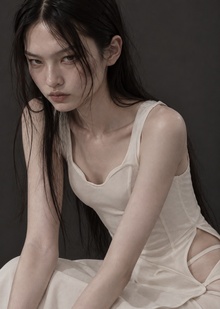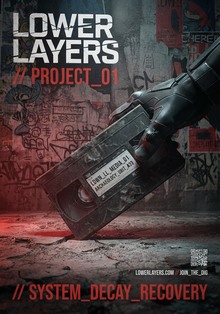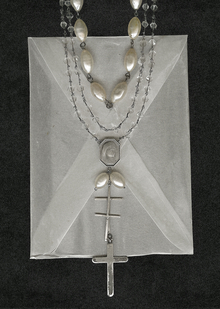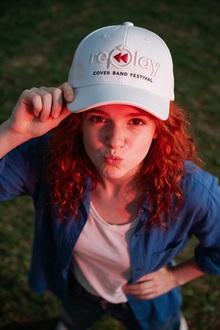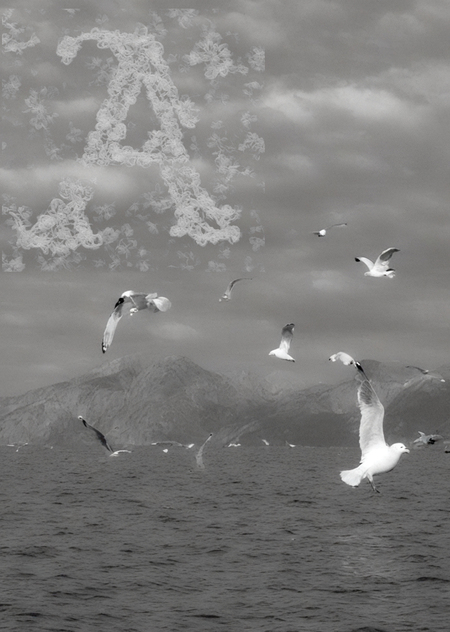
Black and white photography style with haze and grain, trained using DreamBooth + LoRA methodology on 45 original photographs
In this project, I am translating my original photographic treatments into a neural network style. I took 45 of my own photographs featuring nature and various details, processing them under a unified aesthetic: black-and-white monochrome, highlighted bright objects, atmospheric haze, soft glow, and film grain.
The goal is to teach a generative model to depict any subject within this aesthetic. The photographs possess a quiet and melancholic mood. Spots of white light seem to dissolve into a gray mist, and the entire frame resembles a dream.
The project demonstrates how a small, custom dataset can evolve into a visual style, and how a neural network can continue the author’s unique style.
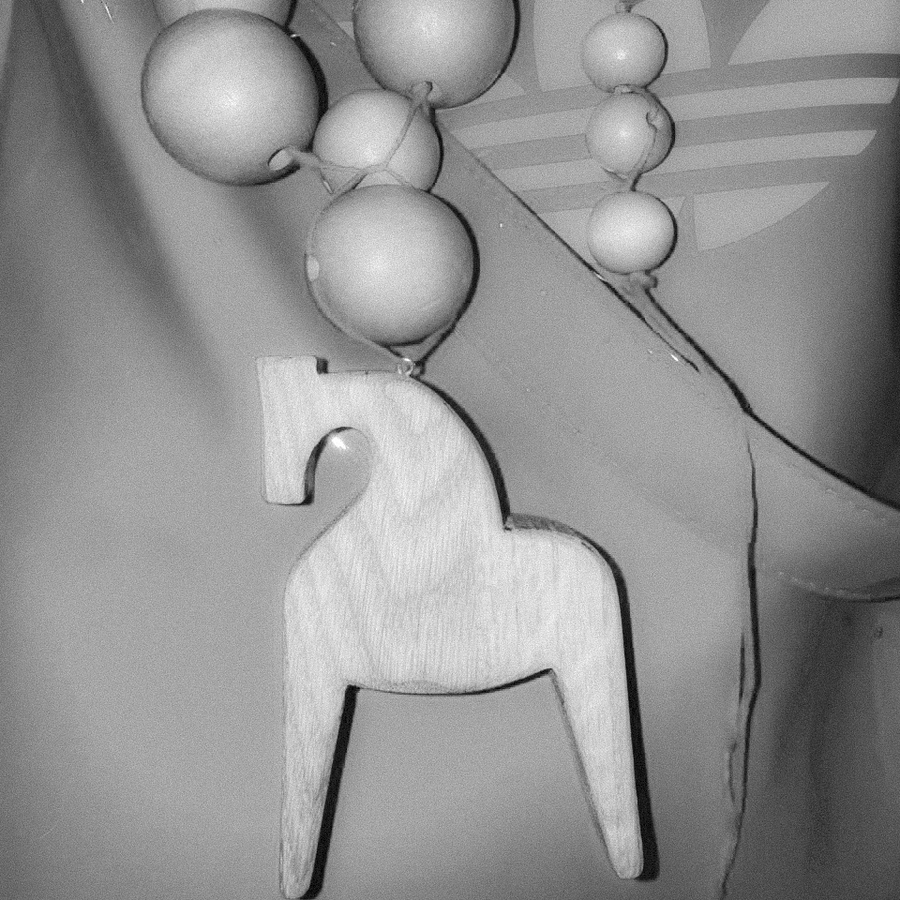
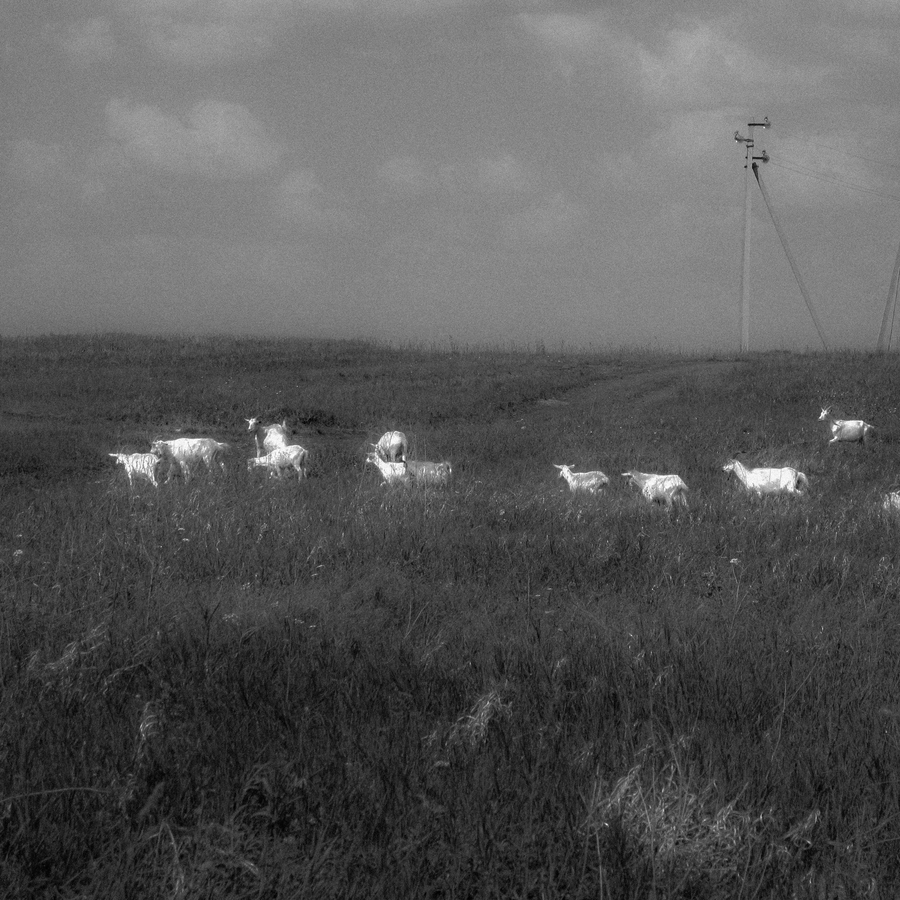
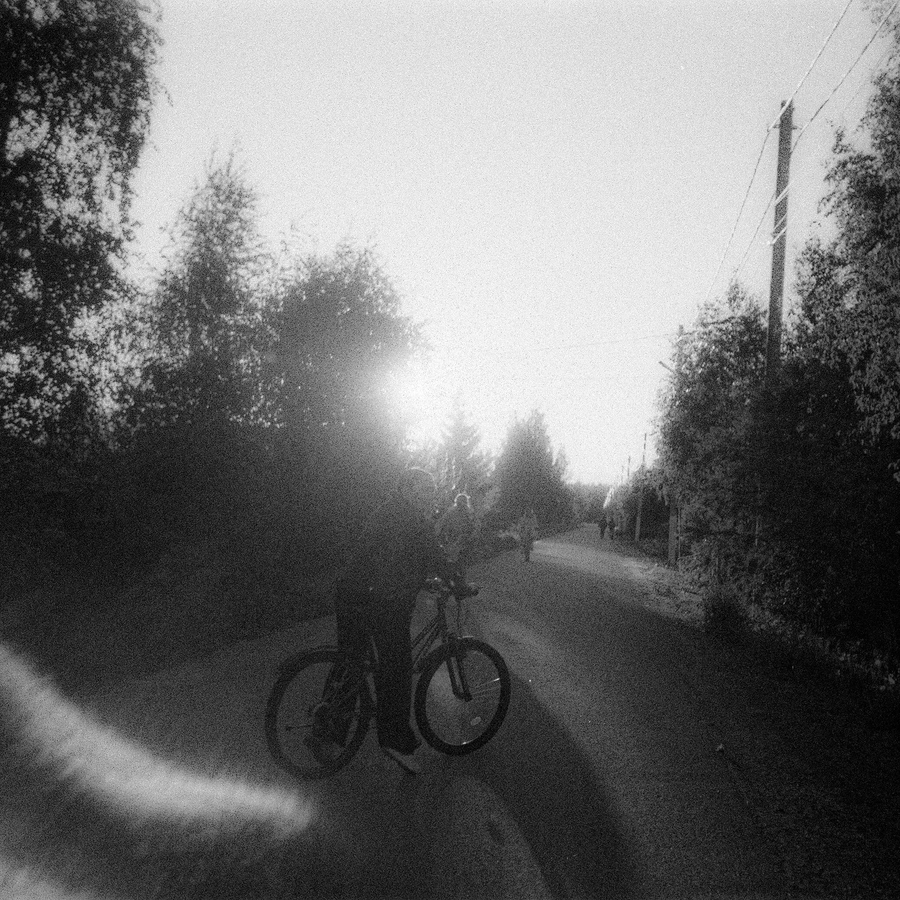
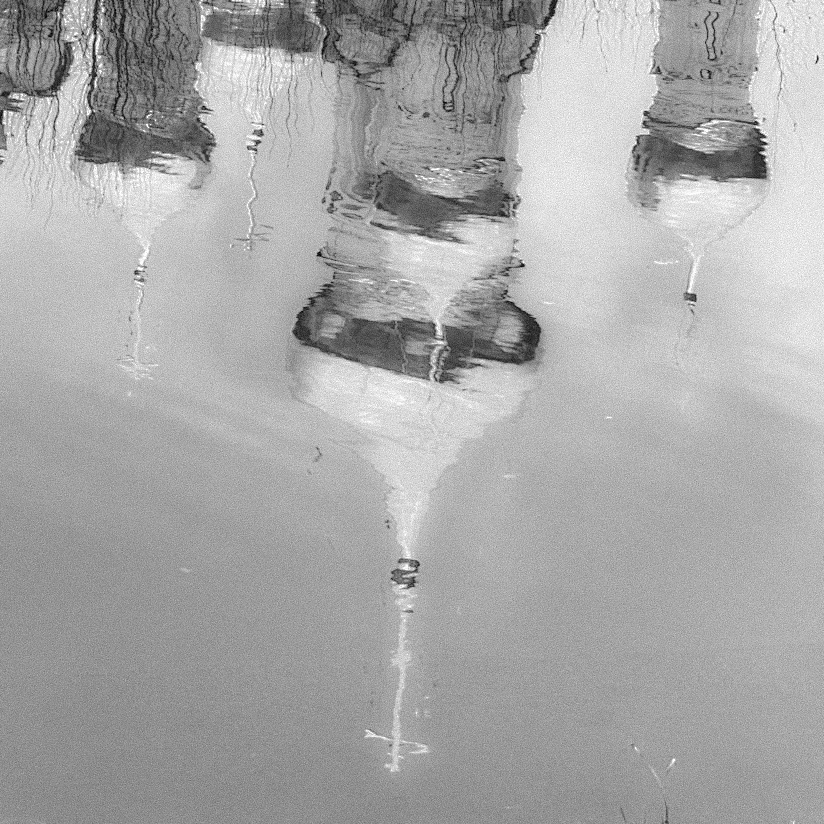
Images for Learning
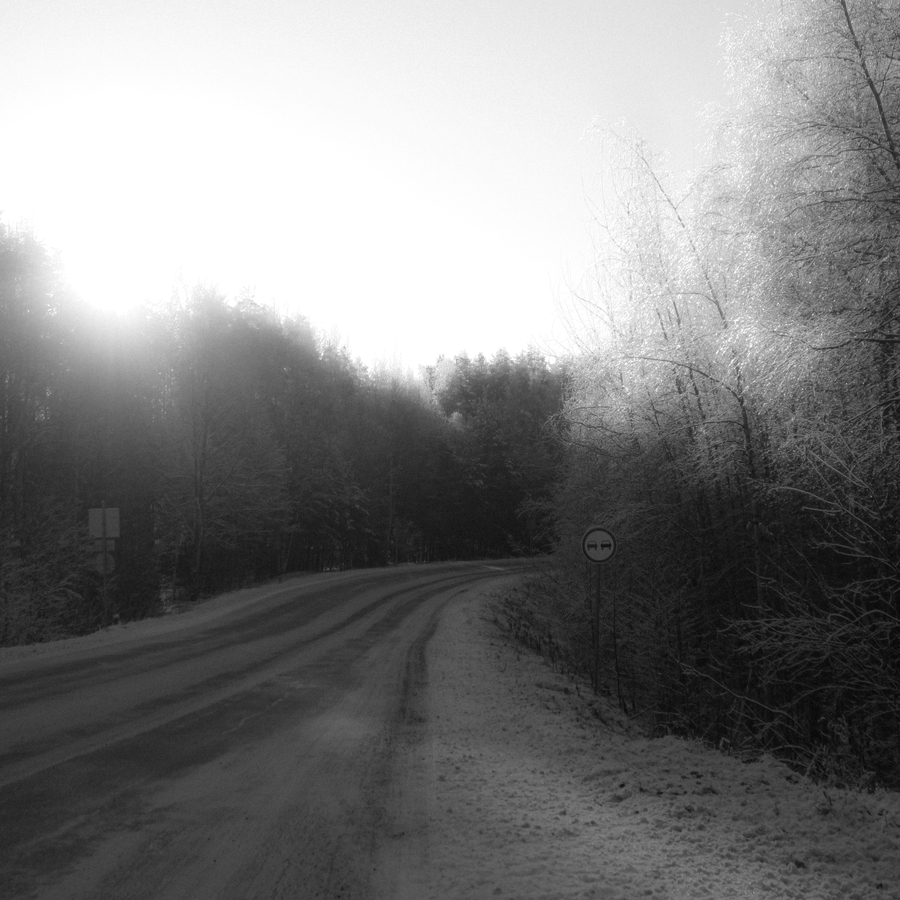
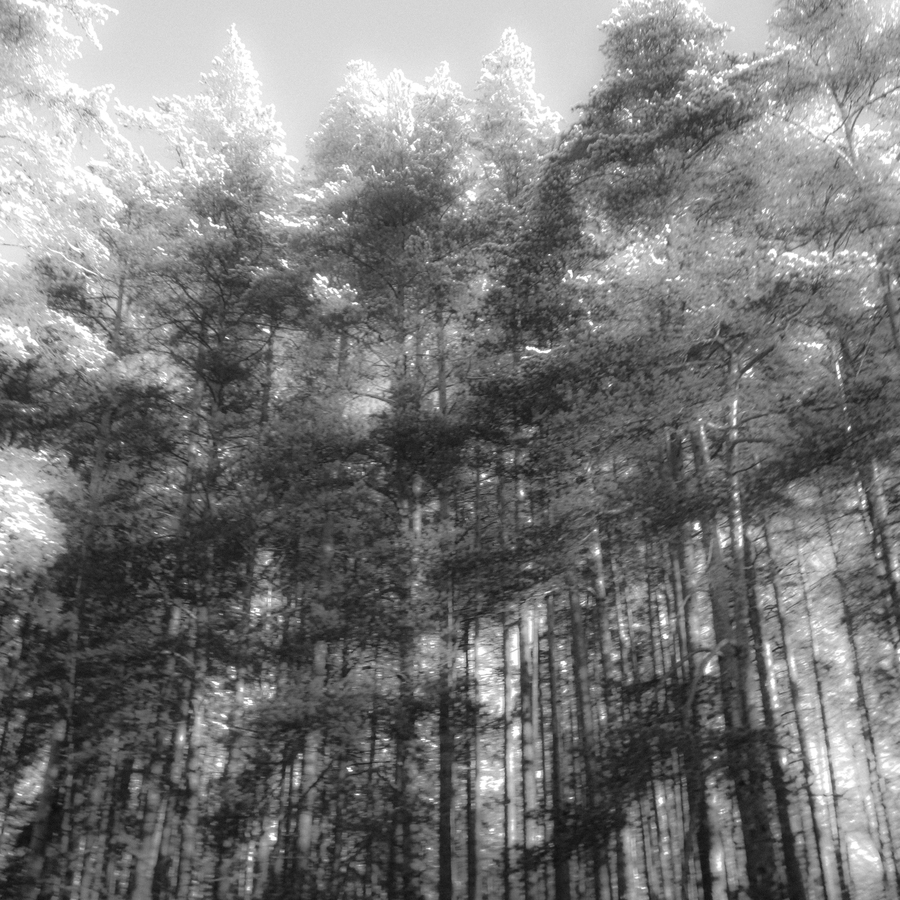
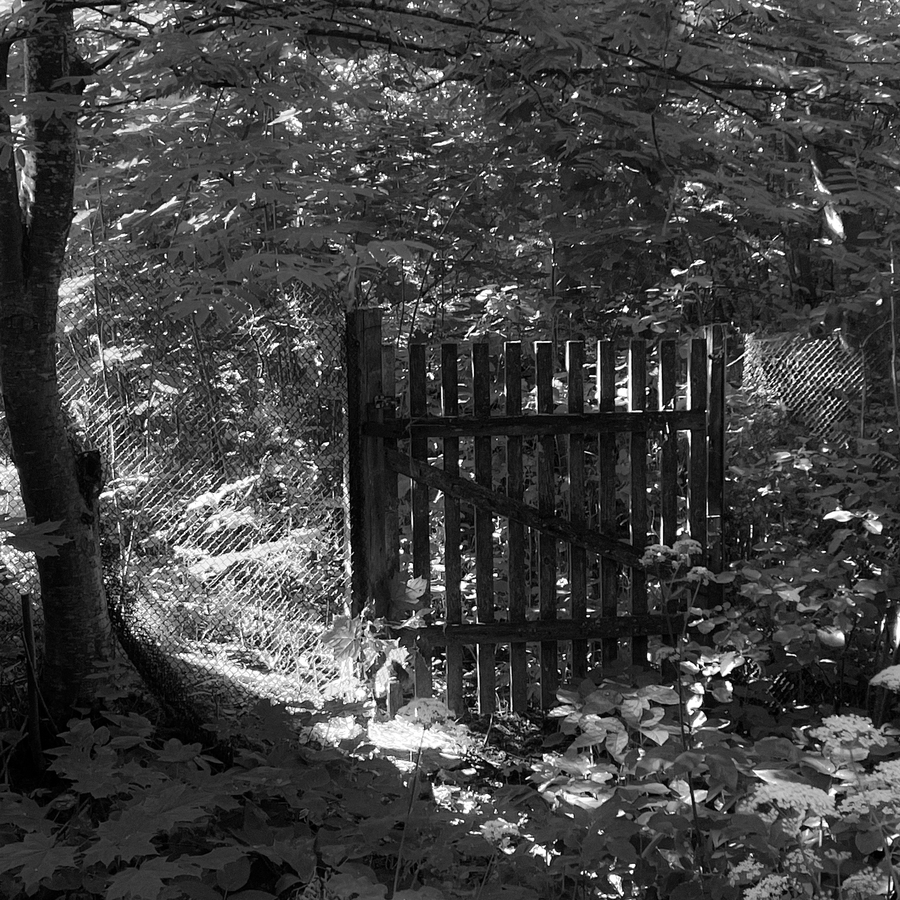
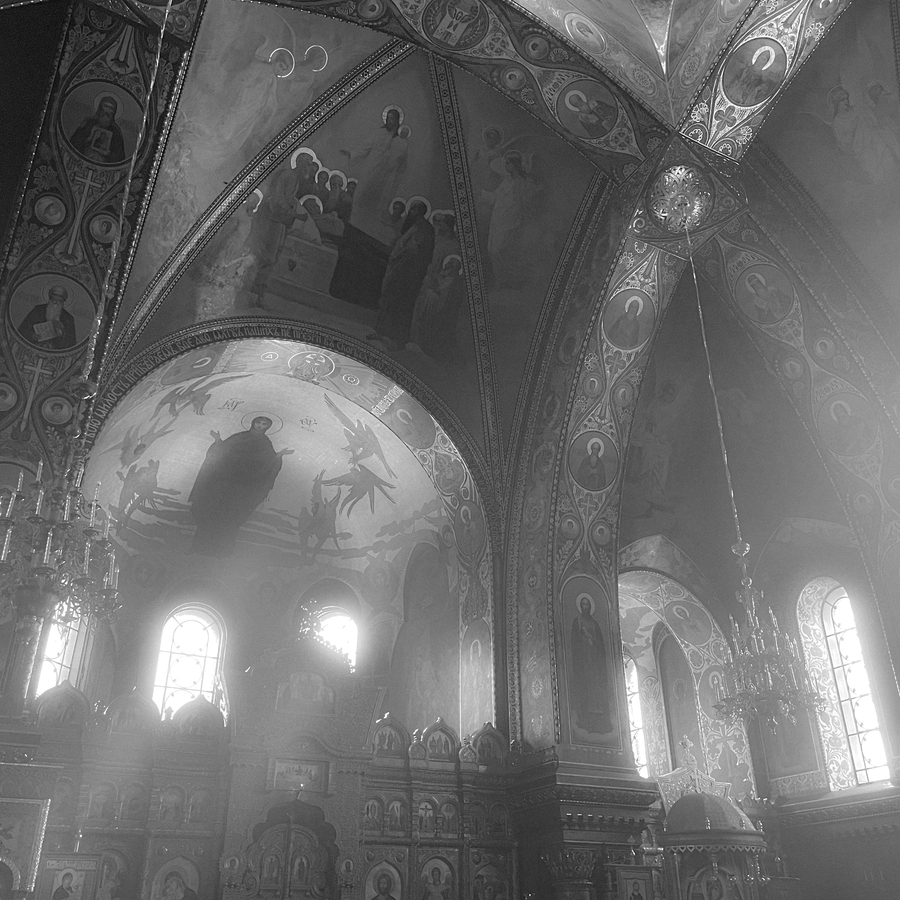
Series of Generated Images
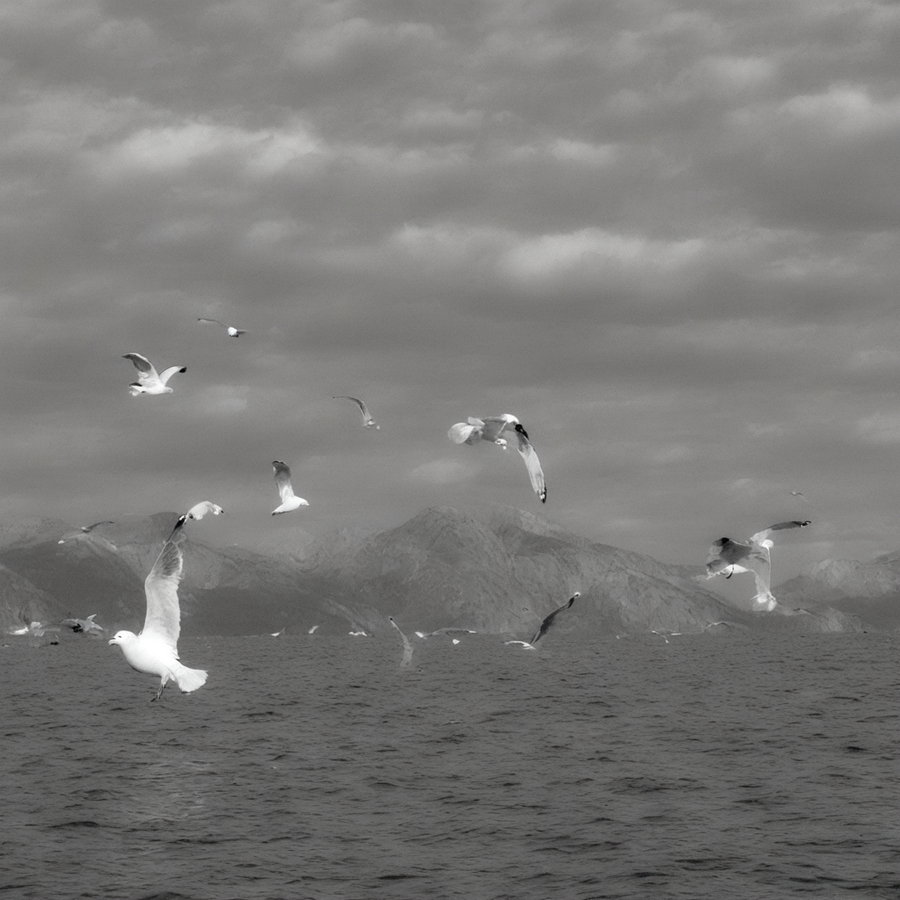
photo in SKS style, coastal zone of the bay, Vourgh fjords, seagulls in the sky
photo in SKS style, a castle on a hill
photo in SKS style, a horse’s muzzle seen from above; its mane is braided
photo in SKS style, kids are running around the village
photo in SKS style, a domed church in a field
photo in SKS style, A river from which a small, brightly glowing fish leaps out
photo in SKS style, A river from which a small, brightly glowing fish leaps out
photo in SKS style, lace-embroidered letter A
Comment
The project successfully demonstrates the development of the specified visual style. It was important for me to learn how to convey mood, as this will be useful in the future—whether for developing a brand’s visual language or for book illustrations.
The model absorbed the key principles:
- The color palette is black and white, except for the frame with the horse, which turned out in a cream tone but in the required style;
- Film grain;
- Glow and haziness. I noticed that if I add the word «fog» to the prompt, the specified objects become invisible—everything is obscured by mist, just like in real life;
- Blurred memories. Since my dataset does not contain portraits, the faces may appear indistinct, which creates the feeling of unclear faces from dreams.
Implementation
Base Model: Stable Diffusion XL 1.0 Adaptation Method: DreamBooth with LoRA Dataset Size: 45 images Number of Steps: 500 Resolution: 512×512 pixels
Training was conducted on an original dataset of 45 photographs, all processed in a unified style: black-and-white monochrome, illuminated light objects, atmospheric haze, soft glow, and film grain. All images were resized to a 1:1 square format. For each photo, the BLIP neural network automatically generated a descriptive text prompt for the scene, augmented with the style key «photo in SKS style.» This enabled the model to decouple the style from the content of the frame. Training on a free T4 GPU utilized gradient checkpointing and an 8-bit optimizer.
Used Models and Methods
- Stable Diffusion XL 1.0 — Base architecture for image generation Link: https://huggingface.co/stabilityai/stable-diffusion-xl-base-1.02. BLIP (Bootstrapping Language-Image Pre-training) — Automatic dataset image annotation Link: https://huggingface.co/Salesforce/blip-image-captioning-base3. DreamBooth + LoRA (methodology) — Personalizing the base model to your style4. SDXL VAE fp16-fix — Corrected image decoder that allows training and running SDXL in half precision (fp16) Link: https://huggingface.co/madebyollin/sdxl-vae-fp16-fix