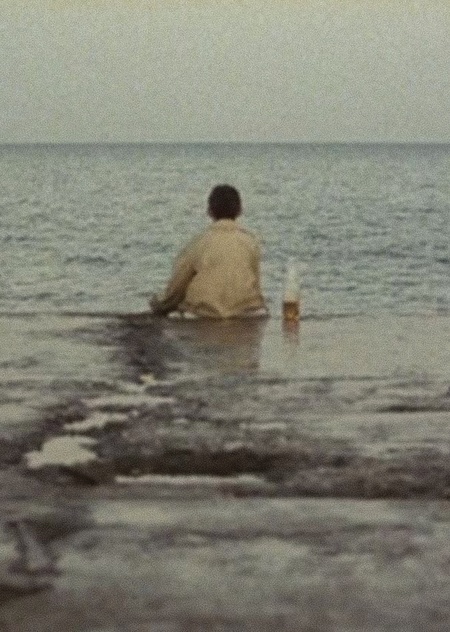
Concept
The choice of topic stemmed from an observation: while watching Boris Khlebnikov’s «Free Swimming,» I was drawn to the strictly composed, symmetrical frames, which led me to contemplate symmetry as a visual technique in the director’s work.
Boris Khlebnikov is a Russian director who began his career in the 2000s. He is considered one of the «new quiet» directors—those of the noughties who tackled contemporary issues of Russian society in their films, showing the country honestly, exactly as they saw it, with all its strengths and weaknesses. Above all in the director’s work is the individual: their position in the world and society, their character, their internal contradictions, and the questions that define their lives.
Boris Khlebnikov’s cinema features a wide variety of people, but his main characters are always united by something—they are very fragile, vulnerable, yet strong and honest individuals striving to overcome their weaknesses and find the best outcome for themselves and the world around them. In his early films, a hopeful quality within the human spirit seems to prevail: a father and son reunite and find reconciliation in «Koktebel,» while the protagonist in «Free Swimming» manages, through perseverance and searching, to find a promising job that will allow him to escape the provincial world where nothing happens and there is no real life. In his later films, the director answers the question, «Where will humanity ultimately end up?» more with silence, as in «Arrhythmia» (the ending remains open; the viewer never learns whether the conflict between the main characters will resolve), or he draws deeply pessimistic conclusions about the inability of many people to improve, as depicted in «Snowbird.»
The visual theme of symmetry, which appears in many of Boris Khlebnikov’s films, strikes me as a reflection of humanity’s yearning to find balance and harmony—both within and with the external world. This symmetry, represented by a clearly composed frame, is also frequently disrupted because Khlebnikov’s characters are seekers, and they make mistakes. The harmony of the world that the director captures—as if it resides within this symmetrical frame (for example, the perfectly centered employment center in «Free Swimming»)—is constantly being broken, most often by the characters themselves. This is why the concept of symmetry in this study runs hand-in-hand with the concept of asymmetry. Symmetry functions as resilience—an attempt to cope with life’s hardships and find balance. It may not be perfect, just like people are not perfect, but therein lies its beauty and truth. The world might appear «imperfect» to a person, but at its core, it is absolutely harmonious—and I believe this is what symmetry, as a visual device in Boris Khlebnikov’s cinema, reflects.
I made an effort to select shots exhibiting pronounced symmetry—the kind that is most noticeable and has the greatest impact on the viewer. However, there are also shots with less obvious symmetrical properties.
The visual study is composed of four parts: I analyze different nuances of symmetry across four films by Boris Khlebnikov from different periods. Interestingly, symmetry in the frames becomes significantly less prevalent in his later films, as if the theme of balance discussed in the research fades, and the world’s harmony, so characteristic of the director’s early work, becomes irrelevant.
1. «Koktebel» (2003): Symmetry as an attempt to find balance in the family
In «Koktebel,» Boris Khlebnikov’s first feature-length collaboration with Alexey Popovgresky, the central theme is the relationship between a son and his father. The father is an irresponsible character; unable to find inner peace after his wife’s death, he struggles significantly with alcohol. This addiction has led to him losing his home and forcing him to travel with his son from Moscow to Koktebel. The son, in contrast, is resilient, displaying more responsibility than his father despite his age. In the difficult circumstances he faces—bereft of his mother and living with a father who has lost his footing—he is compelled to grow up. His strength stems from resisting the instability of his life.
The entire film charts the journey of both characters—the father and the son—a path, as is often the case, made up of hardships, losses, and the discovery of meaning. The film’s characters are complex, but they seek, and ultimately find, mutual understanding in the finale. Their entire journey is a quest for truth: for the father, it is acknowledging his guilt and striving to become a dependable adult for his child. For the son, the journey involves forgiving his father and establishing his own inner support. The courage with which the characters embark on this path is where their strength lies—a beauty that the directors admire. Furthermore, the symmetry in the film serves this very search—the pursuit of harmony and balance.
«Koktebel, ” 2003, directed by Boris Khlebnikov and Alexey Popovgresky
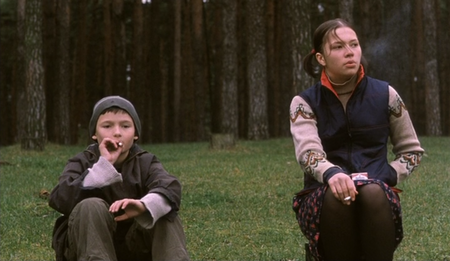
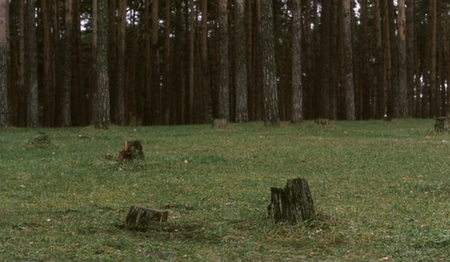
«Koktebel, ” 2003, directed by Boris Khlebnikov and Alexey Popovogresky
«Koktebel,» 2003, directed by Boris Khlebnikov and Alexey Popogrebsky
«Koktebel, ” 2003, directed by Boris Khlebnikov and Alexey Popogrebsky
In Khlebnikov and Popovgrebsky’s «The Wayward Son» in Koktebel, the wayward son follows the wayward father. One could argue that each represents the only thing left of the other—but even here, there is no symmetry to speak of.
«Koktebel», 2003, directed by Boris Khlebnikov and Alexey Popovogrebsky
«Koktebel, ” 2003, directed by Boris Khlebnikov and Alexey Popogrebsky
«Koktebel,» 2003, directed by Boris Khlebnikov and Alexey Popogrebsky
«Koktebel, ” 2003, directed by Boris Khlebnikov and Alexey Popovgresky
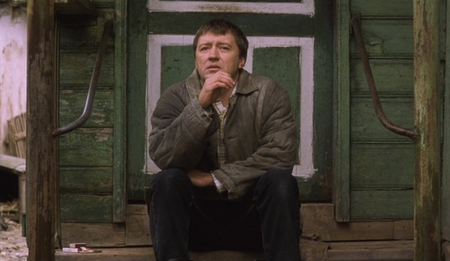
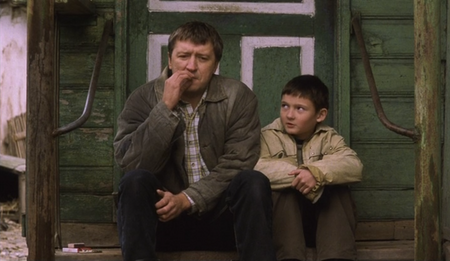
«Koktebel, ” 2003, directed by Boris Khlebnikov and Alexey Popogrebsky
«Koktebel, ” 2003, directed by Boris Khlebnikov and Alexey Popovgrebsky
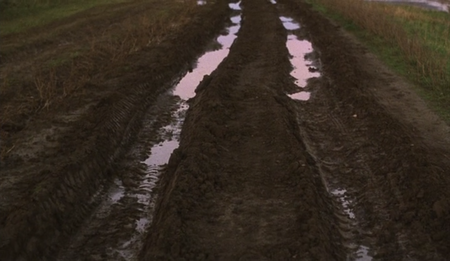
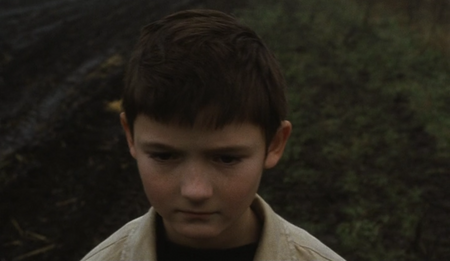
«Koktebel,» 2003, directed by Boris Khlebnikov and Alexey Popogrebsky
«Koktebel, ” 2003, directed by Boris Khlebnikov and Alexey Popogrebsky
«Koktebel, ” 2003, directed by Boris Khlebnikov and Alexey Popogrebsky
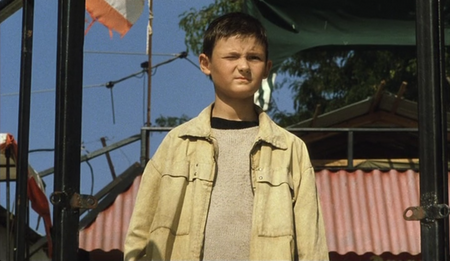
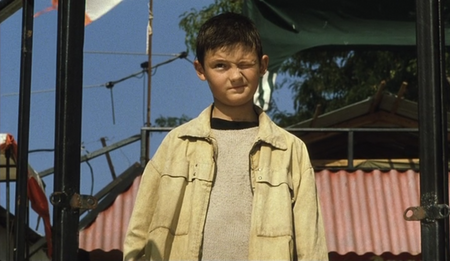
«Koktebel», 2003, directed by Boris Khlebnikov and Alexey Popovgresky
«Koktebel,» 2003, directed by Boris Khlebnikov and Alexey Popovogrebsky
«Koktebel, ” 2003, directed by Boris Khlebnikov and Alexey Popogrebsky
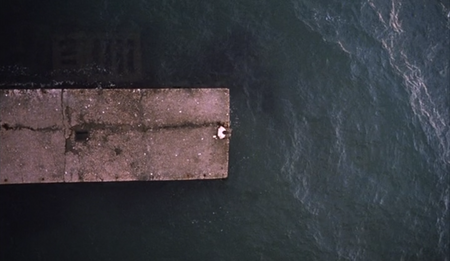
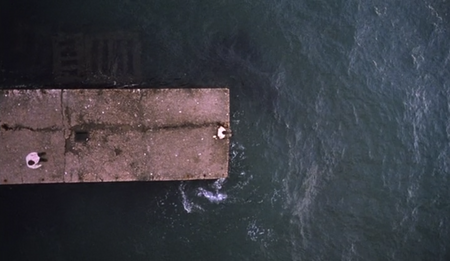
«Koktebel,» 2003, directed by Boris Khlebnikov and Alexey Popovgresky
«Koktebel, ” 2003, directed by Boris Khlebnikov and Alexey Popovogrebsky
2. «Freestyle» (2006): Symmetry as an attempt to find personal equilibrium
«Free Swimming» is Boris Khlebnikov’s first independent film. This movie follows a young man searching for his place in the world. The plot primarily details his attempts to find work in various places across the provinces. After the closure of the motor plant where he was an employee, the protagonist tries his hand at road repair, shoe sales, and painting, but none of these jobs provide the satisfaction he seeks, and he continues his search. Essentially, it is a film of self-discovery, showing a hero in rather bleak provincial circumstances—where there are few close relationships or a vocation to dedicate his life to. Despite this, he does not give up, continuing the search for purpose, people, love, and himself.
Symmetry here reflects this balance—an equilibrium that isn’t always easily achieved at first glance, but which always remains an integral part of the hero because the striving for truth, for a better life for himself, and for the world around him ultimately prevails.
«Free Swimming, ” 2006, directed by Boris Khlebnikov
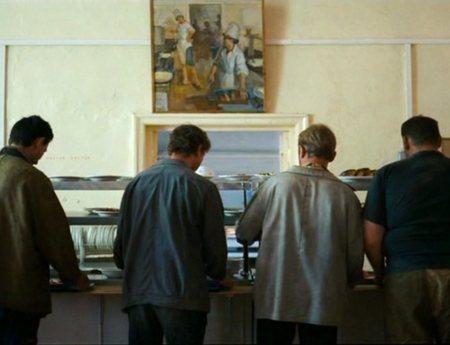
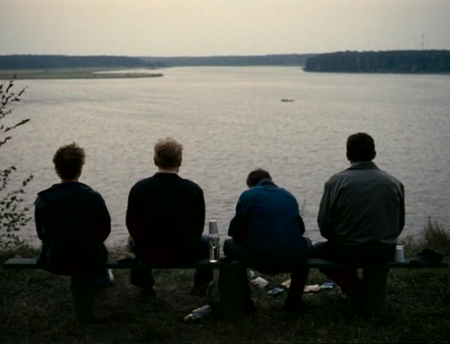
«Freestyle Swimming, ” 2006, directed by Boris Khlebnikov
«Freestyle Swimming,» 2006, directed by Boris Khlebnikov
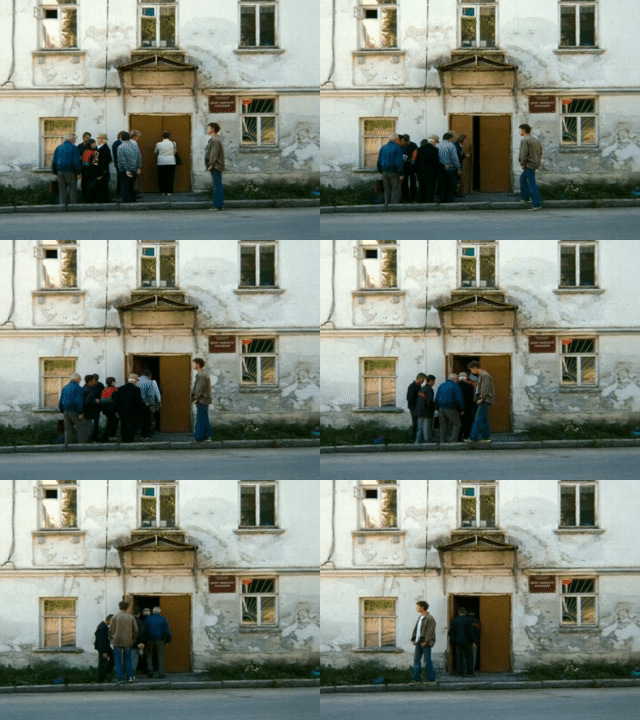
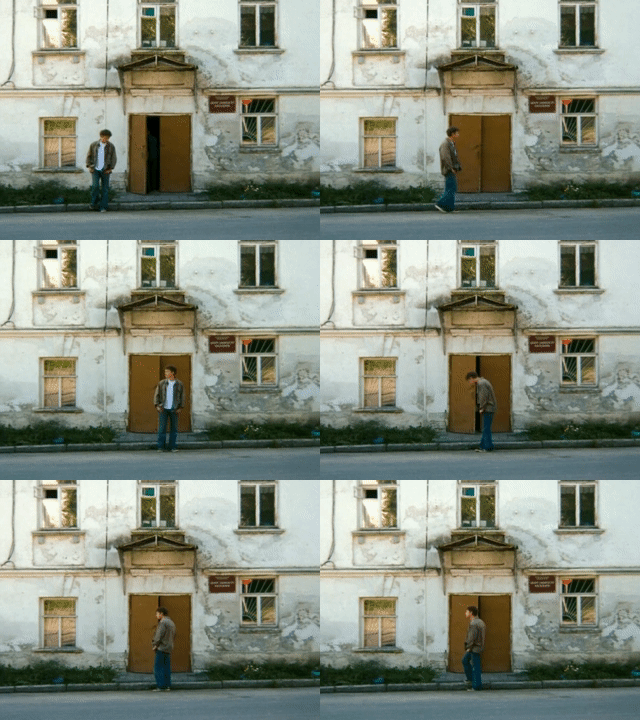
«Freestyle Swimming, ” 2006, directed by Boris Khlebnikov