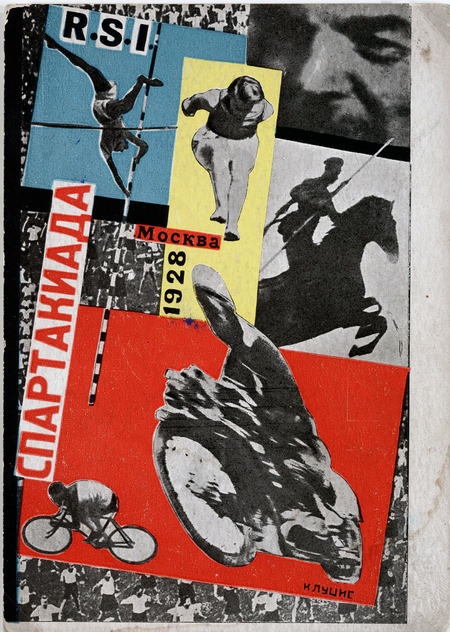
This research focuses on the development of the visual language of Soviet illustrated postcards from 1917 to 1939. The postcard is examined as an independent object of graphic art and mass print culture, integrating artistic imagery, text, and the specific characteristics of the postal format. Its small size, high print runs, and accessibility made the postcard not only a medium for conveying a message but also a means of disseminating artistic representations to a broad audience.
Chronological Boundaries
The study begins with the Revolution of 1917—the lower bound—after which the previous publishing and artistic system gradually transformed, allowing postcards to explore new themes and visual forms. The upper bound traces the development of this process across two post-revolutionary decades. Particular attention is paid to the 1920s and early 1930s: this period saw the active development of Constructivism, photomontage, agitprop graphics, and new methods of image composition. Materials from the late 1930s reveal which artistic solutions gained further development and which gave way to more traditional forms of representation. The pre-revolutionary postcard is examined as a comparative piece necessary for identifying artistic continuity.