Preface
Fashion photography is traditionally associated with showcasing clothing, accessories, and current fashion trends. However, over time, it has evolved into a space for artistic experimentation, where photographers have begun to create their own visual worlds.
Instead of the usual depiction of a model in clothing, the photograph began to present the viewer with unusual scenarios: objects suspended in air, distorted bodies, artificial sets, and strange combinations of objects and space. Fashion gradually stopped being the sole focal point and transformed into a component of a more complex artistic image.
This study examines theatricality and surrealism as two interconnected approaches to constructing fashion photography. Theatricality allows for the creation of a staged performance using light, set design, and posing, while surrealism disrupts the conventional logic of the image, transforming reality into something extraordinary.
Introduction
Surrealism emerged in Europe after World War I and gained theoretical shape in 1924 when André Breton published the first «Manifesto of Surrealism.» Artists and photographers of this movement sought to move beyond rational perception, turning to dreams, the subconscious, chance associations, and the absurd.Photography became a particularly compelling tool for such experiments. Unlike painting, it typically captures existing objects and spaces. Therefore, photographers had to find ways to alter conventional perception of reality—using photomontage, double exposure, solarization, photograms, and unconventional staging.
Ida Shick plays an important role in this research—she is an art critic and a scholar of Surrealist photography. In her publications, she addresses the aesthetics of decay, the disappearance of the conventional human image, the theme of the mask, and the work of Bill Brandt and Chema Mados. Her studies help us view Surrealism not merely as a visual style, but as a system of artistic techniques and ideas.The theatrical aspect, in turn, is connected to the creation of an artificial stage. The photographer functions simultaneously as director and set designer: they select the space, arrange the objects, dictate the models' poses, and manage the lighting. As a result, the photograph acquires the properties of a theatrical frame, in which every element holds significance.
The Genesis of Surrealism in Photography
In the early 20th century, photography gradually ceased to be perceived solely as a means of documenting the surrounding world. Artists began to explore the capabilities of the camera and photographic materials, creating images that did not merely replicate reality but transformed it.
One of the major avenues of experimentation became surrealism. Photographers utilized photomontage, photograms, reflections, unusual lighting, and distortions to create imagery reminiscent of dreams. Ordinary objects in these works lost their conventional function and became part of a mysterious composition.
These experiments laid the groundwork for the subsequent development of fine art and fashion photography—the image began to be perceived not only as a capture of external appearance but also as a means of constructing new realities.
Manner Ray
Man Ray 1934
Man Ray (1890–1976) is one of the first and most significant figures in avant-garde and surrealist photography. His experiments greatly expanded the understanding of the photographic image’s possibilities. One of Man Ray’s most recognized techniques was photogram, which he termed «rayograph.» To create an image, he placed objects directly onto light-sensitive paper without using a camera. This process resulted in unusual silhouettes, shadows, and abstract forms.
Man Ray. Photo Book «Photographs. 1920–1934. Paris»
«Photographs. 1920–1934. Paris» is one of Man Ray’s most important early photo books. The volume brings together the author’s various photographic experiments, which alternate conventional photographs with rayographs—images created without a camera by placing objects directly onto light-sensitive paper. This juxtaposition creates a visual contrast between recognizable objects and abstract forms, gradually disrupting the familiar perception of photography. The images are complemented by texts and poems from Dadaist and Surrealist figures, including André Breton, Paul Éluard, and Tristan Tzara. The writing does not merely accompany the photographs; it engages them in a unique dialogue, expanding their meaning and generating additional associations.
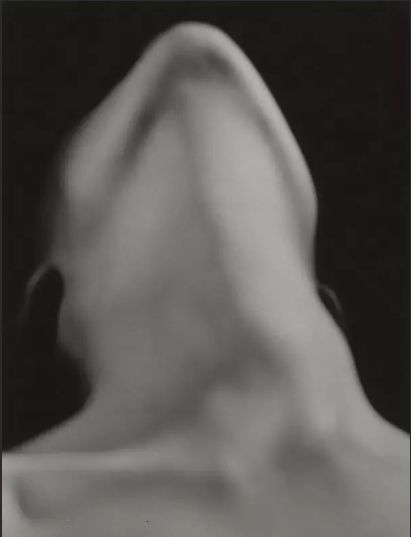
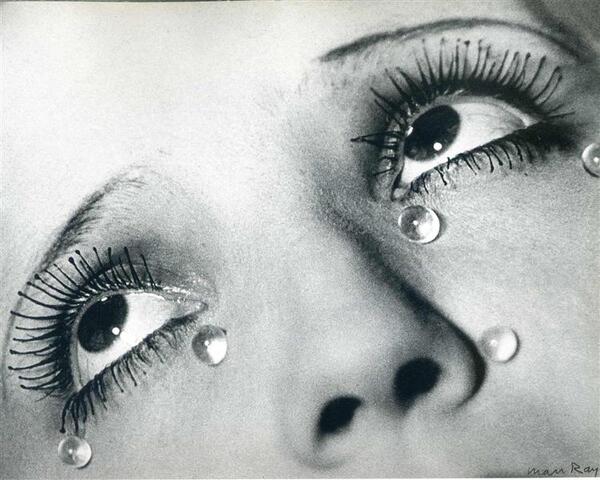
Photographs from the photobook «Photographs. 1920–1934. Paris» «Neck» 1929 and «Tears» 1932
Photograph «Black and White, ” 1926, from the photo book „Photographs. 1920–1934. Paris“
The book’s composition is built upon a free combination of photographs, photograms, and textual fragments, resulting in an edition that resembles a sequence of visual experiments and associative images. The lack of strict logic and conventional narrative reflects the core principles of surrealism: chance, unexpected juxtaposition of objects, and the rejection of realistic depiction. Individual works, which might otherwise be perceived as standalone experiments, acquire new meanings and interact with one another within the context of the book. Thus, Man Ray transforms the photobook into a cohesive artistic statement, wherein photography becomes not merely a means of capturing reality, but a tool for constructing an unusual, almost dreamlike world.
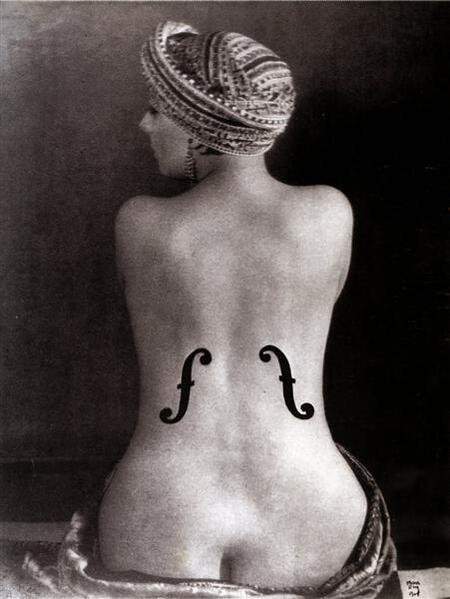
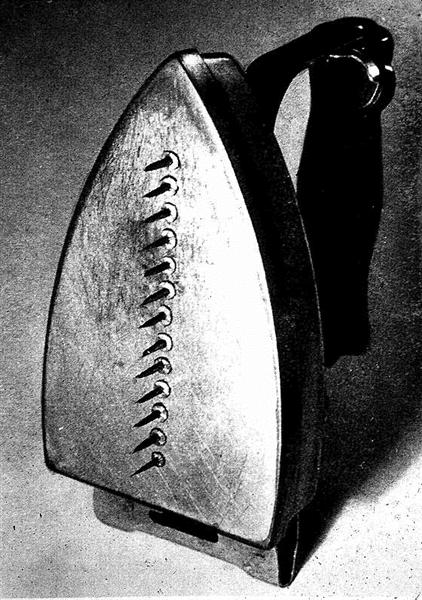
«Violin Engraille» 1924 and «Gift» 1921
In the photography of Man Ray, the human body often becomes the subject of artistic experimentation. Consider the 1924 photograph «Engr’s Violin,» «Kiki Portrait from Montparnasse,» which references Engr’s «Bather of Vallinçon» and has the violin’s ephs digitally added. This photograph was first published in the surrealist journal Literature. He rejects conventional representations of the figure, employing unusual angles, framing, and visual transformations that allow the body to appear unfamiliar, even abstract. Light and shadow also play a particularly significant role in his work—they emphasize specific parts of the body, create expressive silhouettes, and alter the perception of space. Furthermore, the photographer utilizes double exposure and other image layering techniques, combining multiple visual planes within a single frame. This generates a feeling of unreality and helps convey the surreal atmosphere.
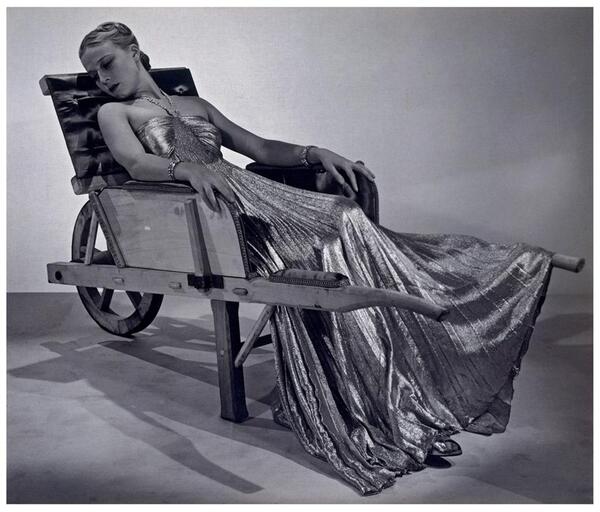
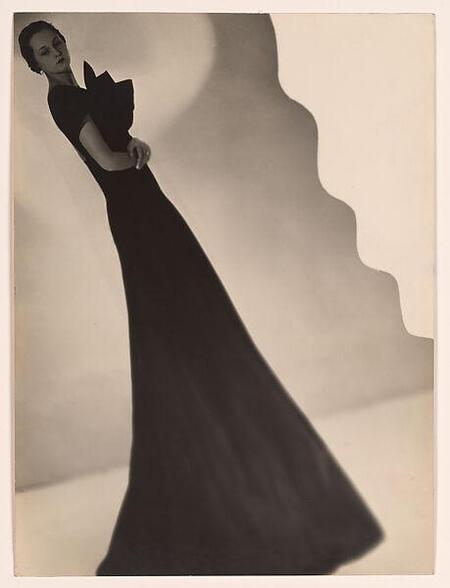
«Model in a Lucien Lelong dress by Oscar Dominguez» 1937, and «Variant of a new Auguste Bernard line» 1934.
Man Ray also worked in fashion photography, collaborating with fashion magazines. In the context of fashion photography, he moves beyond the mere display of clothing or the model’s appearance. He is less interested in the clothing itself than in the potential to transform the photograph into an independent work of art. He experiments with form, composition, light, and photographic techniques, turning the model into a part of an unusual visual scene. As seen in the examples «Model in a Lucien Lelong Dress in Oscar Dominguez’s Car» (1937), shot for Harper’s Bazaar, and «Variant of Auguste Bernard’s New Line» (1934), created for the French magazine Vogue, fashion photography acquires surrealist qualities and becomes a way to explore the human body, beauty, and visual perception.
Philip Haltsman
Philip Halsman was an American photographer of Latvian descent, who gained fame for his unconventional approach to portrait and staged photography. Halsman distinguished himself by his ability to combine precise staging, expressive poses, and unexpected visual solutions. He aimed not merely to capture a person’s appearance, but to reveal their character through movement, gesture, and interaction with their surroundings. He achieved particular popularity through his surreal photographs, created in collaboration with Salvador Dalí, one of which is the highly popular «Atomic Dalí» from 1948.
Philip Halsman «Atomic Dali» 1948
In the image, the artist, several objects, water, and cats are suspended in mid-air, creating a sense of a frozen moment. Achieving this result required 28 attempts from both the photographer and the artist. The work is fascinating because the surreal effect was achieved not only through photo manipulation but also through a real staging, movement, and precise calculation of the moment of capture.
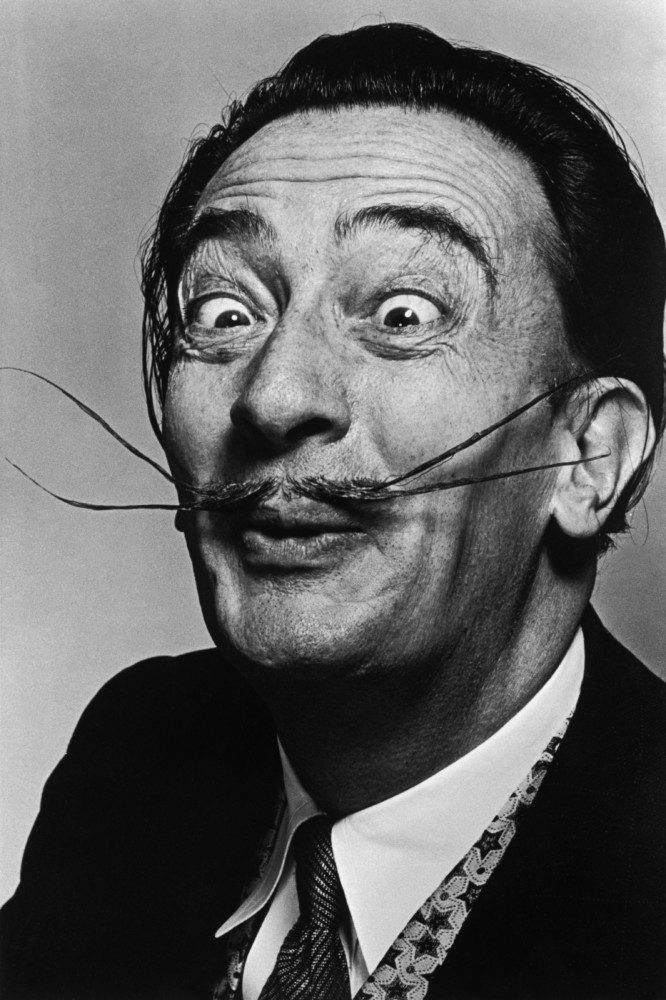
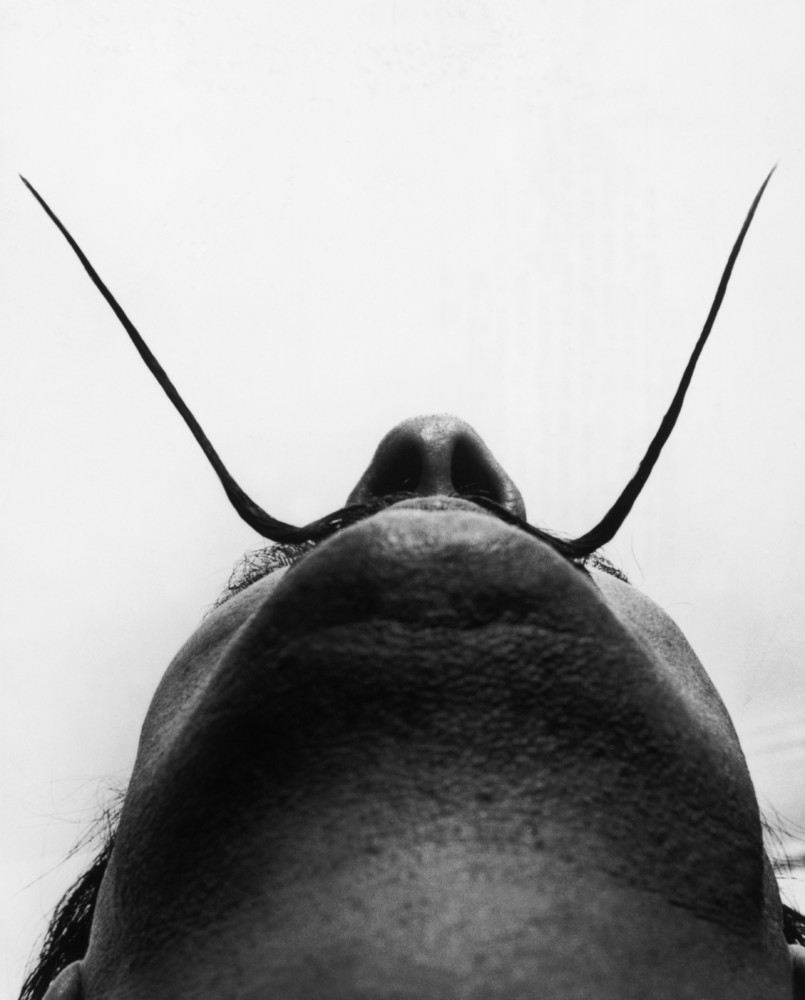
Philip Halsman Photo Book «Dali’s Mustaches» 1954
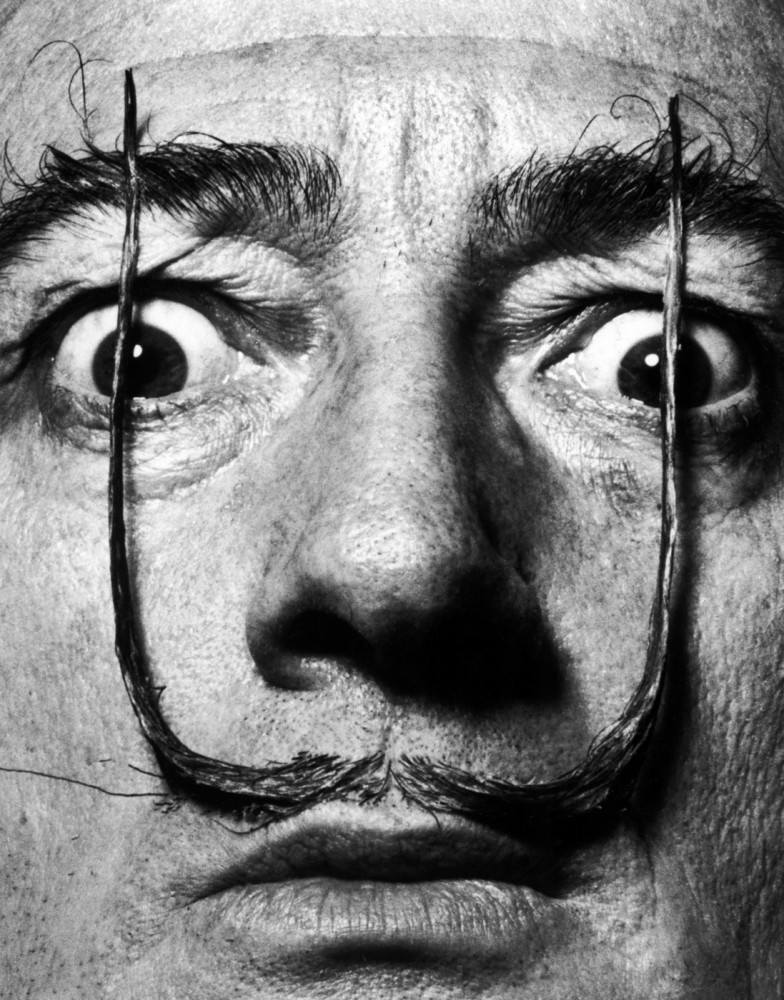
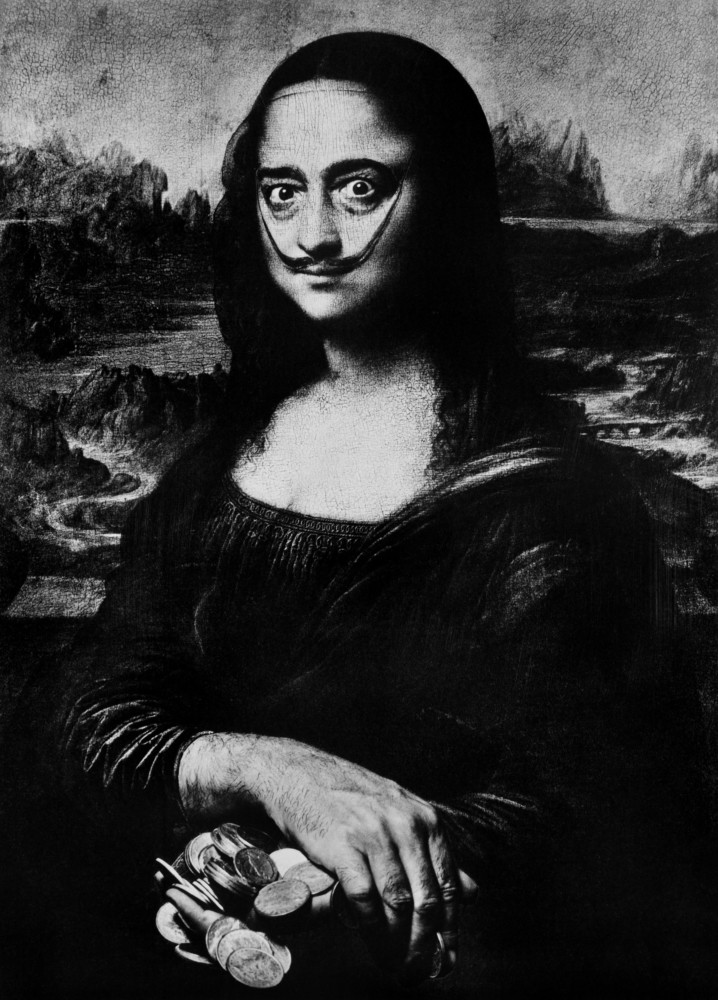
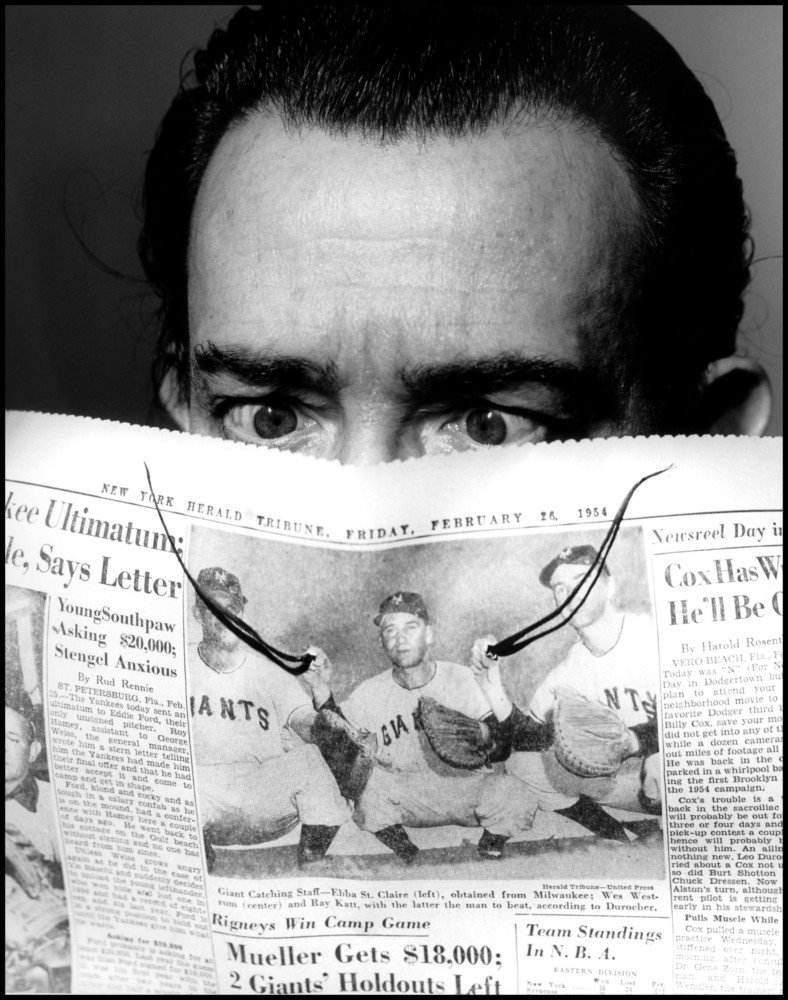
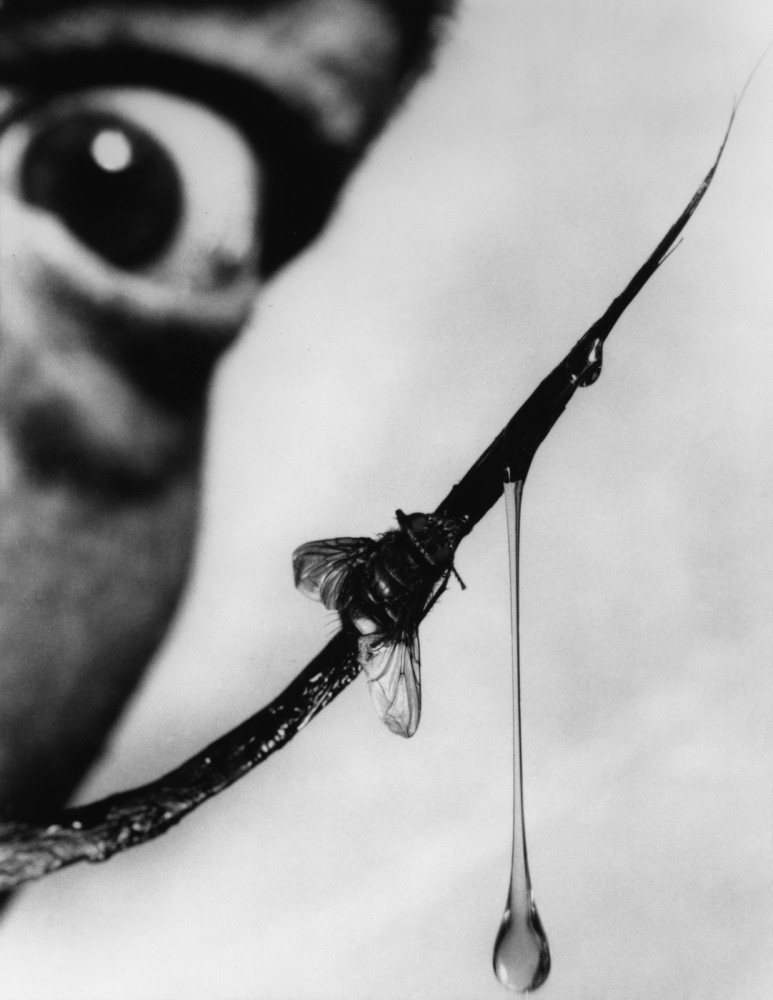
One example of his experiments was the photobook «Dalí's Moustache» (1954), created in collaboration with Salvador Dalí. In it, the authors focus on one unusual detail of the artist’s appearance—his famous mustache—turning it into the main object of photographic investigation. Across the different images, the mustache changes its shape, position, and visual meaning: sometimes it becomes a standalone graphic element, and other times it interacts with objects and Dalí's face, creating unexpected imagery. The repetition of the same technique across different photographs unifies the series, transforming it into a unique visual game. The book is structured like a photographic interview: Halsham’s questions alternate with Dalí's answers, which are accompanied by images. This allows the text to do more than simply explain the photographs; it becomes an intrinsic part of the artistic concept. Humor, absurdity, and unusual associations enable the authors to explore the principles of surrealism through the familiar portrait genre.
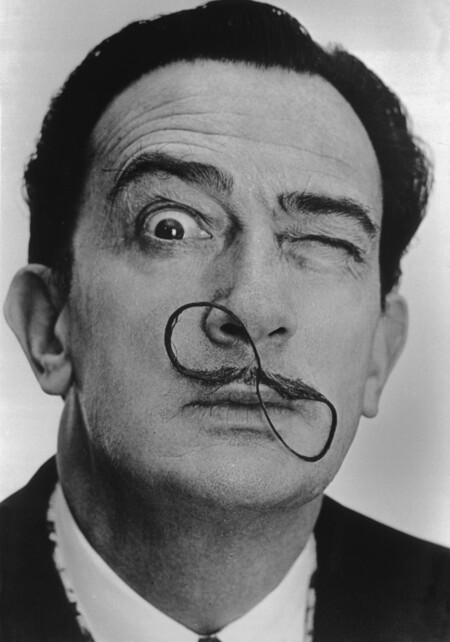
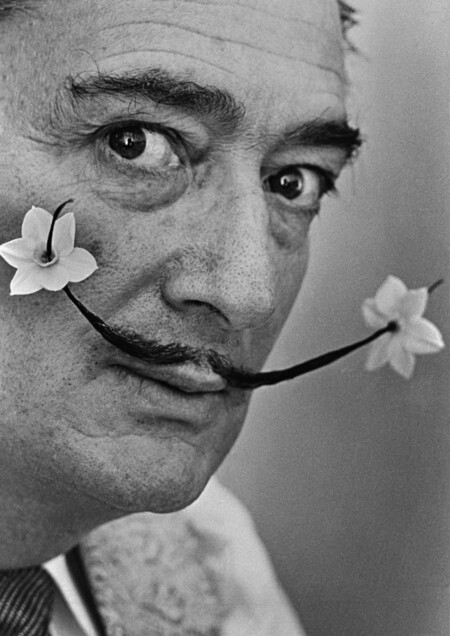
Photographs from the photobook
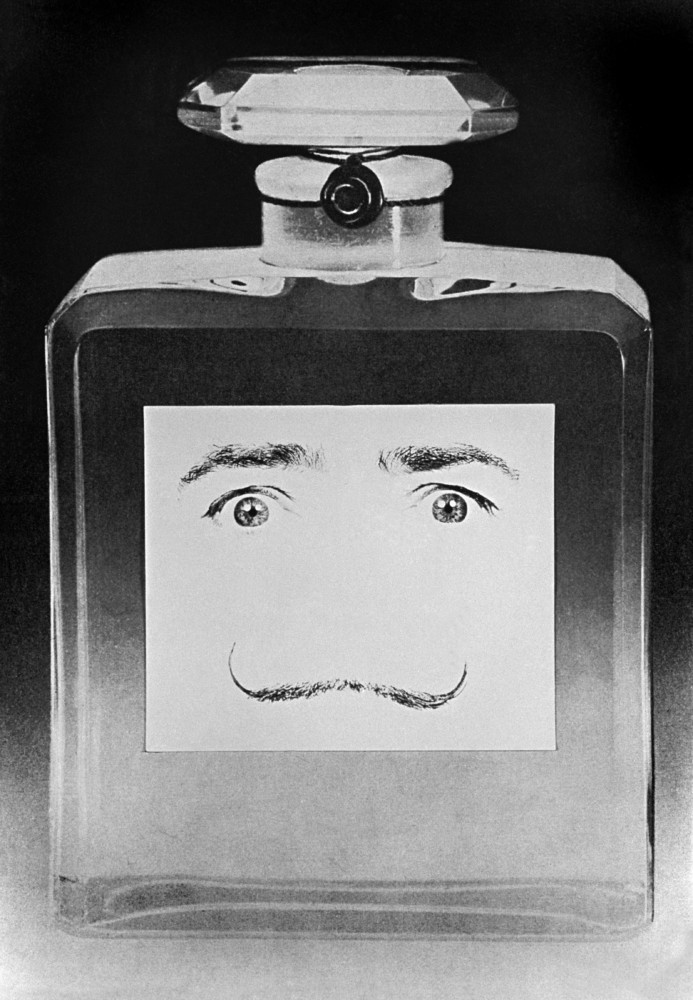
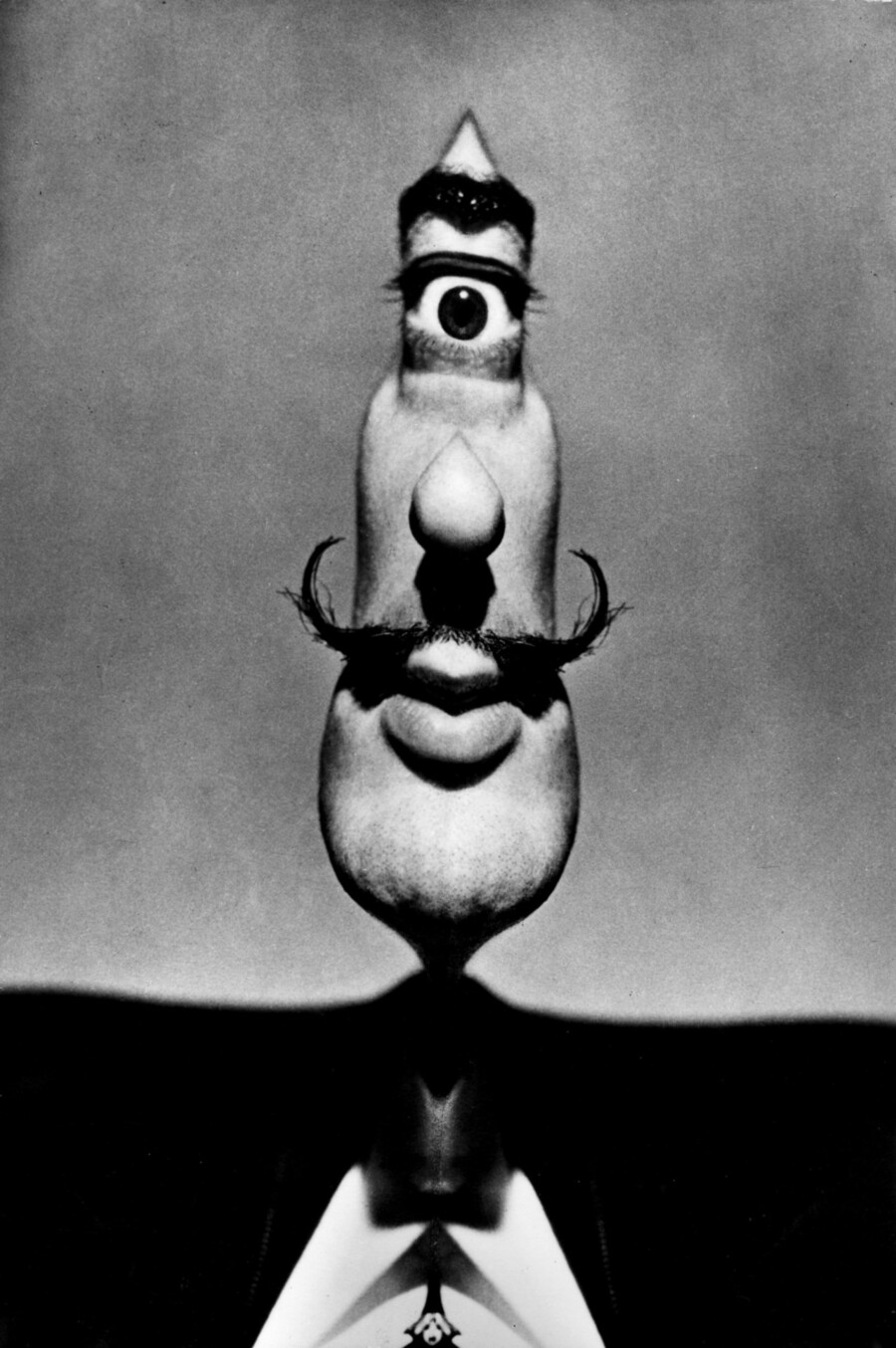
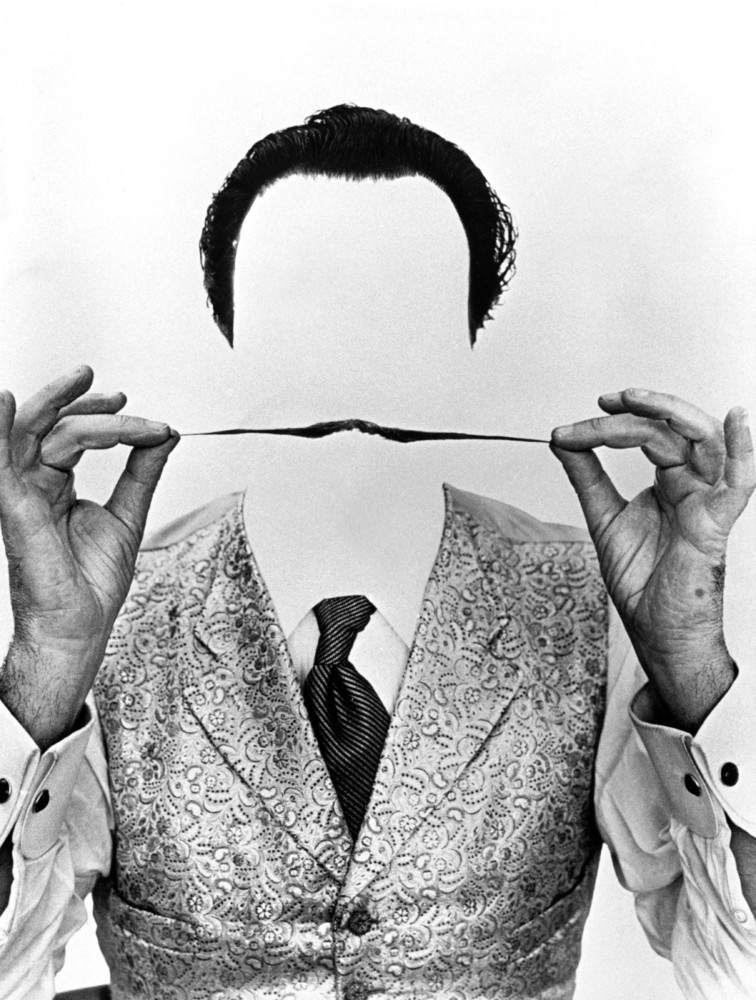
Halsman began his career shooting for fashion magazines and cosmetic companies, yet he cannot be considered solely a fashion photographer. He is significant as an artist who demonstrated that photography could create illusions and transform an ordinary scene into a visual presentation.If the initial surrealist experiments manipulated the image itself, subsequent photographers began working more actively with the space in front of the lens. Consequently, photography gradually began to resemble a theatrical production, where not only the model and clothing mattered, but also the surrounding set.