TRACE — an original brand of upcycled bags that transforms used clothing and textile scraps into modern designer accessories. The project unites expressive form, functionality, and the individuality of each piece.
Idea
At the heart of the brand is the concept of transformation. Material that is no longer used for its original purpose takes on a new form and aesthetic value. Its unique characteristics—texture, color, seams, and structural details—become integral to the new design. TRACE translates to «trace, ” reflecting two key meanings: the trace of the material’s previous life and the mark of the designer’s intervention. Through assembly, draping, knots, and structural alteration, the fabric acquires a new identity while maintaining a connection to its origin.
Relevance
The relevance of this project stems from exploring novel uses for textiles and an interest in personalized design accessories. Many items are discarded even when their material remains perfectly suitable for creating new products. TRACE, however, is not positioned solely as an eco-friendly brand. Upcycling forms the foundation of its production approach, and the primary value for the buyer is shaped by the design, quality, and unique character of the item.
Product and Collections
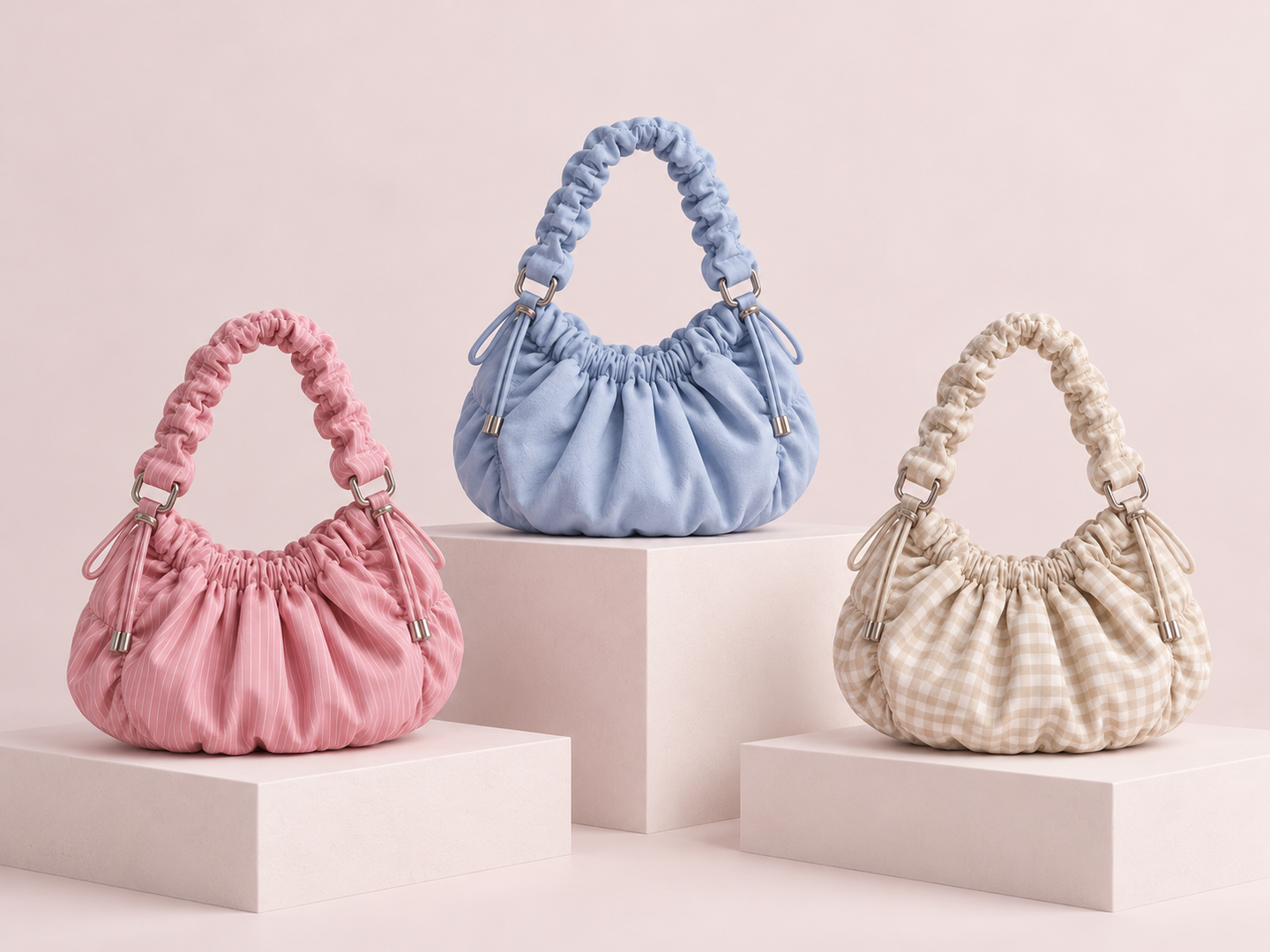
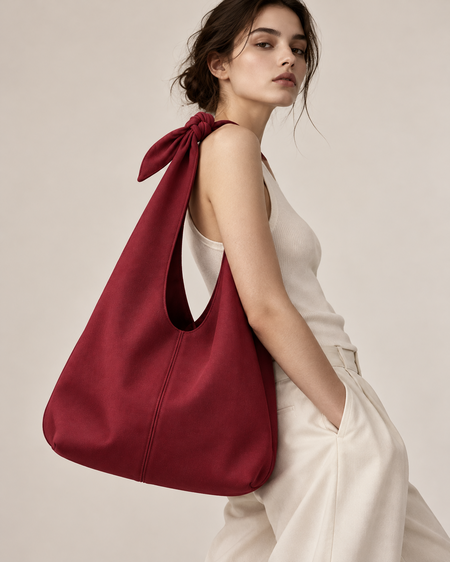
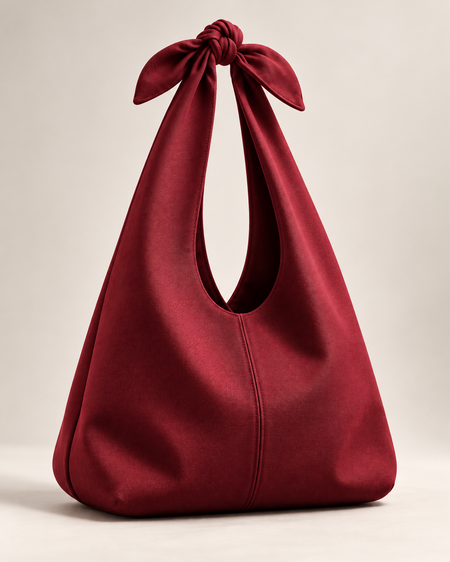
The main product of TRACE is soft textile bags for everyday use. They are distinguished by their unconventional silhouettes, voluminous details, expressive textures, and unique handles.
Each model is developed as a complete functional accessory. Ease of wear, capacity, durability of fastenings, and quality of craftsmanship are of particular importance.
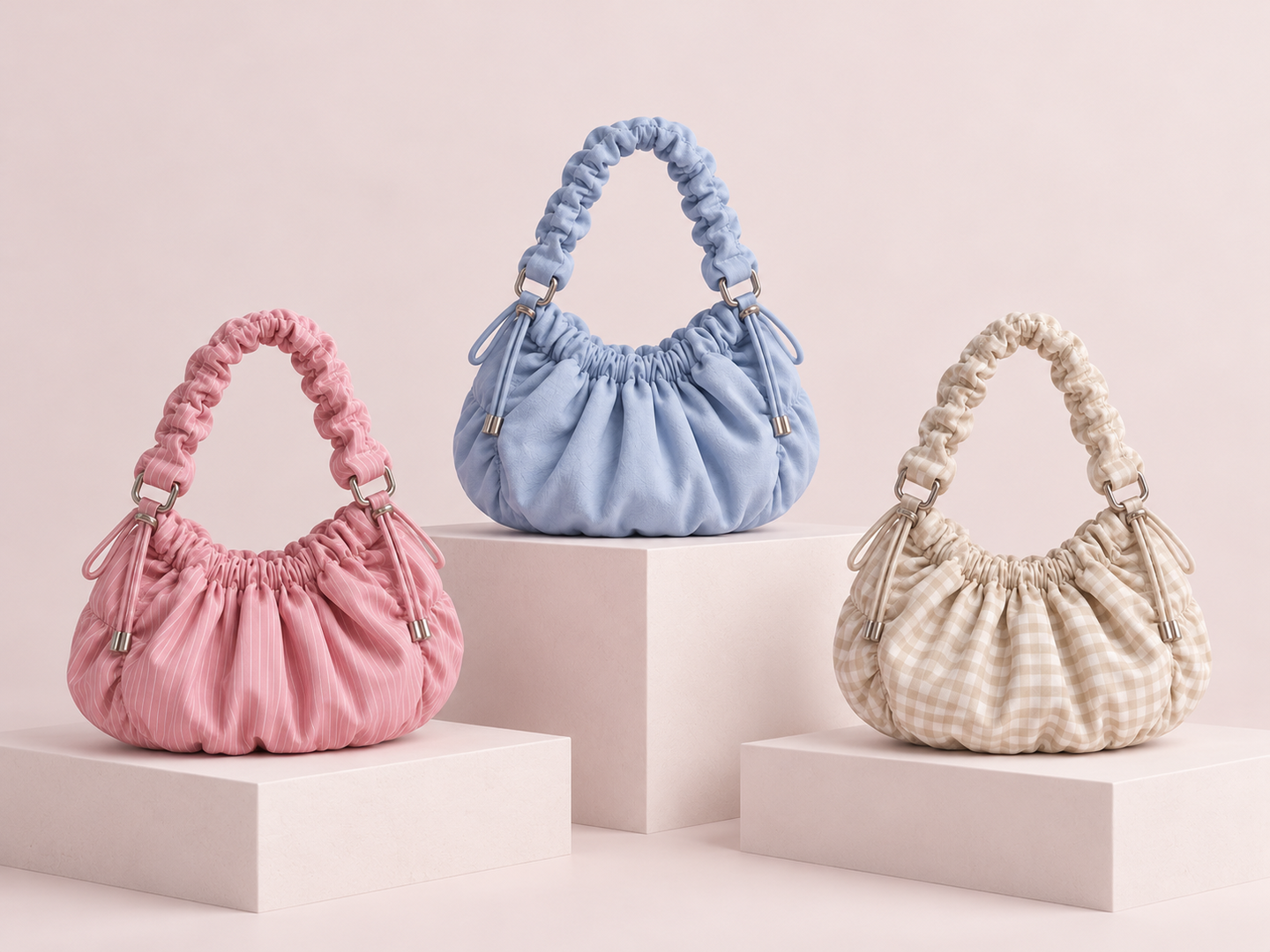
By using diverse raw materials, the resulting pieces may vary in color, pattern, and texture while maintaining a unified design language. The TRACE product system is built around collections, each exploring a specific method of fabric transformation. The first collection will be RUCHED, based on gathering, ruching, and draping. These techniques allow flat fabric to be transformed into soft, voluminous structures. Special attention is given to the interaction between the body and the handles, which form the recognizable silhouette of the piece.
Shirts, denim apparel, and other suitable textile items are considered as starting materials. The first phase involves developing sketches, constructions, patterns, and conceptual visualizations. The next step will be creating physical prototypes to test strength, comfort, and sewing techniques. In the long term, there are plans to develop the KNOTTED line, where textile knots and weaves will be the primary methods of forming shapes. This will allow the product assortment to expand while maintaining the brand’s core concept.
Target Audience
The primary target audience for TRACE is young adults aged 20–28 who are interested in contemporary fashion, local brands, and unconventional accessories.
For them, a bag is not just a functional item but a form of self-expression. When choosing accessories, they focus on original silhouette, quality, unique details, and the ability to complement their personal style.
Limited production runs, the individual character of the items, and the material’s story add further value.
Market Context and Competitive Advantage
There are already brands on the market that utilize recycled materials to create clothing and accessories. For instance, RISHI specializes in working with denim and patchwork. POLYARUS creates items from advertising banners, automotive tires, and other materials, including corporate merchandise. FREITAG is known for functional bags made from used cargo tarpaulins.
TRACE offers an alternative approach: using everyday clothing as the foundation for creating soft, sculptural accessories where the structure itself becomes the primary expressive element. The brand’s competitive edge is forged through a combination of bespoke form-making, a unified collection system, material individuality, and a recognizable visual identity. Thus, TRACE aims to carve out its own niche at the intersection of local fashion, artisanal design, and upcycling.
Visual Identity
The character of TRACE is built on a combination of softness, boldness, and experimentation. Expressive textile forms, voluminous surfaces, and tactile details create a modern aesthetic rooted in fashion and individuality.The signature style unites dense, expressive typography, a soft pastel palette, concise graphics, and an emphasis on material textures.Additional elements of the visual system will include pattern outlines, seam lines, and indicators of fabric transformation. The identity will be used on packaging, labels, product cards, the digital catalog, and social media.Special attention is paid to the visual presentation of the product. Product photography, fashion shoots, and images of the bag-making process will allow us to showcase both the finished items and the story of their creation.
Production and Implementation
The TRACE production model assumes the creation of small batches using readily available textile materials. The process includes selecting and preparing garments, developing the pattern, sewing, quality control inspection, and branded packaging. Because the raw materials may vary in density, size, and condition, a crucial task will be developing constructions that can be adapted to different fabrics without completely altering the manufacturing technology. Small runs will allow for quality control, demand testing, and gradual expansion of the product line.
The primary sales channel in the initial phase will be our own digital catalog promoted through social media. To develop the brand, we plan to utilize small, curated collection launches—drops, still and fashion photography, video materials documenting the creation process, and collaborations with local communities. In the future, sales through designer marketplaces, concept stores, and joint collections with other brands are possible.
TRACE Economic Model
Business Model and Pricing
TRACE is envisioned as a potentially independent, local brand for design accessories, focusing on small-batch production and direct-to-consumer sales. Its commercial model is built on creating added value through proprietary design, product individuality, and limited-edition collections. The brand does not aim to compete with mass production on the basis of minimal pricing. Its objective is to offer an original product with recognizable aesthetics and high-quality execution.
Cost per bag
The preliminary retail price range is 5,900–8,900 rubles, depending on the bag size, structural complexity, and amount of handcrafted work. The estimated price for the basic RUCHED model is 7,900 rubles. The final cost will be confirmed after the prototypes are manufactured, the actual cost of goods is calculated, and potential buyer interest is assessed.
The preliminary manufacturing cost for the basic RUCHED model consists of the costs for the initial textile, material preparation, hardware, cutting, sewing, and packaging.We budget 450 rubles for the purchase and selection of the initial textile. Cleaning and preparing the fabric are estimated at 200 rubles, and lining and reinforcing materials cost 450 rubles. The cost of hardware, thread, and additional elements totals 250 rubles.The majority of expenses are allocated to the cutting and sewing of the item, which are preliminarily estimated at 1,700 rubles. Additionally, 250 rubles are set aside for branded tags and packaging, as well as 200 rubles for internal logistics and a reserve for production defects. Therefore, the preliminary manufacturing cost for one bag is 3,500 rubles.