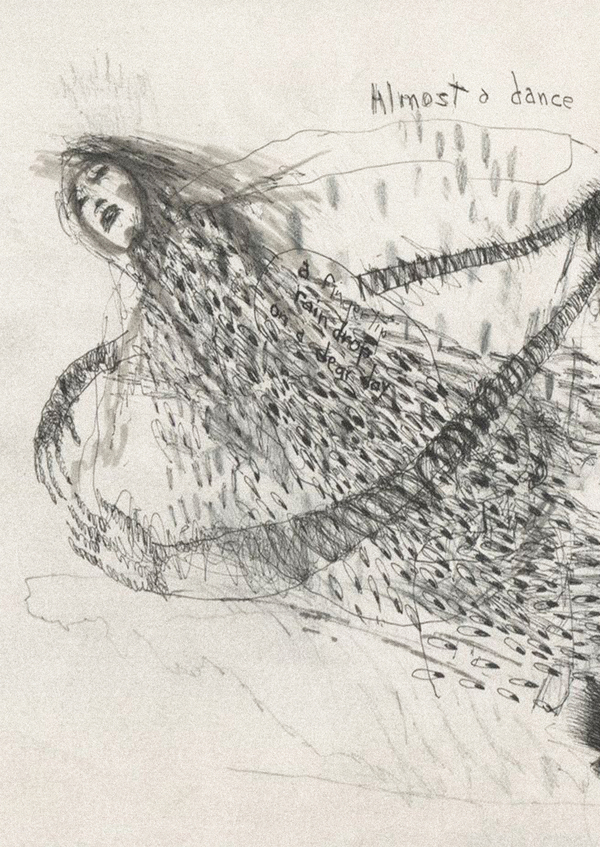
Tragedy: Beauty in the Face of Suffering
Ancient Greece and the Aesthetic Philosophy of Friedrich Nietzsche
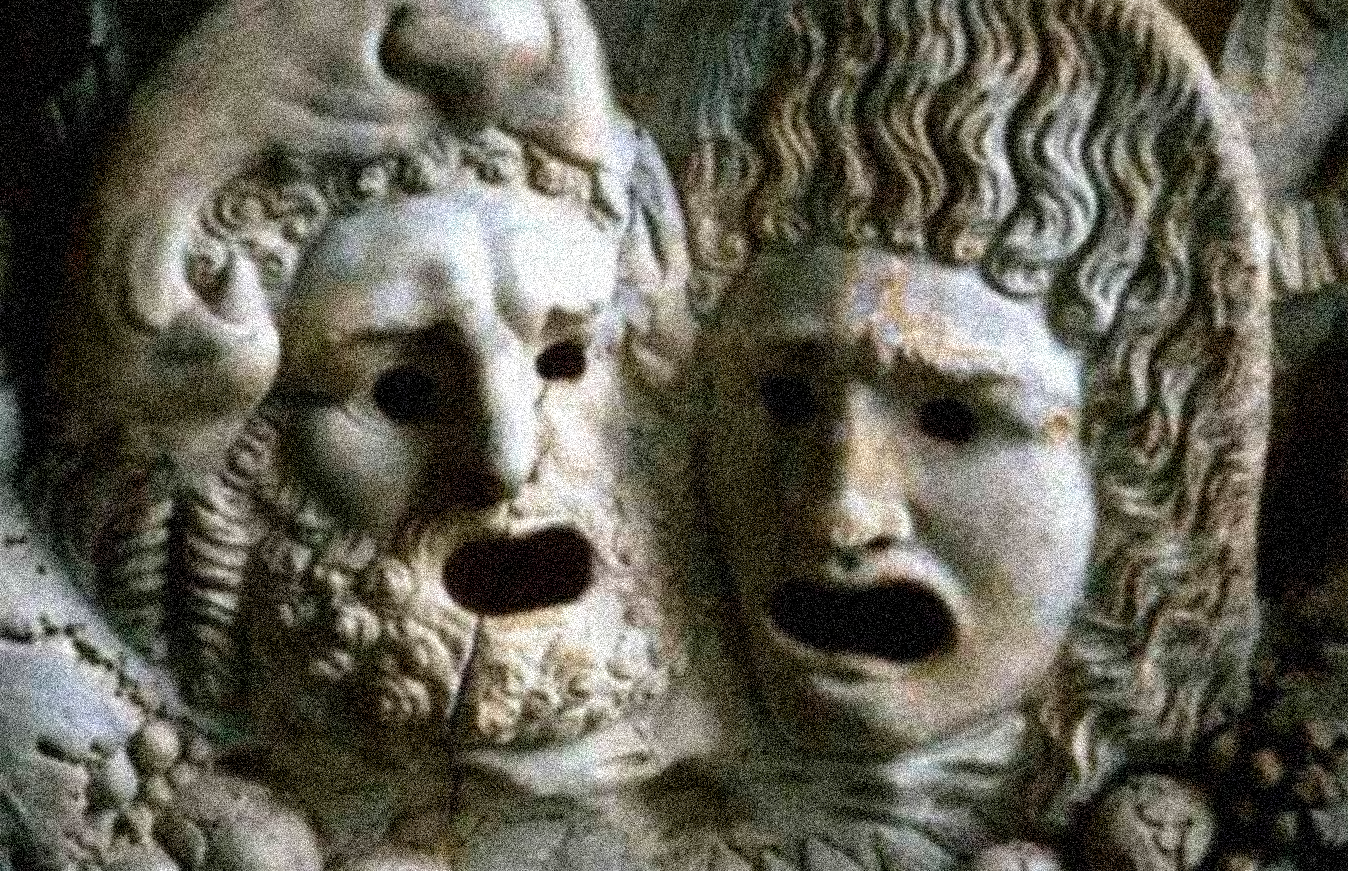
Relief depicting theatrical (tragedy and comedy) masks. Antiquity, Ancient Rome (2nd century AD). Vatican Museums, Rome, Italy
Tragedy — one of the most unusual genres of art. It addresses those sides of human life that we usually wish to avoid: death, suffering, loss, powerlessness in the face of circumstances, and the inability to change one’s own fate.
1. The Genesis of the Tragedy
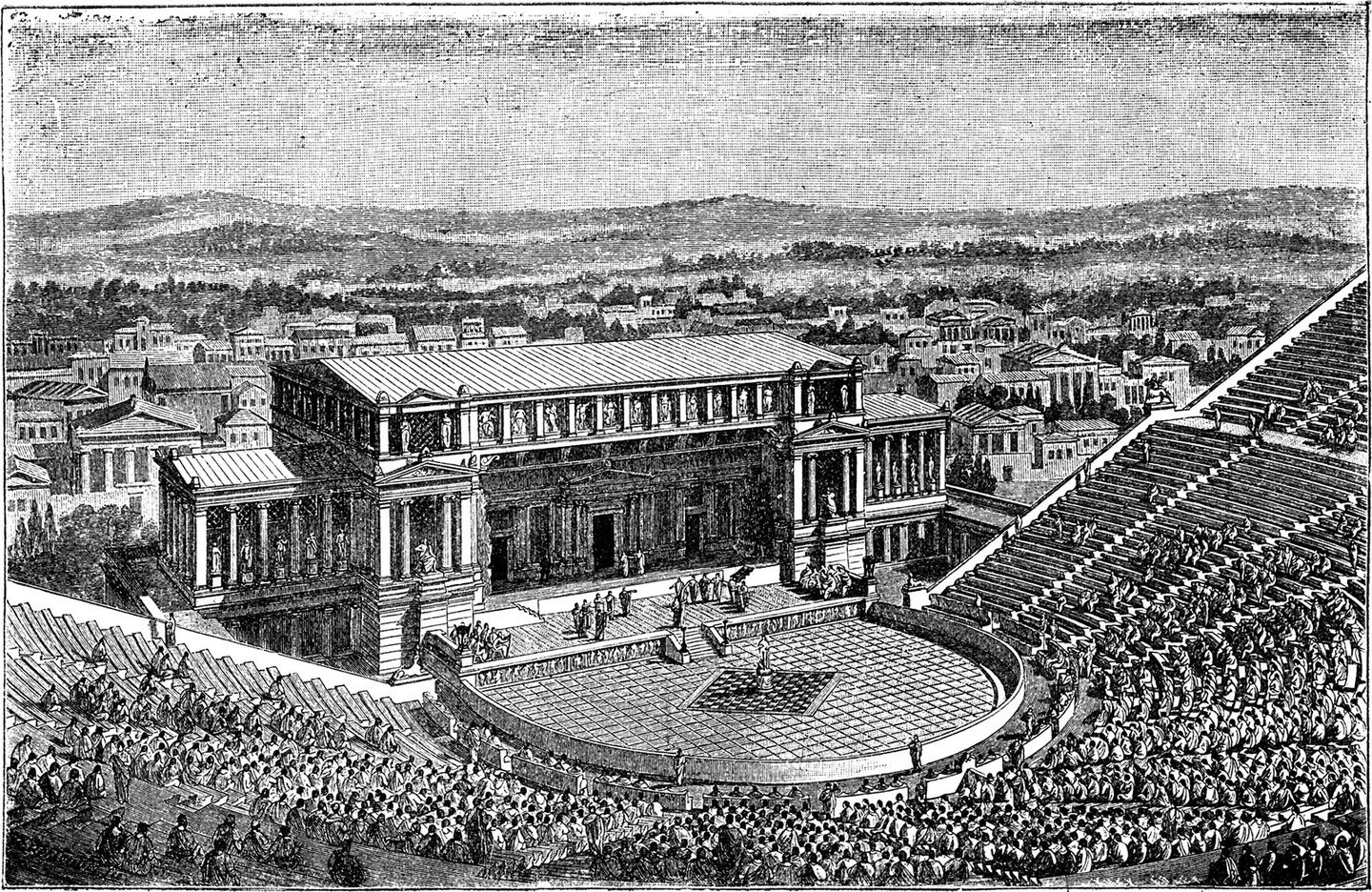
Reconstruction of the Theatre of Dionysus in Athens. Engraving after a drawing by Georg Relender, late 19th century.
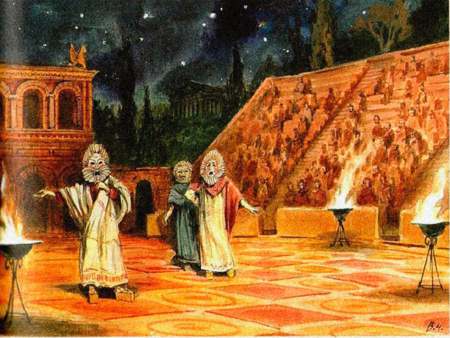
The tragedy originated in Ancient Greece during the 6th–5th centuries BCE. Its origins are linked to festivals honoring Dionysus—the god of wine, fertility, and ecstatic states. Over time, ritualistic songs, dances, and processions gradually transformed into theatrical performances, incorporating actors, dialogue, and chorus.
Composition fragment, «The Genius of the Year Surrounded by the Four Seasons» (also known simply as the mosaic depicting Dionysus). Antiquity, Ancient Rome (2nd century CE). El Jem Archaeological Museum, Tunisia (the mosaic was found in the ancient city of Thysdrus).
The principal authors of ancient tragedy were Aeschylus, Sophocles, and Euripides. Their works addressed themes of fate, death, justice, and human powerlessness in the face of circumstances.
The German philosopher Friedrich Nietzsche proposed one of the most original concepts. In his book, «The Birth of Tragedy from the Spirit of Music» (1872), he attempted to explain why the ancient Greeks created an art form in which beauty and harmony coexist with horror, destruction, and death.
For Nietzsche, tragedy was not an art of pessimism. On the contrary, it became a means of affirming life even in the face of inevitable suffering.
Aeschylus, Sophocles, and Euripides
2. Nietzsche and the Meaning of Tragedy
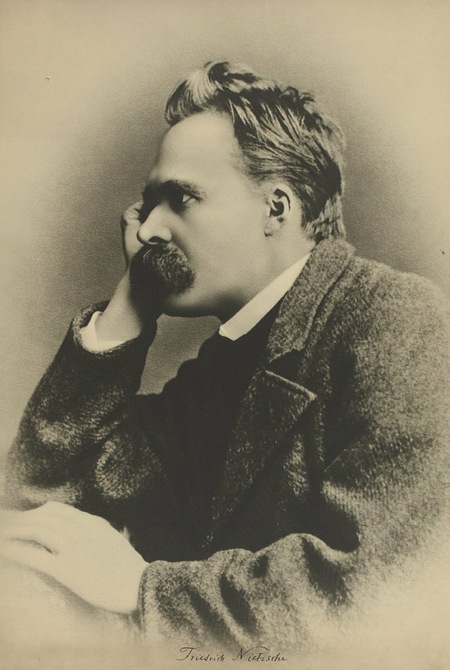
In 1872, the German philosopher Friedrich Nietzsche published the book The Birth of Tragedy out of the Spirit of Music.
He posed the question: why did the ancient Greeks, known for their pursuit of harmony and beauty, create art filled with death, suffering, and destruction?
According to Nietzsche, tragedy does not hide the brutality of life—it helps the individual accept it. Art becomes a way to confront the horror of existence without losing the ability to affirm life.
3. Apollonian and Dionysian Principles
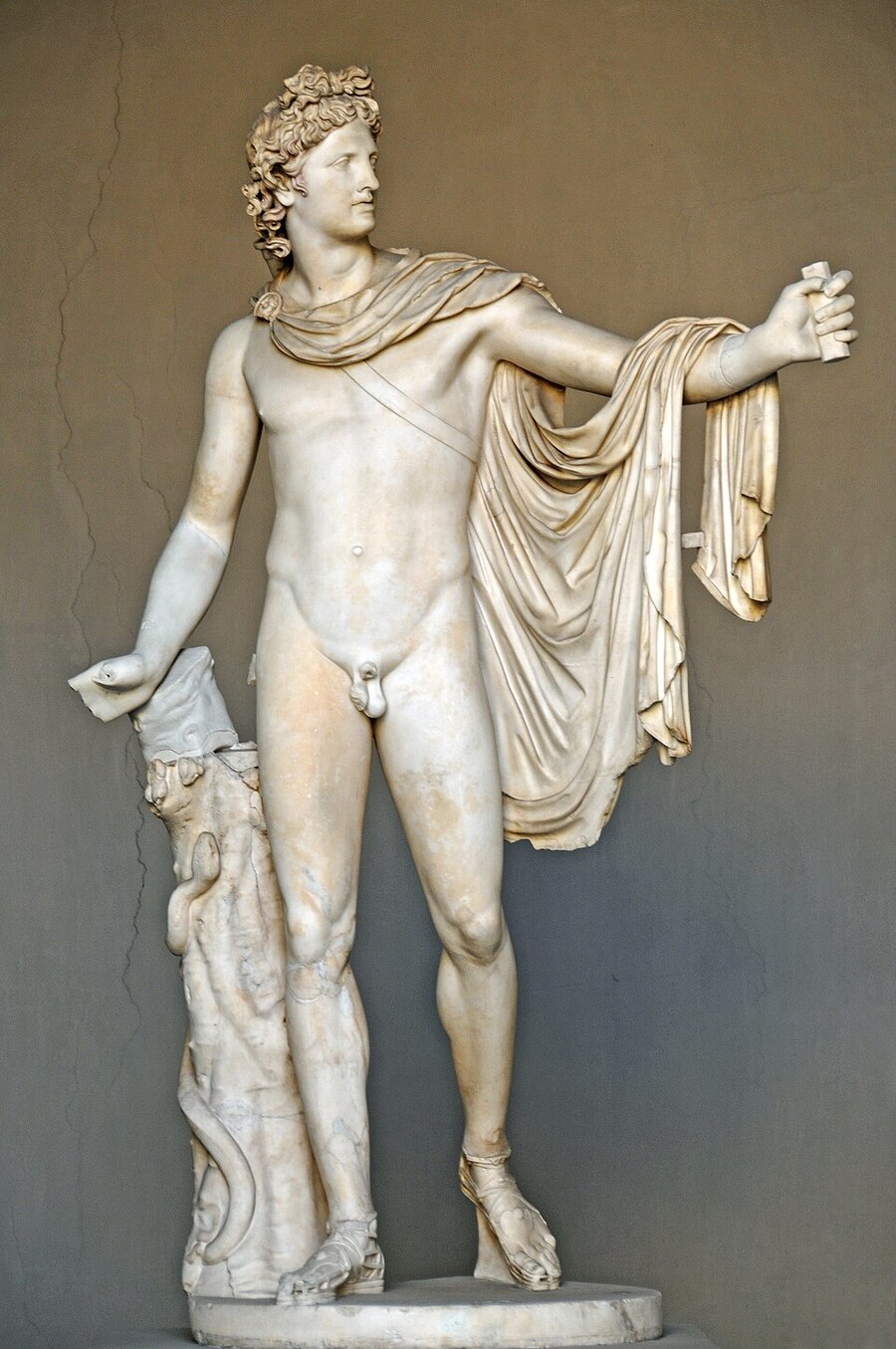
Аполлон Бельведерский
Дионис
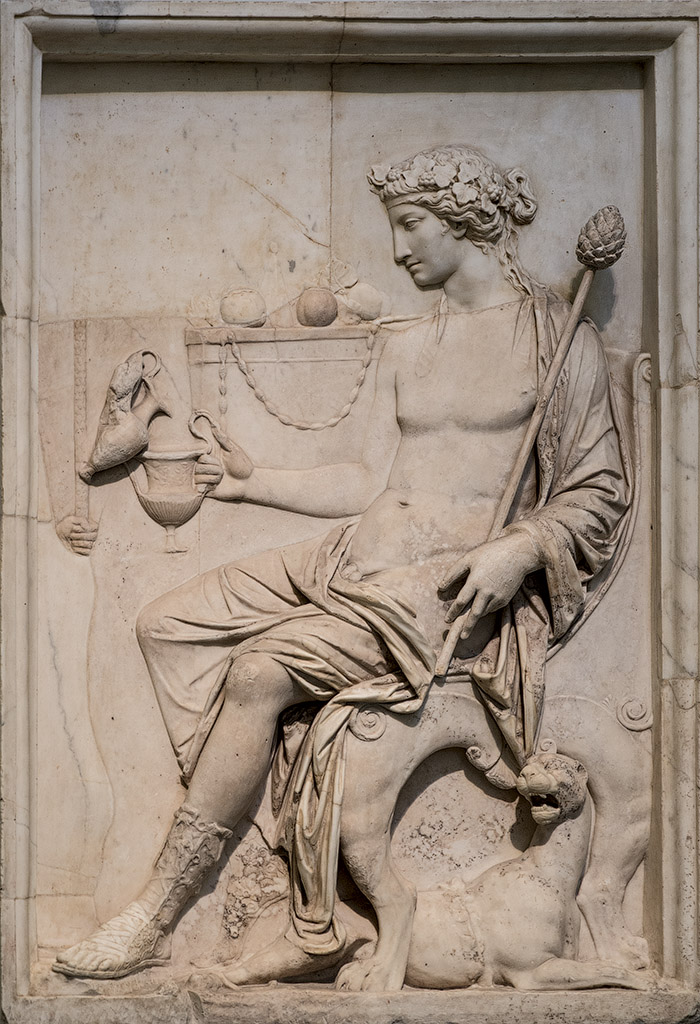
Nietzsche’s central idea is the interplay of two forces, named after ancient Greek gods. Apollonian represents order, harmony, beauty, clarity, and definition. It is connected to form and idealized artistic imagery. Dionysian represents chaos, ecstasy, suffering, intoxication, and the dismantling of established personal boundaries. It is connected to music, dance, and intense experience. For Nietzsche, tragedy is born precisely from the interaction of these forces: the Apollonian creates the artistic form, while the Dionysian imbues it with depth of feeling.
A scene from a theatrical performance featuring an ancient chorus
4. Suffering as Part of Art
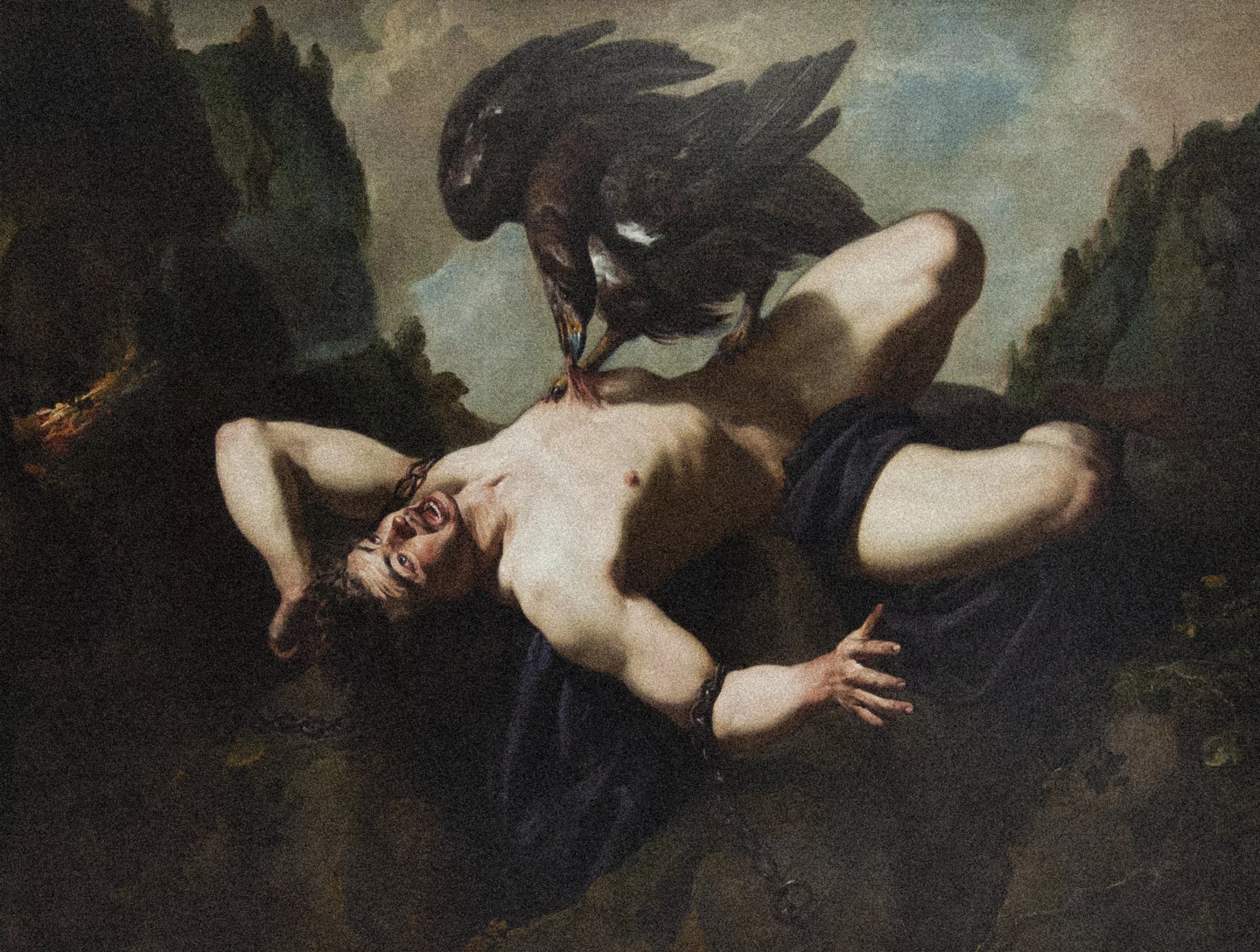
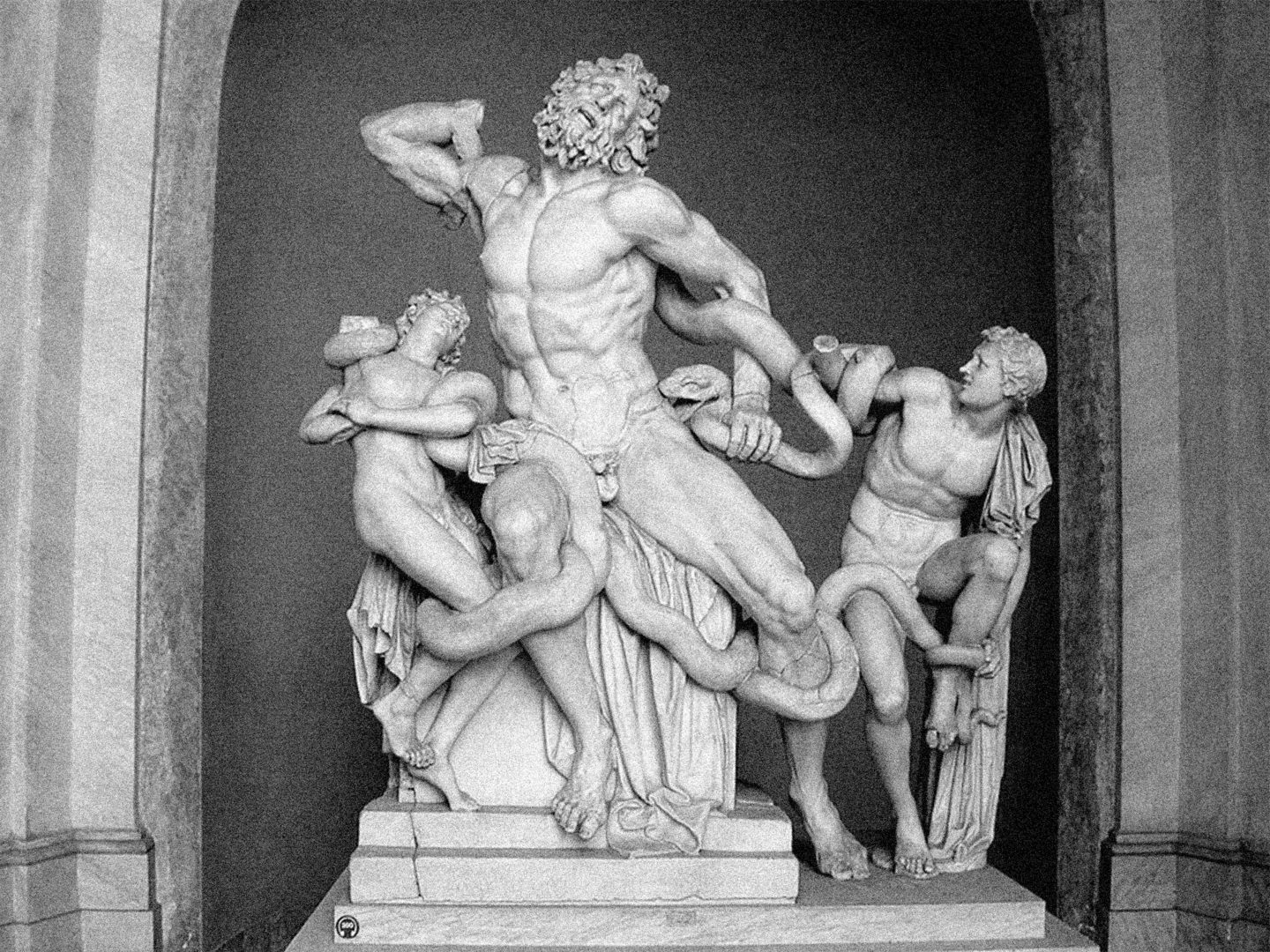
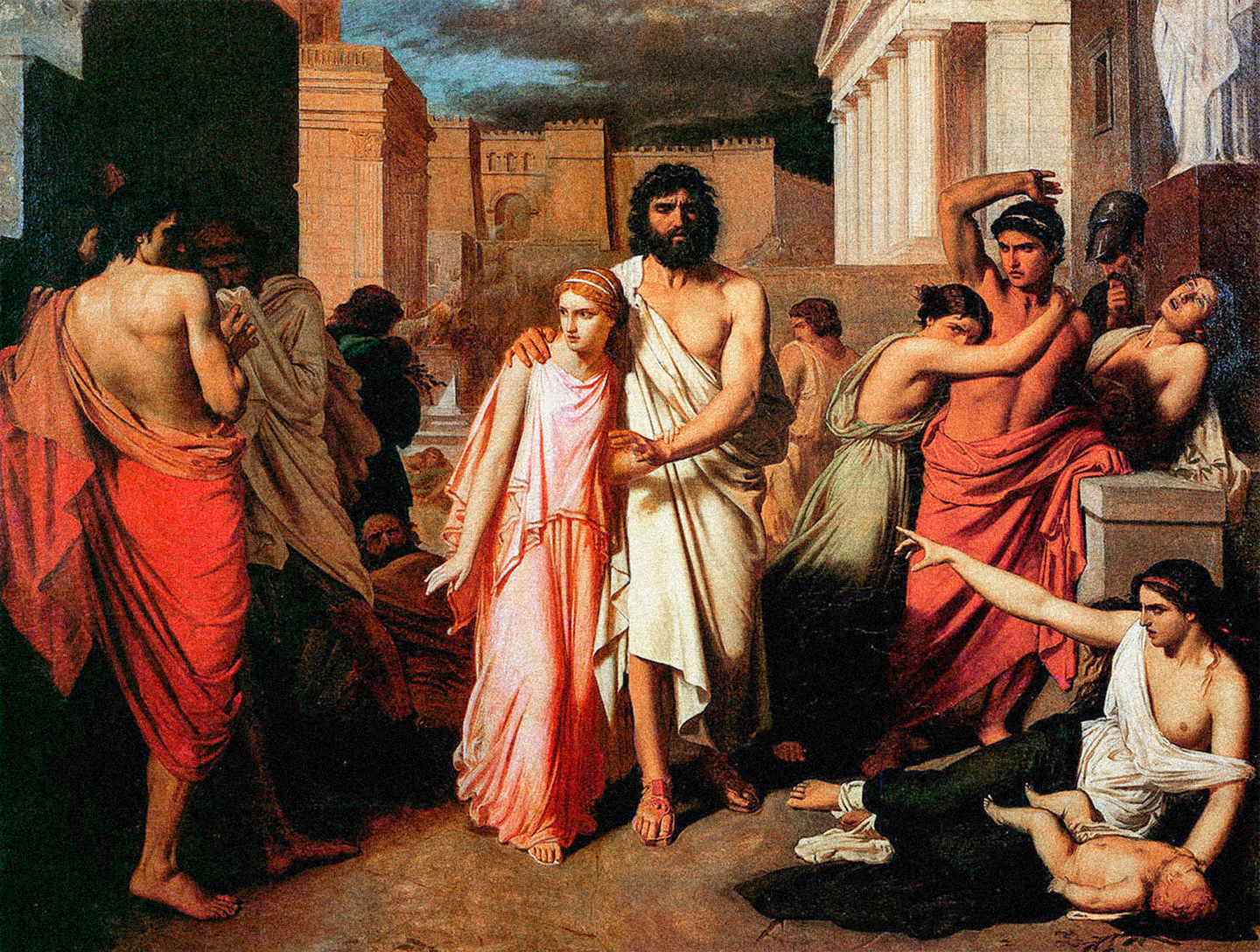
In tragedy, the protagonist often confronts a destiny that cannot be changed.
For example, in Sophocles' «Oedipus Rex, ” the attempt to avoid a prophecy leads the hero precisely to the future he tried to escape.
Nietzsche views such stories not merely as a depiction of human defeat. Tragedy shows that suffering and death are part of life, yet they do not negate its value.
Art does not free humanity from pain; rather, it allows one to embrace existence in all its complexity.
5. Catharsis: What happens to the viewer?
Ancient Theatre of Epidaurus (Greece, Peloponnese)
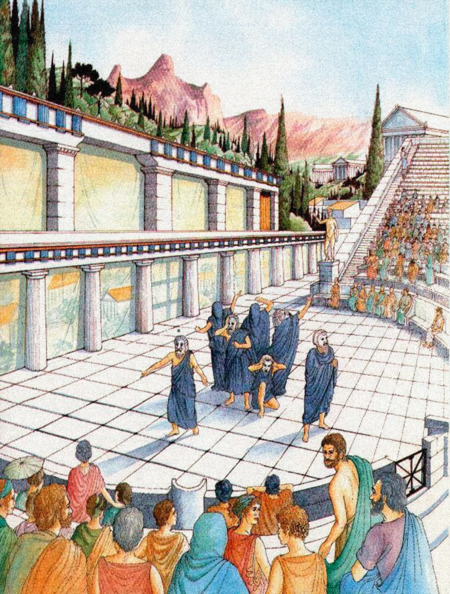
When discussing tragedy, it is impossible to overlook the concept of catharsis, which is fundamentally linked to Aristotle’s philosophy. In his work Poetics, Aristotle defines tragedy as an imitation of serious and complete action that produces a purification of such experiences through pity and fear. To put it simply, the audience watches the hero’s suffering, feels fear for him, and pities him. These emotions become part of a unique artistic experience.
It is important to note that Nietzsche and Aristotle approached tragedy from different perspectives. For Aristotle, the impact of tragedy on the viewer and the resulting catharsis are of great significance. For Nietzsche, the fundamental focus shifts to the very structure of tragic art—the interaction between Apollonian and Dionysian forces and art’s capacity to affirm life in the face of suffering. Thus, tragedy compels the individual to contemplate their own place in the world.
6. The Decline of Tragedy
Fragment of an ancient Greek red-figure kylix depicting the death of King Penpheus, torn apart by Maenads led by his own mother, Agave, Doris (480 BCE), Kimbel Museum, Texas
Nietzsche links the decline of ancient tragedy to the work of Euripides and the influence of Socratic philosophy. In his view, rational thought gradually comes to the forefront—the drive to explain actions, find logical causes, and subject art to reason. Consequently, the Dionysian element—the wildness, music, and visceral experience that once formed the core of tragedy—weakens.
7. Tragedy in Contemporary Art
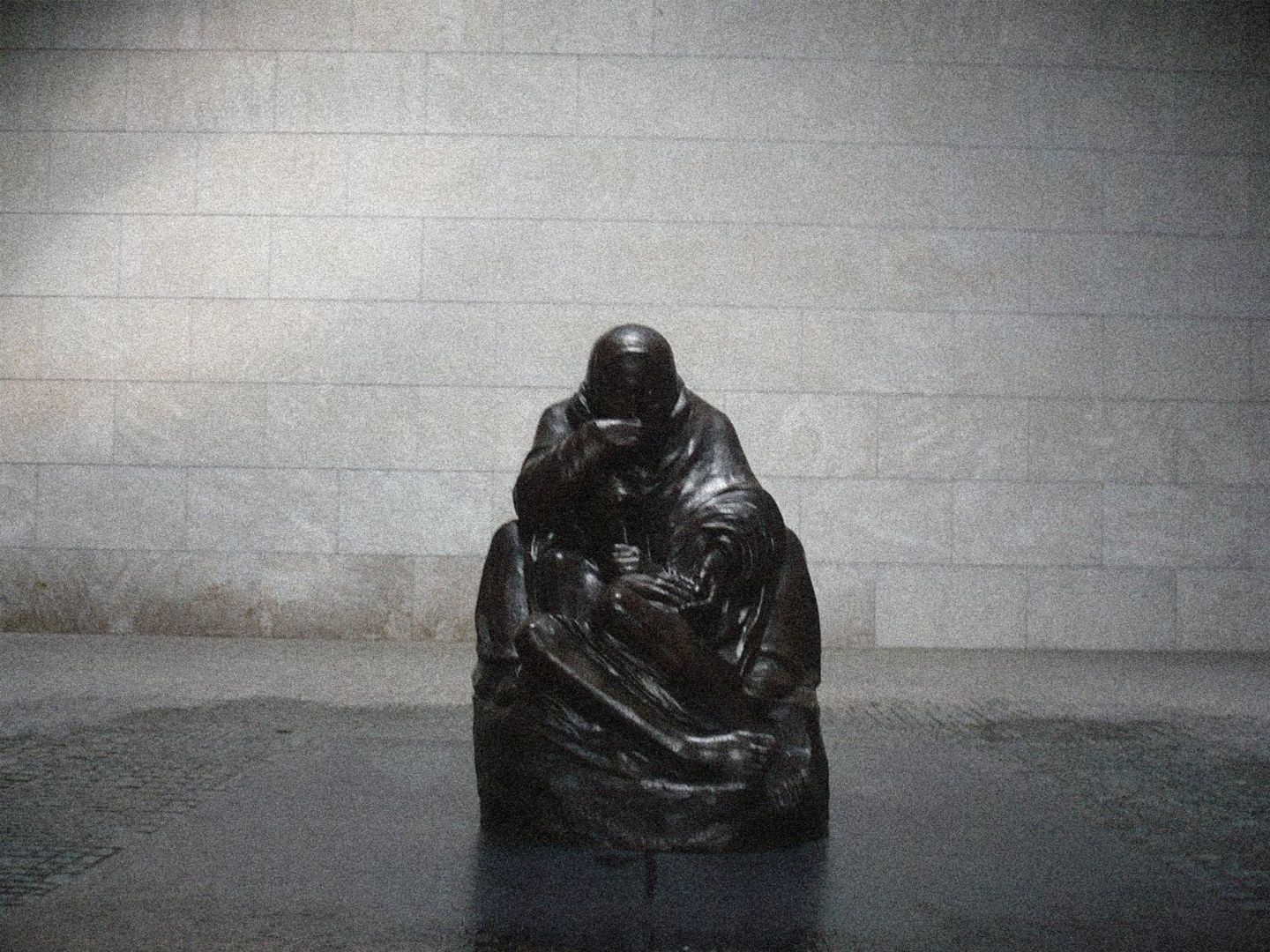
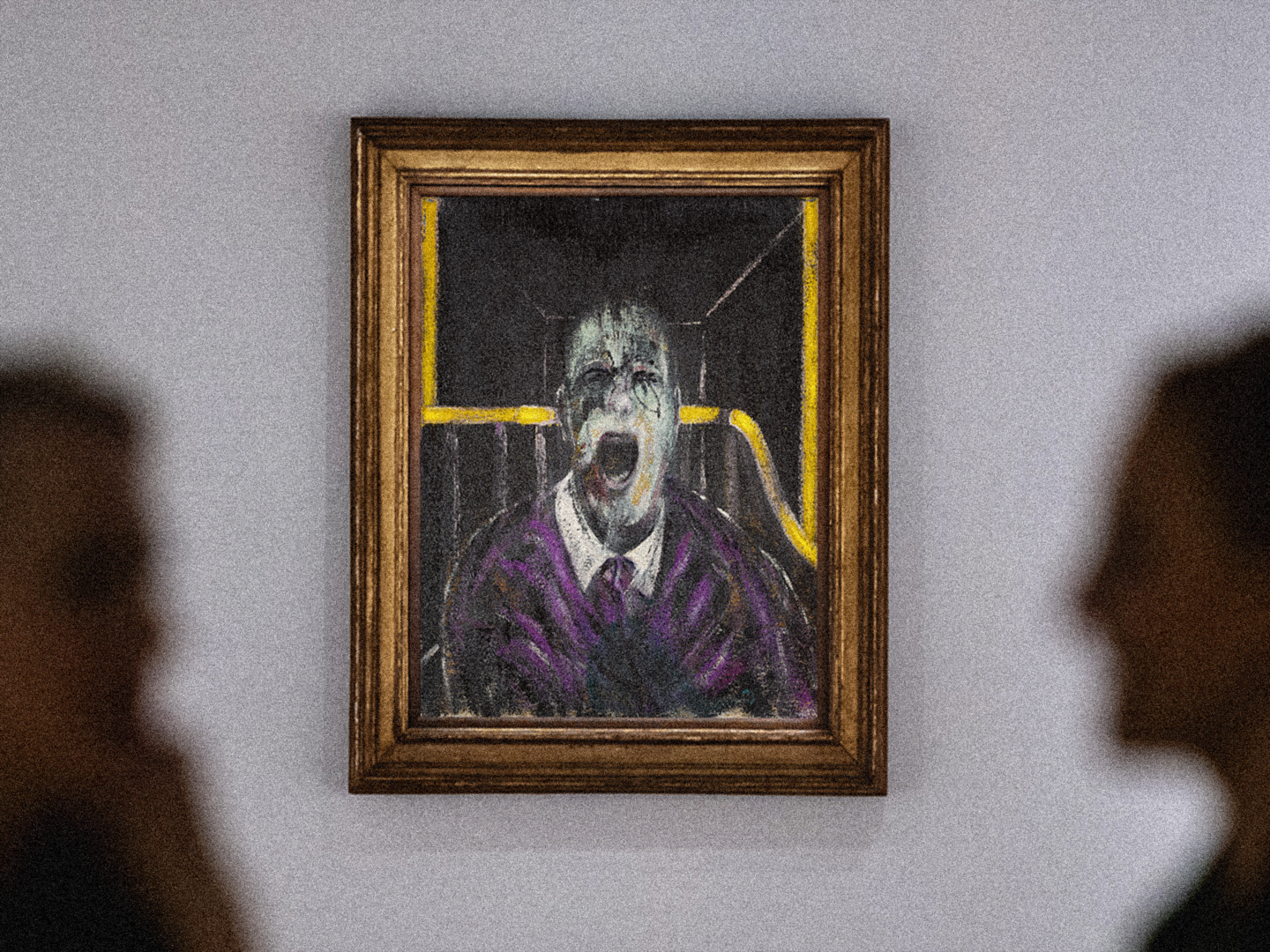
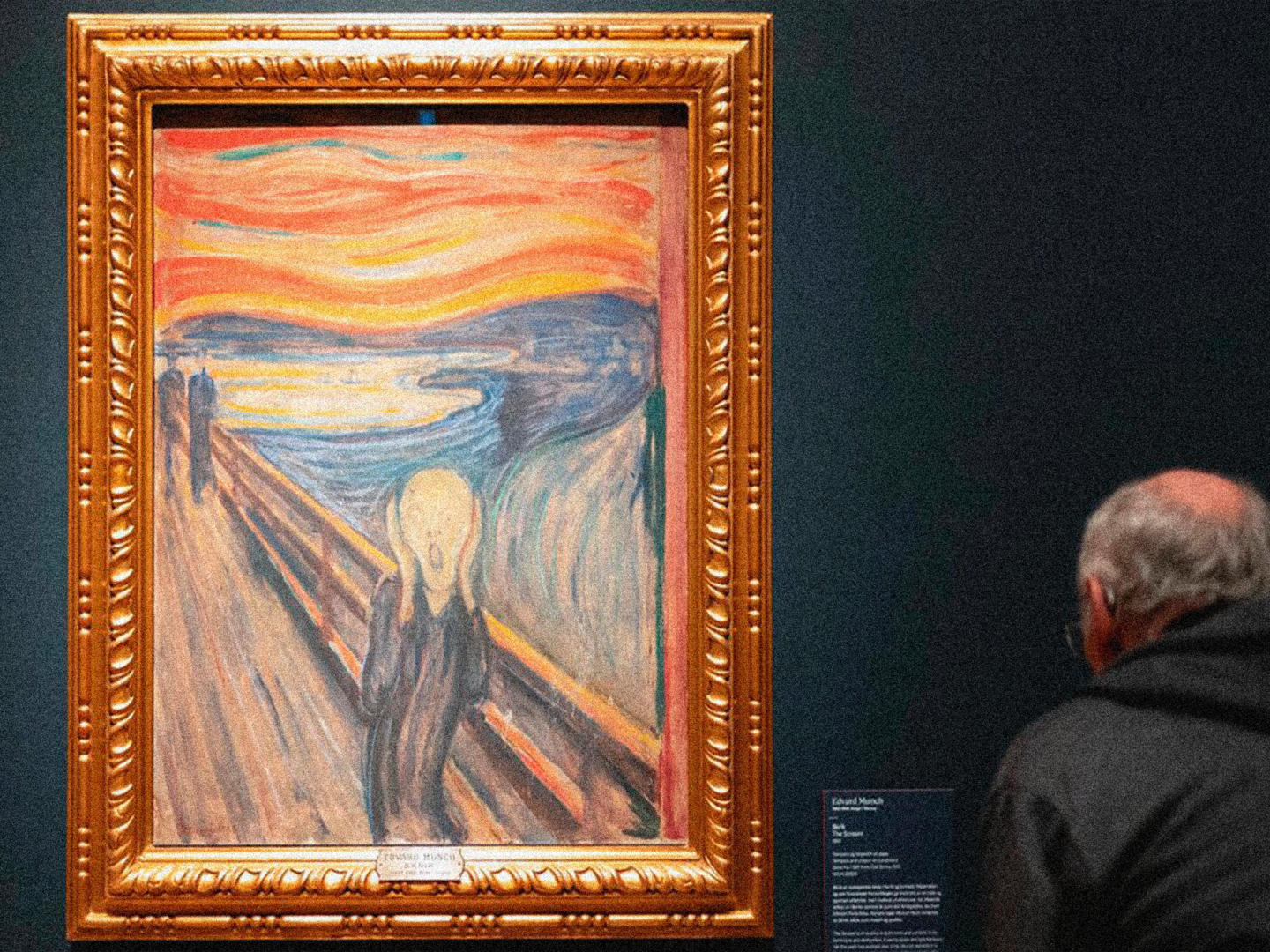
Nietzsche’s ideas remain relevant today. Contemporary art continues to engage with themes of solitude, death, loss, and human helplessness. Artists do not necessarily strive to depict beauty in the conventional sense. They may utilize distortion, discomfort, and even ugliness to convey the complexity of the human experience. Tragic art does not always have to comfort; it shows what humans prefer to turn away from.
Conclusion
Ancient Theatre at Epidaurus (Greece, Peloponnese)