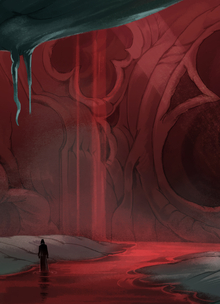
Format
«The Tempest» by William Shakespeare — an independent multimedia performance about power over reality and the boundaries of human perception.
Target Audience
Young adults aged 12–35 interested in theater and visual experimentationAn audience open to new interpretationsStudents from creative universities, designers
What is this event?
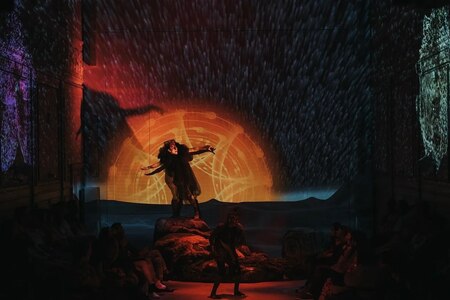
Today, we are constantly confronted with a reality that has been selected and framed by someone else—a reality we only perceive partially. The performance transforms this theme into a tangible experience, allowing each viewer to see their own story.
The performance explores this theme through the story of Prospero—a man who learned magic. He can control the world around him, but his power over circumstances is not absolute. The art Prospero employs cannot fully dictate another person’s internal choices. Perhaps only forgiveness will be the truly right resolution.
«The Tempest”—a performance about the power of perception. Prospero controls the space of his island; he directs attention, structures events, and determines what the audience sees and what remains hidden. The island gradually reveals itself as an artificially constructed reality.
Prospero’s renunciation of magic is a renunciation of the drive to completely control his created world. And the island disappears.
Artistic Concept
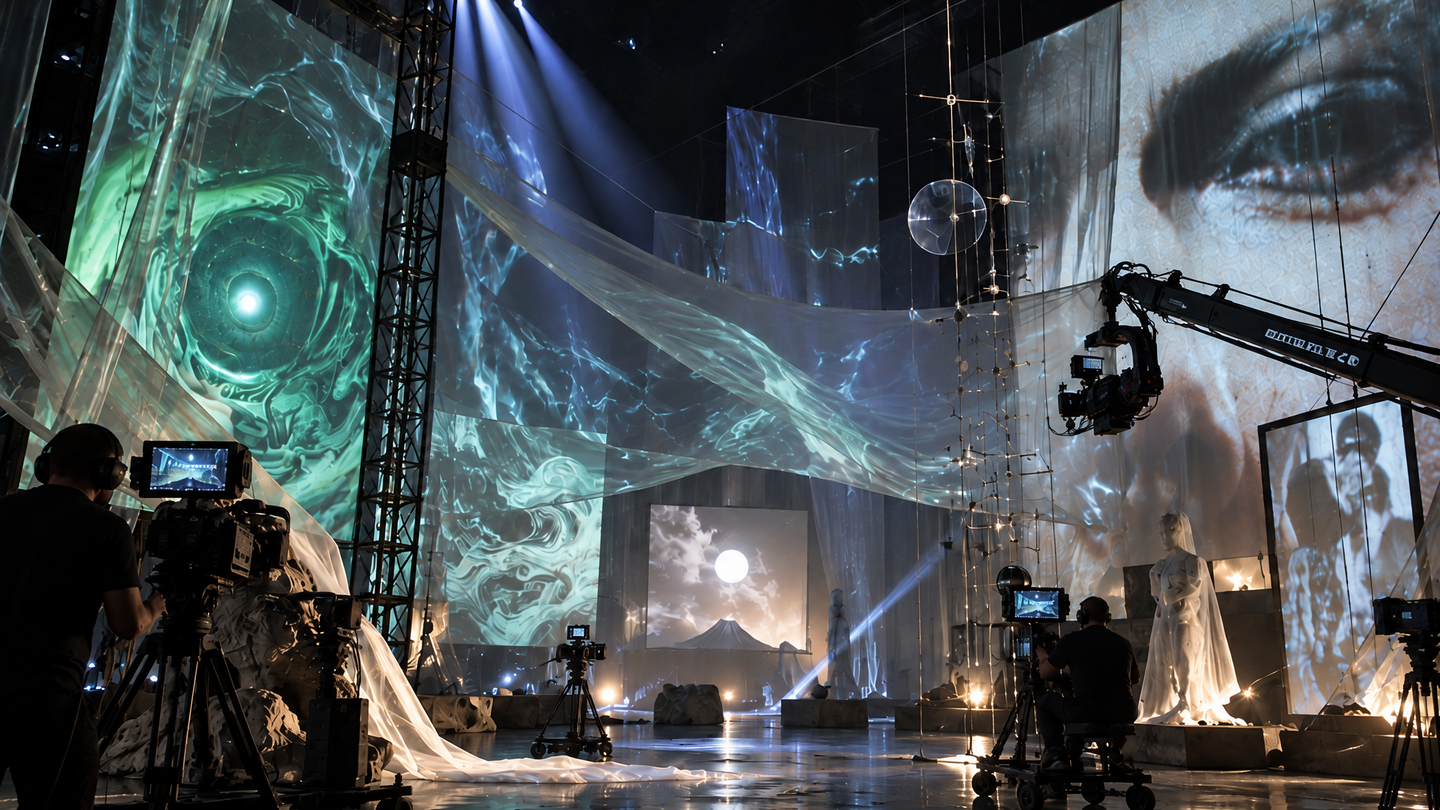
The storm becomes a metaphor for art’s capacity to disrupt order and create a new reality. Prospero is an artist/director who gathers his own world, his own performance, from various objects at hand. His entire stage is a workbench. Prospero sits under or on the table, arranging objects and controlling the space.
Cameras surrounding the table film his actions in close-up and project them onto the screens on stage.
The space itself is a cluttered workshop filled with diverse items. The actors can be perceived as participants in a rehearsal, and Prospero as the director guiding their actions. The stage features many cabinets, chairs, benches, machinery, and pieces of set design. Screens or projection nets are placed on these surfaces. The audience only sees the world of the island (screens, projections). In the finale, Prospero relinquishes his power, and the island disappears, leaving only the workshop space visible.
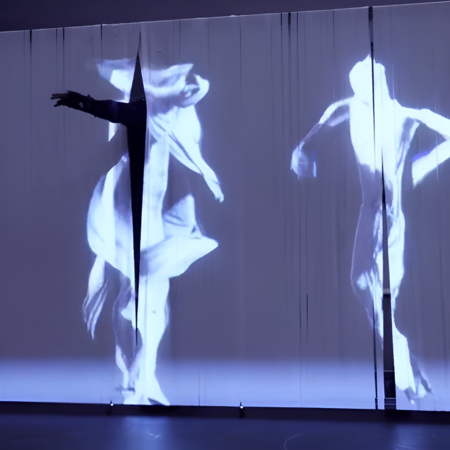
What will the audience see?
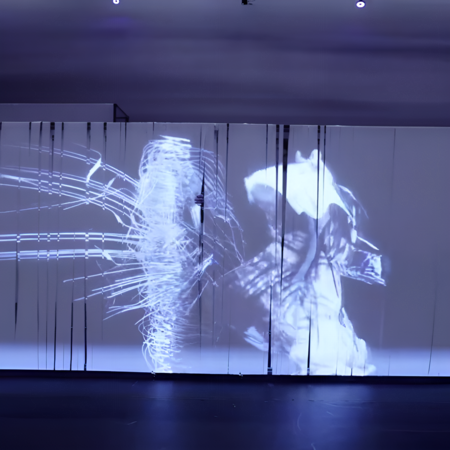
Contemporary scenography techniques and unique effects created using multimedia.A close-up of an object becomes an independent theatrical event. The camera conveys the scale and significance of the object, transforming Prospero’s table into another world. Simultaneously, the idea of the world’s duality is shown—both the actual actors and their representation as objects on Prospero’s table are visible.
The convergence of multimedia and analog set design in a chamber space!
The ability to witness the transformation of the space in real time!
Complete immersion into the atmosphere of the performance!
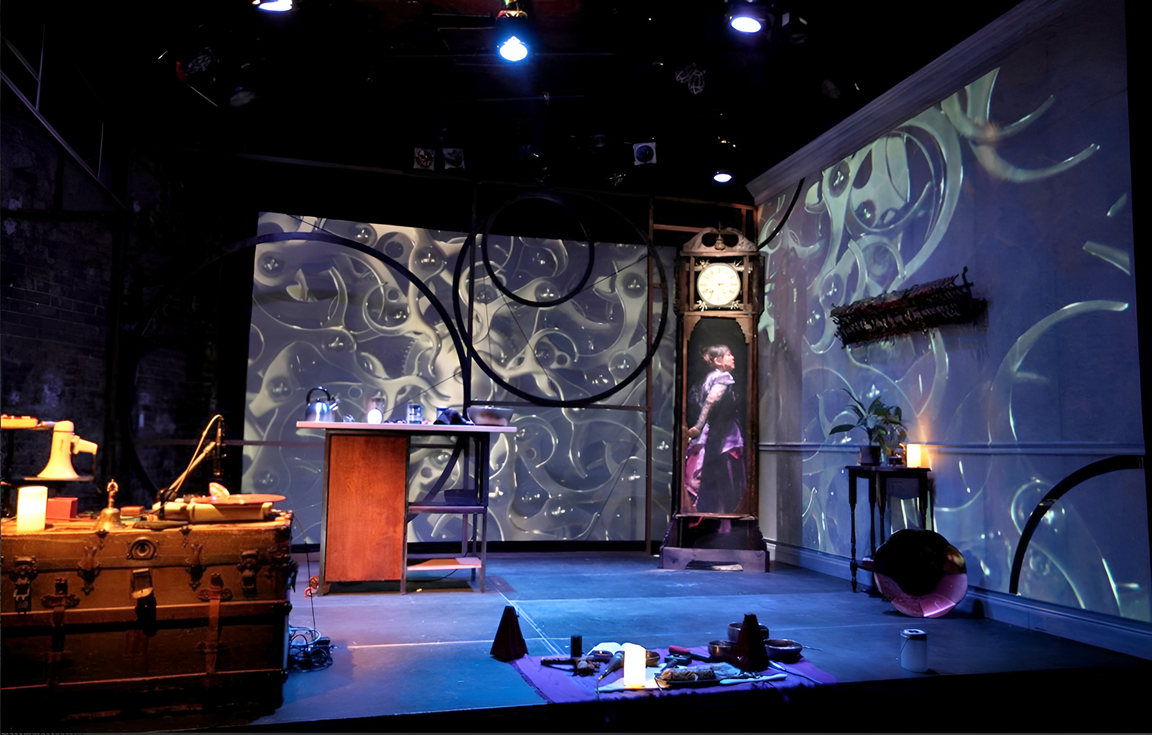
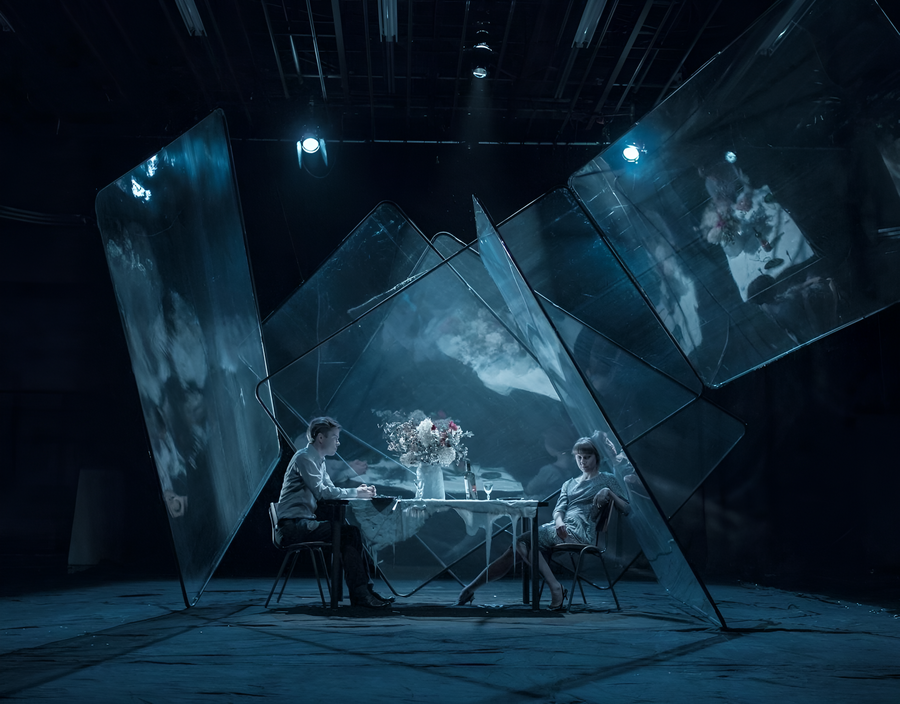
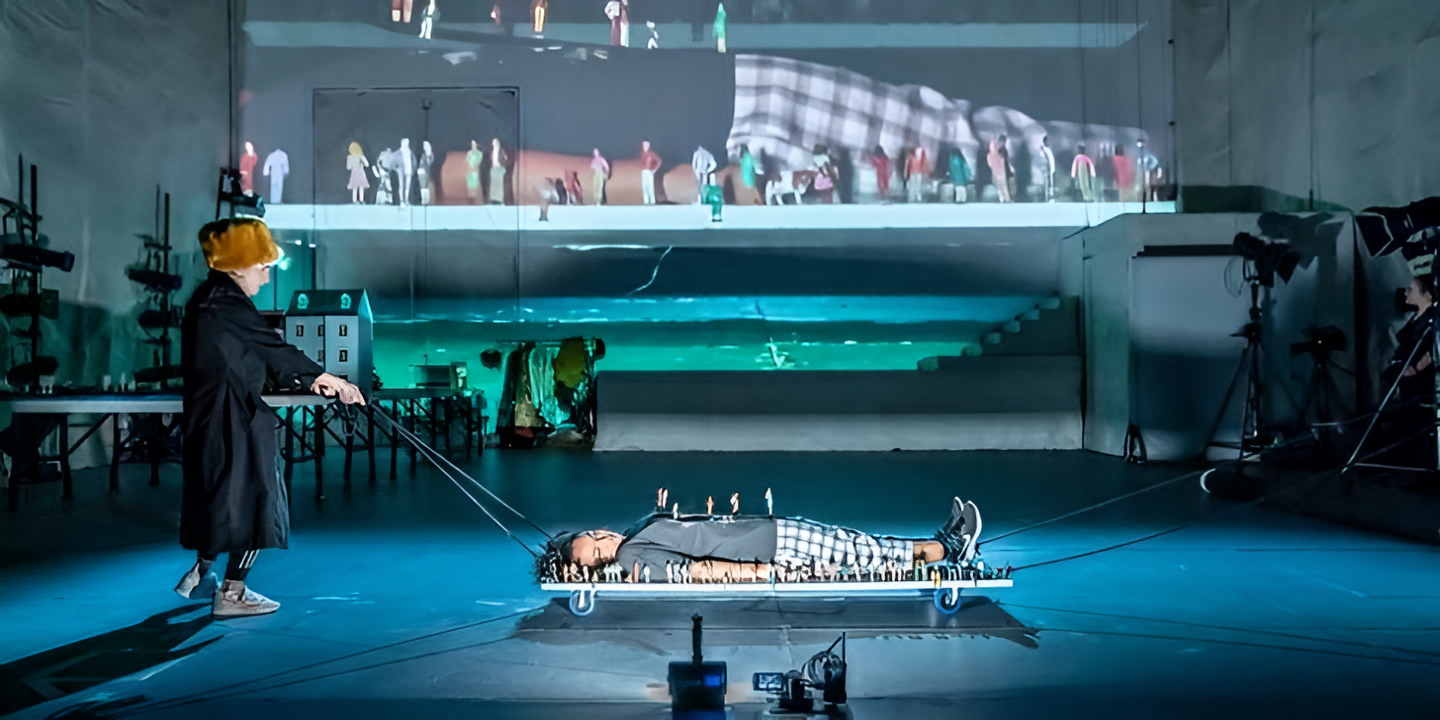
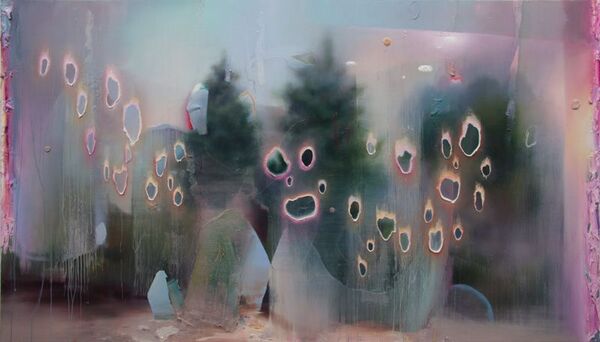
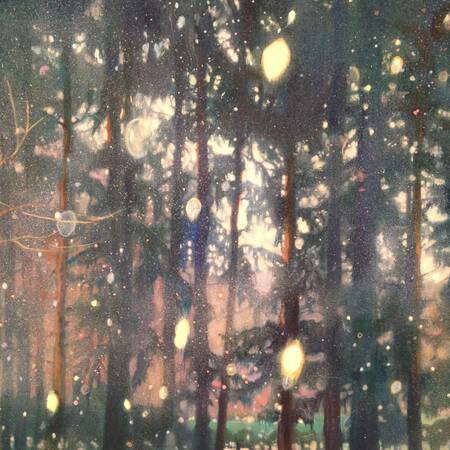
Visual moodboard
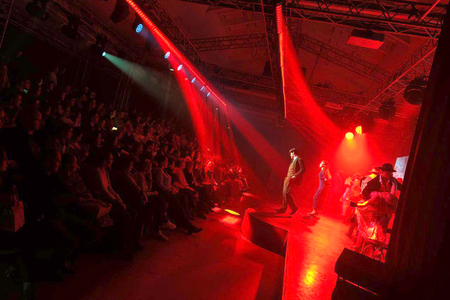
Location — Pokrovka. Theater
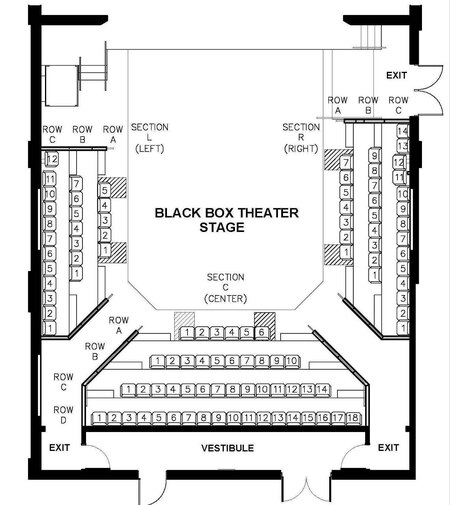
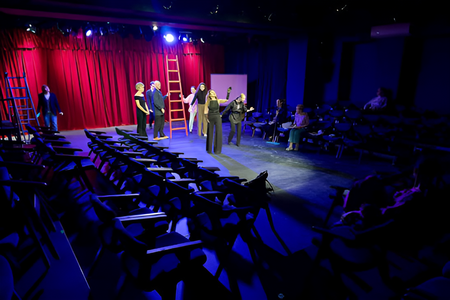
The project features an intimate format, and the performance is considered a site-specific event. The viewing area is divided into three sections. This small space allows the audience to be brought close to the action, and the variation in viewing angles creates different impressions of the performance.
The studio is equipped with the necessary facilities: blackout capabilities, LED screens (20-inch pitch), projection screens, and equipment for both direct and rear projection, as well as various functional lighting fixtures.
Competitive landscape
The project’s competitive landscape encompasses modern interpretations of classical drama and independent multimedia productions where spatial design influences the viewer’s perception.
Projects showcase the diverse possibilities of multimedia: creating illusions and new worlds, and immersing the viewer in the space of scenography.
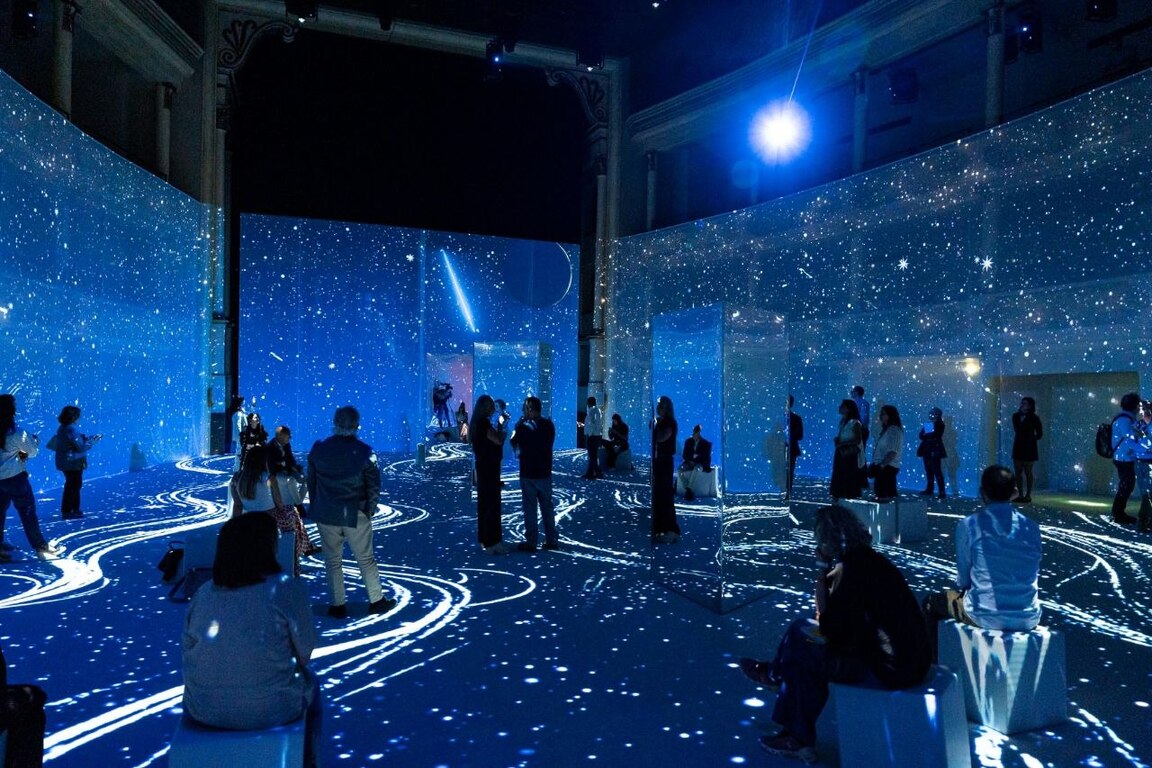
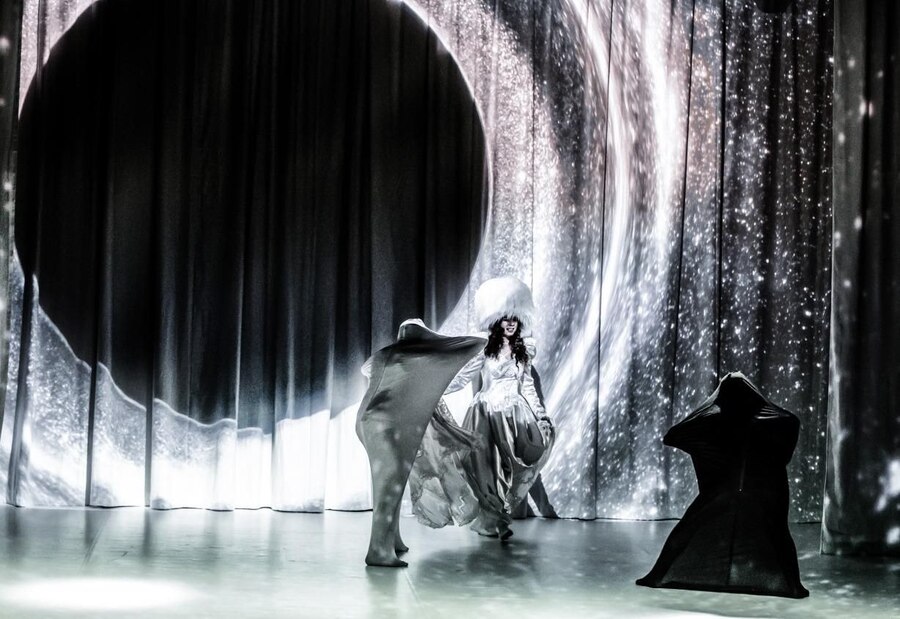
The book of Paradise, театр в Варшаве
The project’s distinction lies in its fusion of multimedia and analog set design within an intimate space, where the limitations of the audience’s perception become integral to the artistic vision.
This work encompasses everything:
√ Captivating special effects
√ Materiality and texture for lovers of classical theater
√ Illusion and shifting space
√ Live camera work
√ Familiar text presented with a fresh perspective
Team
The project team consists of a set designer, a costume designer, a designer, and a producer.
From Concept to Realization