(0) Concept
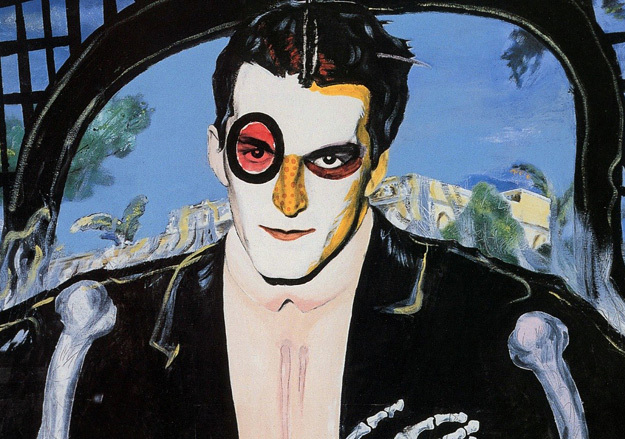
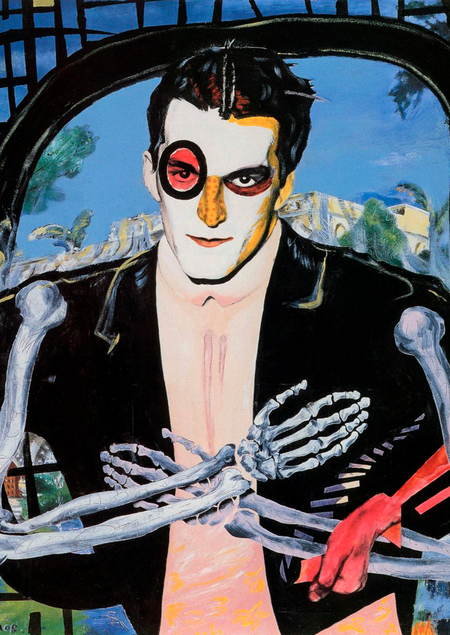
Evgeny Kozlov Portrait of Timur Novikov with Bone Hands, 1988
Timur Novikov is one of the key representatives of Leningrad’s unofficial art scene of the 1980s and the founder of the «New Artists» group. His work is interesting not only for its diversity of artistic techniques but also for its unconventional approach to the very concept of art. Novikov experimented with materials, forms, and methods of image creation, often rejecting conventional artistic rules.
Timur’s choice of Novikov’s works for visual research is rooted in the fact that his creative output stood out even within the experimental landscape of the Leningrad underground. The artist didn’t just produce works distinct from official Soviet art; he questioned conventional notions of what an artwork should be and what can even be considered art.
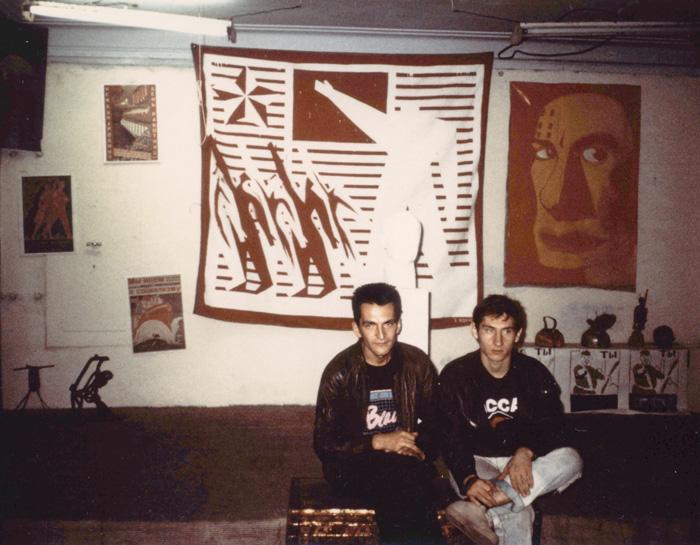
Timur Novikov with works at the exhibition, 1988
One of the most illustrative examples was the «Zero Object, ” created in collaboration with Ivan Sotnikov in 1982. The artists presented an empty hole in the exhibition booth as a complete artwork. This gesture exemplifies Novikov’s characteristic drive to find artistic potential where it is usually overlooked and to reinterpret existing objects and spaces.
The diversity of his own works is equally compelling. In the early 1980s, Novikov explored expressive painting, creating portraits and experimental objects that utilized rough brushstrokes, deliberately simplified forms, and unconventional compositional solutions. In the latter half of the decade, textile collages and appliqués, constructed from the interplay of color planes, silhouettes, and minimal detail, began to take on increasing prominence in his work.
The contrast between works from different years makes Novikov’s creativity particularly compelling for visual analysis. This raises the question: what artistic techniques did Timur Novikov use in the 1980s, and how did they evolve throughout the decade? The goal of this study is to identify and systematize the artist’s primary visual techniques, examine them through specific works, and trace the changes in his artistic language.
Timur Novikov
The core hypothesis is that, despite the variety of techniques and materials, Novikov’s works reveal common principles: experimentation with familiar image forms, object simplification, and the use of expressive color combinations and unexpected materials. It is presumed that throughout the 1980s, the artist gradually transitions from expressive and saturated compositions to more laconic pieces in which every individual element gains particular significance.
The research is divided into five thematic parts. The first is dedicated to artistic experimentation and pushing beyond the boundaries of traditional work. The second examines the expression, deformation, and characteristics of Novikov’s early painting. The third part focuses on collage, appliqué, and working with non-traditional materials. The fourth analyzes color combinations and compositional solutions. The fifth part is devoted to form simplification, silhouettes, and recurring visual motifs.
The study aims to create a visual systematization of Timur Novikov’s key techniques and demonstrate how the combination and alteration of these elements formed the artistic language of one of the most experimental artists of 1980s Leningrad art.
(1) Provocation and Artistic Experiment
In the early 1980s, Timur Novikov experimented with the very concept of the work of art. Instead of a traditional painting, his creative subjects could be found objects, elements of the surrounding space, or everyday constructions. In these experiments, what mattered was not so much the appearance of the work as the new meaning the artist imbued in familiar things.
In «Zero Object, ” Novikov and Sotnikov transform an empty hole in the exhibition stand into a standalone artwork.
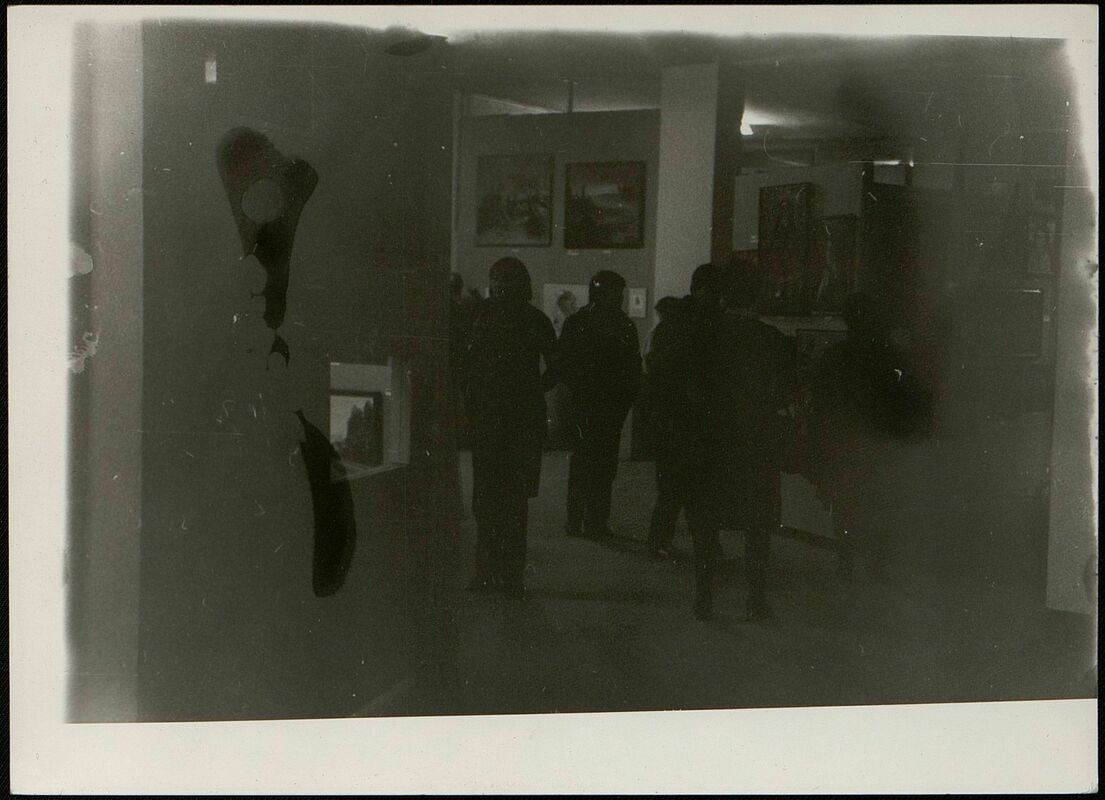
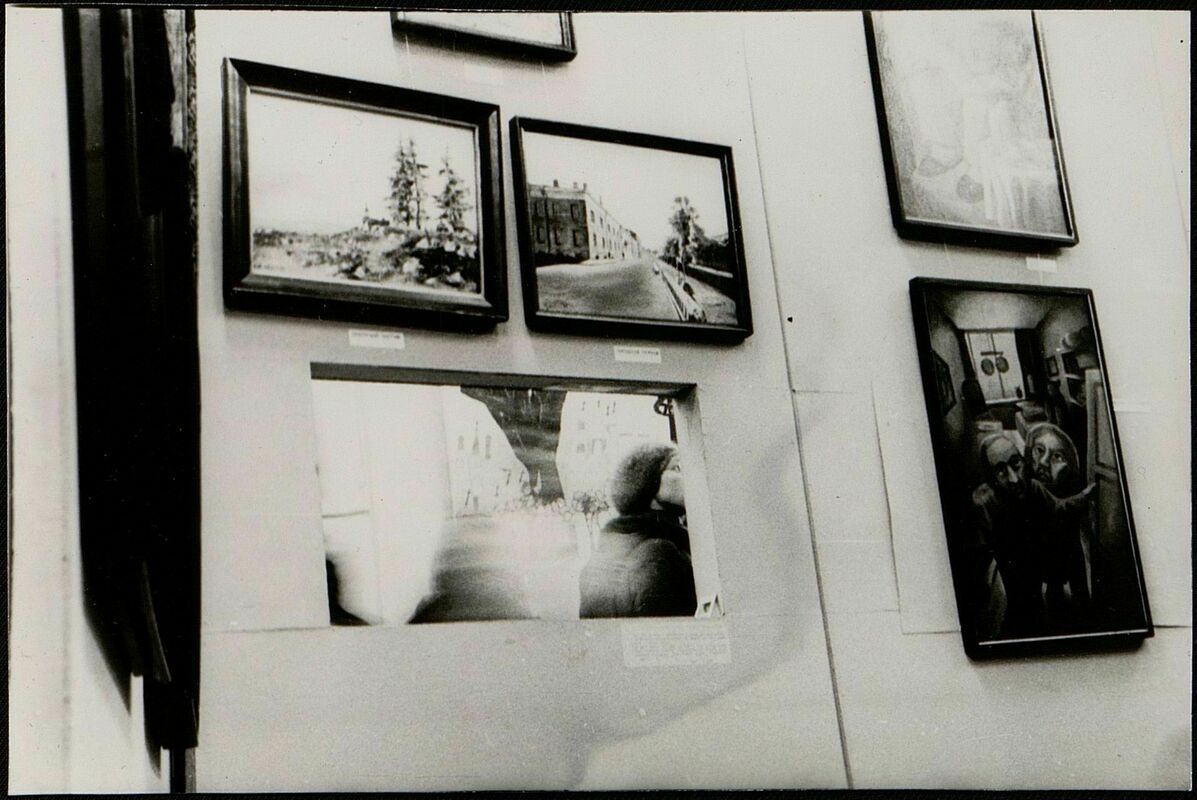
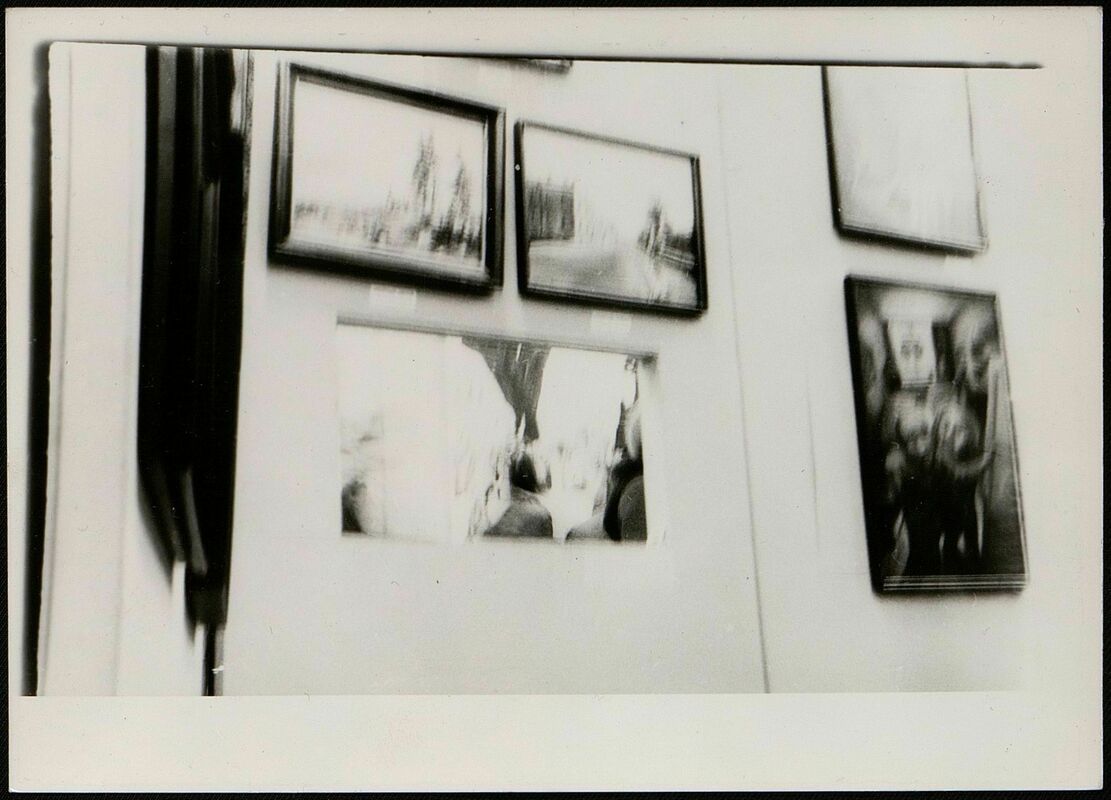
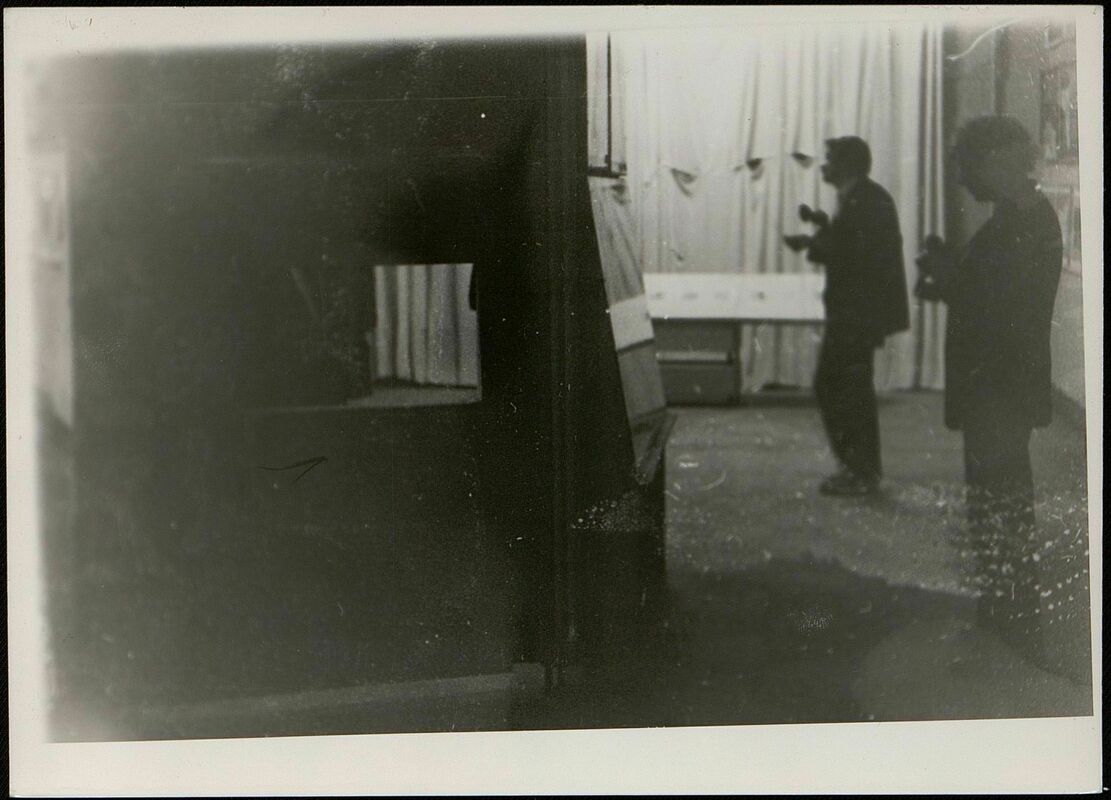
Documentation of various perspectives through the «Zero Object» at the TEII exhibition in the Kirov Palace of Culture in 1982. Garage Museum archive, Ivan Sotnikov archive.
Ivan Sotnikov and Timur Novikov. Zero Object. Photo by Roman Zhigunov, 1982.
The central artistic technique becomes the recontextualization of found objects. Void gains significance, and the viewer begins to perceive an ordinary detail of the exhibition structure as art.
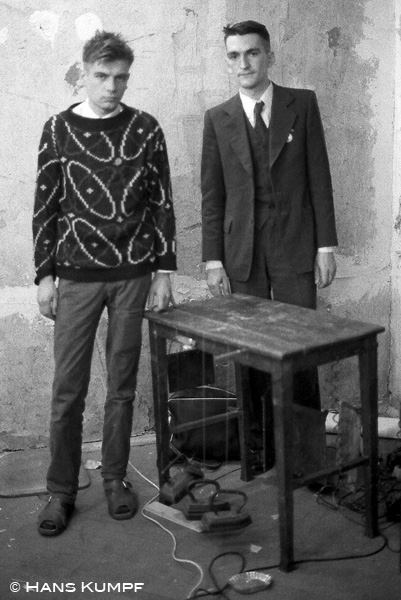
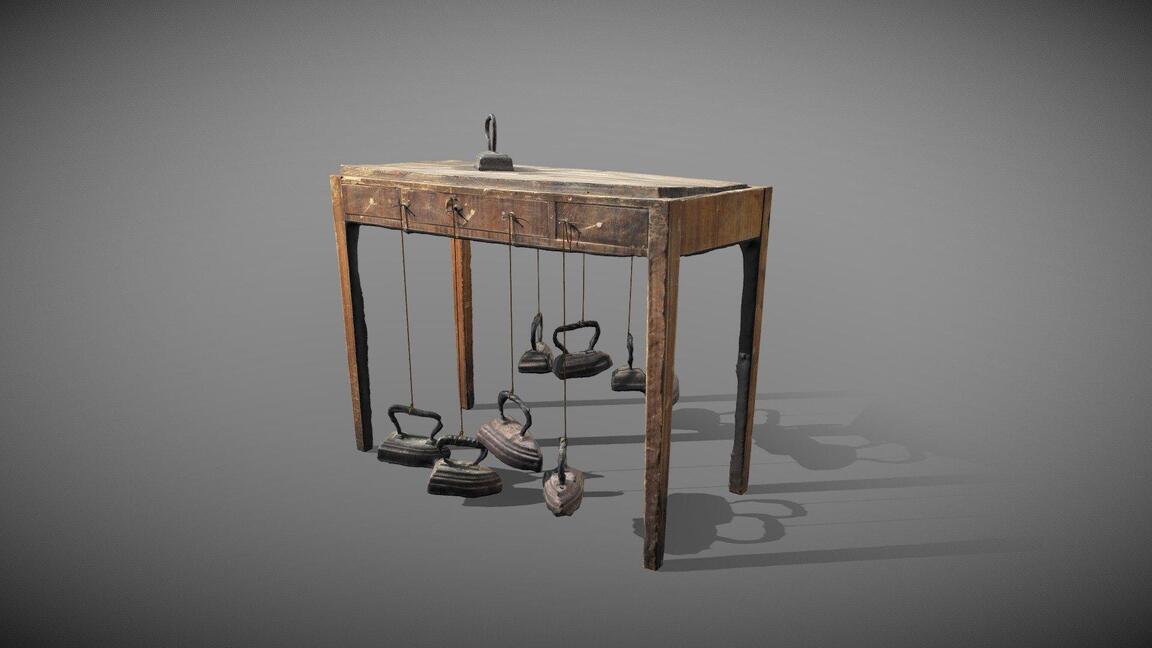
In «The Iron,» everyday objects are given unexpected functions. A wooden table, metal irons, and strings form a construction capable of producing sound.
Timur Novikov and Ivan Sotnikov with «The Iron» from 1983. Photo by Hans Kampf
The experiment is based on combining familiar objects and transforming them into a unified work of art.
(2) Expression and Deformation
In his early portraits, Timur Novikov eschews the precise depiction of likeness. He manipulates proportions, simplifies facial features, and employs expressive color combinations.
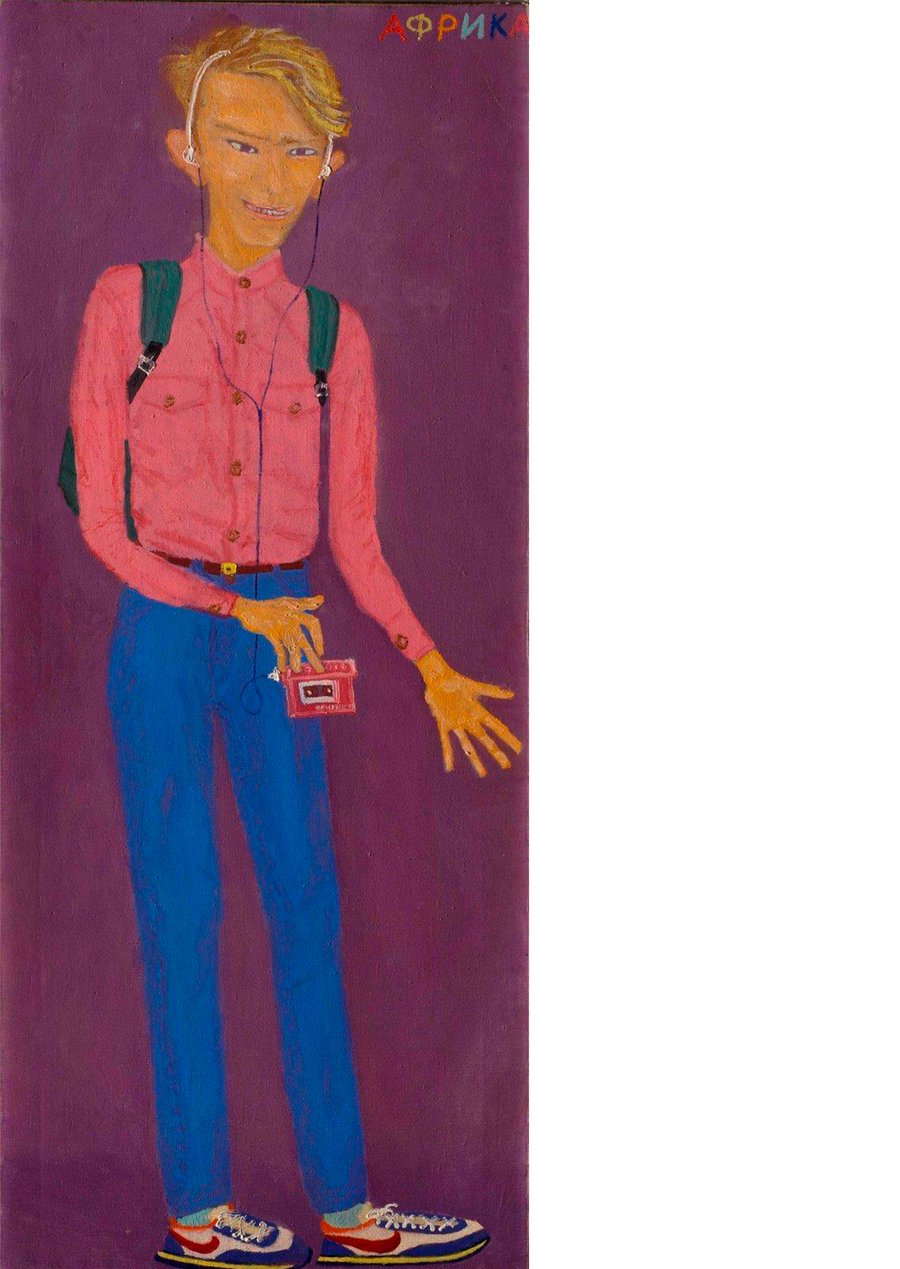
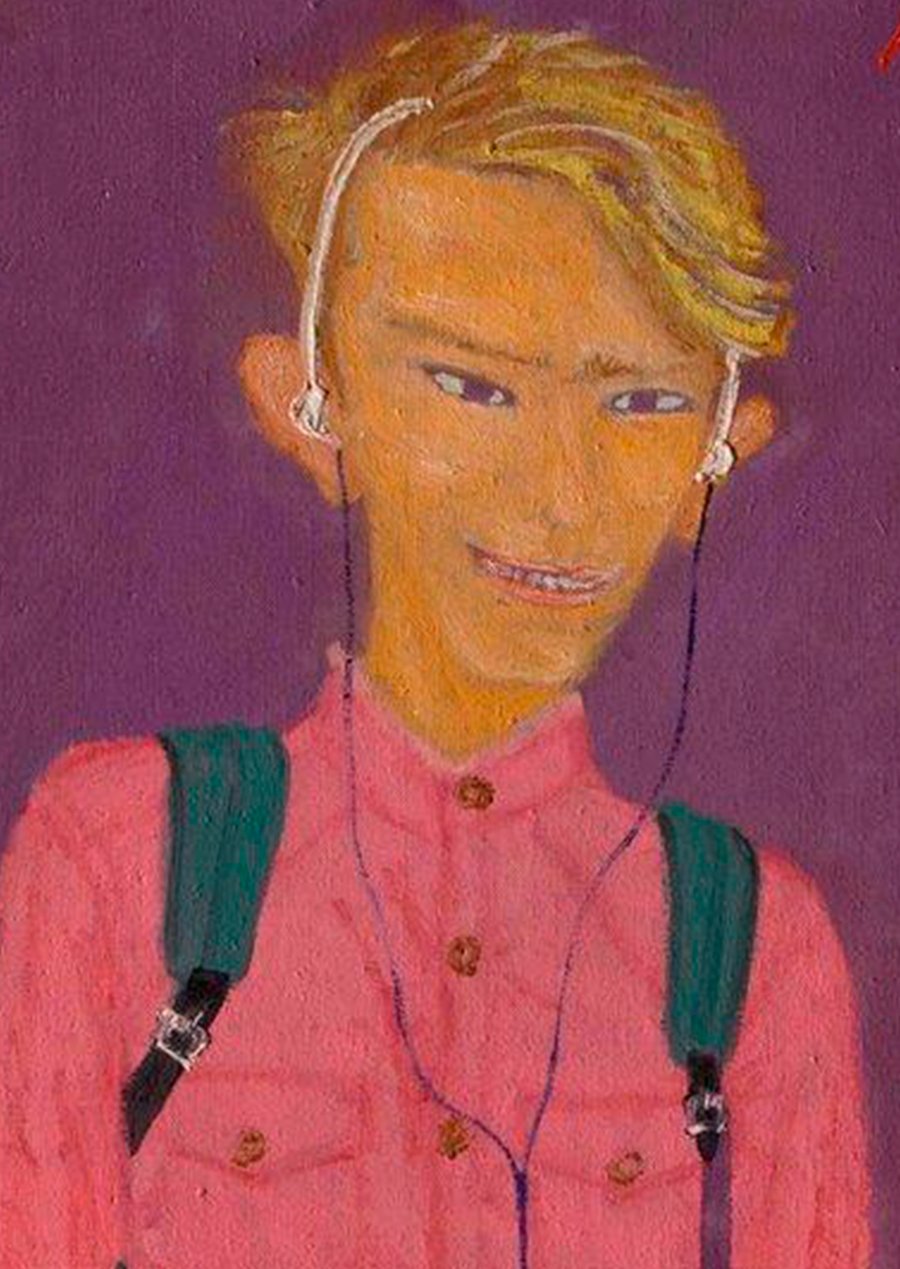
«Portrait of Africa, ” 1984
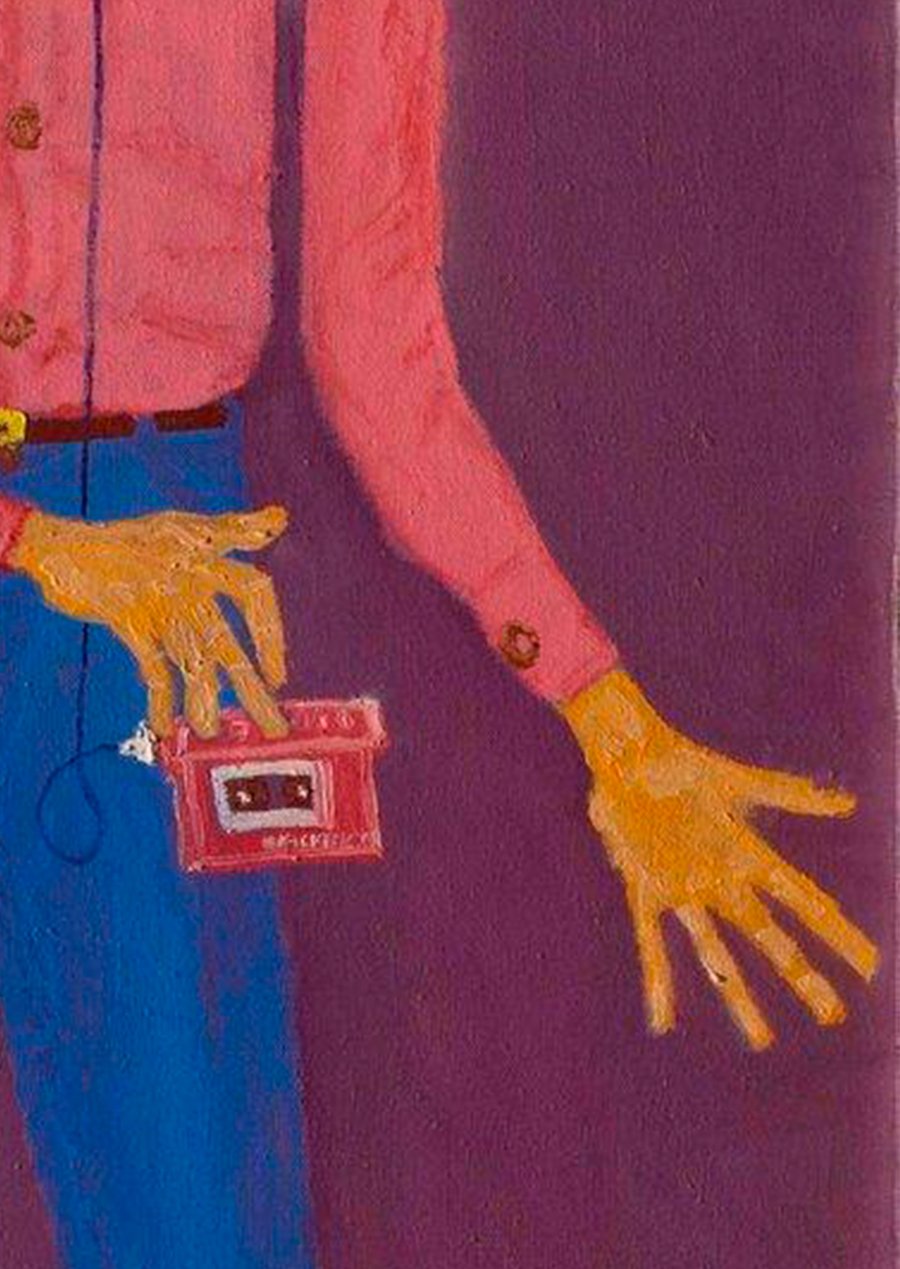
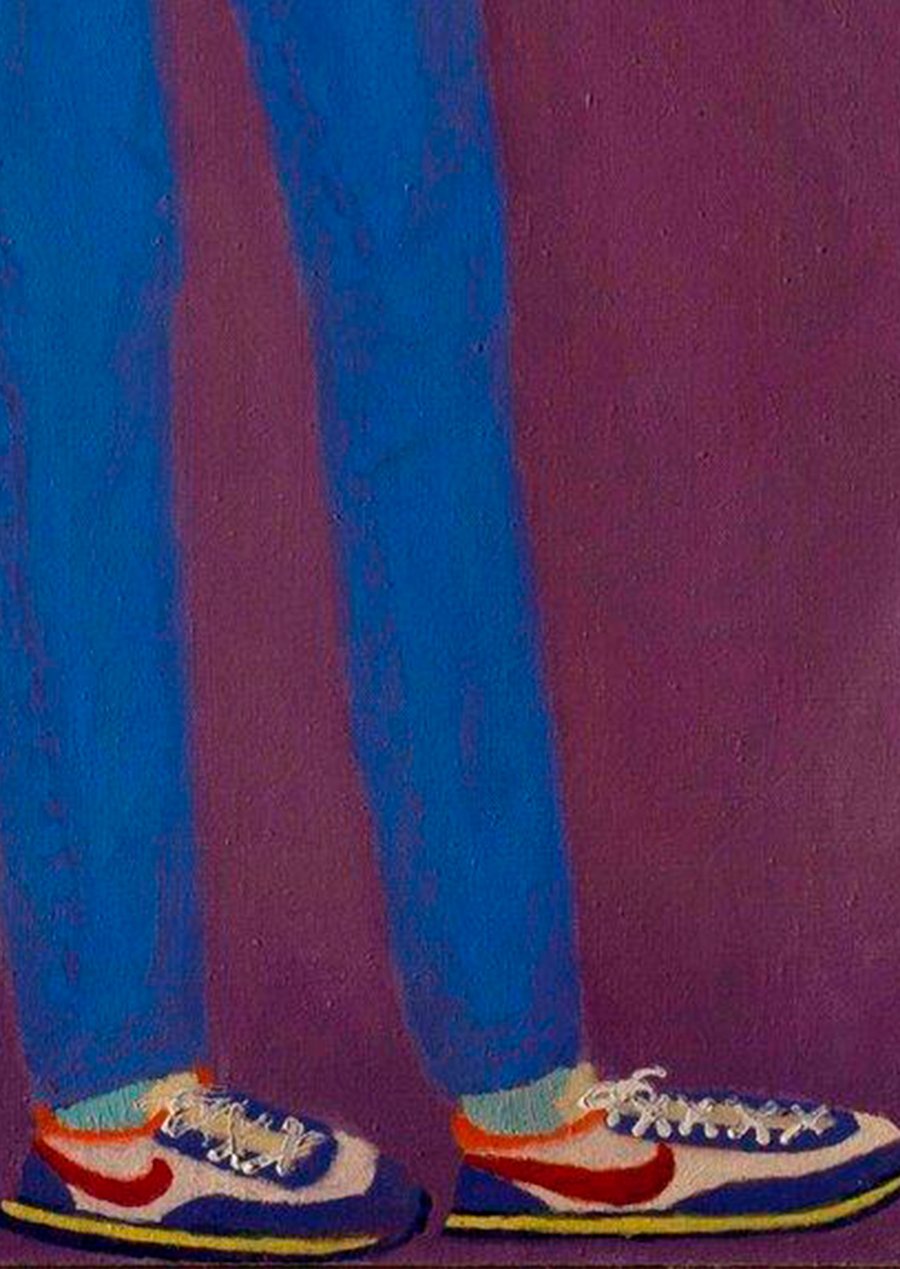
«Portrait of Africa, ” 1984
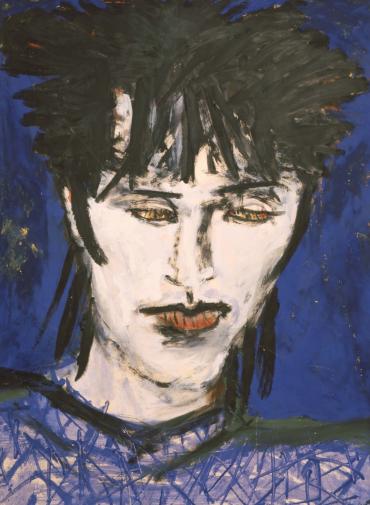
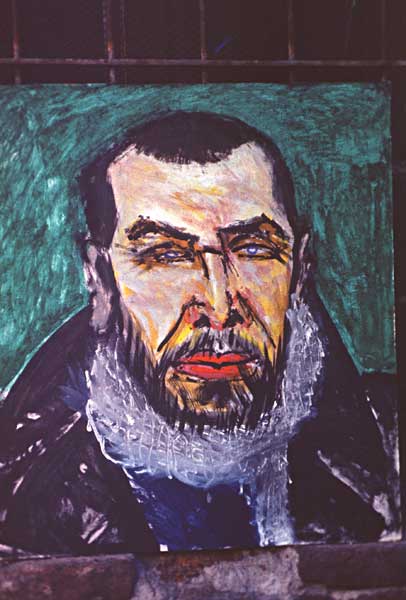
Portraits of Viktor Tsoi and Boris Koshelokhov
Palace Square, 1983
«City, ” 1981