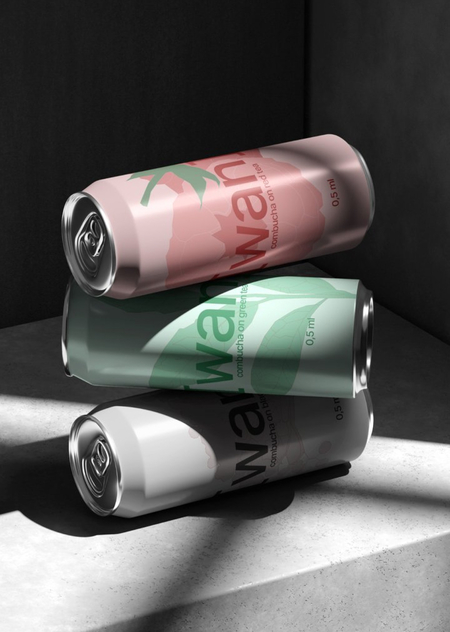
wan — a proprietary brand concept for kombucha, whose visual identity is built upon a combination of minimalism, pastel tones, botanical illustrations, and contemporary typography.
The project’s objective is to explore the capabilities of generative artificial intelligence in expanding the brand’s existing visual system.
For this purpose, the Stable Diffusion XL model was fine-tuned using DreamBooth LoRA technology on my original design work. The main objective was not to replicate existing labels, but to generate novel visual solutions that retain the characteristic elements of the wan brand style. The result was a series of images featuring new kombucha flavors, packaging variations, and promotional compositions.
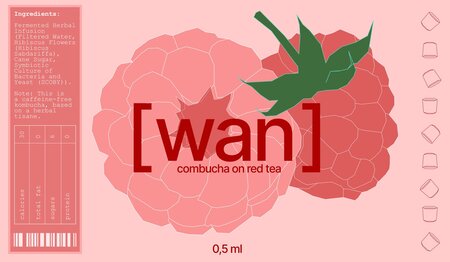
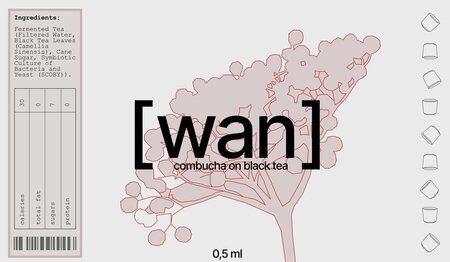
Examples of original artwork used for training the generative model
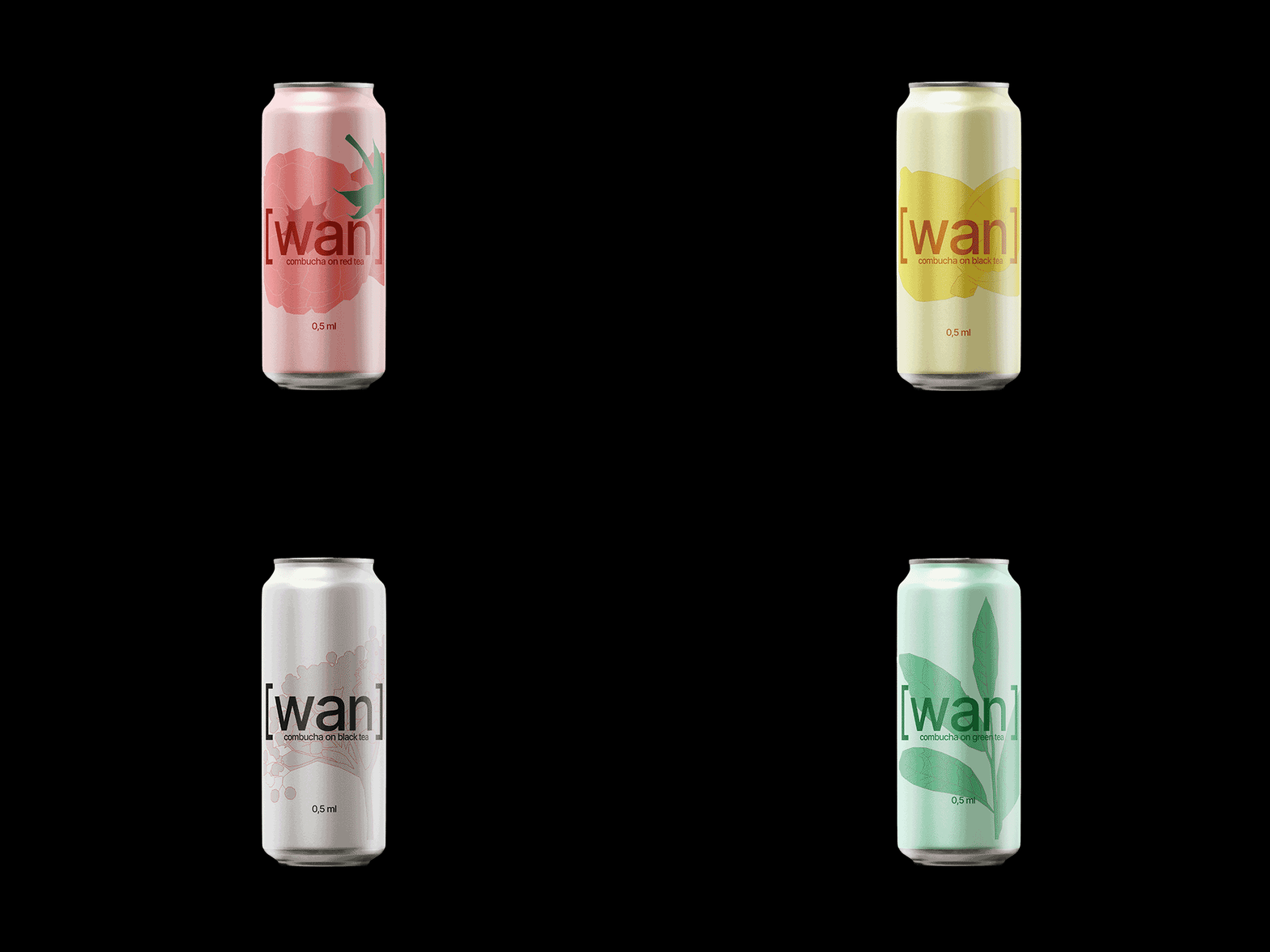
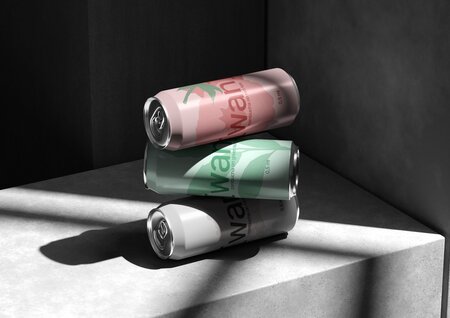
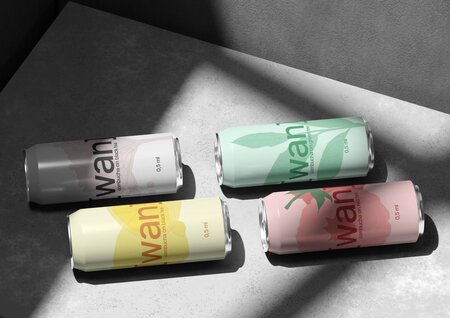
Examples of original illustrations used for training the generative model
The training utilized a dataset comprising 11 original images created as part of the initial design project, wan. The selection included flat labels for various flavors, a promotional poster, three-dimensional packaging visualizations, and supplementary corporate identity elements.
Key characteristics of the source style:
● Soft pastel color palette.
● Minimalist compositions with ample negative space.
● Geometricized depictions of fruits and plants.
● Thin contour lines.
● Large typography and technical packaging elements: information tables, barcodes, pictograms.
Before training, all images were resized to a 1024×1024 pixel square format while maintaining the original aspect ratio. Each image was accompanied by a text description detailing the composition, color palette, and visual elements. A specific identifier, wanstyle, was added to all descriptions to allow referencing the learned style during generation.
Stable Diffusion XL (SDXL) was used as the base model, and DreamBooth LoRA technology was employed to adapt it (LoRA allows for the training of a small number of additional model parameters without fully retraining all its weights). The process was executed in Google Colab using the Hugging Face Diffusers library.
Core Learning Parameters:
Training Dataset: 11 images.
Training Resolution: 512 × 512 pixels.
Number of Steps: 300.
Learning rate: 0.0001.
LoRA rank: 8.
Mixed precision: FP16.
Gradient checkpointing and 8-bit Adam are used to reduce memory consumption.
Upon completing the training, the LoRA weights were saved separately and connected to the base SDXL model. To create the final series, text prompts were used that included the wanstyle identifier and descriptions of new objects, flavors, and compositions.
Resulting Images:
The final series is an experimental expansion of the wan brand’s visual world.
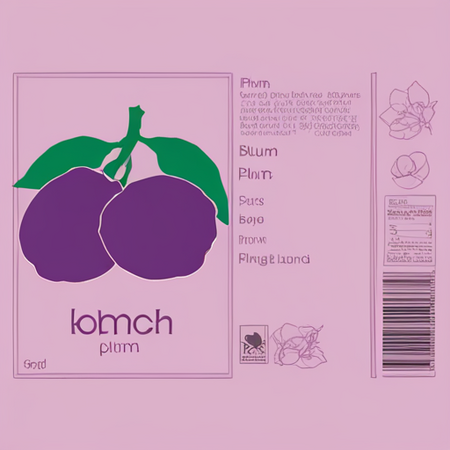
Packaging concepts were generated featuring peach, lychee, plum, jasmine, and citrus motifs, alongside promotional compositions showcasing several jars of kombucha. Particular attention was paid to maintaining a cohesive visual identity across different themes. The result is a collection unified by a pastel color palette, botanical motifs, minimalist aesthetics, and principles of still life composition.
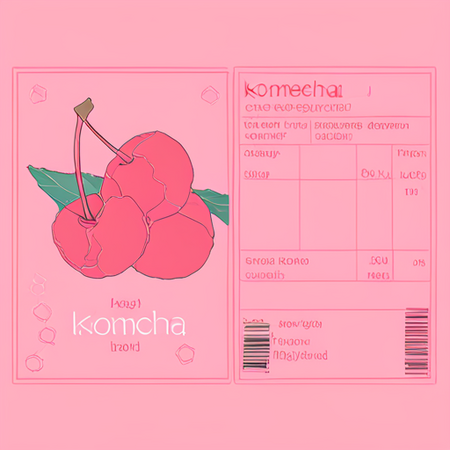
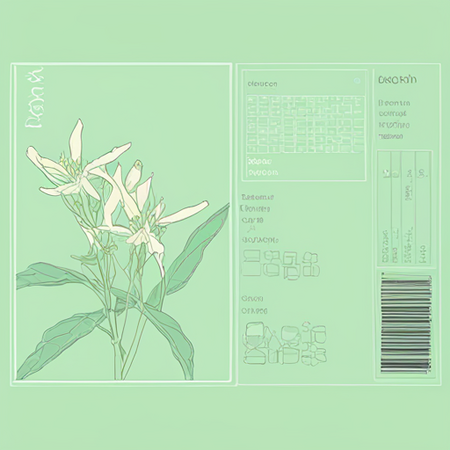
Resulting Images:
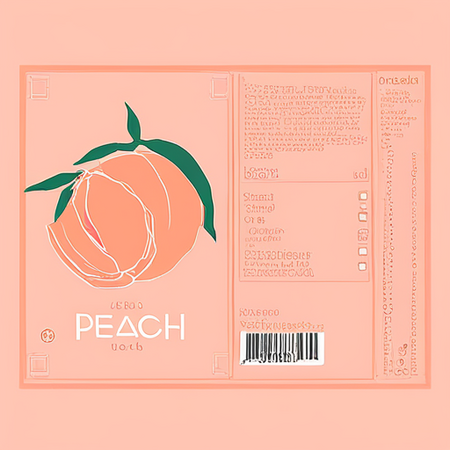
Resulting Images:
● Adoption of Authorial Style
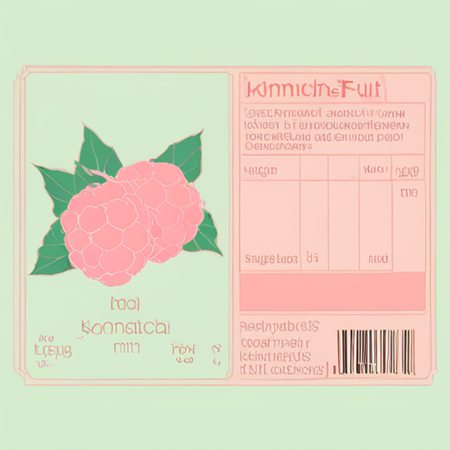
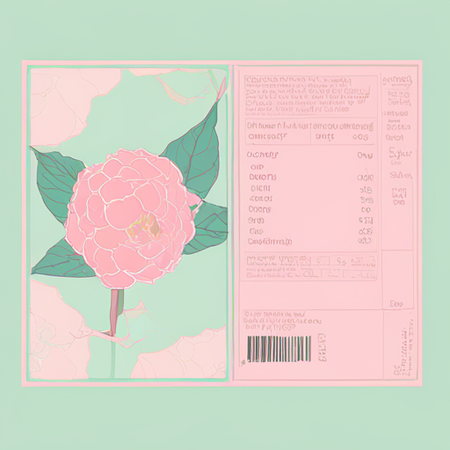
The model successfully adopted the color and illustrative characteristics of the original project. The generations retained pastel hues, soft color palettes, delicate outlines, and geometricized botanical forms. The influence of the original labels is especially noticeable in the flat graphic compositions, where the neural network reproduces information blocks, frames, and elements of technical illustration.
● Image Variability
Despite the small volume of the training dataset, the model was able to create new compositions differing in object placement, color schemes, and product presentation format.
Thus, the initial identity system has gained several new directions for development.
Resulting images (varying larva labeling):
The main issue relates to typography.
The neural network reproduces the layout and visual character of the text, but often distorts the letters, resulting in illegible text. Furthermore, not all new fruits are recognized with sufficient accuracy: sometimes the model substitutes them with botanical forms similar to elements in the original dataset. To improve the results, refined text prompts were used, providing more detailed descriptions of the fruits' shapes, graphic techniques, and composition.