The Issue
The steering wheel is the point of constant contact between the driver and the car. In the summer, it gets hot; in the winter, it becomes uncomfortably cold, and some gloves can compromise grip on its surface. For many, their hands simply sweat. I decided to create gloves that combine functionality with aesthetics. In my project, I set a goal: to design gloves that one wants to wear while driving. They must protect against cold and heat, ensure a reliable grip, and be comfortable and stylish.
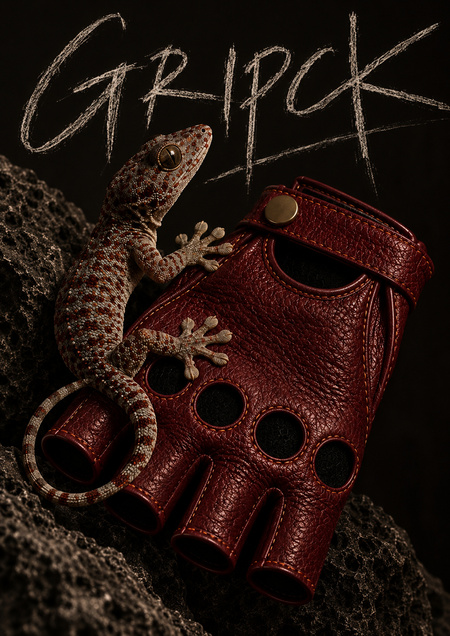
GRIPCK—a fusion of comfort, safety, aesthetics, and functionality.
GRIP+GECKO=GRIPCK
In the name, I emphasize the connection to safety and reference the image of inspiration.
Historical Overview
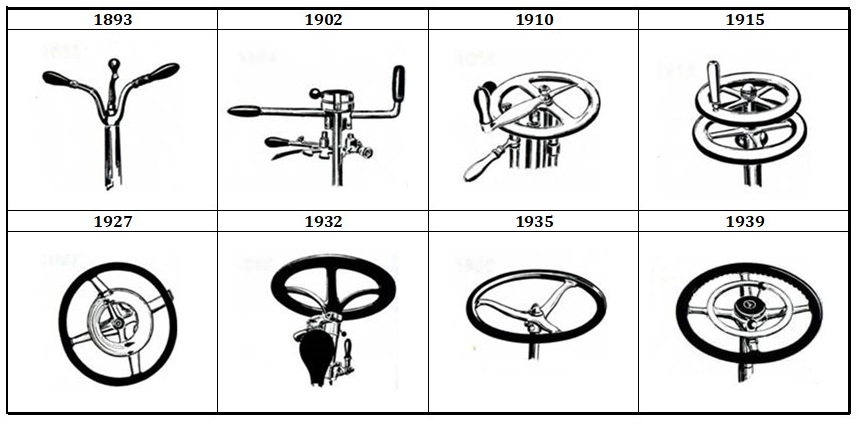
The History of the Steering Wheel
Personal Experience
Every time I get behind the wheel, I think about gloves that would be not only stylish but also comfortable for the hands when in contact with a cold or hot steering wheel. Steering wheels can have different coatings, and sometimes my hands sweat when touching them. Such gloves would help me eliminate discomfort and enhance the aesthetic appeal.
These gloves could be used not only while driving but also in daily life to add a unique flair to one’s look.
I believe that despite the innovations in steering wheel design, human skin reacts differently to various materials. Modern cars have heating elements, but protection from the sun is still essential. For instance, my steering wheel is made of resin, which retains the cold for a long time and doesn’t warm up.
Seasonal Discomfort
WINTER
1. Cold. 2. Contact with a cold surface. 3. Interaction with the hand outside the window (attach the map at the barrier gate).
SUMMER
1. It is hot. 2. Contact with a hot surface. 3. Hands sweat, and grip on the steering wheel decreases.
Both versions must maintain touch sensitivity and not degrade control. The gloves do not cool or heat the steering wheel itself.
Research
Gecko — Dry Adhesion
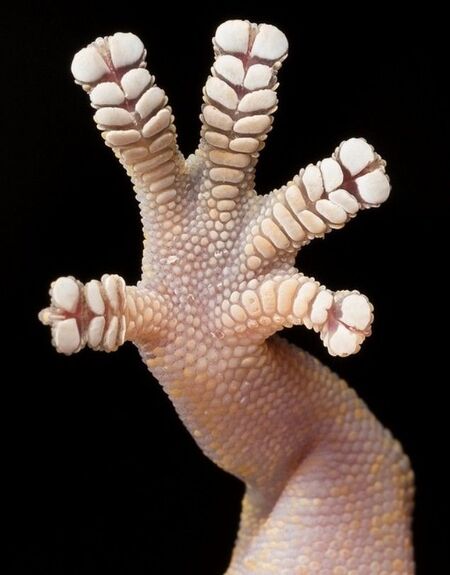
On the gecko’s toes are microscopic hairs—setae—the tips of which form numerous close contacts with the surface. At the molecular level, Van der Waals forces arise between the interacting surfaces. Thanks to this, the gecko is able to adhere to smooth surfaces and detach when the position of its toes or the direction of the load changes. This mechanism is called dry adhesion.
Tree frog — wet adhesion
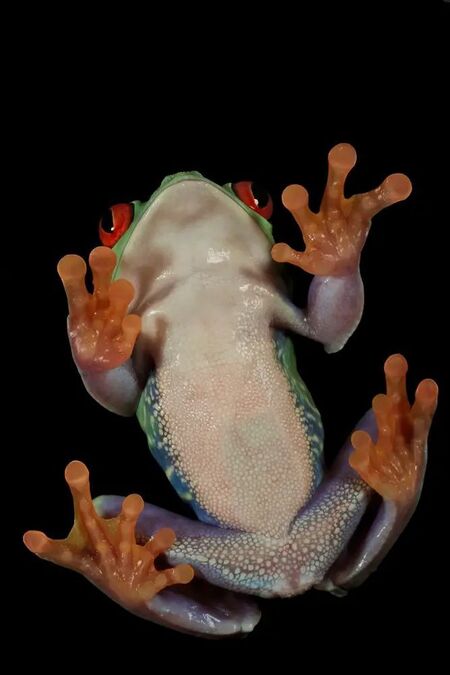
The toe pads of tree frogs feature a micro-texture and a thin layer of mucus. This fluid promotes close contact with the surface, and capillary and viscous effects help ensure adhesion. Furthermore, the texture of the toe pads aids in distributing the fluid and maintaining stable contact. This mechanism is categorized as wet adhesion.
Fly—a combination of microstructures and liquid adhesion
On the fly’s feet are specialized pads—pulvilli—covered in microscopic hairs. Upon contact, they can secrete a small amount of fluid, forming a thin liquid film. The combination of microstructure, intermolecular interactions, and capillary forces helps the fly adhere to smooth surfaces.
Spider — microstructural and mechanical adhesion
The fine hairs on the legs of some spiders increase the contact area with a surface. Additionally, claws allow them to grip micro-irregularities. Depending on the species and surface type, intermolecular interactions may also be involved. Therefore, the adhesion mechanism of spiders cannot be reduced solely to dry adhesion.
Fly and Spider Paws
Gecko Adhesion
Why the Gecko?The gecko utilizes a mechanism of dry adhesion: microscopic hairs on its feet create numerous intimate contacts with the surface, engaging Van der Waals forces.Why does this principle suit GRIPCK?1. Adhesive-free grip — allowing for repeated contact with the surface. 2. Micro-texture — a fine contact structure without a bulky tread. 3. Tactile sensitivity — the potential to maintain steering wheel flexibility and feel. 4. Aesthetic integration — the ability to make a functional texture virtually imperceptible.
References