Project Goal and Mission
Develop a line of souvenirs for the «Ostankino and Kuskovo» museum-reserve that conveys the atmosphere of 18th-century manors, the history of the Sheremetev family, the theatricality of Ostankino, and the park aesthetic of Kuskovo.
It was important to create not just beautiful objects, but modern and functional souvenirs for the museum’s diverse audiences: families with children, collectors, history enthusiasts, schoolchildren, and seniors.
Our mission was to devise a solution that would help reveal the intersection points of the destinies of two manors that once existed separately but have now become a unified complex.
Contribution of Each Participant
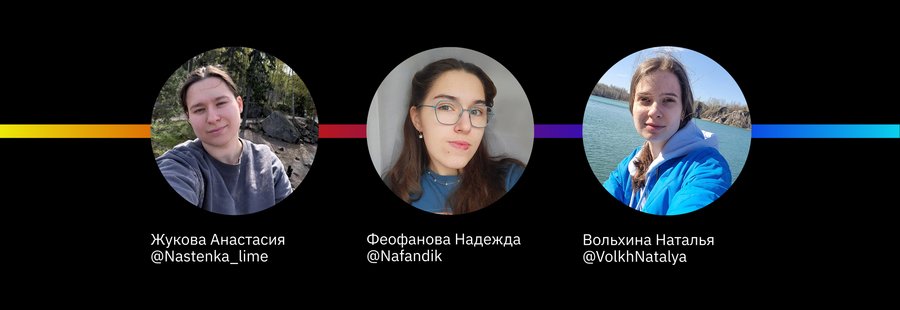
The team working on this case included myself (Nadezhda Feofanova), Anastasia Zhukova, and Natalya Volkhina.My contribution involved forming the team, proposing the central concept based on research into the history of two manors and synthesizing the impressions from visiting them, and meticulously maintaining the overall quality of the execution and presentation—essentially, providing consistent art direction for the project.Anastasia was responsible for team coordination and generating images and video, while Natalya handled editing and the technical realization of merchandise elements, such as sticker printing.
Project Outcome and Significance Assessment
In addition to the project becoming the winning case study for Design Workshop XI, it is important to note the work we performed at every stage, especially during the refinement of the technical specification and the preliminary research.For instance, by interviewing museum staff who work with souvenir merchandise, we eliminated several items that would require immense expense with extremely low demand, such as rubber boots and thermoses. We also established highly clear and accessible production strategies and proposed a plan for gradually introducing items from small trinkets to larger objects, which significantly simplifies future implementation.
Concept
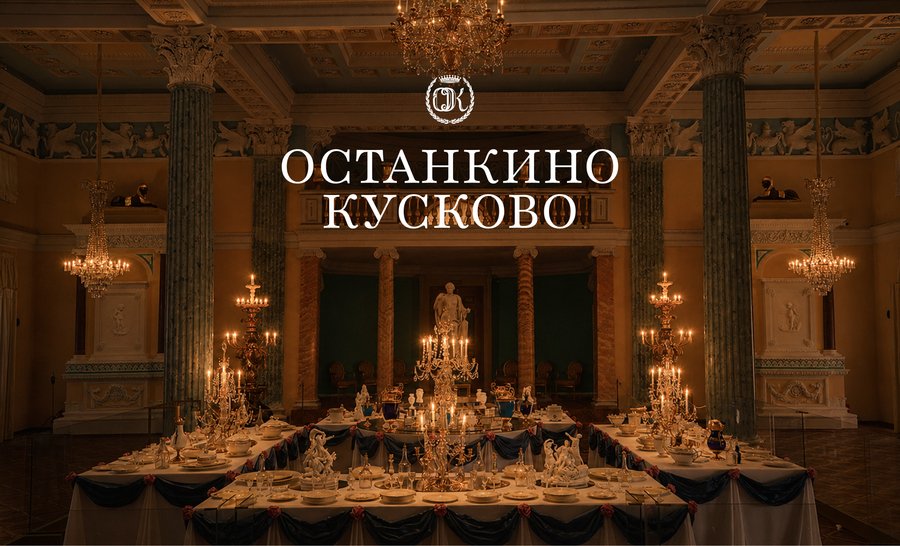
Walking through the colonnades of the Ostankino Palace, it is difficult not to notice the hedonism infused in every element; one cannot fail to feel an aesthetic saturation. This led us to the thought that the museum is moving away from the idea of dry conservation of objects toward the curation of experiences.
The starting point for the immersion experience is a postcard that visitors receive upon entry, which they serve with stamps from different locations across two parks as they explore them.
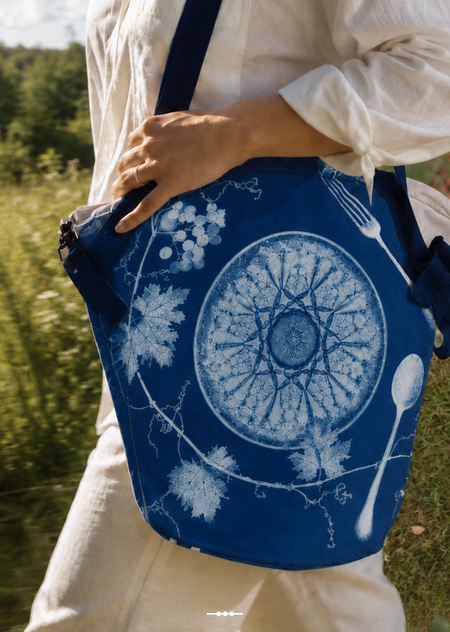
The motif of table setting bleeds into textile materials, costume jewelry, a theatrical hook featuring a pattern from one of the many dinner services, as well as ribbons, pendants, decorative tape, and other souvenirs.
I want to pay special attention to the niche that complements the manager—a recreational interior object where live carp were kept for guests.
Backstage
The design workshop was held in Skolkovo. It was a pleasure to work in that space, surrounded by people who were driven toward achieving results. Our first day was entirely dedicated to refining the solution. The second day was purely rehearsal: our goal was to condense the presentation into an extremely concise and potent form that could reveal the essence of the solution within the allotted three minutes.