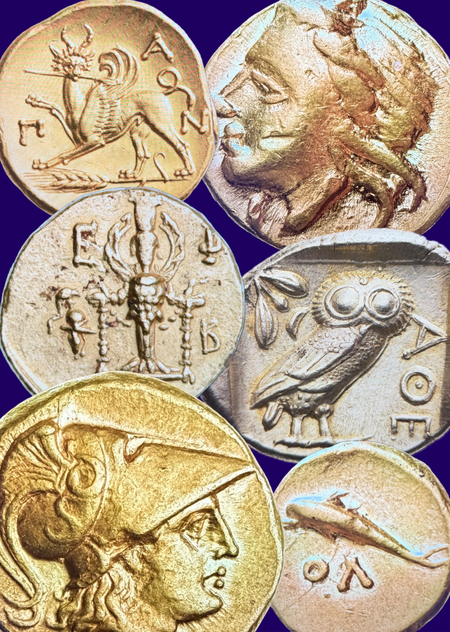
For the analysis of the museum collection, I selected the holdings of the International Numismatic Club Museum. From the collection of over five thousand artifacts, I chose specimens dating from 600 BCE to 400 CE. These timeframes belong to the classical antiquity period. This selection was motivated by the desire to demonstrate the evolution of currency. This compilation of ancient coins, including some rare specimens, allows one to see what monetary items looked like at the dawn of their appearance and trace the first steps of the monetary system—its forms and symbology.
The collection of ancient coins from the International Numismatic Club Museum is unique due to the rarity and artistic value of its exhibits, as many pieces are preserved as singular items. The collection extensively features coins from Ancient Greece, Rome, Byzantium, as well as states of the Northern Black Sea and the Bosporan Kingdom. The presence of over 700 gold coins adds particular value—making it one of the most complete private collections of ancient gold in the world.
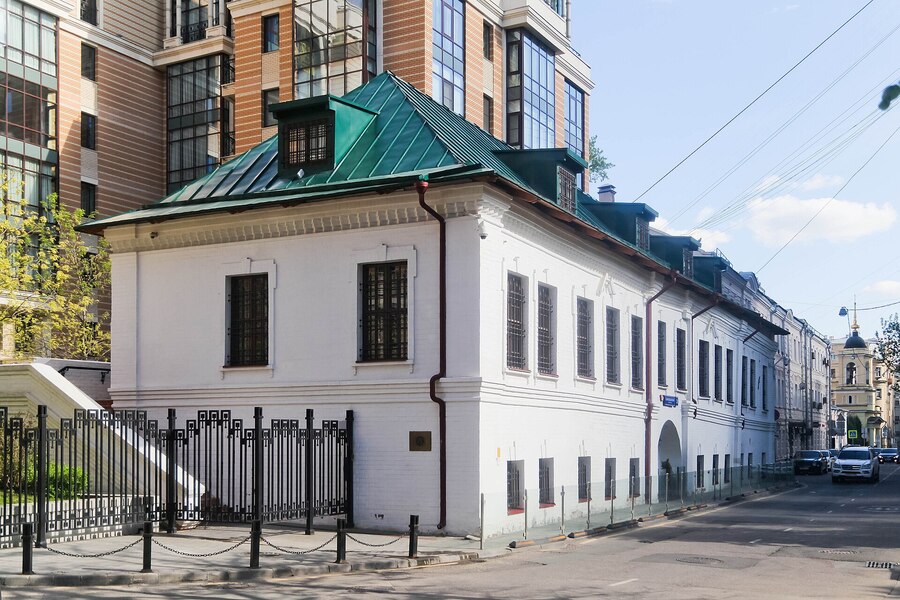
Museum of the International Numismatic Club, located in the Zinoviev-Yusupov chambers from the 17th–18th centuries. Bolshoy Afanasyevsky Pereulok, 24.
The Museum of the International Numismatic Club (MINC) is housed in the historic Zinoviev-Yusupov mansion on Bolshoy Afanasyevskiy Pereulok. The building, constructed in 1685, was carefully restored before the museum opened in 2015. The core of the exhibition comprises a private collection amassed by businessman Vaghit Yusupovich Alekperov over more than 50 years. The collection includes over 5,000 coins—including rare gold specimens ranging from antiquity (such as the hecatombs of the city of Phocaea, 480–450 BCE) to the modern era—with a particular focus on «Russian gold» and platinum coins of the Russian Empire. The museum operates as a scientific and educational platform under the management of the ANO «International Numismatic Club, ” hosting thematic exhibitions and research. According to the owner’s wishes, the collection remains in Russia and is not subject to division or sale.
Collection
The collection is frequently supplemented and its items acquired through the museum’s participation in auction sales, particularly at CNG, NAC, Stack’s Bowers, Sincona, «Russian Numismatic House, ” and „Rare Coins.“ Today, the collection continues to be actively augmented as museum experts participate in auctions and select lots that align with the scientific and exhibition concepts.
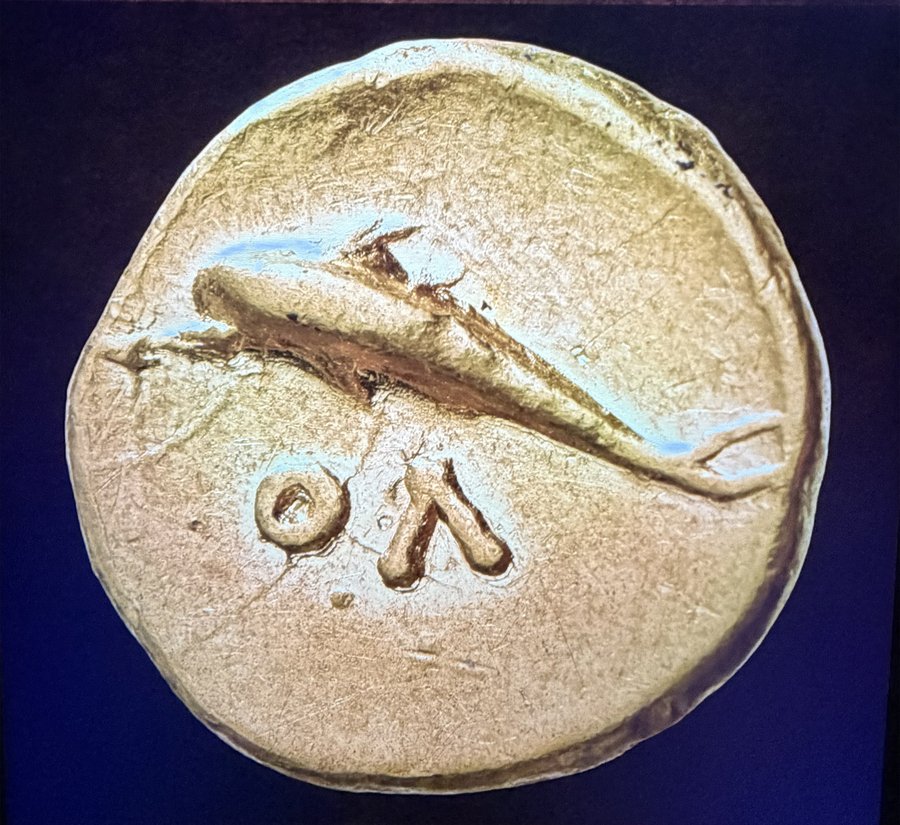
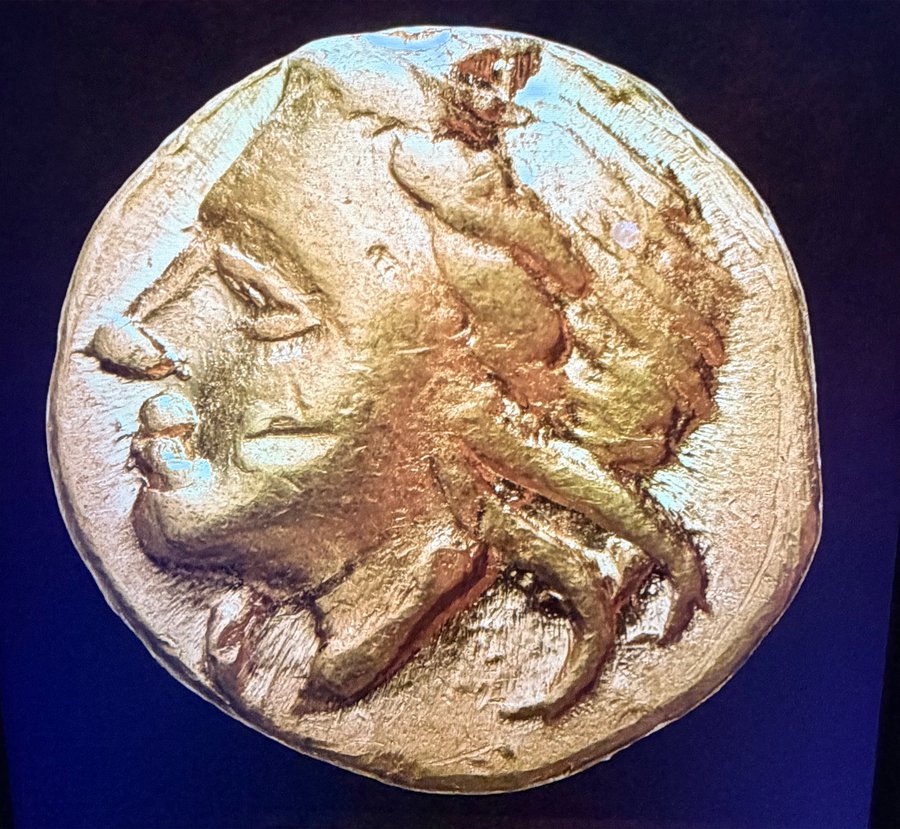
Olivia. Golden Hemidrachm. 315–310 BCE. Gold 2.10 g. Diameter 11.2–11.8 mm. Karyshkovsky 268.40 Status: extremely rare Condition: excellent Acquisition by museum: 2015
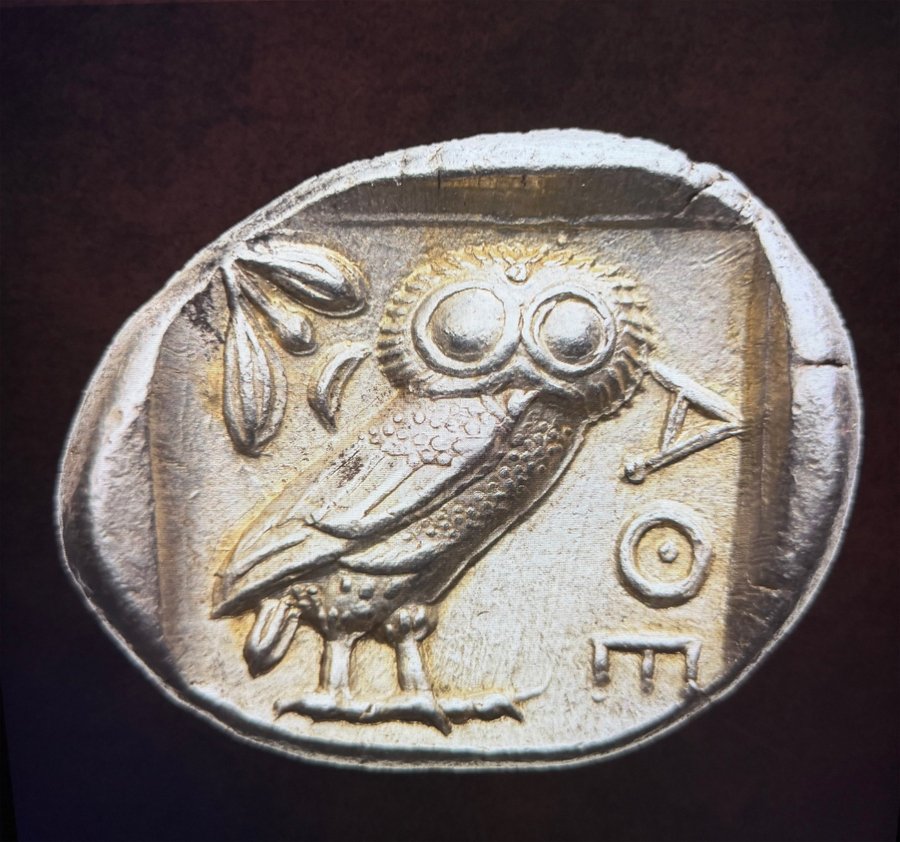
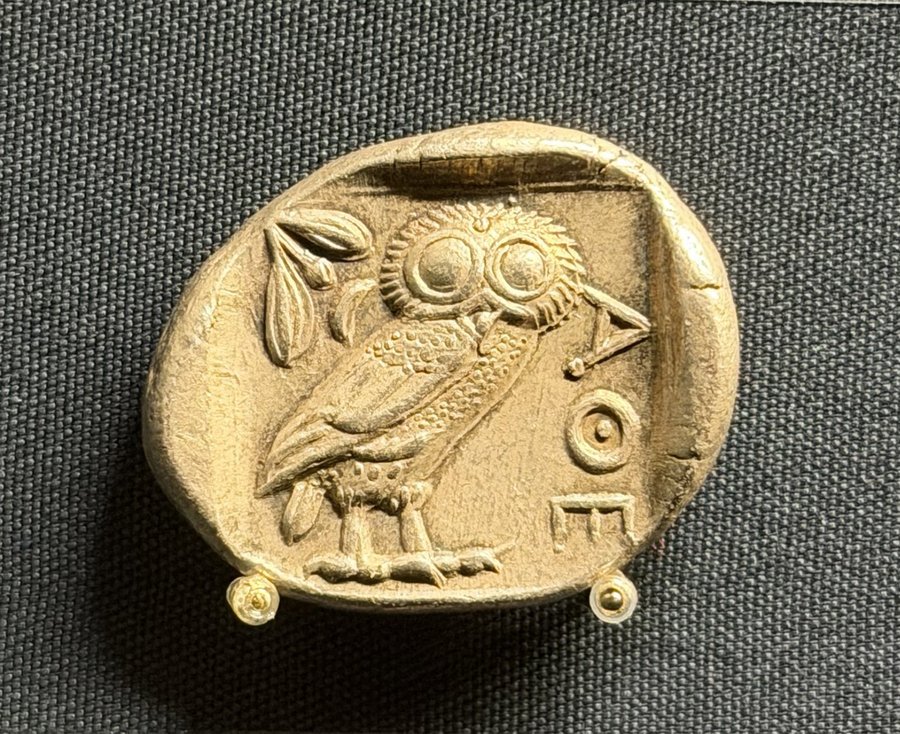
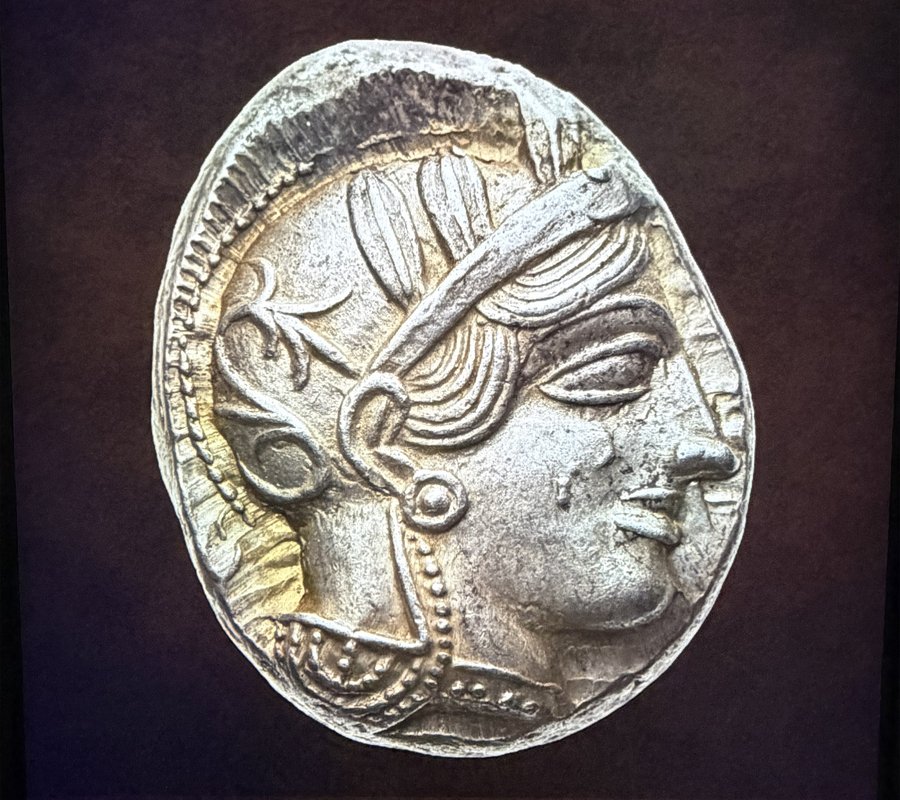
Attica. Athens Tetradrachm c. 454–404 BCE Silver Condition: excellent
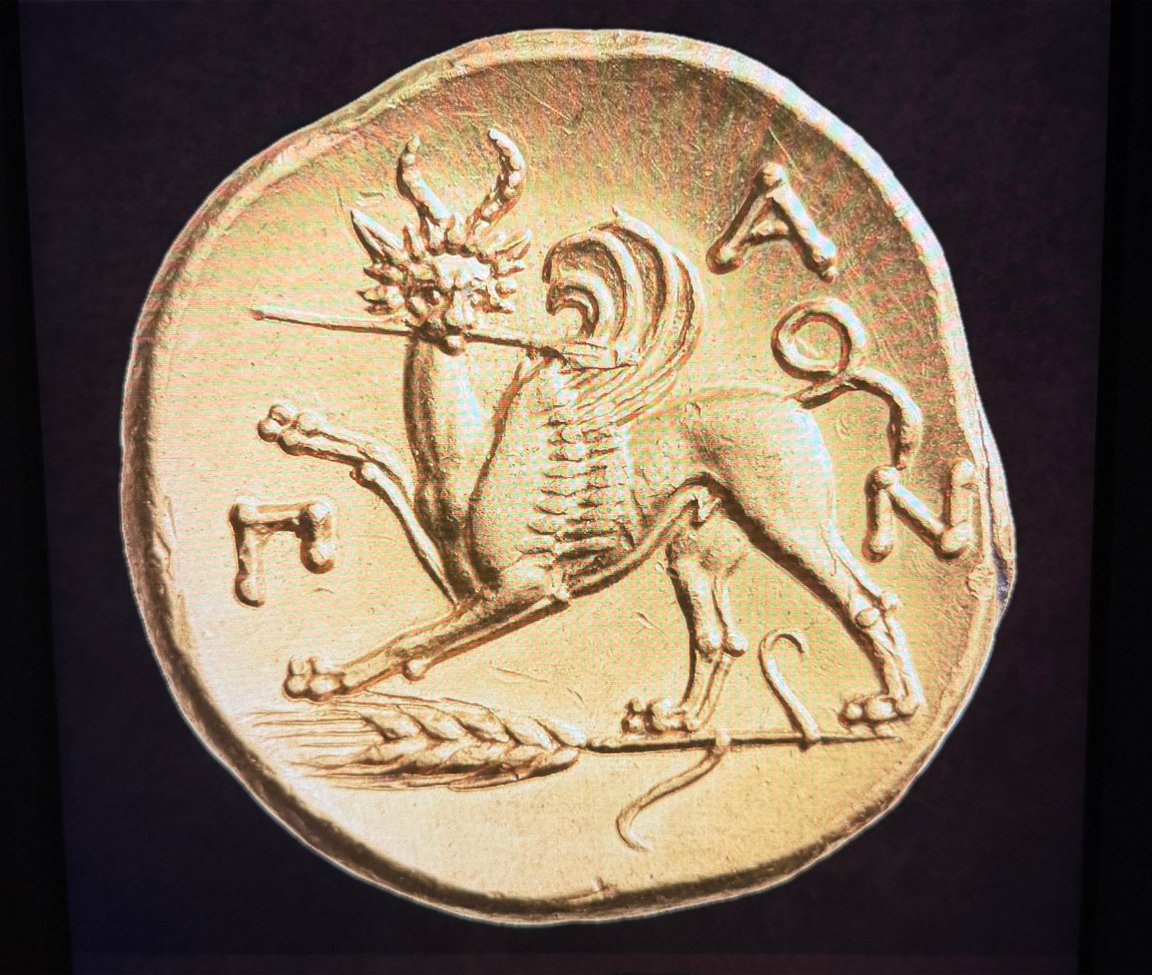
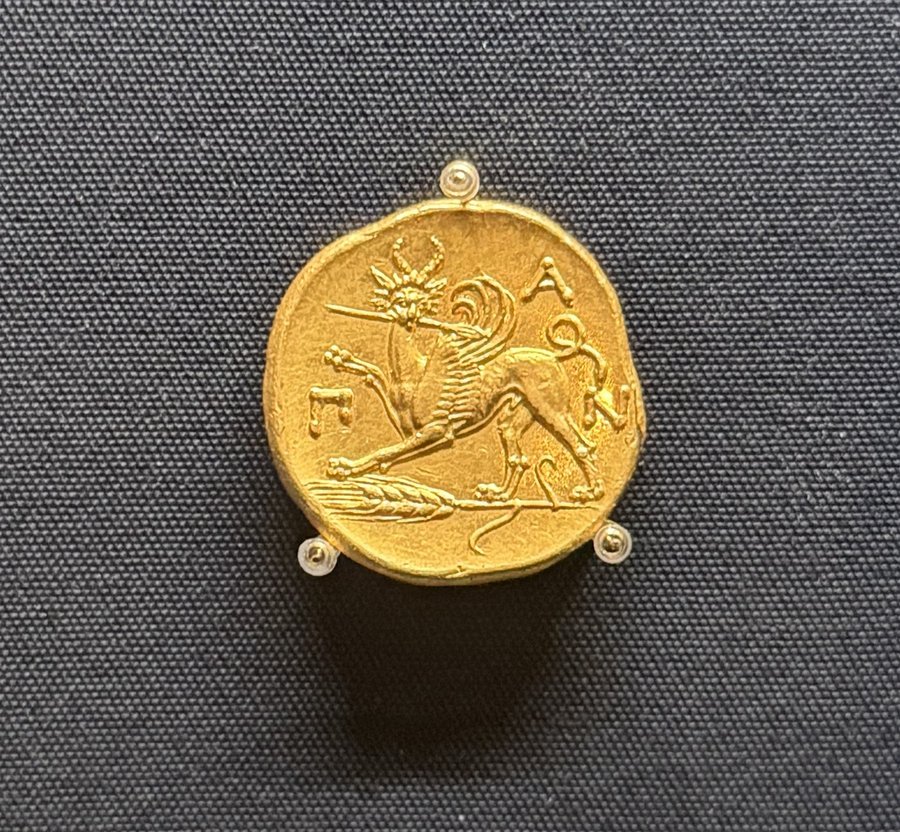
Bosporan Kingdom. Pantikapei Perisades I (345–310) Stater. 314–310 BCE. Gold 9.06 g. Diameter 19.7 mm. Condition: Excellent
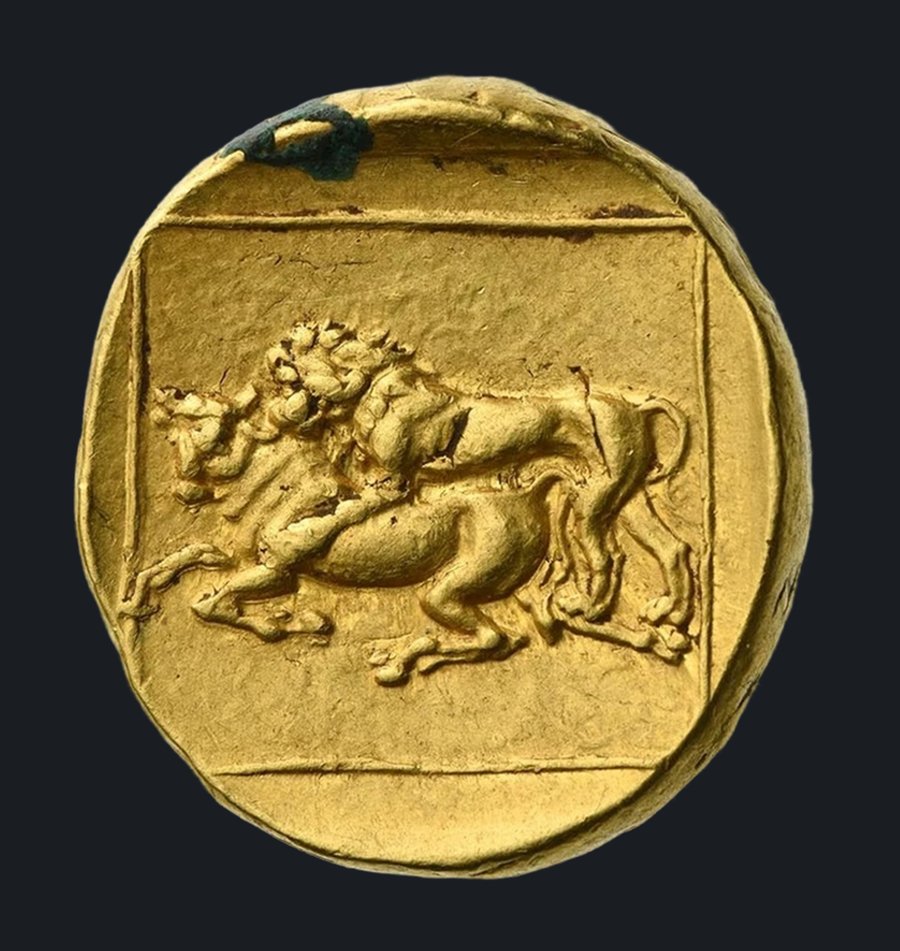
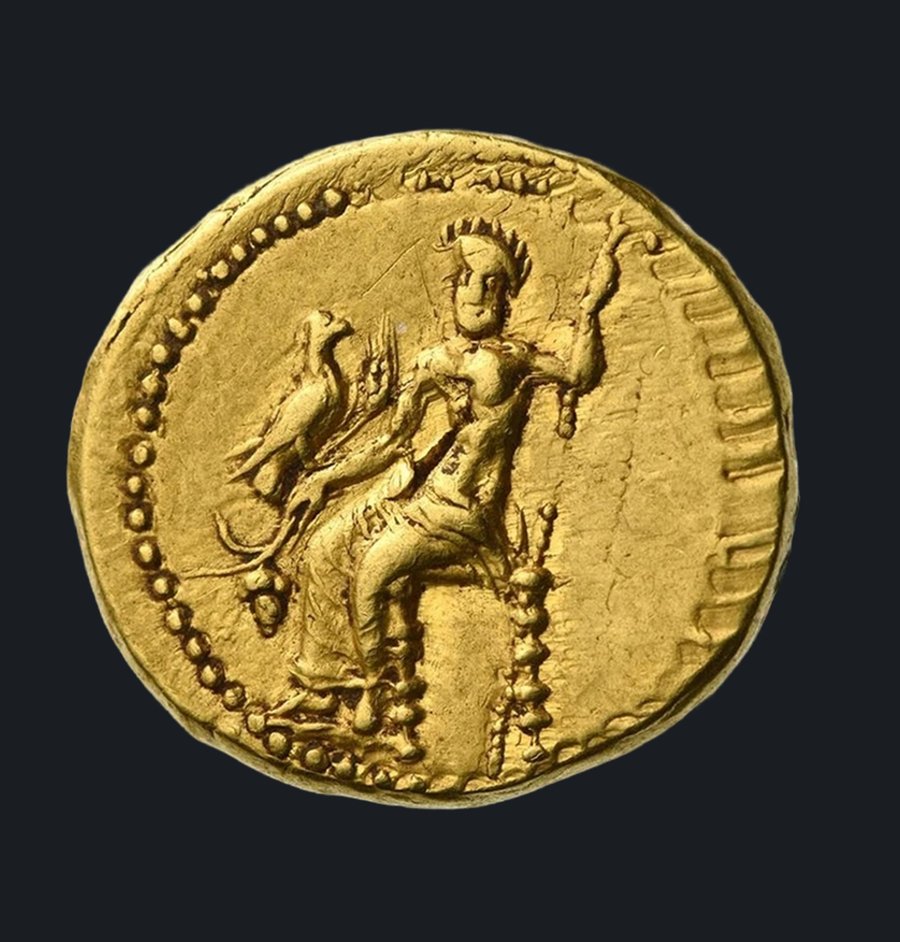
Babylon. Satrap Mazaeus Double daric. 331–328 BCE Gold 9.07 ct. Diameter approx. 19 mm. Condition: excellentAcquired by the museum: January 2016, CNG auction (Classical Numismatic Group), sold for $25,000 (plus 22,5% auction commission).
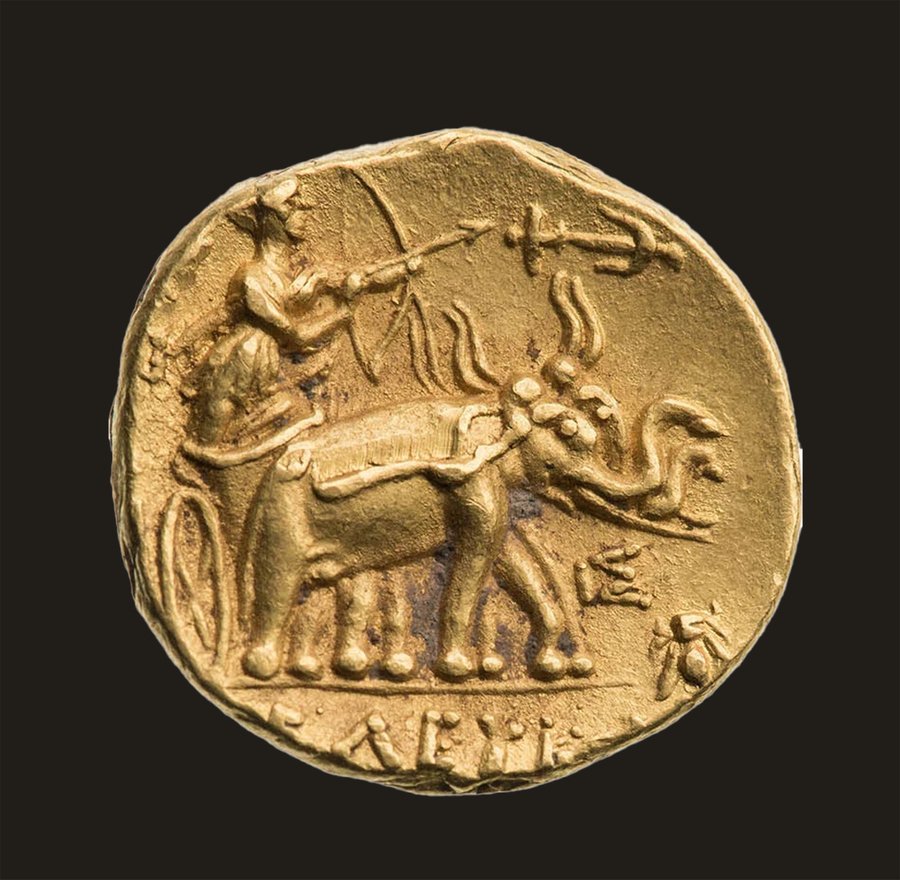
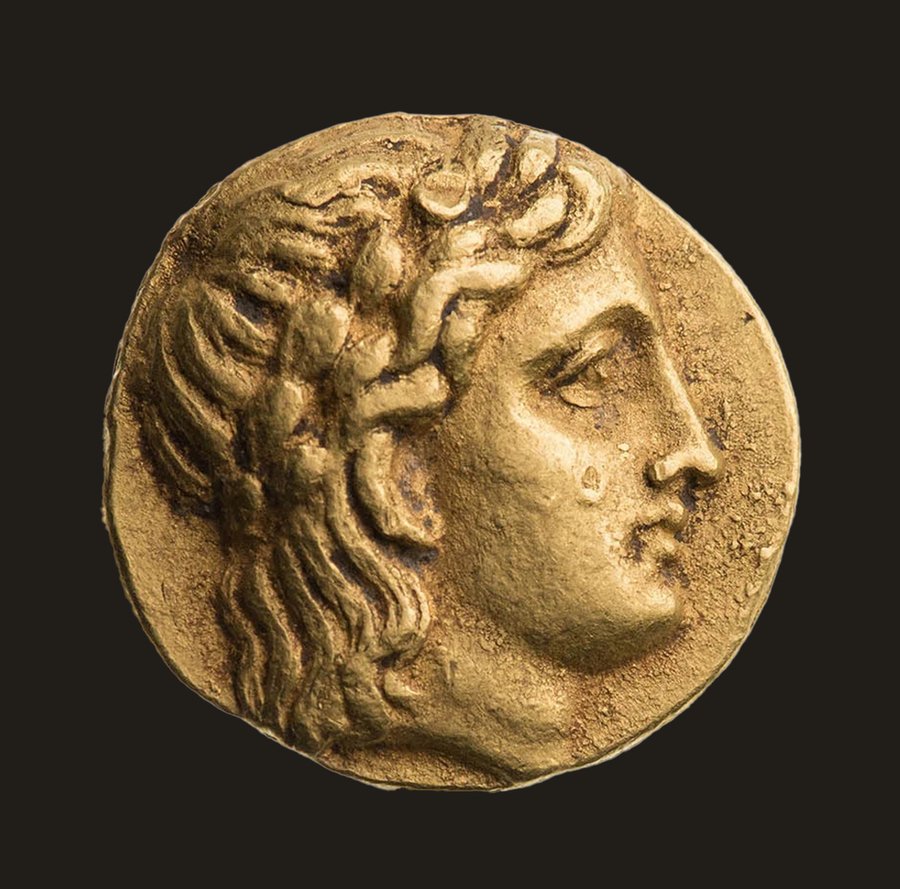
Syria. King Seleucus I Nicator Stater. Circa 287 BCE Gold 9.08 Diameter 19.7 mm. Condition: excellentAcquired by the museum: May 2015, NAC auction (Numismatica Ars Classica), sold for 52,500 Swiss francs (plus 19% commission).
Macedonian Kingdom. Magnesia on the Meander Alexander III the Great (336–323 BCE) Stater. c. 333–305 BCE Gold, c. 9th century BCE Diameter: 19.8 mm. Condition: excellent
Bosporan Kingdom. Panticapaeum Leucus I (390–350) Stater. 379–369 BCE Gold approx. 9 g. Diameter: 19.8 mm. Condition: excellentThis stater belonged to Prince Georgy Mikhailovich Romanov (grandson of Nicholas I) and was part of his numismatic collection.
Bosporan Kingdom. Pantikapei Spartacus III (303–283 BCE) Hemistater. 294–284 BCE. Gold: 4.2–4.3 g. Condition: excellent
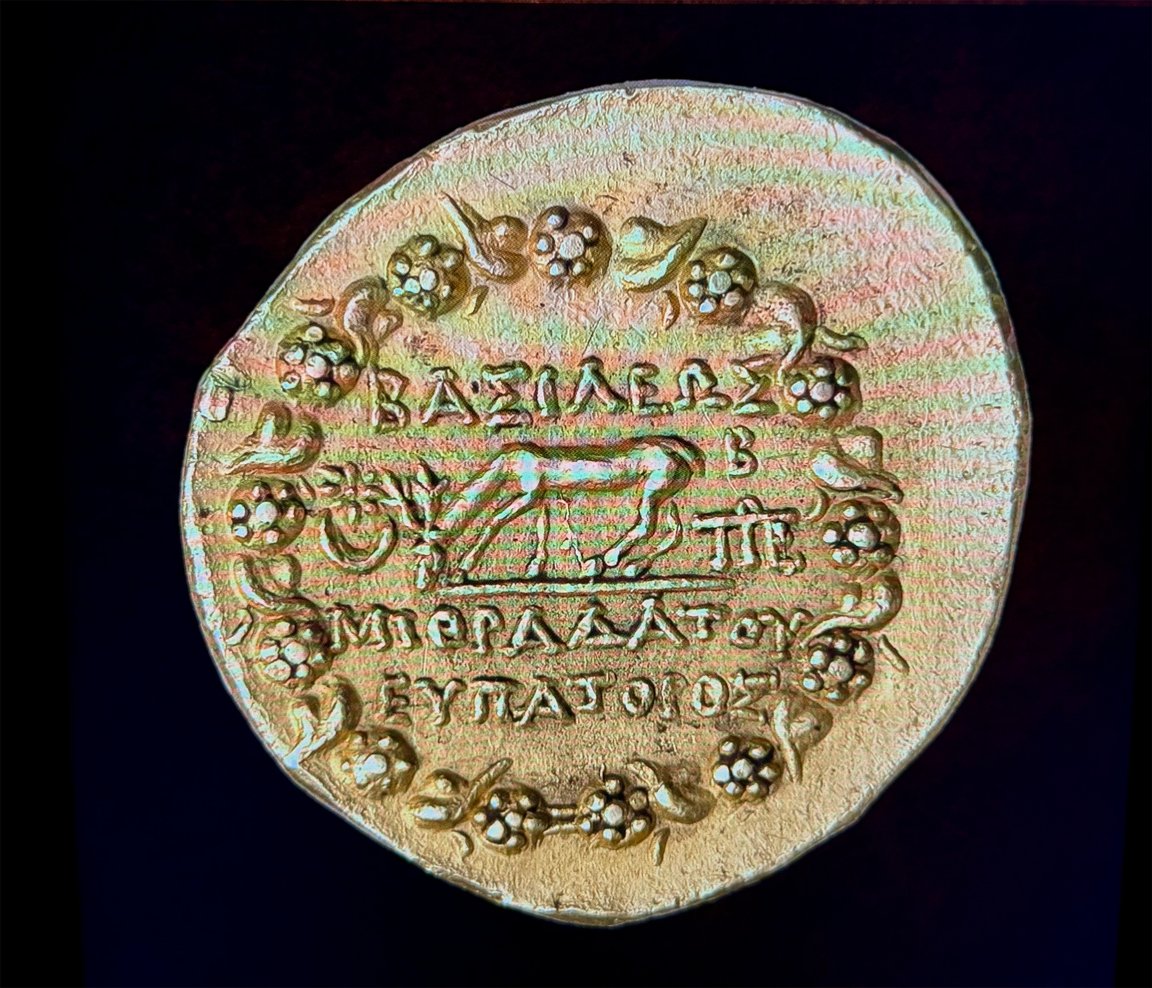
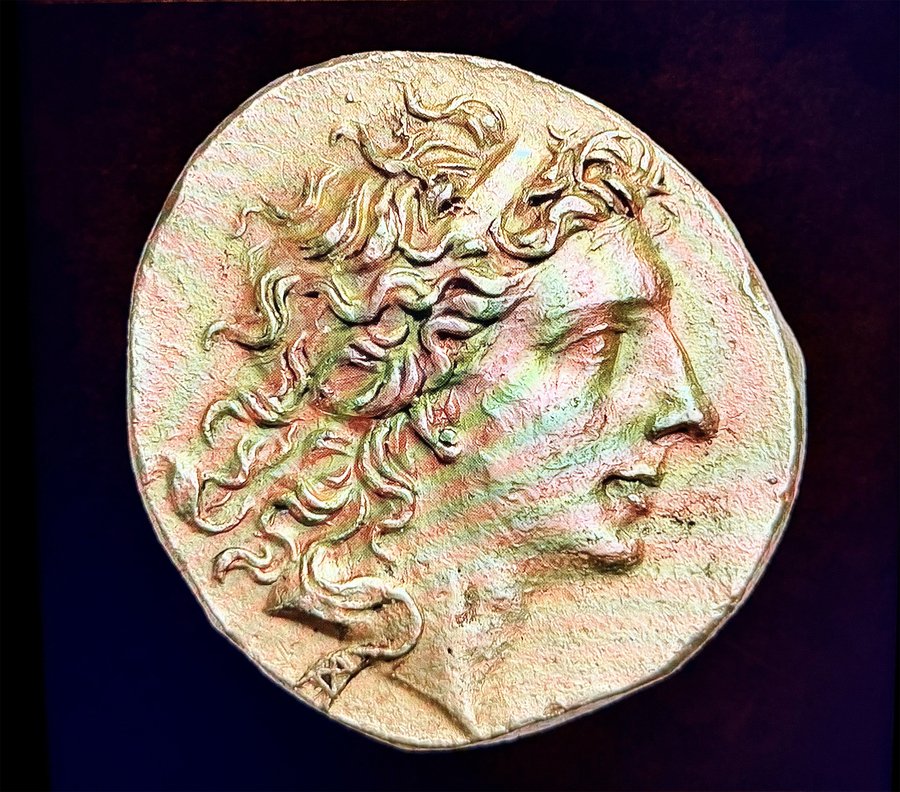
Pontic Kingdom. Pergamum Mithridates VI Eupator (120–63 BCE) Stater. c. 88–87 BCE. Gold: 8.1–8.5 g. Diameter: 19.9 mm. Condition: excellent
Bosporan Kingdom Panticapeia. Kotis I (45–63) Stater. 55–56 AD Gold Condition: Excellent
Ancient Rome. Solidus. Augustus (323–326). Thessalonica. Circa 324 AD. Weight: 4.41 g. Diameter: 19.3–19.9 mm. Condition: excellent
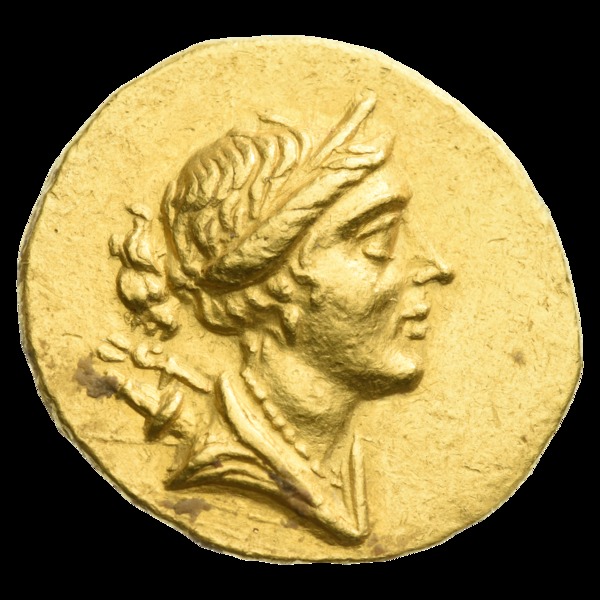
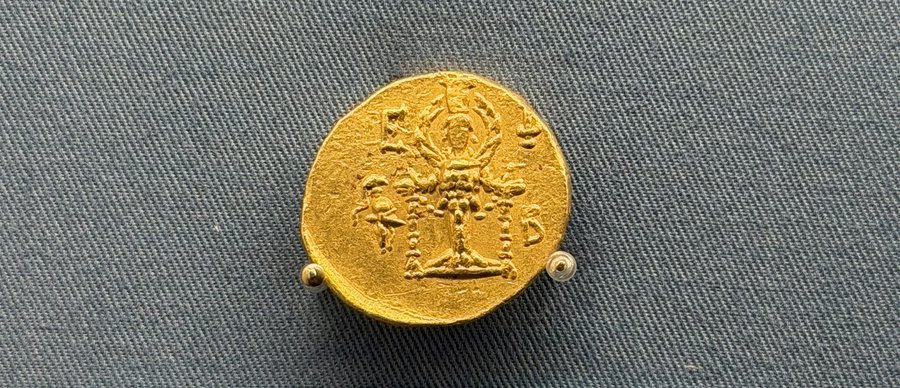
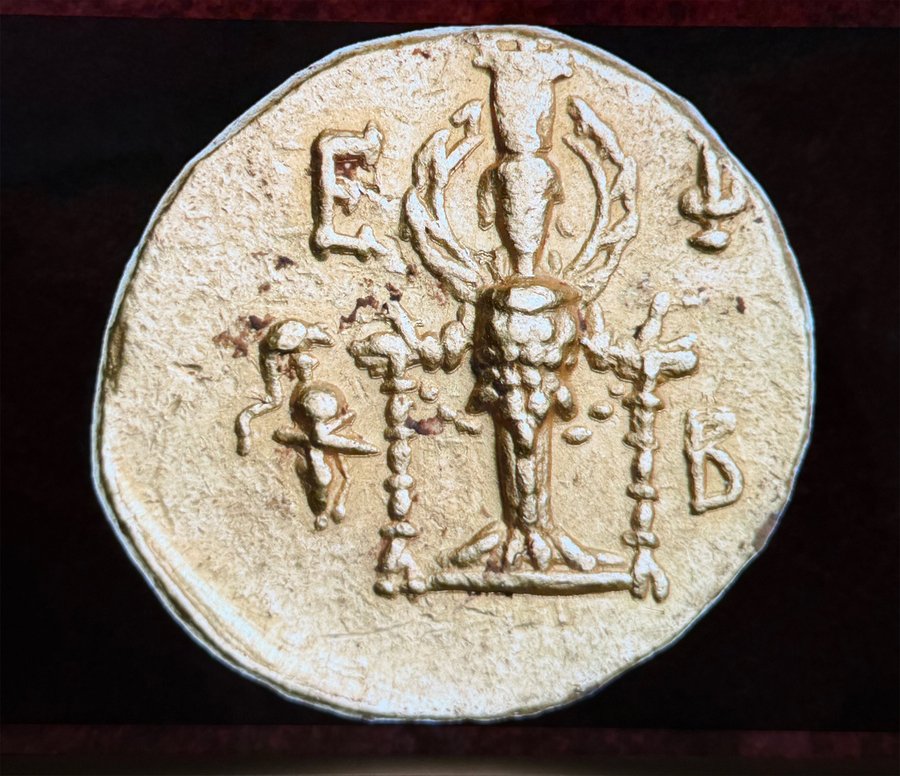
Ionia. Stater. Artemis. Ephesus. c. 133–132 BCE. Gold, c. 4 AD. Diameter: 18.2 to 19.5 mm. Condition: excellent