My volunteer experience at the Linda de La Art Center.
Стефания Седова · Москва · май–июнь 2026
In late May 2026, before my thesis defense and before applying to graduate school, I became a volunteer at the Moscow art center Linda de La. I wanted to gain an inside look at the work of a cultural space and try my hand at a field I planned to pursue in my further studies.
I found the volunteer opportunity independently and coordinated directly with the art center. My involvement was not coordinated by HSE. After I arrived, I learned that the center was collaborating with the Higher School of Economics in Moscow.
It turned out to be an unexpected coincidence: an opportunity I found outside the university turned out to be connected to a familiar educational environment.
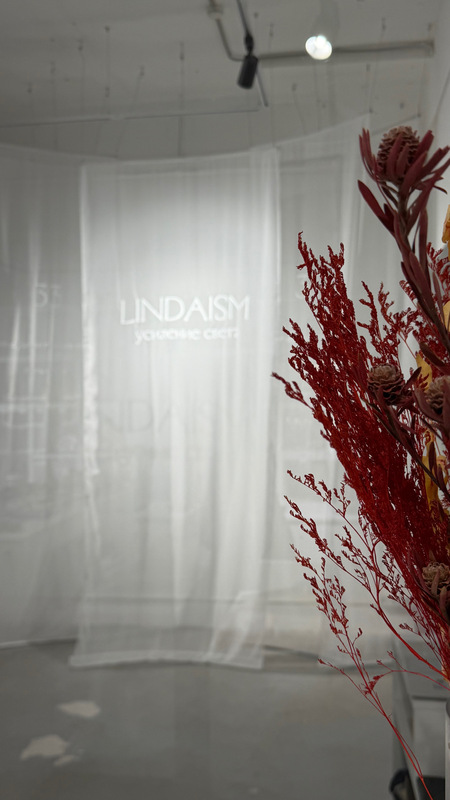
Linda de La merges art and psychology. Through exhibitions and educational projects, the center offers a platform to discuss human experience, memory, vulnerability, and recovery.
The Art Center addresses socially relevant themes through art, creating a space for dialogue and discussion of complex personal experiences.
My role as a volunteer was hands-on: helping the team run events, preparing the space for exhibition changes, greeting visitors, tracking their attendance, integrating them into the system, and advising them on merchandise availability in the shop.I had the opportunity to get acquainted with various aspects of organizing exhibition projects. My contribution involved assisting with the day-to-day processes that influence both the visitor experience and the work of the exhibition team.
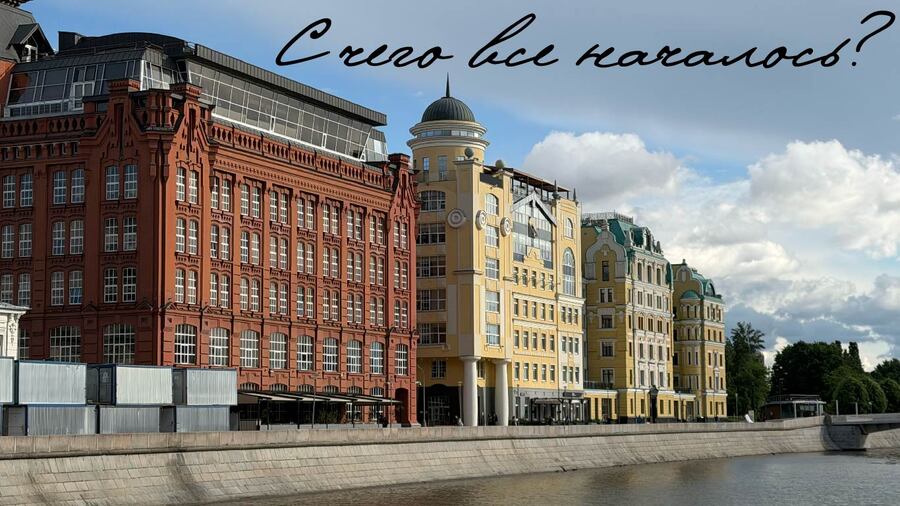
At that moment, I was completing one stage of my education while preparing for the next. I wanted to supplement my application preparations with real-world experience: to meet people who work with art, to see their challenges, and to understand how I felt in such an environment myself.I responded to the announcement and joined Linda de La’s volunteer chat. That gave me the opportunity to come and get involved in the work. The center itself interested me with its approach.
Exhibitions here become an occasion to discuss human experiences, and collaborations with psychological communities and support foundations complement the artistic program.
On May 27th, I assisted with the finishing event—a gathering to close the exhibition. The work demanded close attention and the ability to switch between tasks quickly. Some attendees were just arriving and needed guidance, others had questions, and some wanted to examine the merchandise in greater detail. I needed to remain actively engaged in the proceedings and notice where help was required.
One evening featured a unique touch—a hat contest. It remains in my memory as a part of the event’s vibrant atmosphere, where the exhibition transformed into a meeting place for a select group of individuals and their conversations.
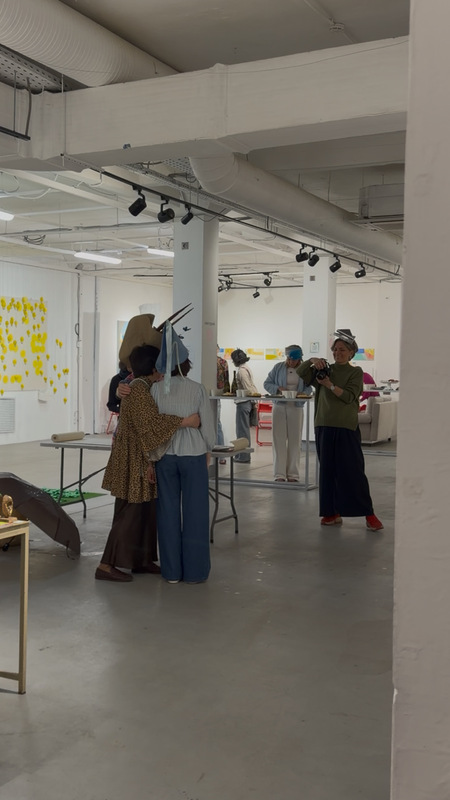
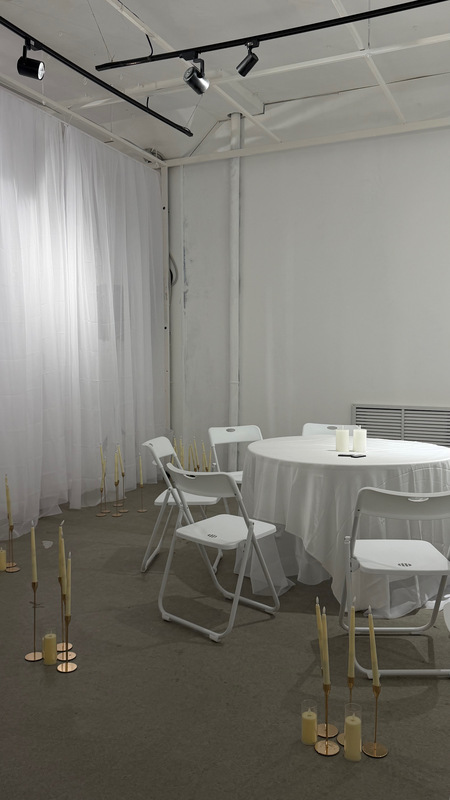
Discussions about art arose naturally here: people shared their impressions, asked questions, and debated what they saw. I realized how much the atmosphere of an exhibition space depends on the people who greet the visitors.
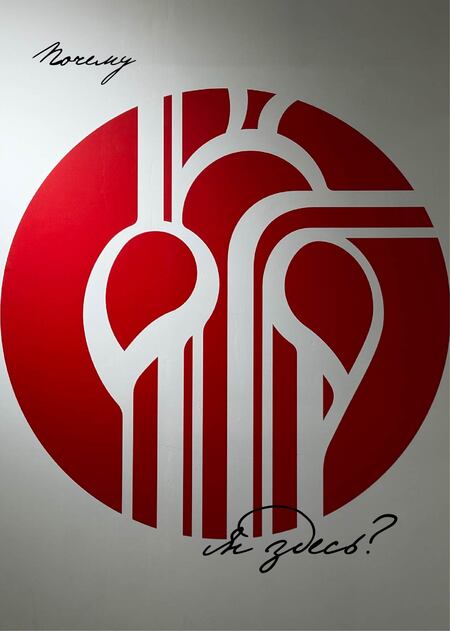
Как встречают тех, кто приходит посмотреть искусство?
What if things don’t go according to plan?
During the event, a contentious situation arose regarding one guest’s entry—the perception of who the event was open to had been misaligned.I spoke with the visitor, explained the situation, and tried to calm them down. However, the tension persisted, and the team, including the director who knew the guest, joined the conversation. The situation concluded with the assistance of the center’s staff.
This situation served as an important observation for me.
I realized that managing a cultural space involves many communication challenges. Guest attention begins even before their arrival—with clear agreements within the team.
A host should understand the visiting rules in advance and know whom to approach in case of a dispute. Even a small uncertainty at the entrance can affect the overall impression of the evening.
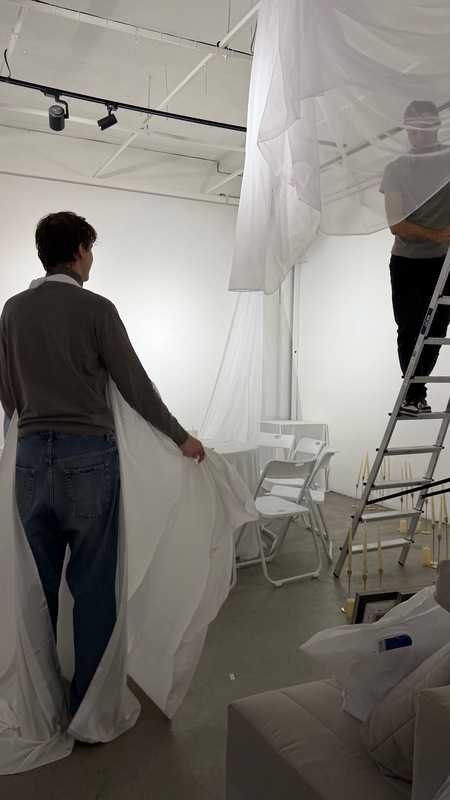
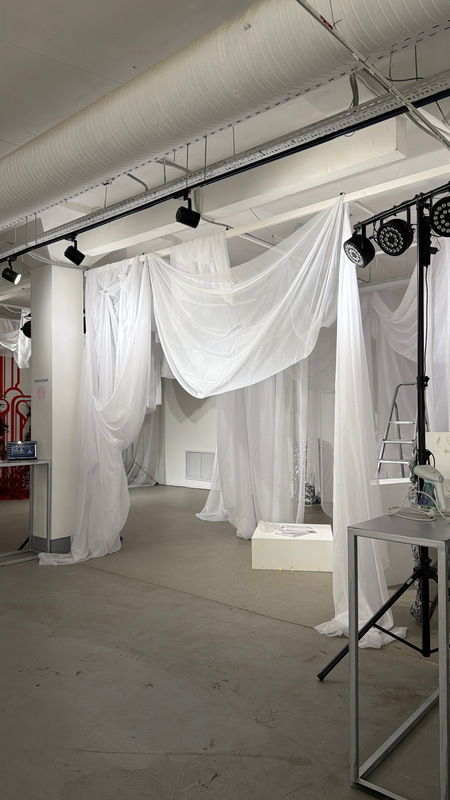
On May 28th, I participated in the deinstallation of an exhibition. This was another facet of the art center’s work—less visible to visitors, but essential for preparing subsequent projects.
The deinstallation required meticulousness, careful handling of the artworks, and teamwork.
Thus, over several shifts, I witnessed the different stages of an exhibition’s life: its encounter with the public, its conclusion, and its preparation for a new opening. I came to better understand the amount of effort and action required behind a finished gallery space.
Volunteering allowed me to get involved through specific projects. Even during my first shifts, I could be useful to the team while simultaneously observing how the life of the art center operates.
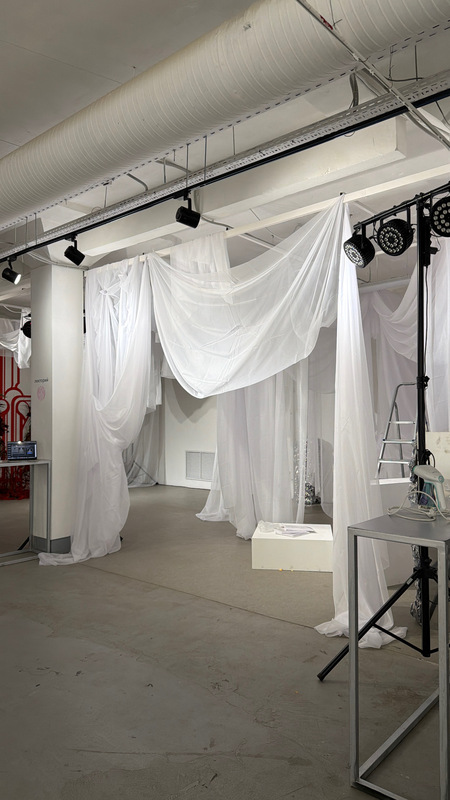
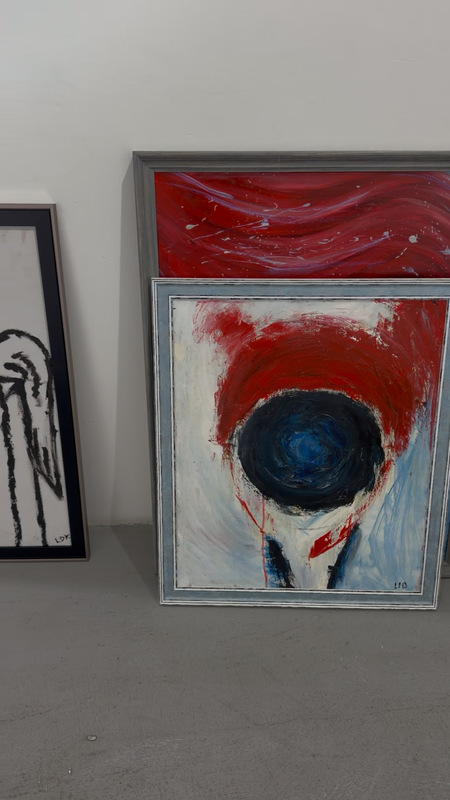
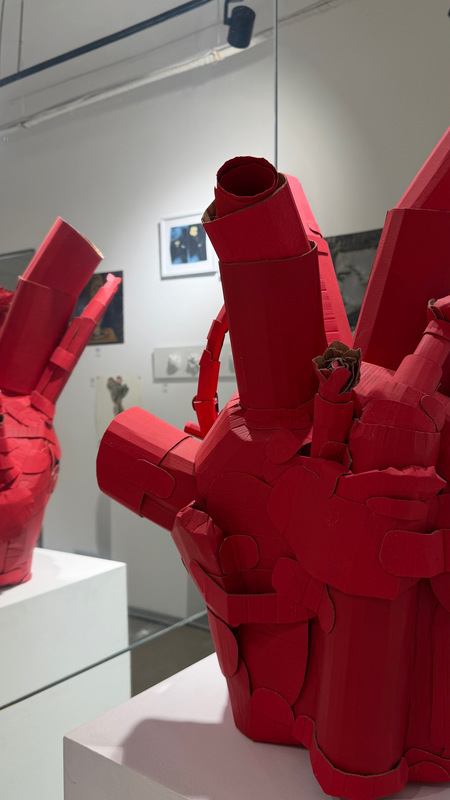
Then I helped prepare the space for a new exhibition: we were assembling one of the zones for the future display. I kept photos and videos of these processes.
The moment of labor when the space is still taking shape.
What else was in that trip?
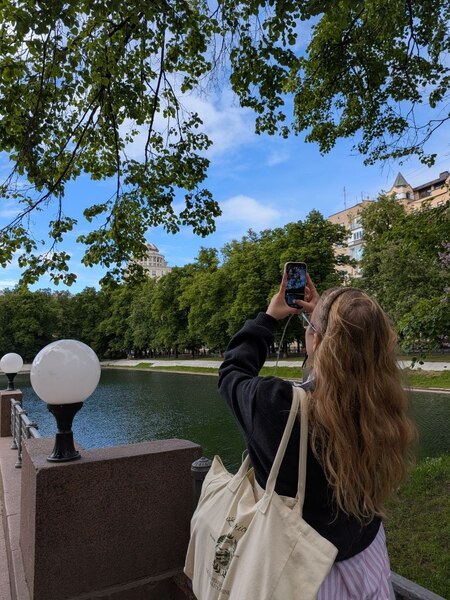
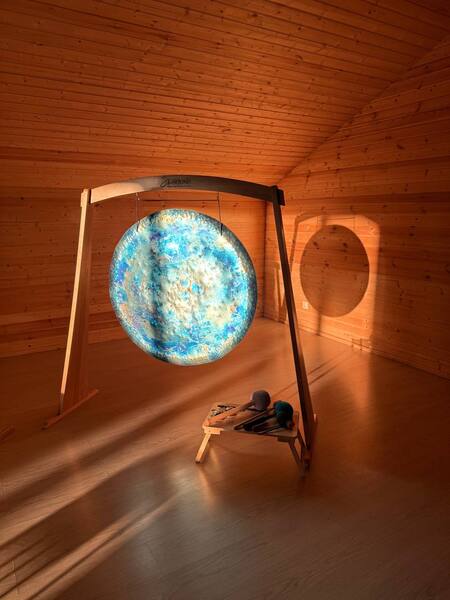
I combined volunteering with a retreat and an immersion into Indian religious and philosophical traditions, including the «Bhagavad Gita.» This was a separate part of the trip, outside the art center’s program. Together with walks through Moscow and my shifts volunteering, it made this period rich with new experiences and connections.
Coincidentally, for the assignment for this module, I am creating a zine about the Indian city of Vadnagar.
Before completing my bachelor’s degree and moving on to master’s studies, I was interested in trying various learning formats: through work, interaction, observation, and exposure to perspectives unfamiliar to me.