Technological Entrepreneurship is a project for students from entrepreneurial, IT, and engineering tracks offered by «School 21, ” the Department of Education and Science of Moscow, and the Institute for Development of Specialized Education at MGPU.More than a thousand students from 32 schools have joined.Students will learn to test hypotheses, build business models, and use IT and AI tools to create prototypes.
In this project, I am playing the role of a community manager, who directly connects mentors, coordinators, organizers, and students; I help ensure that the sessions take place under the right conditions and run successfully, and that all participants' scores are accounted for!
Project Mission and Objectives
Project Mission: To give 10th-grade students the opportunity to experience the full journey of technological entrepreneurship—from the initial hypothesis to defending their own project on Demo Day—and to help them believe in their capabilities.
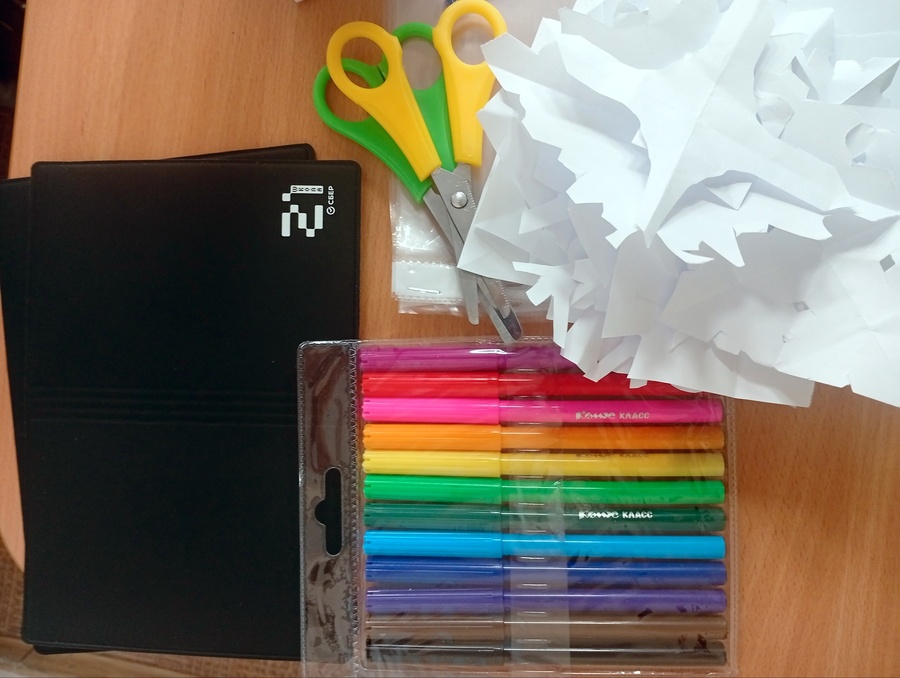
Project Goals: — to engage students in practical project work in the field of technological entrepreneurship; — to familiarize participants with the complete product creation cycle: problem identification, hypothesis testing, prototyping, model building, and result presentation; — to develop students' skills in teamwork, communication, task delegation, and shared accountability for the final outcome; — to provide teams with mentorship from industry practitioners and regular project feedback; — to organize in-person meetings at Moscow schools alongside online support; — to give participants access to an educational platform featuring assignments, resources, progress tracking, and team rankings; — to help strong projects pursue further development through external tracks and competitions.
My Personal Activities: Specific Actions, Responsibilities, and Decisions
My role as a community manager was not simply that of an «assistant, ” but rather a navigator for the group of students: I connected participants, mentors, and organizers so that the teams could focus on what mattered most—their projects.
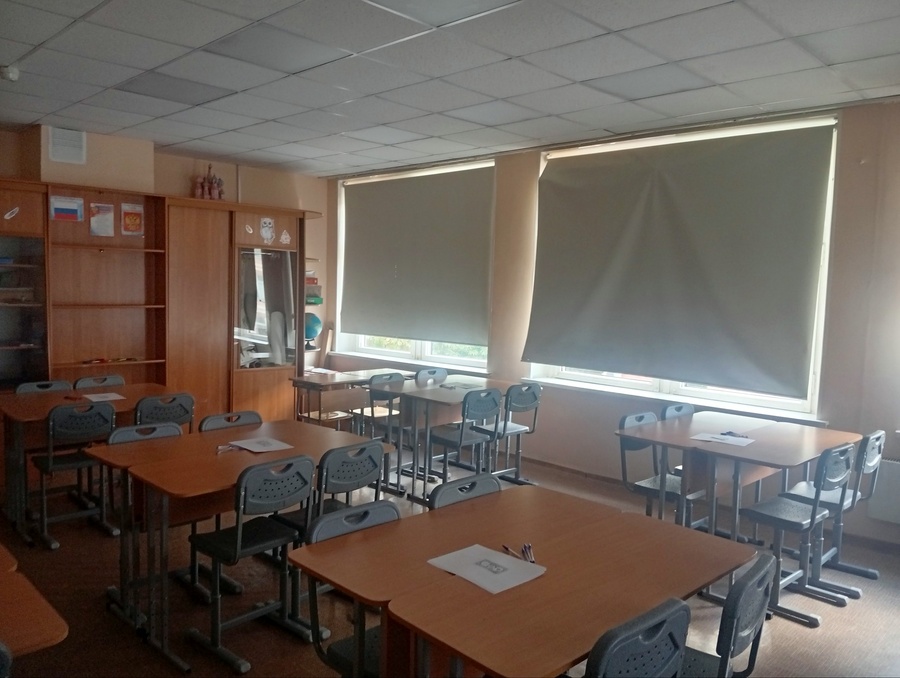
Programmatic support for the group. Every Saturday, I come to the venue and handle all the «operations»: I help the mentor structure the session, ensure no one is left behind, and resolve any issues—from a malfunctioning projector to tardiness. My goal is simple: to allow the mentor time for content delivery and the students time for creativity. As a result, a group of 30+ students completes the program without setbacks due to organizational minutiae.
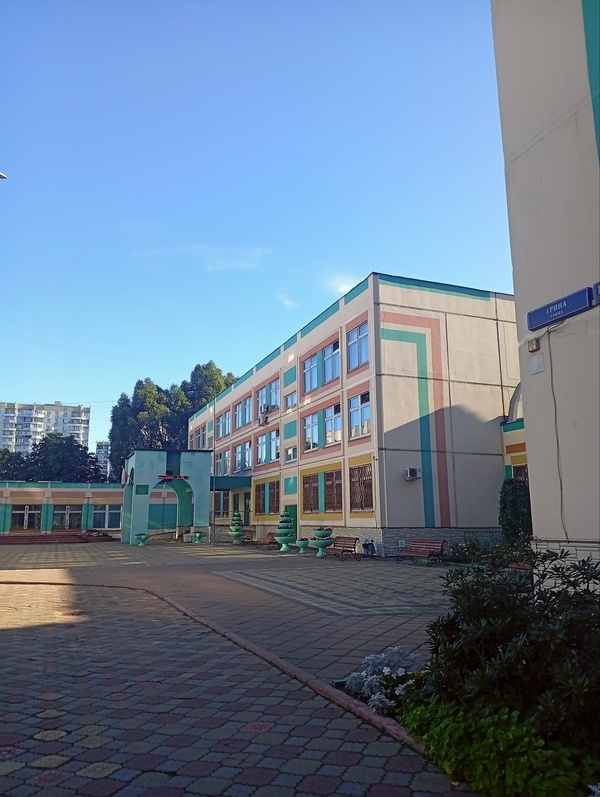
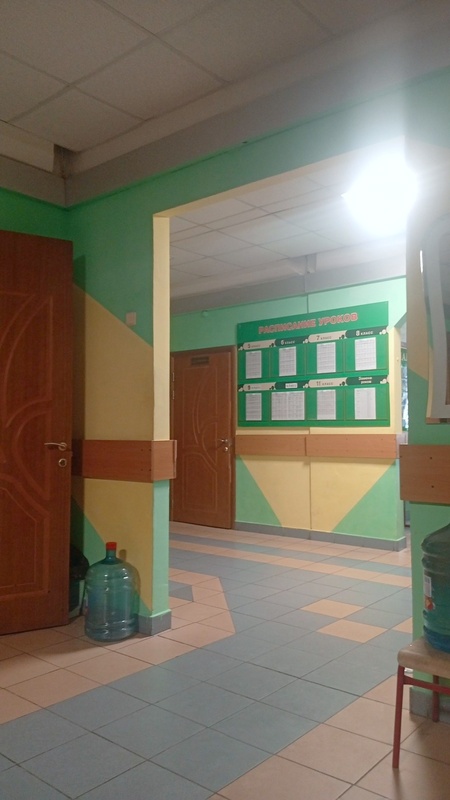
Managing the Participant Chat. I oversee the general chat for my school: I answer questions ranging from «what time does it start?» to «how do I upload a file?» I remind students about deadlines, help teams coordinate between meetings, and maintain communication with the mentor. The chat has become a safe space for the students—a place where they can get quick help without fear of looking foolish. This significantly reduced anxiety and increased engagement.
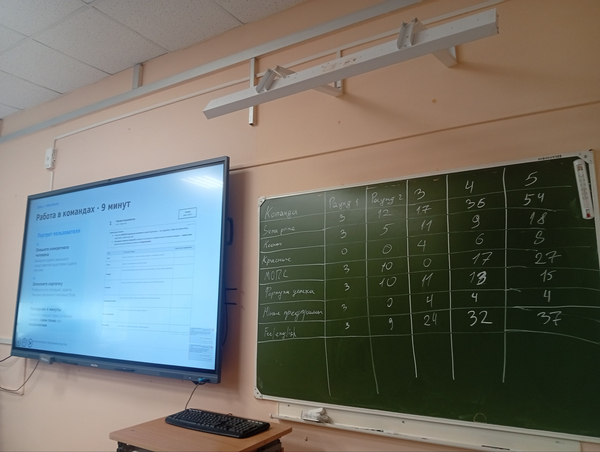
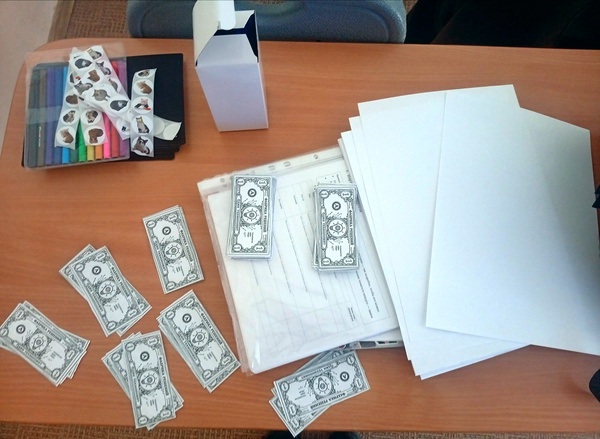
Grade Tracking I maintain an attendance log, track absences, and record points earned in class for project pitches or team games. It is important to me that no one falls out of the process—especially those who doubt their abilities at the beginning. This approach helps maintain a high level of engagement throughout the program.
Platform and Assignments I assist participants in mastering the educational platform: I explain how to navigate assignments, register, upload materials, and track progress. Concurrently, I grade the homework: checking for the required weekly artifact and completed case study, assigning points, and noting the work’s strengths.
Achieved Results and Assessment of My Work’s Significance
We have now crossed the equator of the project. Despite the program becoming more complex and the increasing workload at the school, we managed to organize cohesive work on the project, and in my school, attendance at the fourth session was the highest, which demonstrates engagement. The teams now have a developed idea and even a framework for the final product. Refinements, calculations, and preparation for the final presentation remain.
Assessing the Value of My Work: I became the crucial link between the students, mentors, and organizers. Without a community manager, mentors would have been forced to spend time on logistics, technical support, and organizational matters instead of focusing on the content. I took on the «operations» so the team could have the space for creativity and learning. For the participants, I fostered an atmosphere of support—they knew they could reach out with any organizational concern and receive assistance. This is especially vital for teens aged 15–17, who are just learning to work in a team and take responsibility for the overall outcome.