CONCEPT
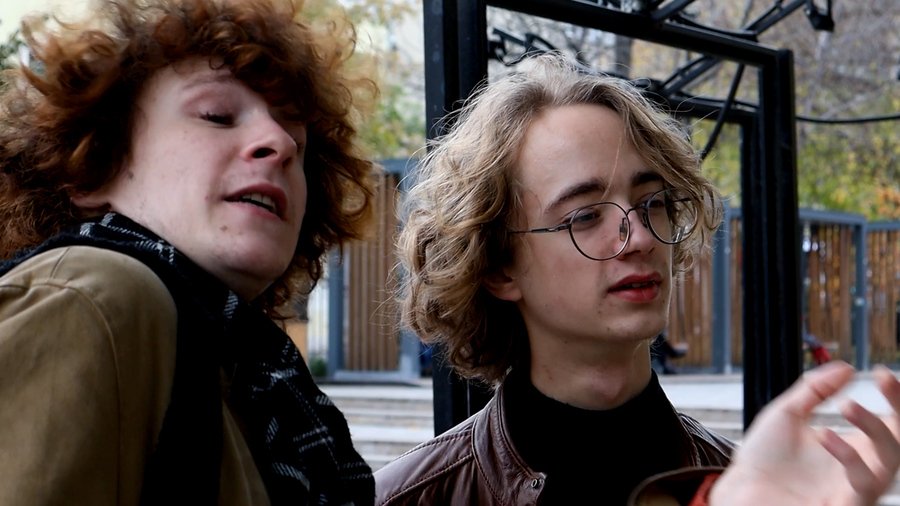
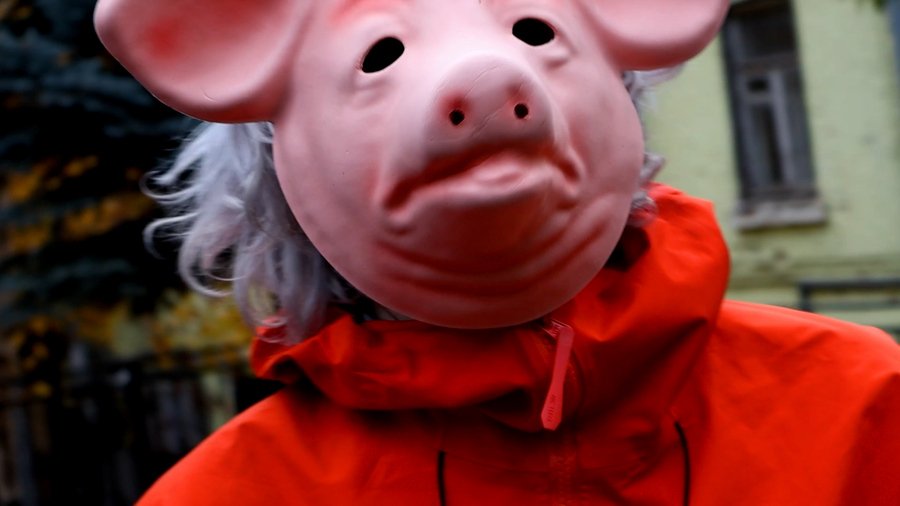
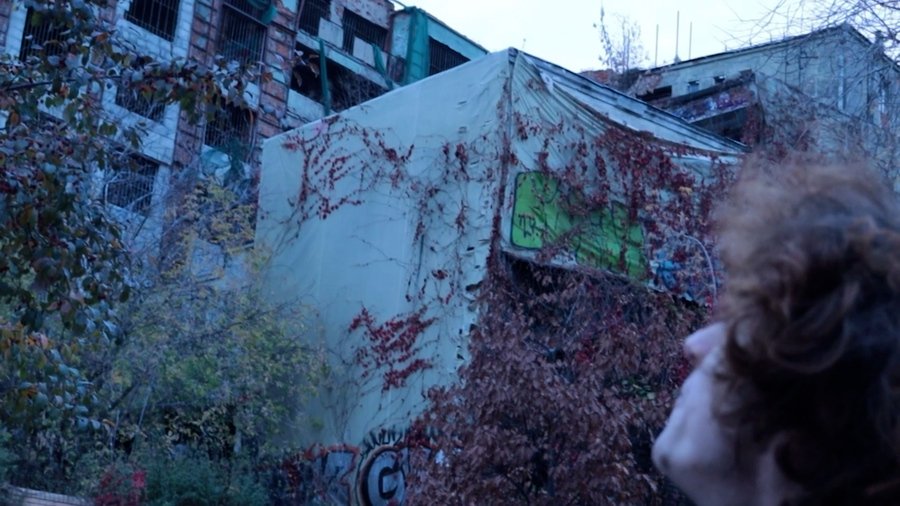
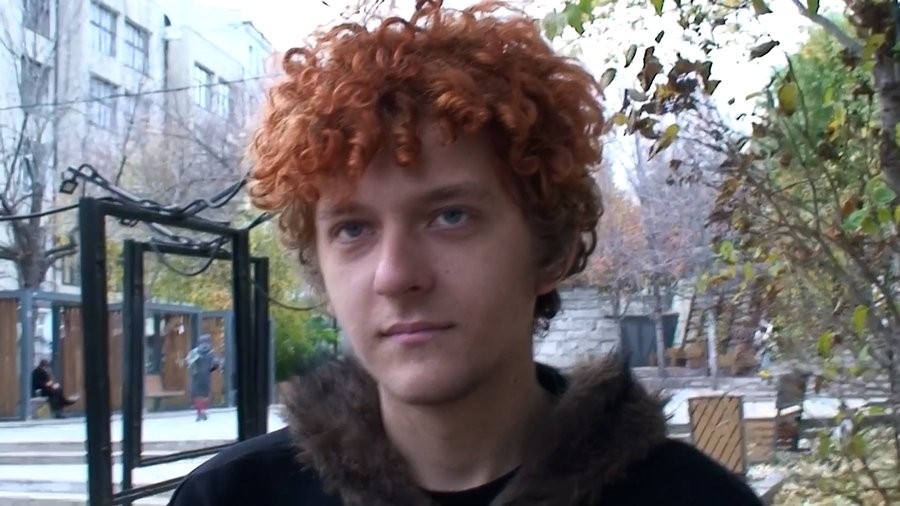
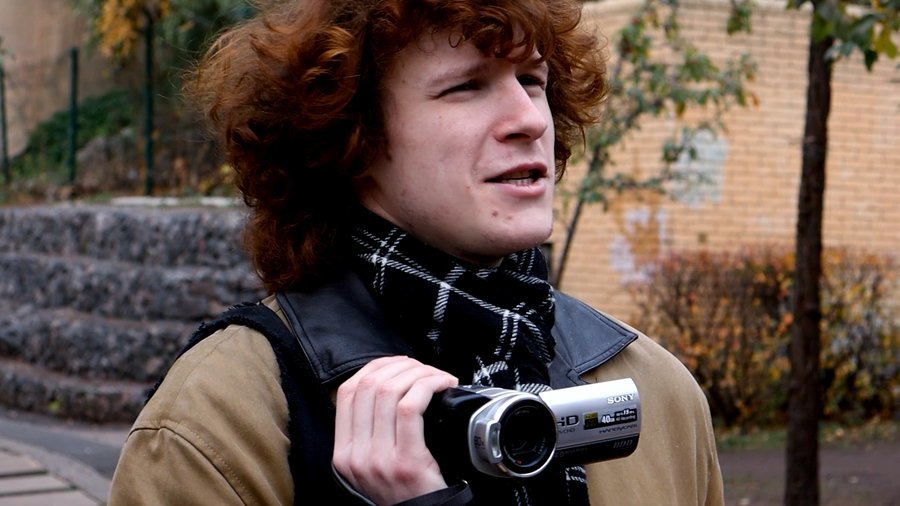
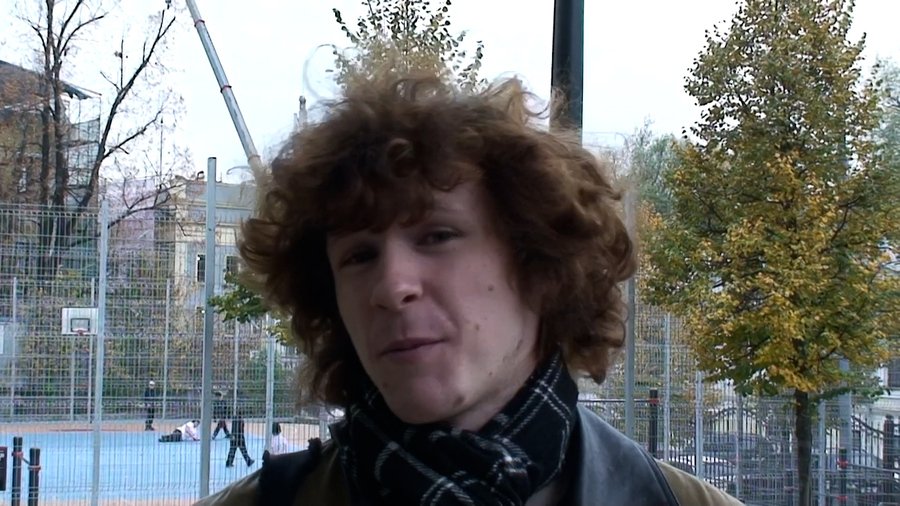
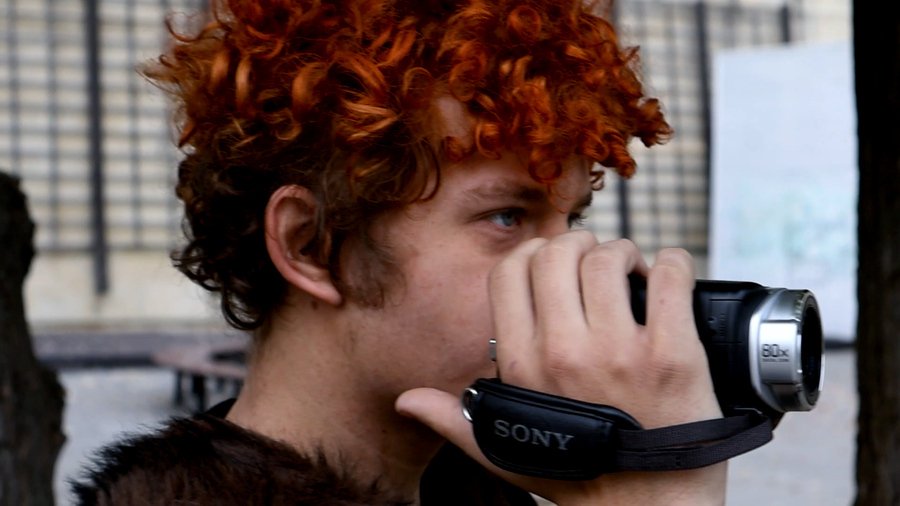
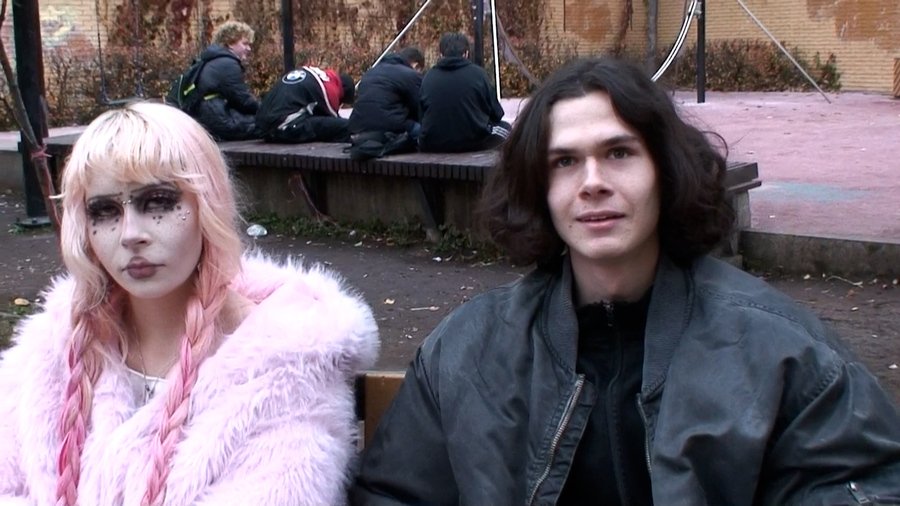
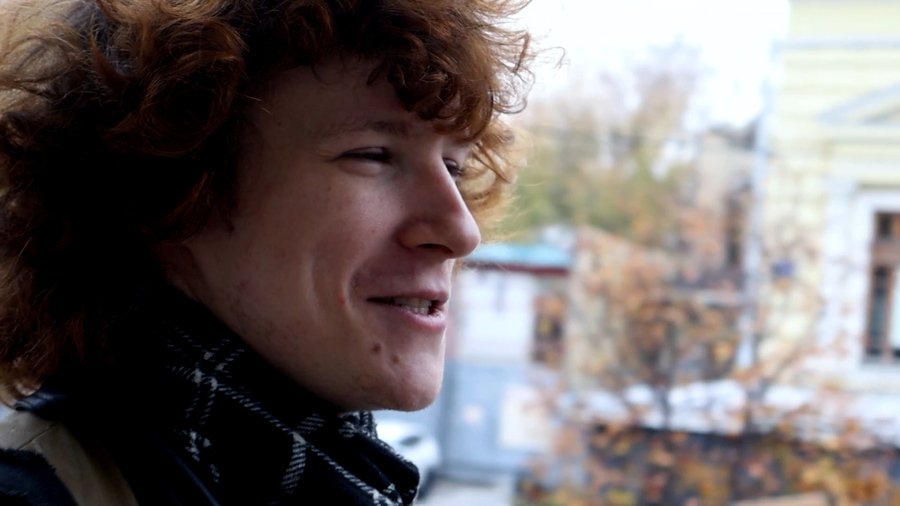
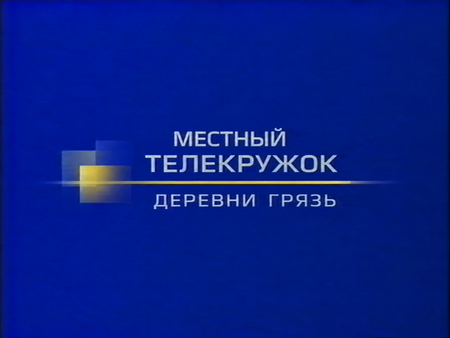
The work is based on a fictional legend about the village of Gryaz, where life is dire for its inhabitants. A reporter travels to Moscow to cover the problems of his home town for local media. As he encounters passersby, he tells them this story and offers to interview them, handing them the camera. The person, who initially serves as a casual conversationalist, simultaneously becomes the interviewer, the cameraman, and the subject of the interview.
Thus, the work investigates not so much the camera’s action as a gesture that breaks the familiar distance between the shooter and the subject, as it does the very possibility of expression that arises from changing a person’s position within the medium. Sometimes the transformation occurs even before the conversation begins: the person who initially refused to speak with a stranger ends up in the position of someone who is asking the questions and guiding the discussion. In this process, the reporter gradually shifts focus from their own narrative to the interviewee, and by filming them, the interviewee begins, perhaps without realizing it, to answer questions that were never originally posed to them.
In this situation, authorship gradually dissolves: the stable distinction between the interviewer, the cameraman, and the interviewee vanishes. However, the work does not aim to demonstrate the collapse of the medium or expose its conventions. On the contrary, it reproduces the medium of reportage, maintaining its form, but placing the participants in circumstances where the conventional distribution of roles no longer functions unambiguously. The result of this process remains on screen—a reportage in which authorship and the possibility of speaking constantly shift from one person to another.
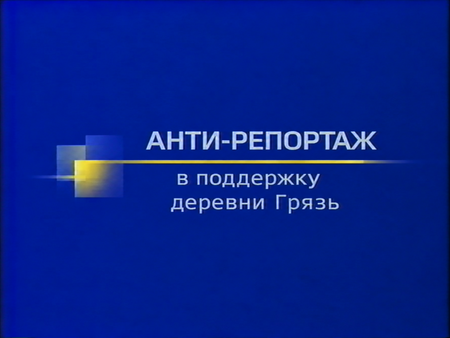
«Anti-Reportage in Support of Gryaz Village» attempts to explore how the medium not only captures human expression but also determines the conditions under which that expression is even possible.
Artistic and Theoretical References:
Jean Rhys — «Chronicle of a Summer» (1961)
Dziga Vertov — «Man with a Movie Camera» (1929)
Farhud Khurmi — «Videograms of Revolution» (1992)
Michel Foucault — Power, Subject, and Discourse
Jacques Rancière — The Politics of Speech
Marshall McLuhan — Understanding Media: Extensions of Man
STAFF