Braun SK 4 — a legendary tube radio receiver with a vinyl turntable
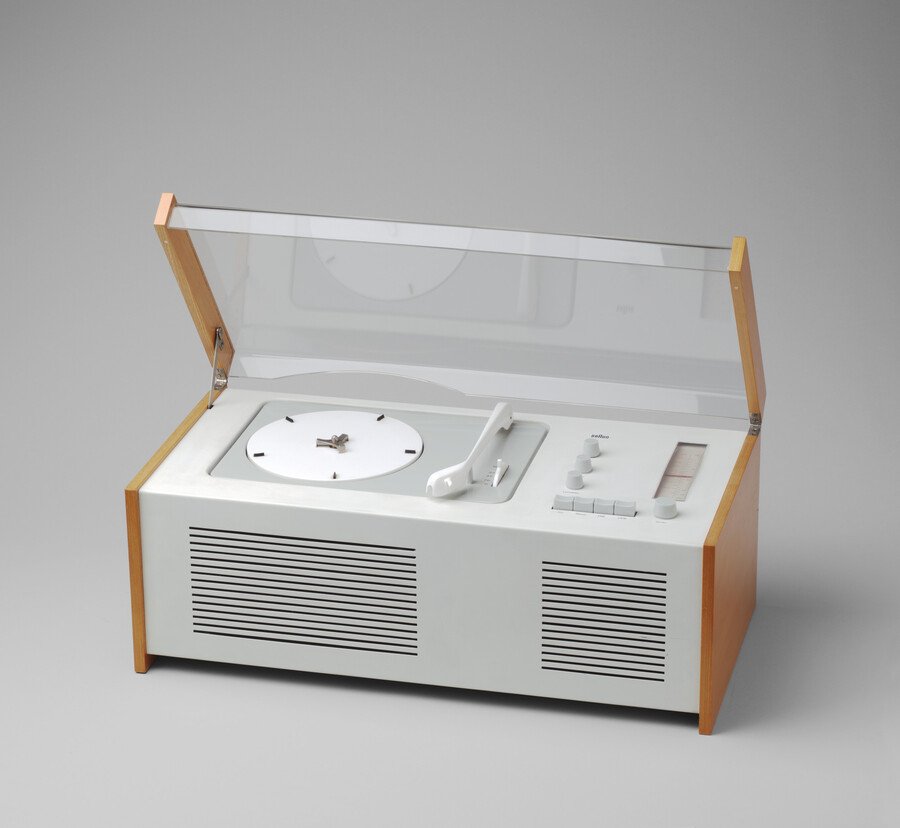
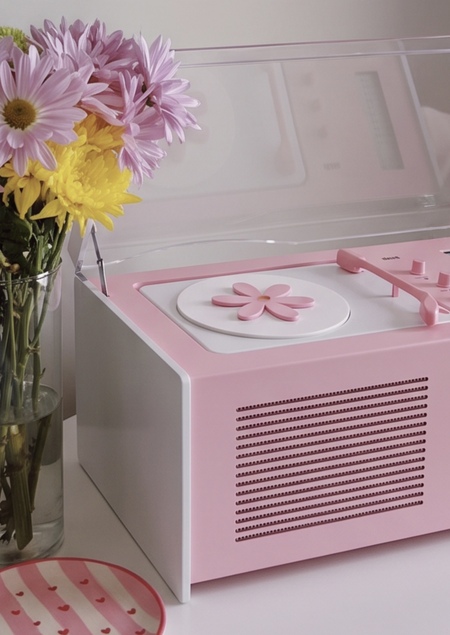
The Braun SK4, also known as Phonosuper, combines a radio receiver and a record player into one tabletop unit. Its main visual features include white painted metal, wooden sides, and a transparent lid.The combination of the white casing and the clear lid earned the device the nickname «Snow White’s Coffin.» Today, the SK4 is regarded as one of the items that transformed the look of home audio equipment.

History of Creation
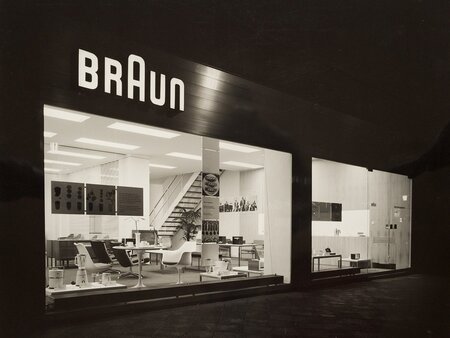
Following the death of company founder Max Braun in 1951, leadership passed to his sons, Arthur and Erwin. They began modernizing the look of the products and hiring design specialists.Collaboration with the Ulm School of Design played a crucial role, including partnerships with Hans Gugelot and Otl Aicher. SK4, which Gugelot developed alongside Dieter Rams, became one of the early examples of Braun’s new approach.
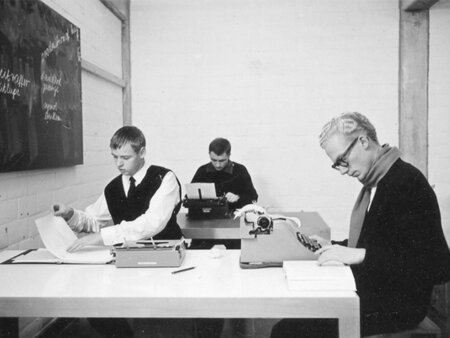
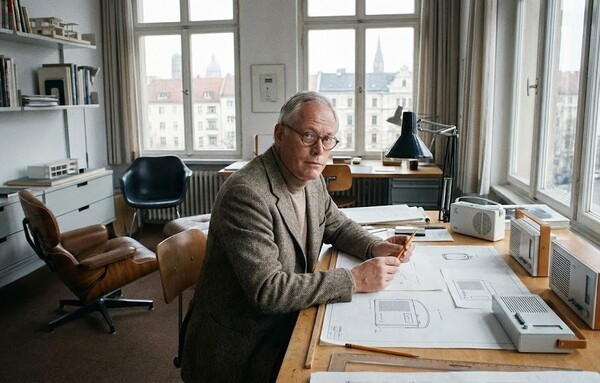
The Braun Philosophy in the 1950s
Braun’s design philosophy can be characterized as a commitment to making household appliances intuitive, functional, and visually serene. The exterior design must facilitate the user’s interaction with the object while remaining true to its intended purpose. In SK4, this approach is manifested through simple geometry, accessible controls, and the omission of superfluous decorative details. The appliance presents itself as a technical object capable of existing naturally within a living space.
Braun DNA
The DNA of Braun during the SK4 period is built upon functionality, clarity, and visual order. The object is not disguised as decorative furniture; its appearance helps convey its purpose and intended use.
01 GEOMETRY
02 COMPOSITION
03 GRAPHICS
04 MATERIALS AND COLOR
Market and Competitors
Braun Then and Now
Modern Braun continues to link good design with human benefit. Product categories and technologies evolve, but simplicity, usability, and longevity remain the stated benchmarks.
What has changed in the appearance of home audio technology
01 Occupied more space →
tabletop placement
02 Hid the player →
revealed the workspace
03 Divided interaction zones →
consolidated control from above
04 Was more dependent on furniture style →
integrated more easily with modern interiors
The user needs a way to listen to the radio and favorite records at home. When making a selection, factors beyond audio playback are important—namely, the device’s physical placement, ease of control, and its aesthetic integration into the interior design.
01 Functional Goal
→listening to radio and vinyl records with a single device
02 Emotional Goal
→enjoying music and feeling confident when operating the equipment
03 Social Goal
→selecting a product that reflects an interest in contemporary lifestyle and design
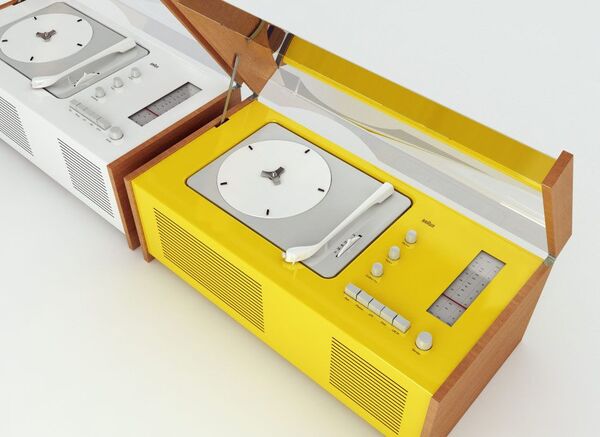
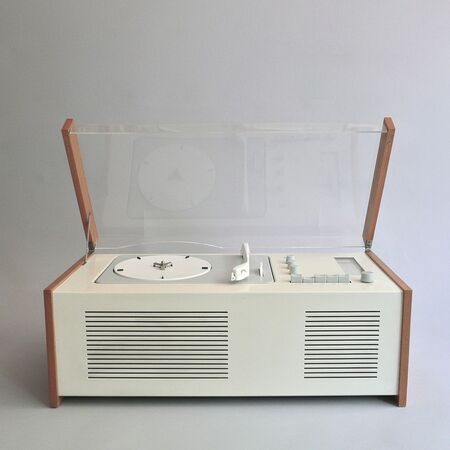
The user might have encountered the SK4 through advertising, a catalog, or a store demonstration. Against the backdrop of familiar wooden radios, its light casing and transparent lid looked unusual: the device openly displayed the turntable and was perceived as modern technology.The SK4 was placed on a table or dresser, turning it into a permanent spot for home listening. The radio allowed users to tune into broadcasts and music throughout the day, while the records enabled them to choose what to listen to independently.
Why does the building look like this?
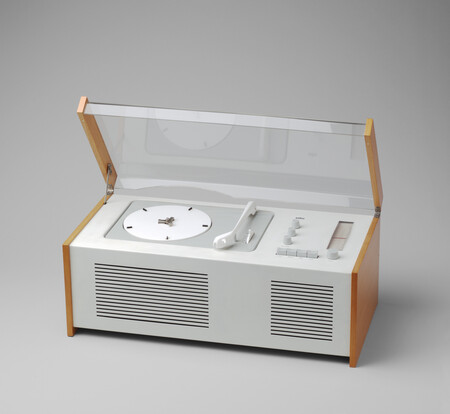
The horizontal form of SK4 relates to the placement of the turntable, radio receiver, speaker, and electronic components. A working surface is required on top for the record and tonearm movement.Wooden side panels frame the metal chassis, and the cutouts create a regular rhythm on the surface. Their placement should be considered alongside the internal layout: the holes may serve an acoustic or ventilation function.
In this form, geometry, structure, and visual order work in tandem.
Materials and Production