Navigation
Concept I Where Did the Dream Come From? From Narratives to Comics and Animation II «Pet»: Domestic Tenderness III «Flying House»: The Logic of Dreams IV «Insect Farce»: Dream as Performance V Terrifyingly Funny: When the Familiar Goes Too Far VI Culmination and Awakening Conclusion
Concept

Dream is a space where the familiar can take unexpected forms, and routine events transition into the fantastic. In a dream, the mundane coexists with the incredible, and the same situation can feel simultaneously humorous, strange, and unsettling. I am interested in how animation can portray the inherent absurdity of dreaming: by creating unusual imagery, connecting familiar elements in unexpected ways, and depicting events impossible in reality. In my research, I aim to examine how Winzor McKay addressed the theme of dreams and what visual devices he employed to manifest dreams on screen.
Why is Mackey’s sleep special?
«Sleep is no joke. It is a state of consciousness experienced by a sleeping person—a state that, were it to exist while awake, would send them to a psychiatric clinic. Even the most decent person, falling asleep innocently, experiences an event that feels both imagined and utterly real, after which they wake up—perhaps weeping; perhaps screaming or laughing at some episode of their dream.»
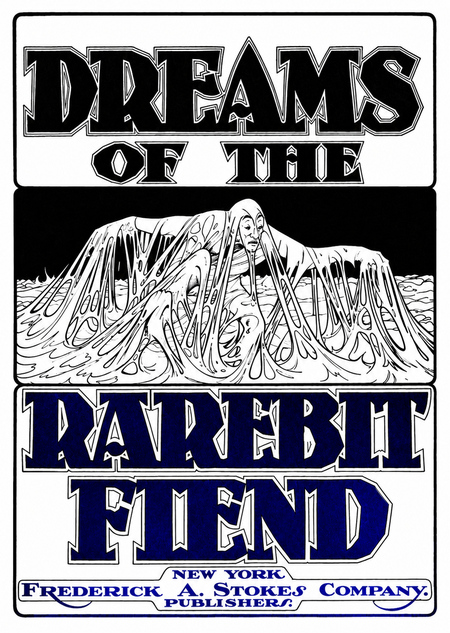
McCay’s portrayal of dreams is distinctive. In his newspaper series «Dream of the Rarebit Fiend,» which he began in 1904, the visions do not appear to a fairy-tale hero, but to an ordinary adult who has eaten a hearty dinner before bed. The nightmare here grows out of the mundane—from the home, family, food, and habits. The series itself originated from a sketch of a smoker who found himself at the North Pole: the story concluded by revealing that it had all been a dream, prompting the editor to suggest making this device a regular feature. The dream became a way to push an ordinary situation to its extreme and then immediately negate it through awakening.
In 1921, McKaye adapted this idea into animation, releasing three short films as part of a series. I am interested in what happens to sleep when it begins to move: how an everyday situation transforms step by step into something incredible, and why the viewer simultaneously finds it funny and unsettling.
Research Question: How does Windsor MacKay construct narratives about dreams in the «Dream of the Rarebit Fiend» cartoons, and how does he weave together the humorous, the strange, and the unsettling within them?
My hypothesis is that the dream in McKee develops as a gradual escalation. The story begins with a recognizable, everyday situation; then, an unusual detail emerges within it, which swells into a catastrophe, and only awakening restores everything to normal. The humorous and the anxious arise not sequentially, but from a single source—the familiar pushing too far. I suspect this ratio differs across the three films, and I want to test this using this material.
Structure
The structure of this work moves from context to the films and finally to a comparative analysis. In the first chapter, I discuss how the theme of sleep emerged in Mickey’s comics. The next three chapters are dedicated to three cartoons: I analyze each one separately to avoid losing the distinctions between them. Subsequently, I compare the films based on two questions: how humor and anxiety intertwine within them, and how the sleep sequences conclude. This order allows for a detailed examination of each story before observing their commonalities.
Sources
The primary source of this research is the cartoons themselves, which I analyze frame-by-frame. I selected textual sources based on two criteria: they either concern Mickey or the series «Dream of the Rarebit Fiend,» and they were written by animation and comics scholars. These sources include Donald Crafton’s book, Before Mickey, which contains a chapter on Mickey’s films; Ruth Meyer’s article on the series and its transition from comics to film; and materials from the Library of Congress regarding the artist’s comics. These texts are necessary for me to fact-check and align the researchers' conclusions with what I observe on screen.
I. Where Did the Dream Come From? From Tales to Comics and Animation
According to McKay himself, his interest in dream narratives sparked from stories shared by friends. They would recount the unusual dreams they experienced after falling asleep. These accounts suggested to the artist an opportunity to create a series dedicated to strange nocturnal experiences. Later, McKay invited newspaper readers to share their dreams with him. As he wrote in a 1905 article, people sent letters containing unusual stories and ideas that could serve as material for new comics.
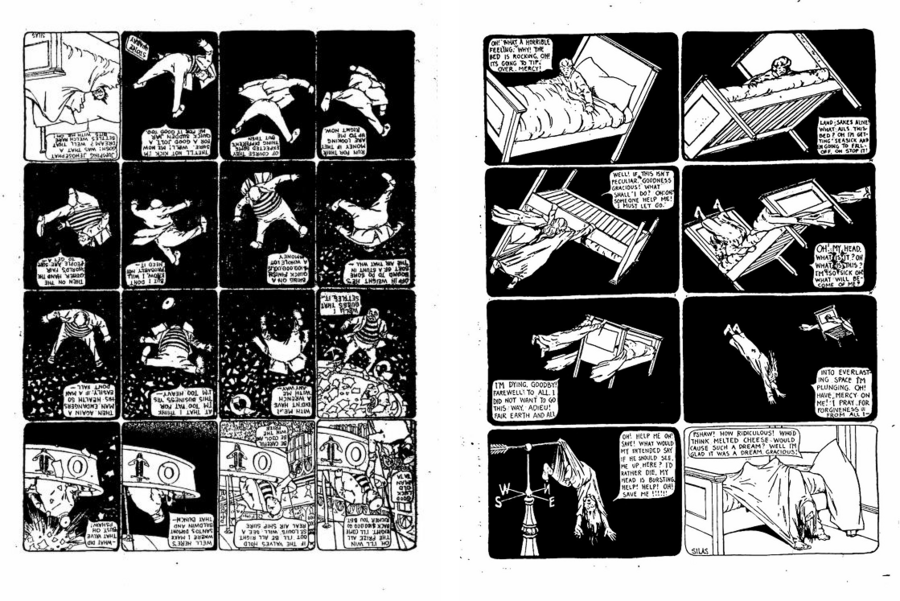
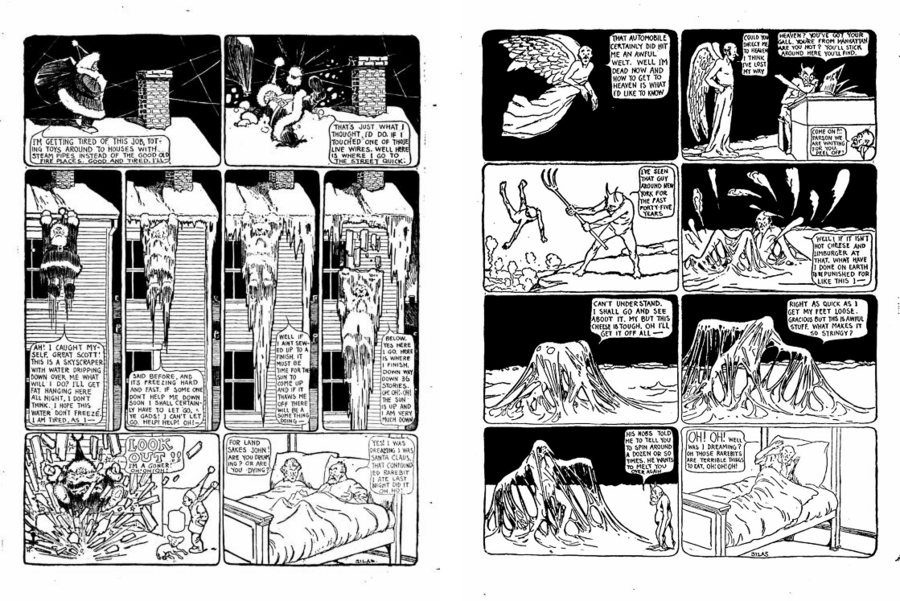
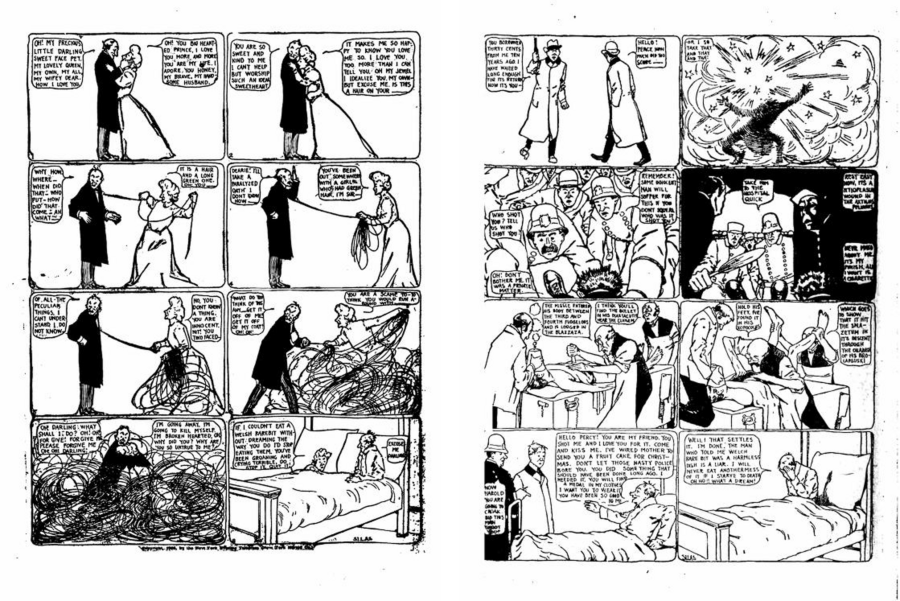
Before dreams appeared in Wensborough Mackey’s cartoons, he incorporated them into his newspaper strips. One of his most famous series was Dream of the Rarebit Fiend.
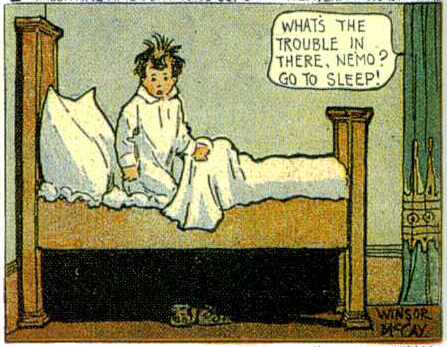
It is impossible not to mention the most famous comic strip series, Little Nemo in Slumberland. Both series addressed the theme of dreams, but they did so differently. In Dream of the Rarebit Fiend, the characters often encountered anxious and absurd situations. Little Nemo focused more on the journey and the impression of the unusual world, although frightening moments could also appear in the boy’s adventures.
Comparing these comics shows that the descent into sleep is the starting point of the narrative. It also allows the artist to create fantastical spaces, invent unusual creatures, and transform familiar objects.
cuckoo
cuckucukuku