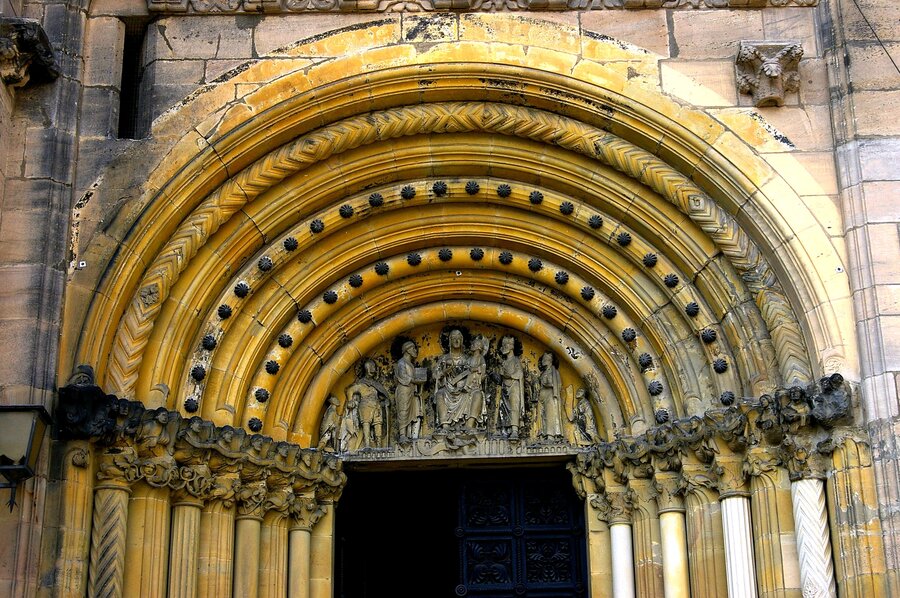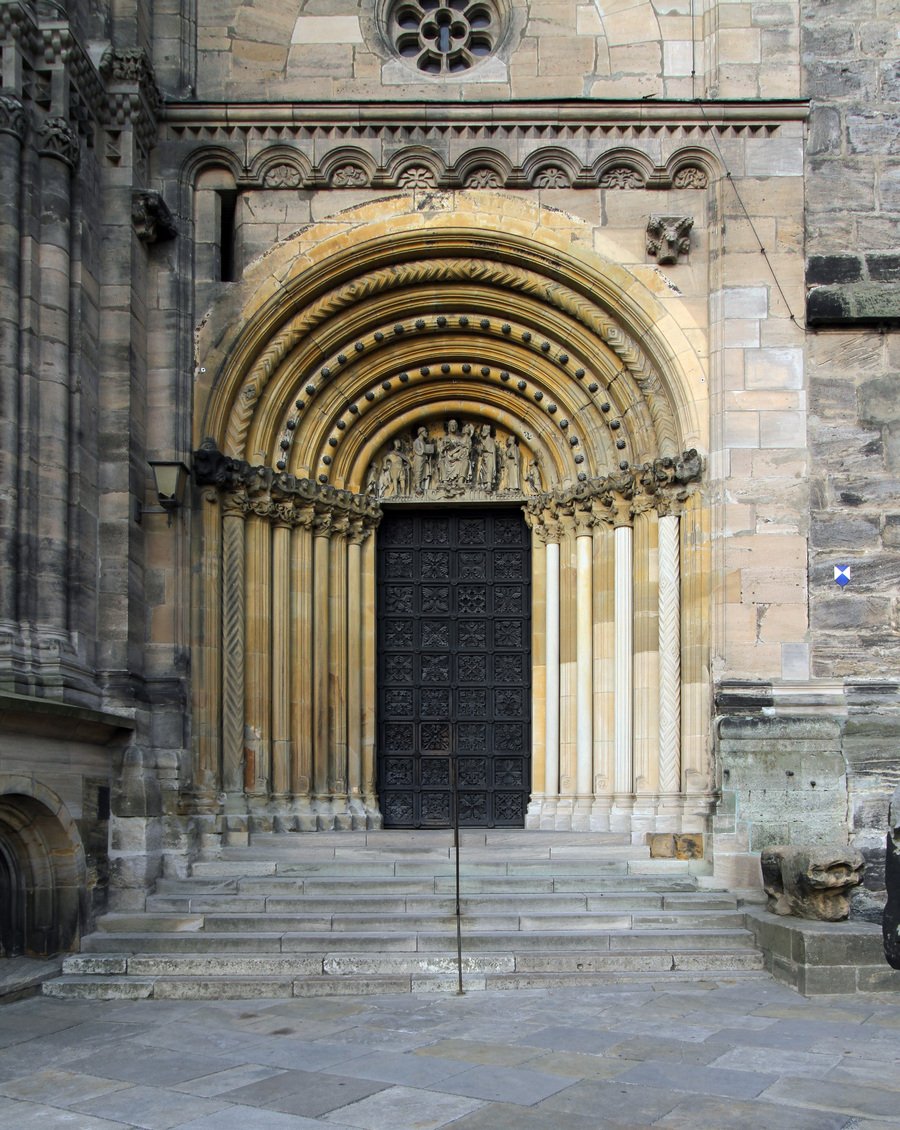
Два образа входа: почитание Богоматери в Бамберге и апостольское предание в Кёльне.

Сравнительный анализ тимпанов Мариенпорте Бамбергского собора и портала св. Петра Кёльнского собора.

CONCEPT

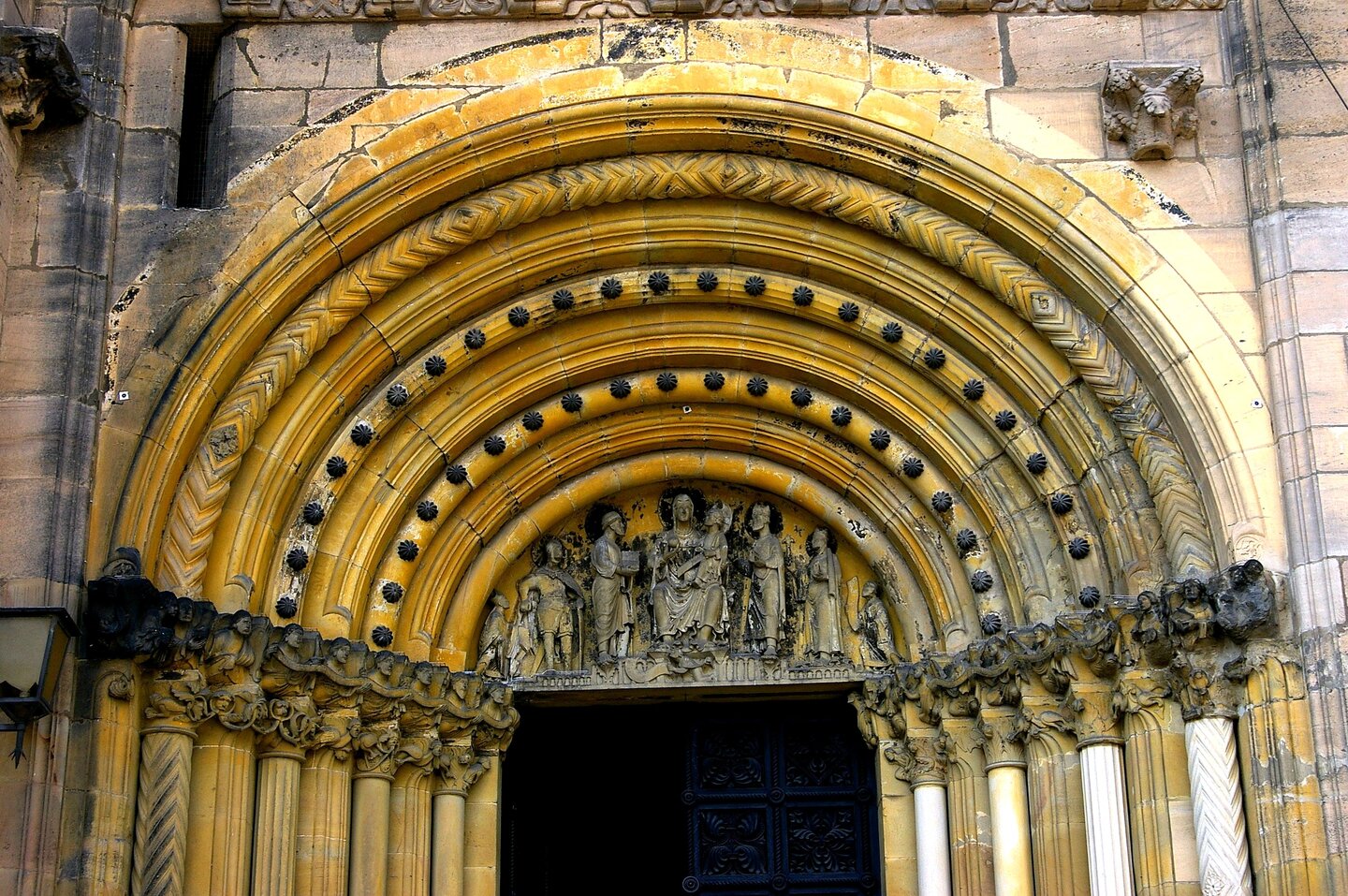
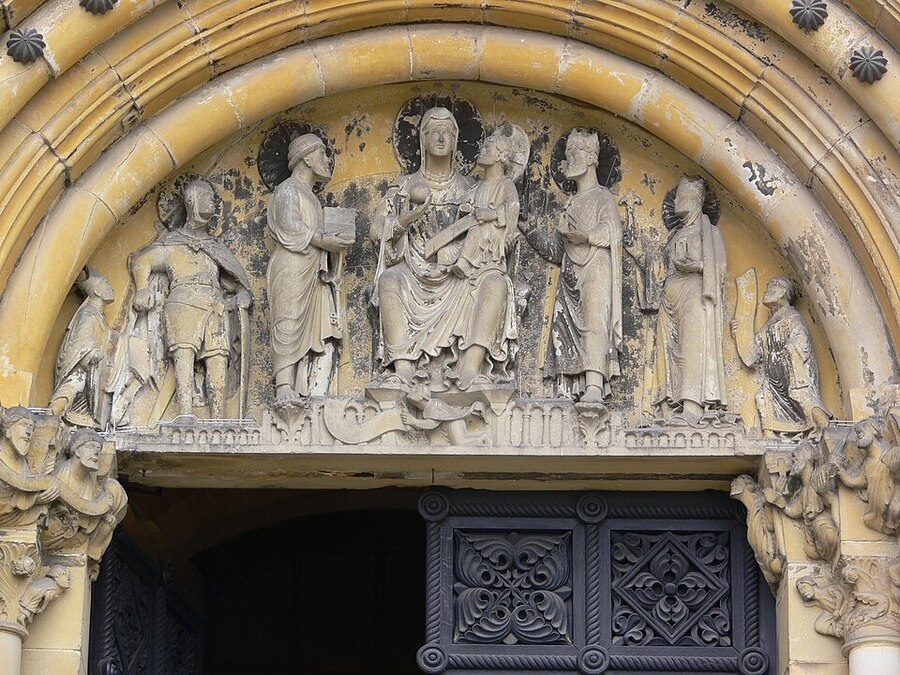
This study focuses on two medieval sculptural tympana in Germany: the Marian Port tympanum of the Bamberg Cathedral and the tympanum of the St. Peter Portal of the Cologne Cathedral. This theme was chosen because these works allow for a comparison of two different approaches to organizing imagery above a church entrance. The Bamberg tympanum presents a composition dedicated to the veneration of the Virgin Mary and Child, along with accompanying figures. The Cologne tympanum, conversely, is structured as a narrative connected to the legend of the apostles Peter and Paul. This difference enables an investigation not merely into iconographic subjects, but into how composition, scale, and the placement of figures generate visual meaning.

A comparative analysis of the tympana of Marienporth in Bamberg Cathedral and the portal of St. Peter in Cologne Cathedral.
0
1/3

Tympanum of the Marienkirche, Bamberg Cathedral, 13th century—specific date depends on the selected scholarly source.
Два образа входа: почитание Богоматери в Бамберге и апостольское предание в Кёльне.
Project created at 16.11.2026
Visual Evolution of the Tree of Knowledge in Medieval Art (4th–14th Centuries): From Symbol to Icon
0
Визуальная эволюция Древа Познания в искусстве Средневековья (IV–XIV вв.): от знака к образу
Diana Tsvinariya
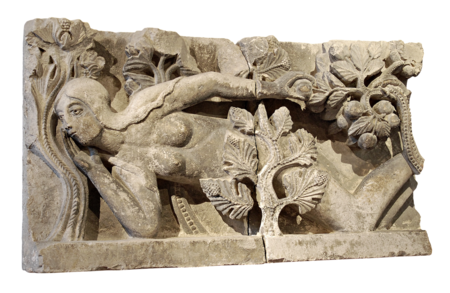
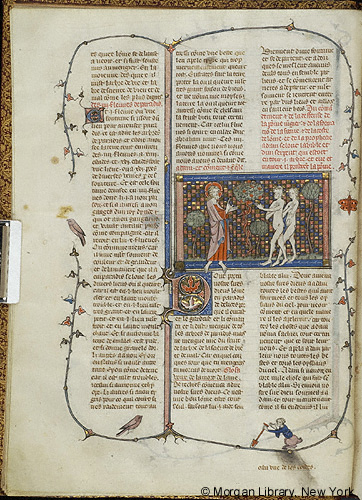
Визуальное исследование посвящено эволюции изображения Древа Познания в западноевропейском искусстве IV–XIV веков. Цель работы — проследить, как абстрактный богословский символ постепенно превращался в детализированный образ, а затем — в пространственный элемент композиции. В работе проанализированы ключевые памятники: раннехристианский саркофаг Юния Басса, византийские мозаики Сицилии (Монреаль, Палермо), готические книжные миниатюры и фрески Джотто и Амброджо Лоренцетти. Исследование демонстрирует, что перелом в изображении Древа происходит в XIV веке под влиянием Проторенессанса: природные элементы перестают быть «плоскими знаками» и начинают работать как инструменты передачи глубины, света и нарратива.
We use cookies to improve the operation of the HSE website and to enhance its usability. More detailed information on the use of cookies can be fou...
Show more