Introduction
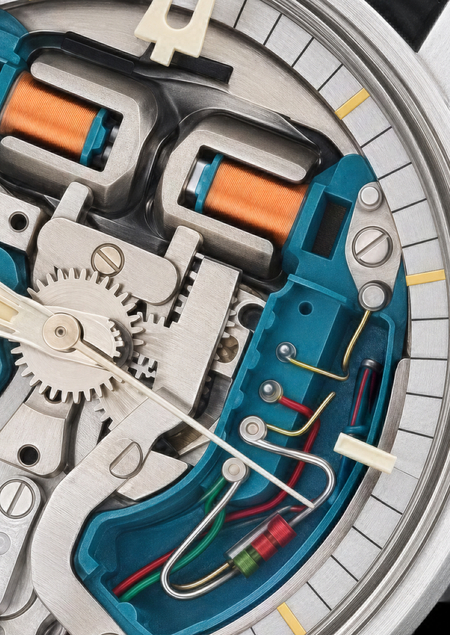
For a long time, the device of an object was purely utilitarian—it was made so that the object would function. Then, the screw, the hinge, the spring, and the row of gears began to convey something—the face of the object. This study traces how visible construction transforms from a functional necessity into an integral part of the object’s image—a carrier of meaning: craftsmanship, progress, technological sophistication, and authenticity.
Hypothesis
Open construction becomes an expressive device when the technical mechanism of an object is perceived not only as a functional necessity but also as a mark of engineering mastery, technological progress, or authenticity.
Open construction often signals technical skill or progress, but on its own, it does not help the user understand the object’s principle of operation.