Visual culture constantly produces appealing images of objects that are described as harmful or forbidden in other modes of knowledge. Smoking is a paradigmatic case of this mechanism: it has cycled completely from a status norm through modernist aestheticization to stigmatization and nostalgic irony. Even though the harm of smoking is scientifically proven, its depiction continues to make it appealing. The relevance of this research stems from the need to understand precisely how visual media—from painting to digital platforms—construct the allure of tobacco, and why regulation does not eradicate its aestheticization, but merely forces it to migrate.
Research Question: How does culture utilize visual means to construct the allure of objects it simultaneously deems harmful, and how do these means shift when moving between different media?
Hypothesis: The aestheticization of smoking does not vanish under the pressure of knowledge regarding its dangers; rather, it migrates across media: from painting (establishing a visual vocabulary) to advertising (transforming a gesture into a commodity), then to cinema (identification and normalization), magazines (the mythology of lifestyle), and digital media (intimacy and circumvention of regulation). The core mechanism remains unchanged: the image links the product to a perceived value—be it freedom, status, or identity—and subsequently renders that link invisible.
Object of Study: Visual representations of smoking in 20th and 21st-century culture.
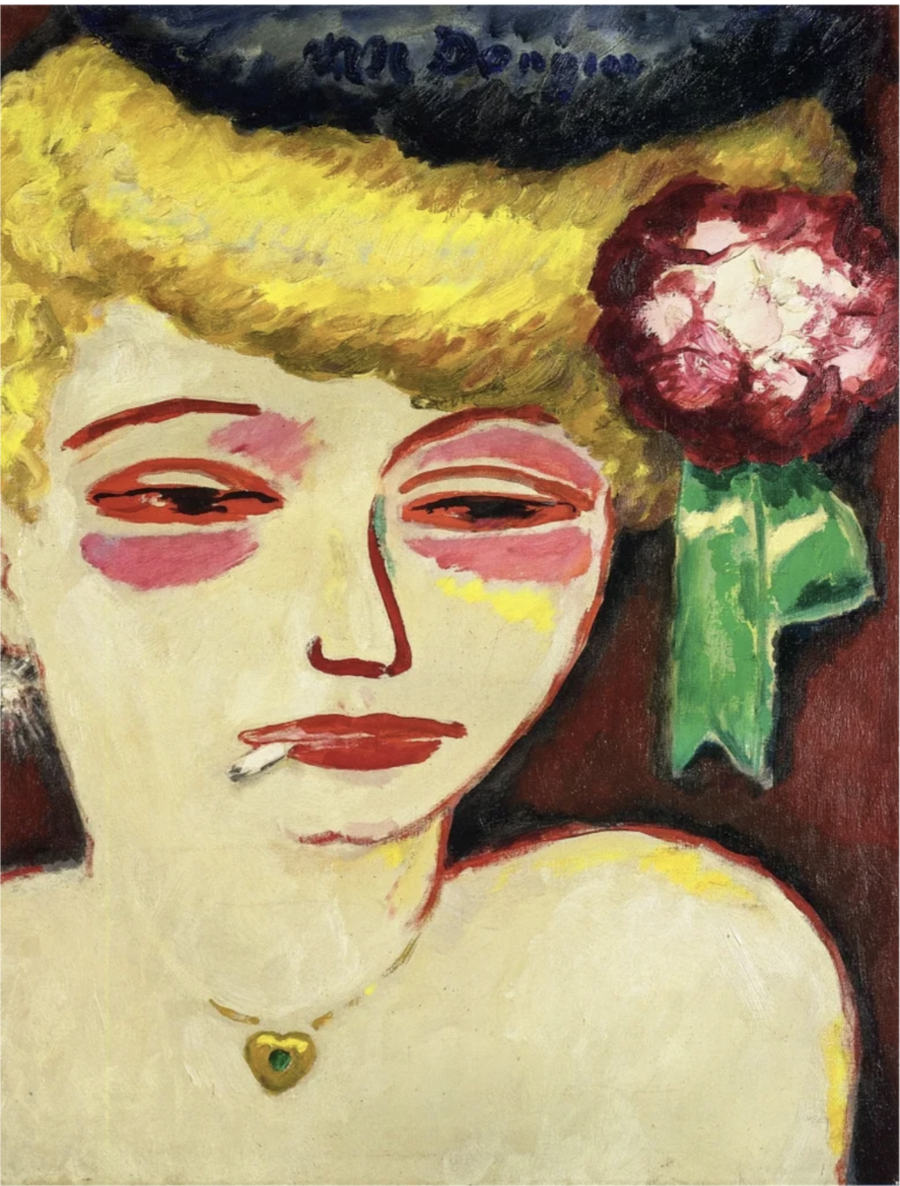
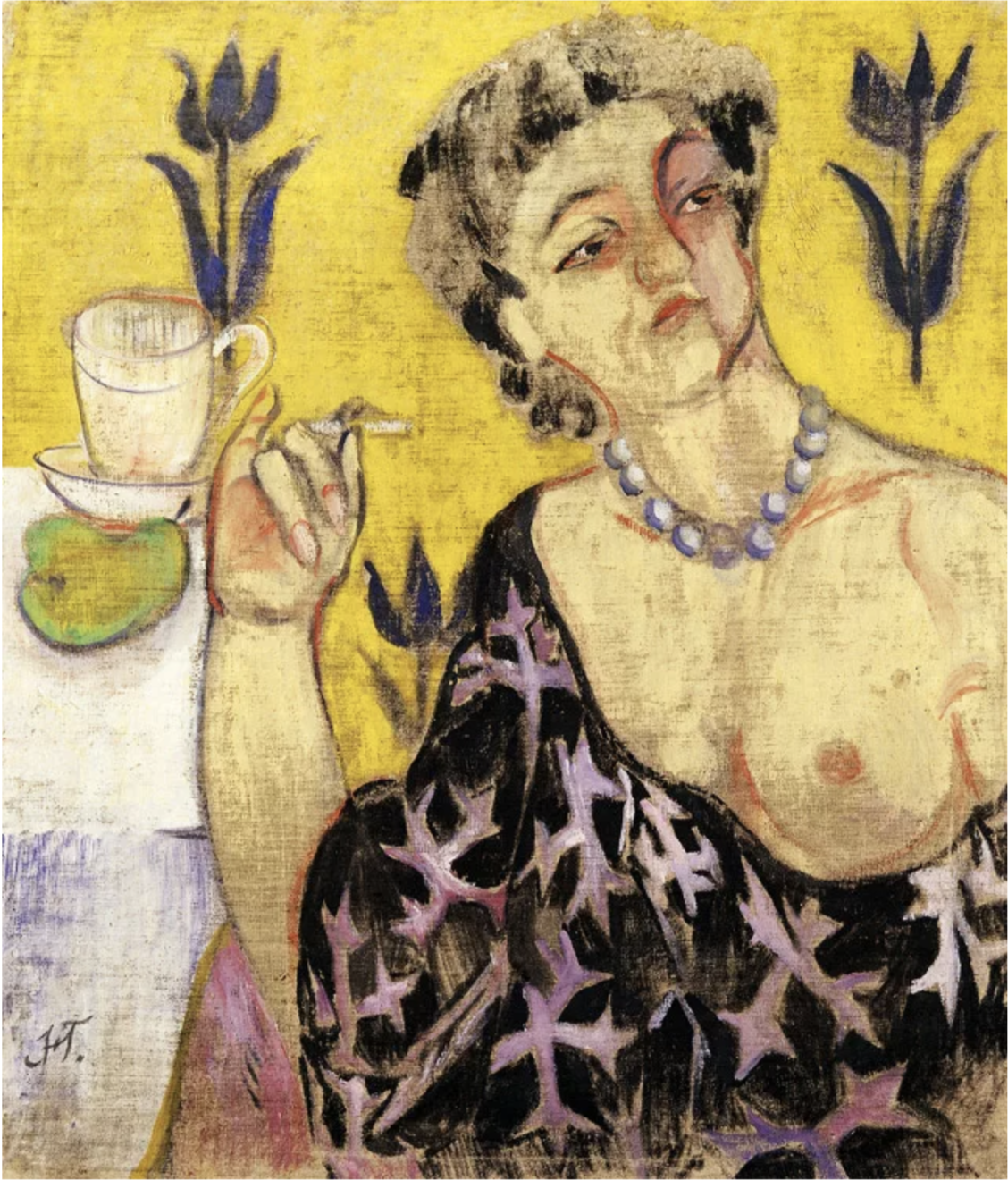
Research Topic: Mechanisms of the aestheticization of smoking across various media and the transformation of its visual semiotics.Sample: The study analyzes five media, each representing a distinct mechanism of aestheticization: painting (Carel van Dongen, Natalia Goncharova, Ernst Ludwig Kirchner, Otto Dix); advertising (Alphonse Mucha posters, Edward Bernays campaigns, Virginia Slims, Camel); cinema (Soviet and post-Soviet films, Hollywood movies); magazines (Vogue France 1958, Vogue Italia 1975, Interview Magazine 2026, Vanity Fair 2026); and digital media (Instagram, @cigfluencers account). This selection is based on the fact that each medium offers a specific response to the question of how an image renders smoking attractive.Justification for Scientific Sources: The theoretical framework is built upon Roland Barthes' concept of myth, Jean Baudrillard’s theory of simulation, and Dolores Mitchell’s concept of the «new woman.» The empirical base includes the research of D. K. Cortese (Instagram), C. Cerny (cigfluencers), A. Charlesworth and S. A. Glantz (cinema), A. Novikau (Soviet cinema), D. Gray, A. Amos, and C. Currie (magazines), as well as O. Averyanova’s article on Man Ray’s photography. These sources are relevant to the topic and allow for the connection of theoretical analysis with specific visual case studies.
Часть 1.
Painting: Creating a Visual Dictionary
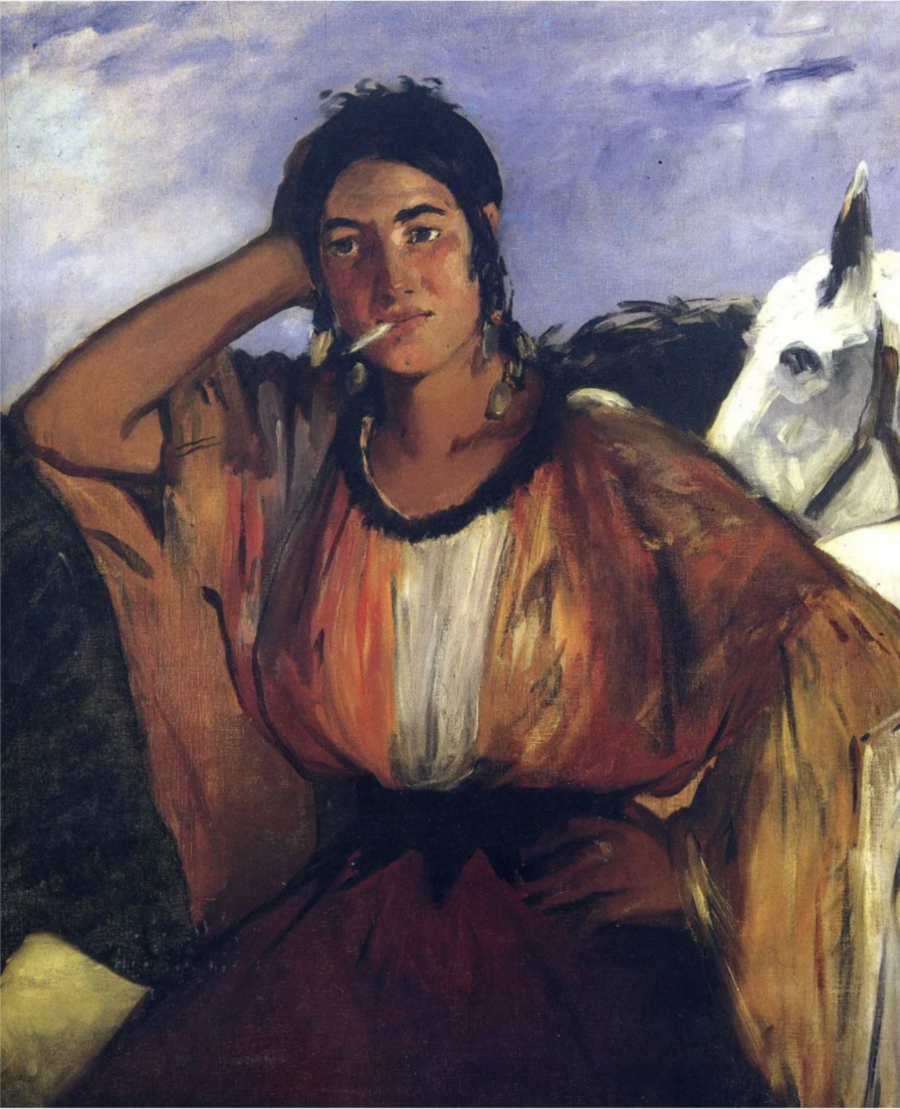
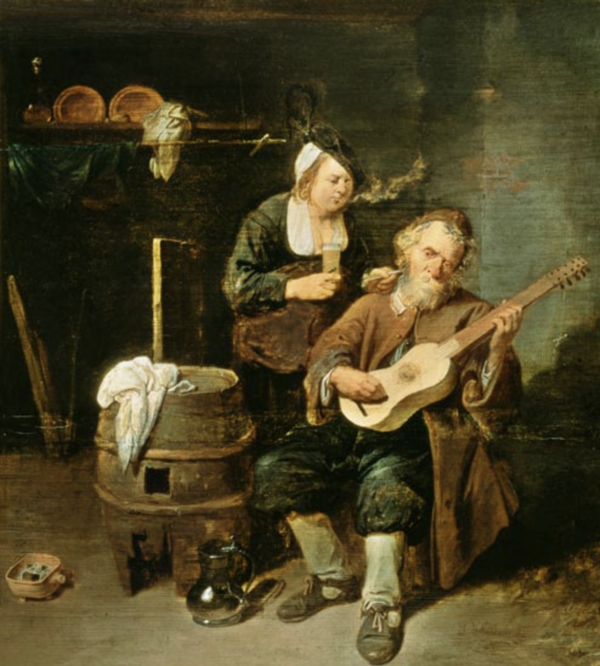
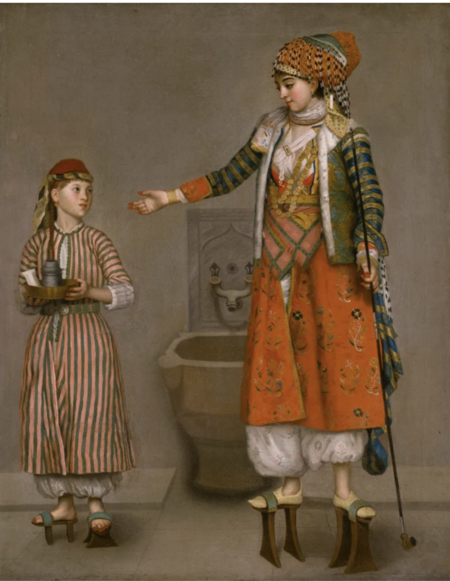
Painting is the first medium in which smoking became a visual sign carrying social and gendered meaning. Early depictions of smoking women operated through exoticization: smoking marked the woman as an «other”—Oriental, gypsy, or prostitute. The cigarette was a sign of amoral femininity, and it was this marginality that generated attractiveness [1, p. 88].
Рейкарт Д. Гитарист. 1641.
Лиотар Ж.-Э. Женщина в турецком костюме в хамаме с прислугой. XVIII век.
The shift occurred at the turn of the 19th and 20th centuries. For Kees van Dongen and Natalia Goncharova, the cigarette ceased to be a marker of a «fallen» woman and became an attribute of the modern city dweller. Goncharova incorporated smoking into the language of the Russian avant-garde, where the female body stopped being an object of the male gaze.