Problem Statement and Research Question
For one and a half thousand years, chess pieces have undergone radical visual transformations—from detailed Indian and medieval miniatures reflecting social and military hierarchies, to the laconic geometric blocks of modernism and the flat pictograms on smartphone screens.
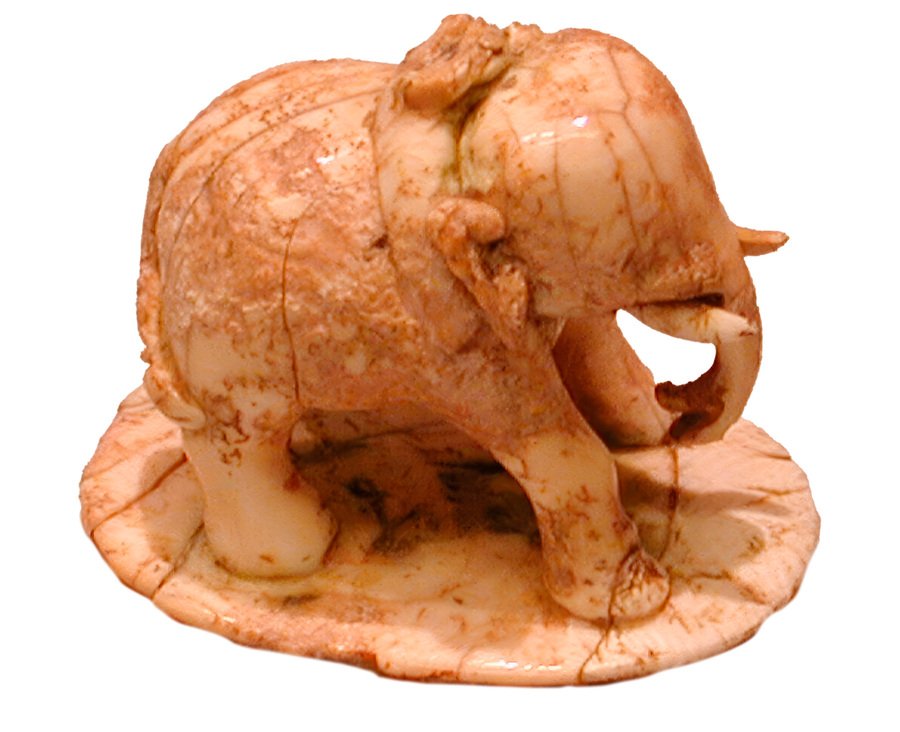
A chess piece, the bishop, rendered as a sculptural depiction of a war elephant—an example of Indian miniature ivory carving from the late 17th–18th centuries, part of the Metropolitan Museum of Art (New York) collection.
The core conflict in the history of chess design lies in the opposition between two principles: the symbolic (the piece as an art object that narrates a story and displays the owner’s status) and the functional (the piece as an ergonomic instrument that ensures speed and accuracy in gameplay).
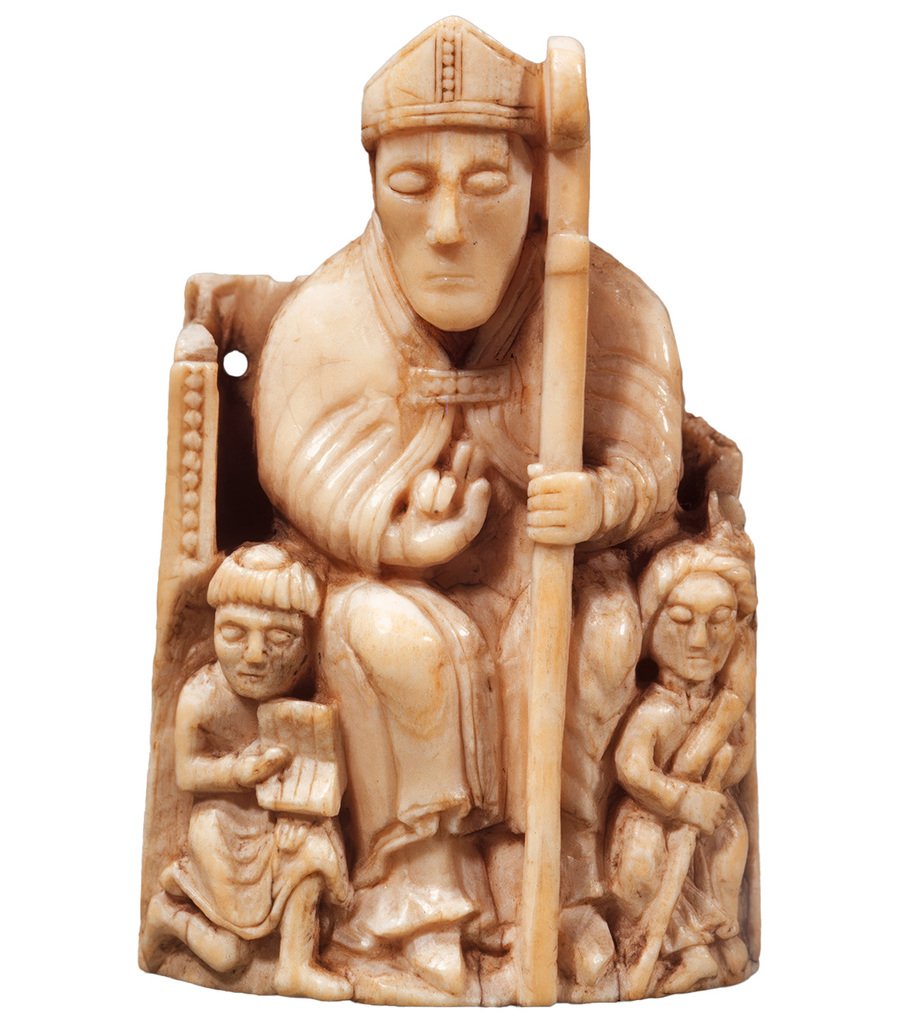
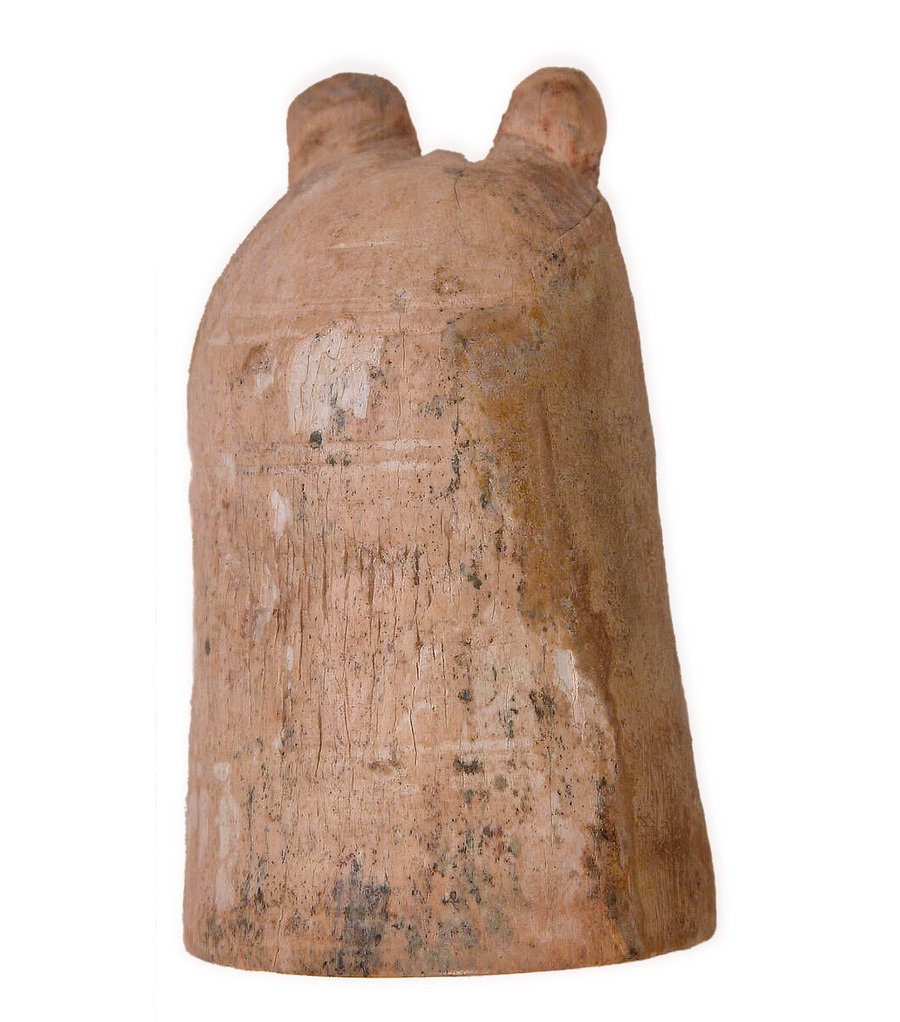
- Chess piece «bishop» (Scandinavia, likely Trondheim, Norway, 1150–1200; walrus tusk)2. Chess piece «bishop» (Western Islamic lands, 8th–10th centuries; ivory)
Indian Chaturanga and Persian Shatranj (6th–10th centuries)
As historian Harold Murray meticulously details in the foundational work A History of Chess, the ancestor of modern chess was the Indian game Chaturanga (6th century). At this stage, the form of the pieces directly illustrated the structure of the ancient Indian army: infantry, cavalry, war elephants, and chariots.
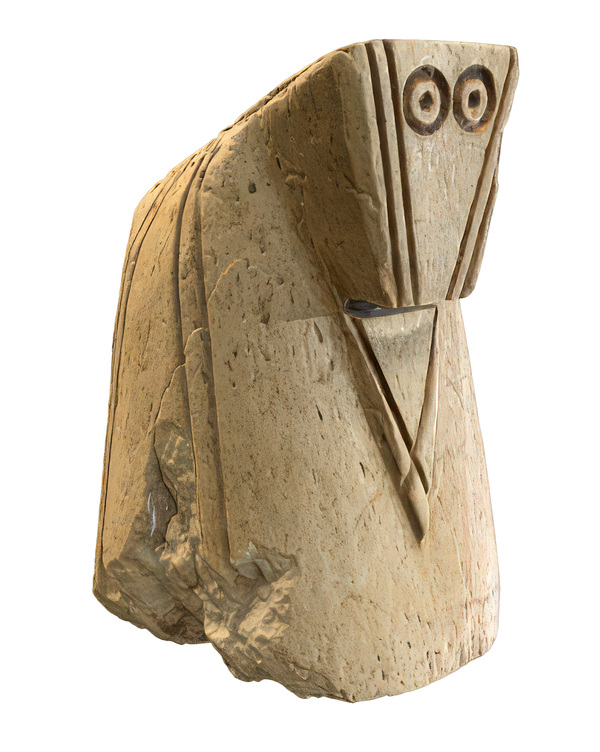
Chess piece (likely a pawn) (Iran, Kasr-i Abu Nasr settlement, Sasanian Empire, c. 6th–7th centuries CE, black limestone)
After the game penetrated Persia and the Arab world (Shatranj, 7th–10th centuries), the first radical shift toward abstraction occurred in history. The Islamic prohibition against depicting living beings (aniconism) compelled artisans to abandon sculptural naturalism: figures transformed into concise carved cylinders and cones made of bone and stone, where the elephant was represented by merely two conventional protrusions—tusks—and the horse by a schematic cut.
Chess piece «rooks» (Western lands of the Islamic world, 7th–8th centuries; ivory)
Medieval Europe: Chess from Lewis Island (12th Century)
Upon arriving in Christian Europe, chess regained its figural quality, transforming into a mirror of the social hierarchy. The most famous artifact from that era is the chess set from Lewis Island (12th century, British Museum collection), carved from walrus tusk. Each piece here is a standalone miniature sculpture with expressive facial features and detailed attributes of power: kings and queens are enthroned, bishops hold croziers, and the rooks are depicted as berserkers gnawing on shields. From a gameplay perspective, such sets were extremely cumbersome: heavy, bulky pieces were barely distinguishable in height, obscured the board’s view, and necessitated a slow, ceremonial game.
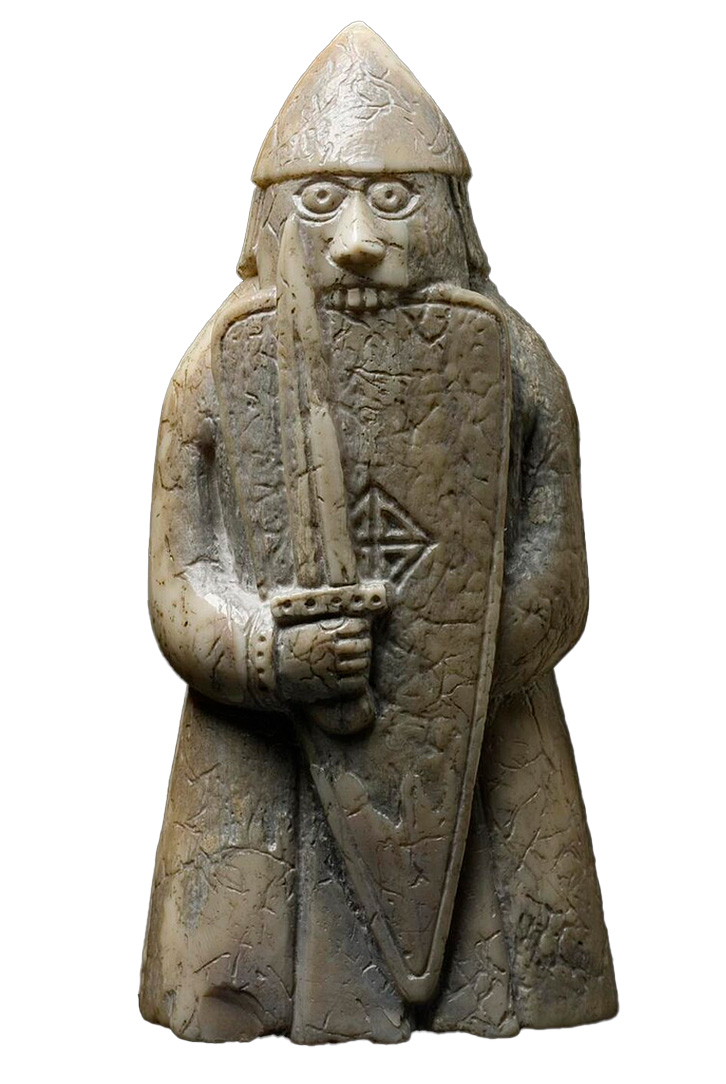
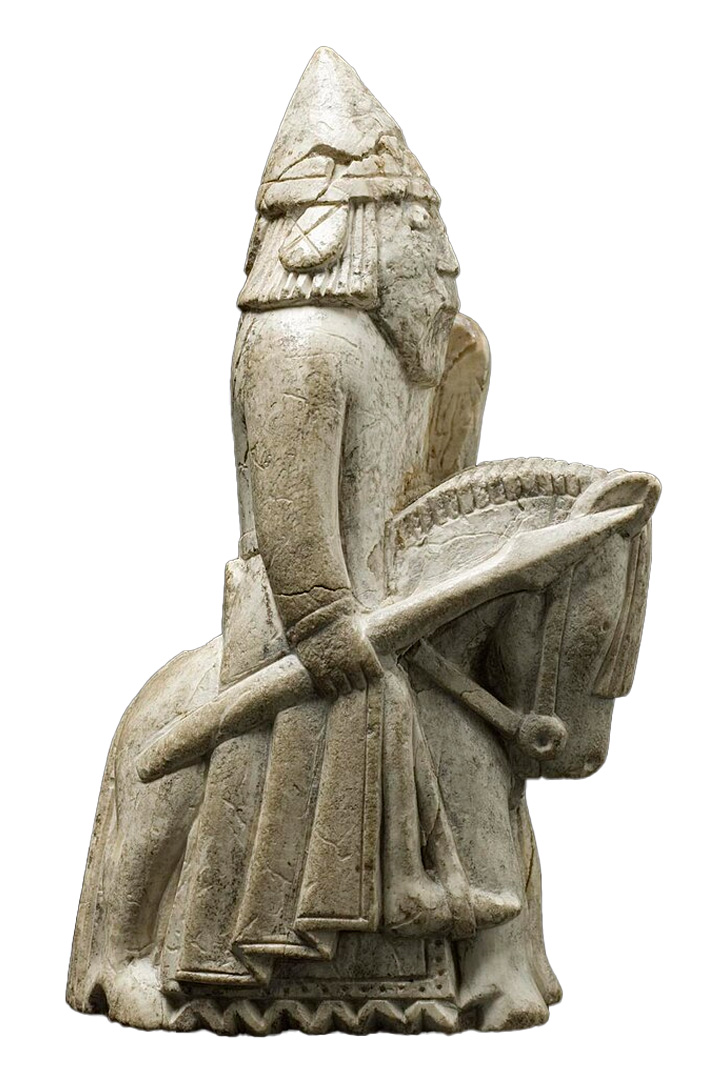
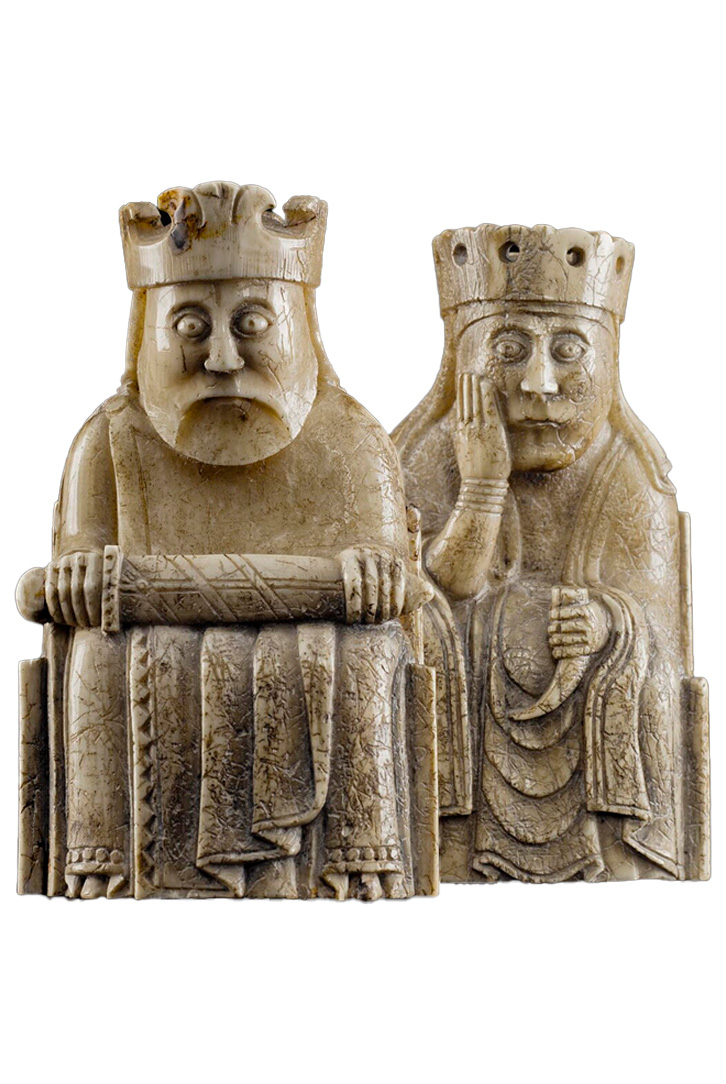
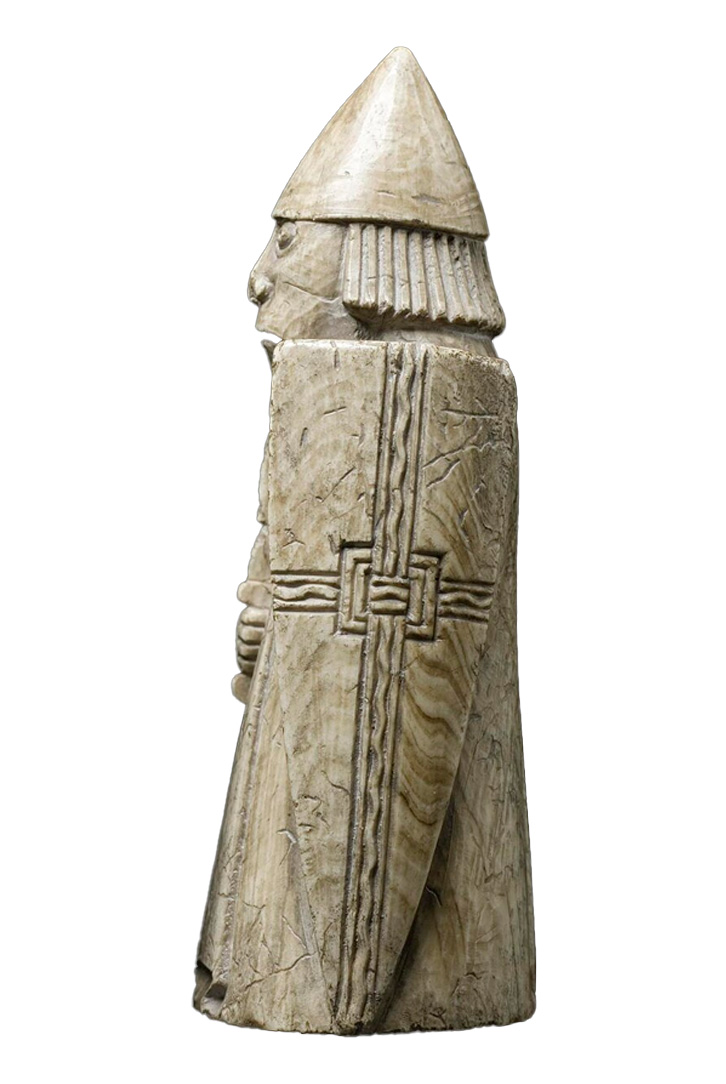
Chess from Lewis Island (12th Century)
The Enlightenment Era: Régence Style (18th Century)
In the 18th century, the center of European chess life shifted from aristocratic salons to urban coffeehouses, chief among them being the Parisian Café de la Régence. The growing popularity of public games demanded mass-produced and recognizable equipment. Thus, the «Régence» style emerged—the first standardized lathe design. Craftsmen abandoned hand carving in favor of the lathe, giving the pieces elongated, elegant silhouettes with spherical finials. However, the design had critical flaws: the tall pieces with narrow bases and high centers of gravity constantly fell over with accidental contact, and the contours of the king, queen, and bishop were too similar.