Timeline

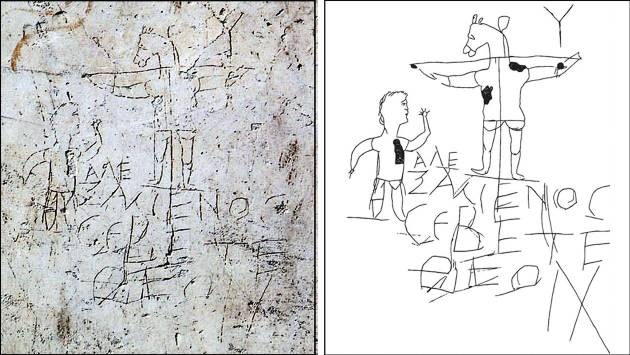
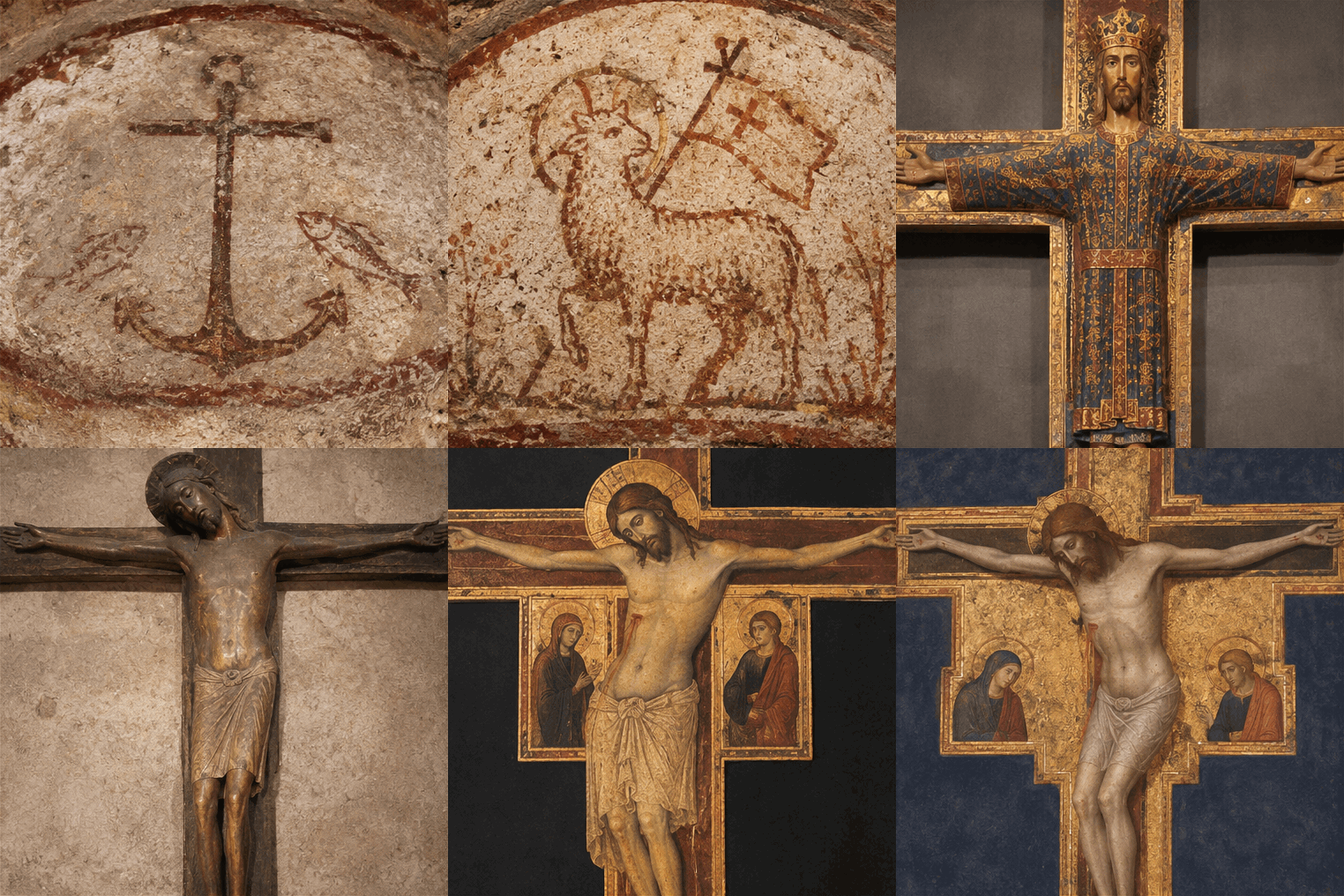
Stage 1. Early Christianity (4th–5th Centuries)
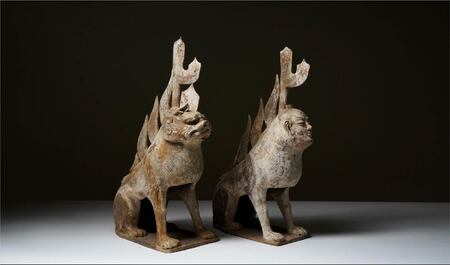
Stage 2. Early and High Middle Ages (6th–12th Centuries): Christus Triumphans (Triumphant Christ)
— Byzantine Art (6th–10th Centuries): the emergence of Christus patiens
and its coexistence with Christus triumphans
— Romanesque Art (11th–12th Centuries)
Stage 3. Proto-Renaissance (13th–early 14th Centuries)
— Duecento (13th Century): the affirmation of Christus Patiens (Suffering Christ)
Stage 4. Trecento (14th Century): the psychologization and narrativization of the Passion
Main Research Question:How and why did the visual representation of the Passion of Christ change in art from the early Christian period to the 14th century?

Phase 1. Early Christianity (4th–5th Centuries)
0
1/2
Исследование формирования визуальной культуры Страстей Христовых: Christus Triumphans.
Project created at 16.11.2026
Свет в камне
3
Свет в камне
Sofiya Chizhevskaya
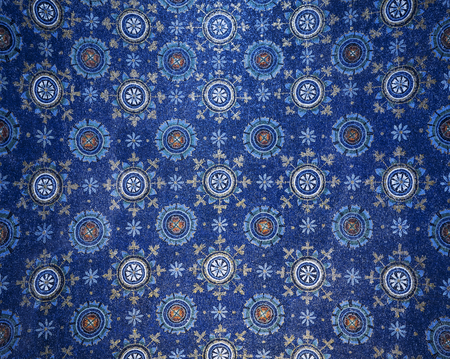
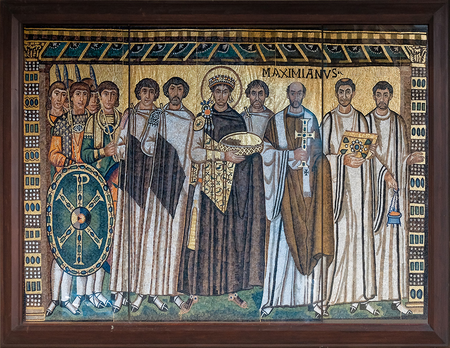
Визуальное исследование о том, как устроены мозаики Равенны V–VI веков и почему их принцип работы напоминает современный экран. В тексте разбирается техника создания мозаик, а также анализируется, как древние мастера использовали свет, наклон стеклянных кубиков и движение зрителя для создания изображения. На примере мавзолея Галлы Плацидии, Сан-Витале и других памятников показывается, что мозаика это не просто картинка на стене, а сложная оптическая конструкция. Именно эта логика сборки изображения из мельчайших частиц позже повторилась в фотографии XIX века и в пикселях на экране телефона.
We use cookies to improve the operation of the HSE website and to enhance its usability. More detailed information on the use of cookies can be fou...
Show more