Concept
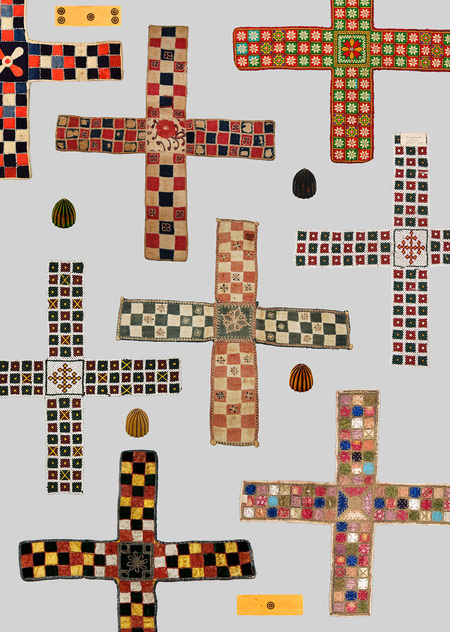
The theme of the visual research was the reflection of different cultures' worldviews in the visual language of board games, using Pachisi and Ludo as examples. The object of study was the «cross and circle» family of games—the traditional Indian game Pachisi (including its Chaupar variation) and its European and North American adaptations from the late 19th to 20th centuries, known as Ludo and Parcheesi. The subject of analysis is the visual organization of the game space, the graphic navigation system, ornamentation, typography, and the materiality of the game components as methods for fixing conceptions of space, order, and leisure.
Signature
Board games with an unchanged core mechanic serve as illustrative material for comparative cultural and visual analysis. When a game is transplanted from one cultural context to another, its mathematical foundation and token movement logic remain virtually unchanged, while the external design undergoes revision.
The research problem lies in the need to identify and describe the patterns of this visual transformation—tracing how the graphics, form, and materials of the game change when transitioning from traditional craft culture to an industrial urban environment. Examining Indian and Western visual traditions as two distinct systems allows us to see the expressive means each culture uses to record its conceptions of the world and the organization of leisure.
Signature
The main objective of this work is to identify and systematize how the differences in worldviews and modes of daily life organization in traditional Indian culture and industrialized European culture from the late 19th to early 20th centuries were reflected in the visual language of Pachisi and Ludo.
Signature
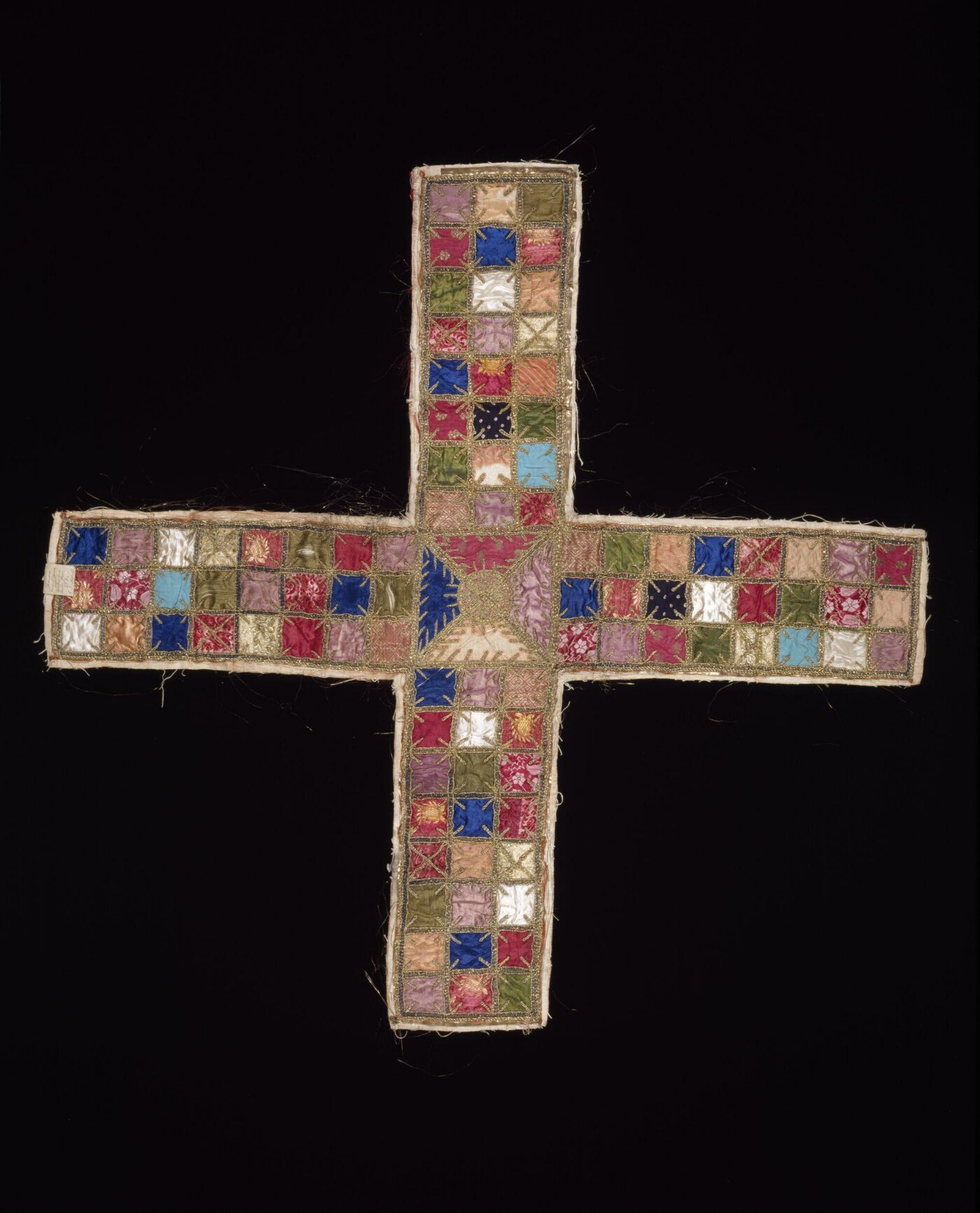
To achieve the research objective, the following tasks were identified. First, it is necessary to document the immutable structural foundation of the game—the geometry of the cross-shaped field and the movement route—as a baseline constant for subsequent comparison. Next, the visual and material characteristics of traditional Pachisi and Chaupar sets must be analyzed, paying close attention to textiles, hand embroidery, natural materials, ornamental motifs, and architectural forms.
Signature
The next stage is dedicated to the transition period—adapting the game during the colonial era and its standardization within commercial production in Britain and the United States. Following this, we examine the graphic and structural solutions of early editions of Ludos and Parcheesi, including the use of chromolithography, color coding, typography, and standardized components. The work concludes with a direct comparison of the key elements of both game systems based on uniform functional and visual criteria.
Signature
In interpreting the play space and material components, the research draws upon the concepts of J. Huizinga’s «magic circle,» O. Finch’s concept of play as a symbol of the world, and R. Caillois’s typology of play elements.
Geometry and Mechanics of Game Space
The game is as primordial as these phenomena [death, labor, domination, and love]. It encompasses all of human life to its core, masters it, and fundamentally shapes the human condition, as well as the way humans comprehend existence.
Pachisi is a traditional Indian board game that served as the prototype for modern Ludo. In the traditional game, four players participate, organized into two teams of allies, with each player having four tokens. The team’s objective is to be the first to move all eight of their tokens from the central square (Charkoni) around the outer perimeter of the cross-shaped board counterclockwise and return them precisely to the center.
The number of steps is determined by rolling six or seven cowrie shells; extreme combinations (when all shells or all but one land flat-side up) grant bonus moves of 10 or 25 spaces, and also allow the player to place a new piece on the board and make an additional roll. Along the path, players can capture opponents' single pieces, returning them to the start, or protect their pieces on special lock cells (chira), where capture is impossible.
An Analysis of Traditional Pachisi and Chaupar Sets
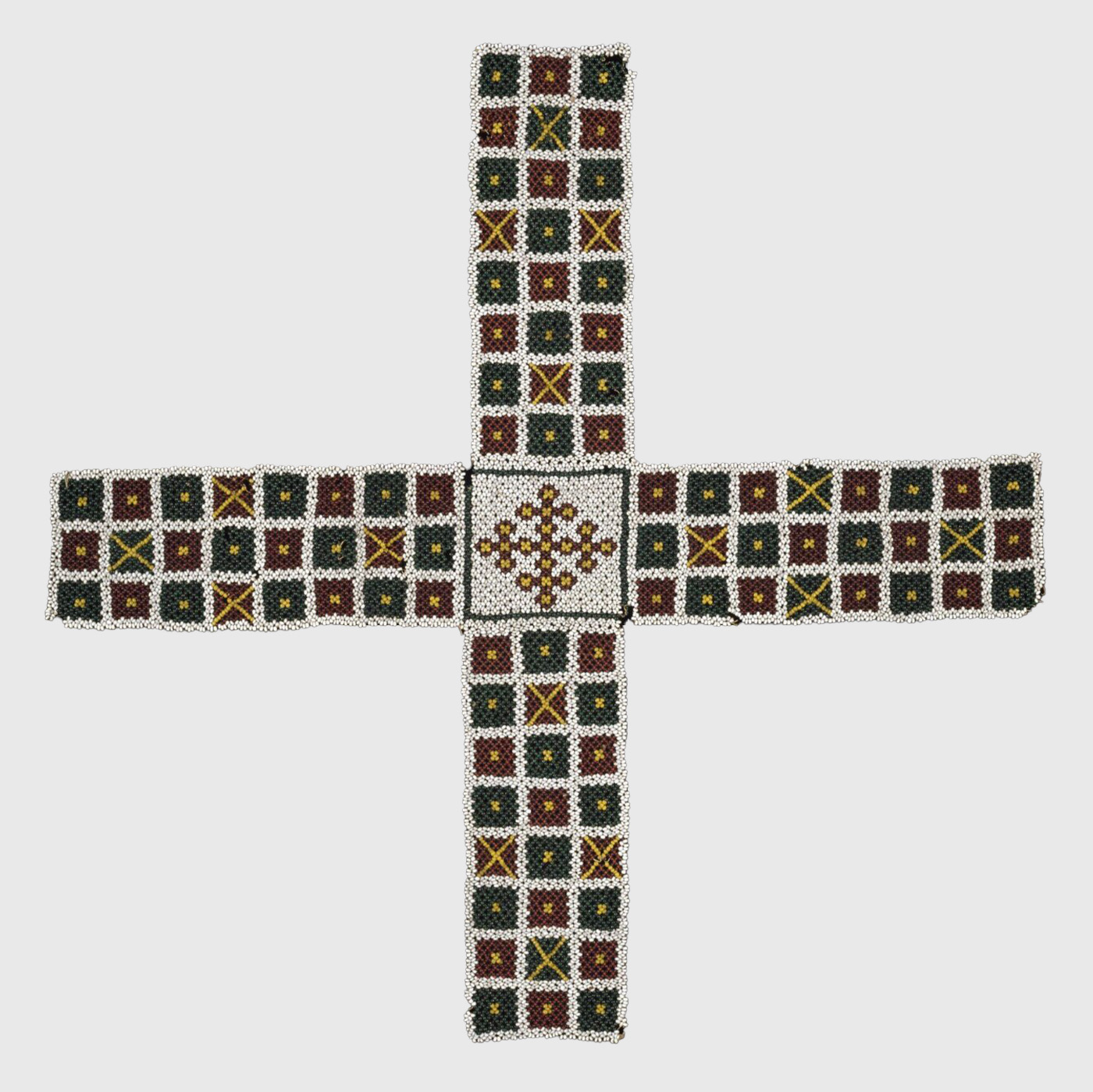
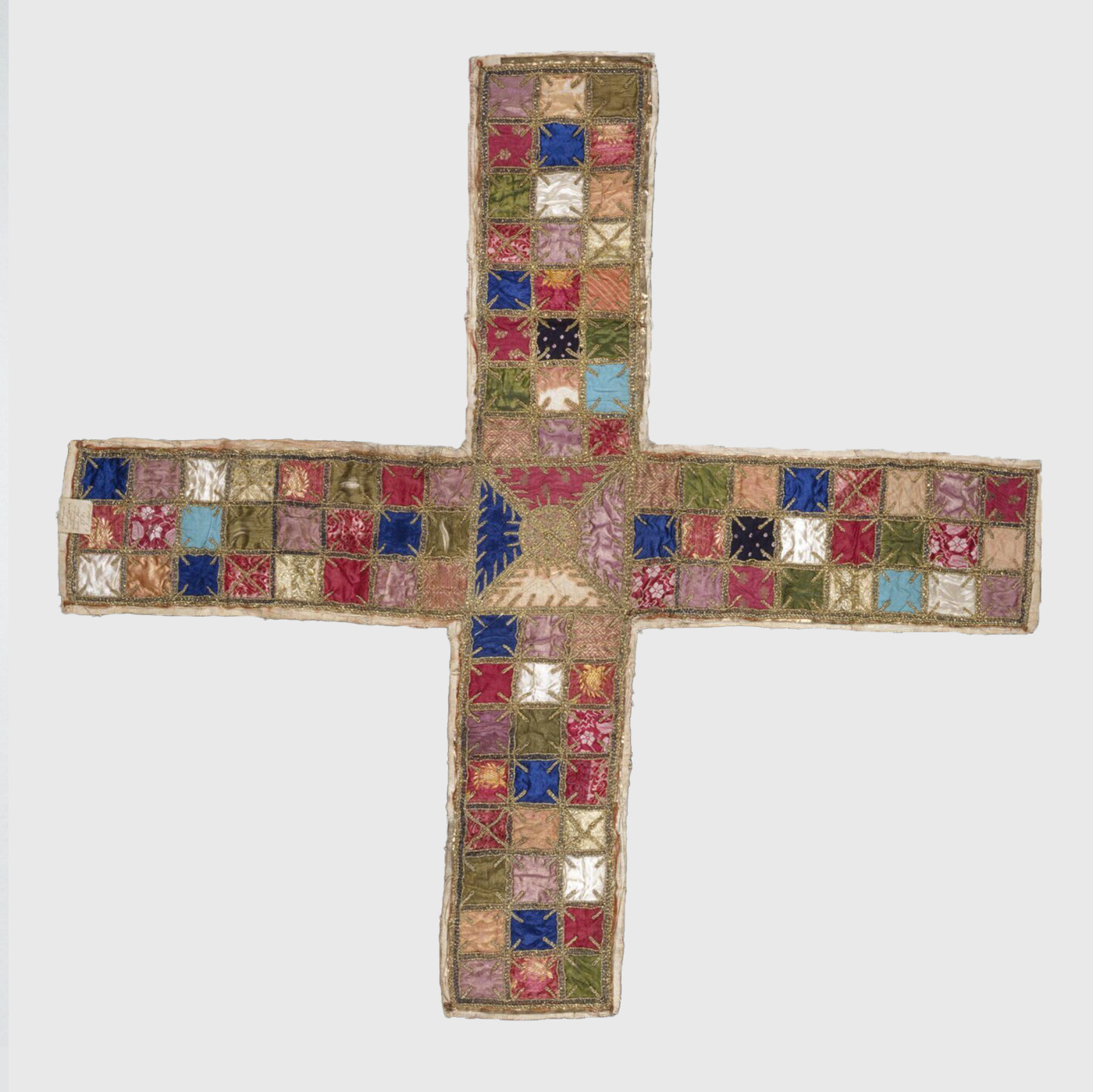
The Pachisi board is shaped like a symmetrical cross with four arms. This symbolizes the four cardinal directions, the four world epochs (the south), and the cosmic order (rita) radiating from a single center.
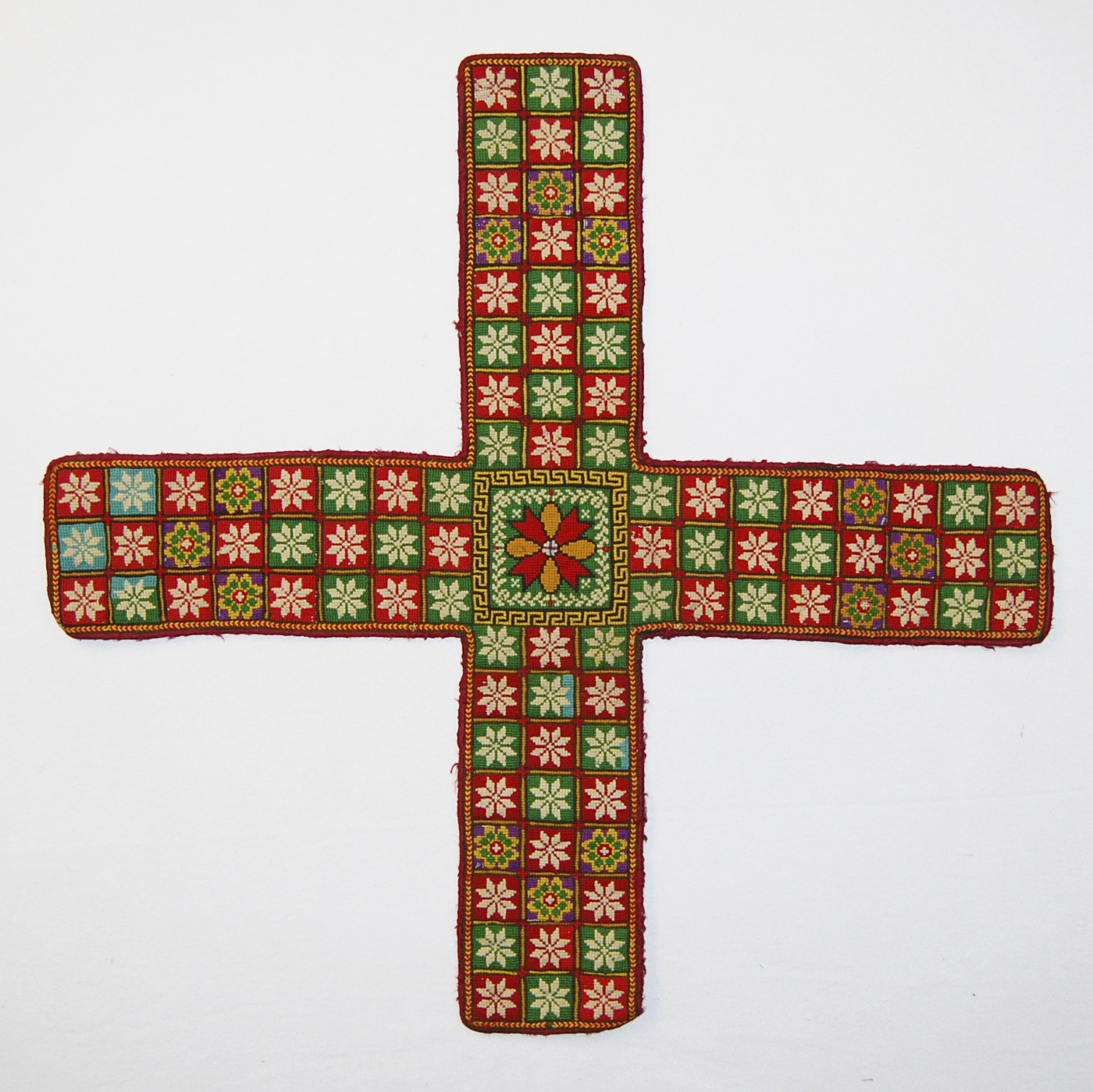
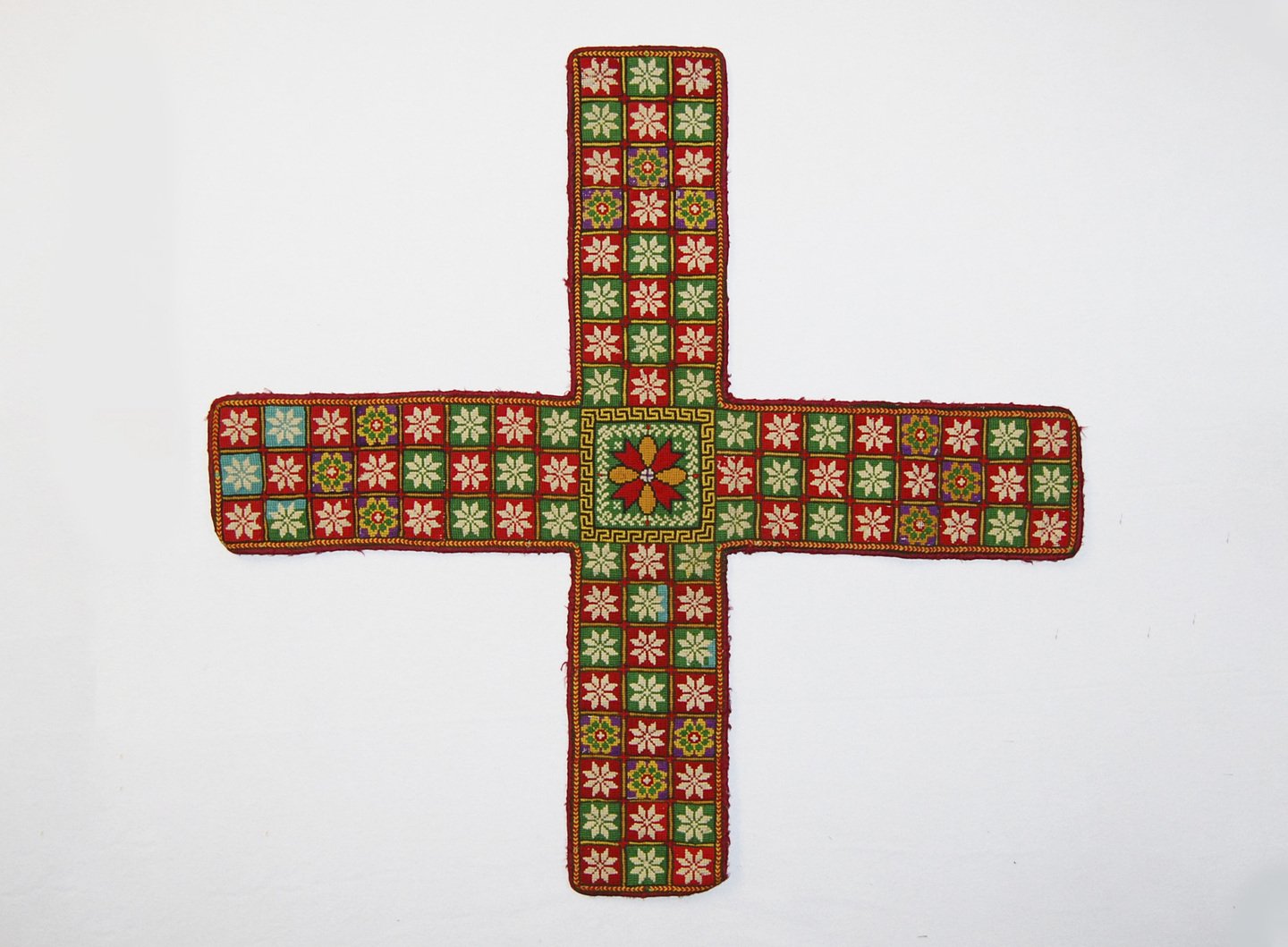
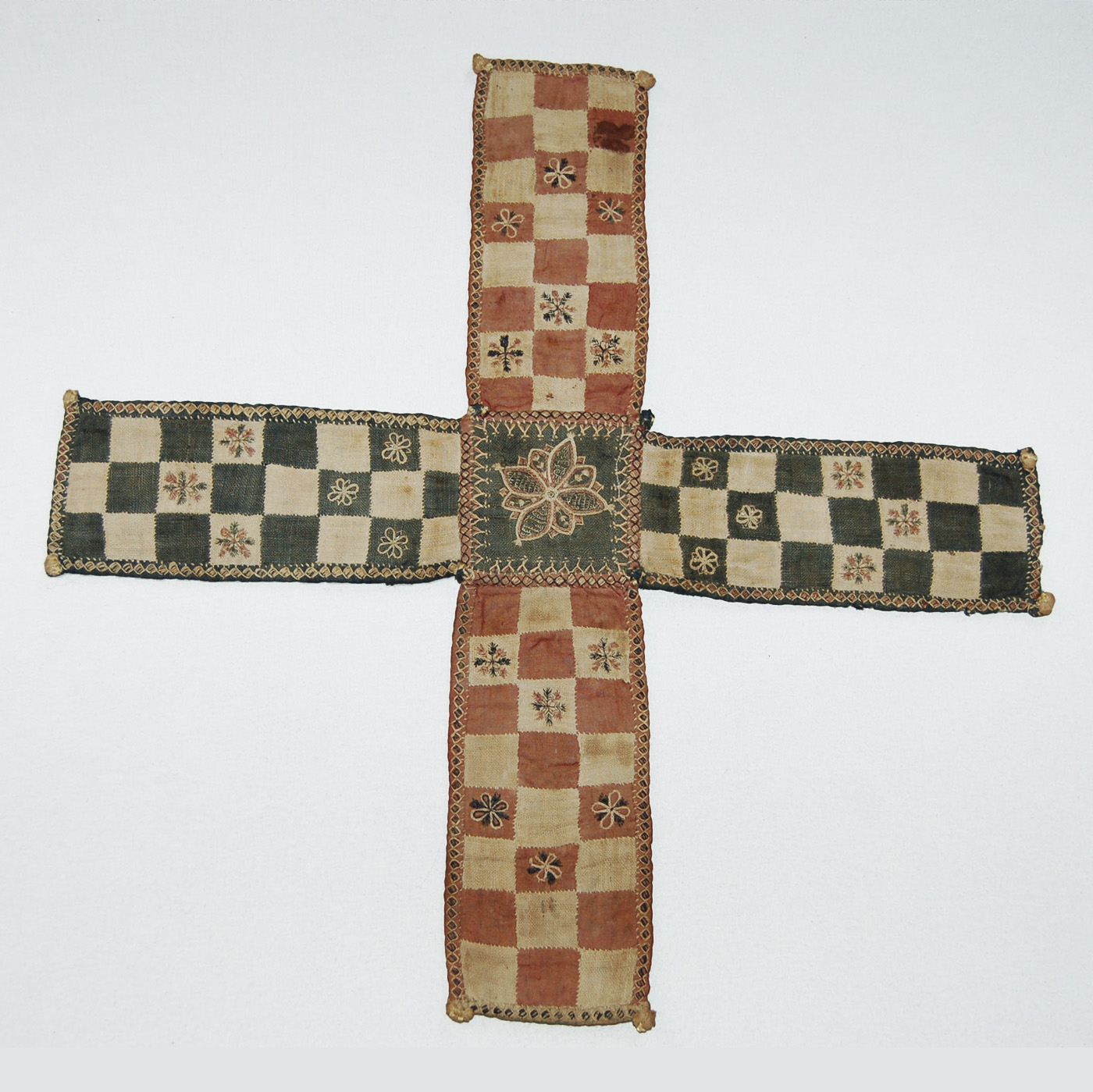
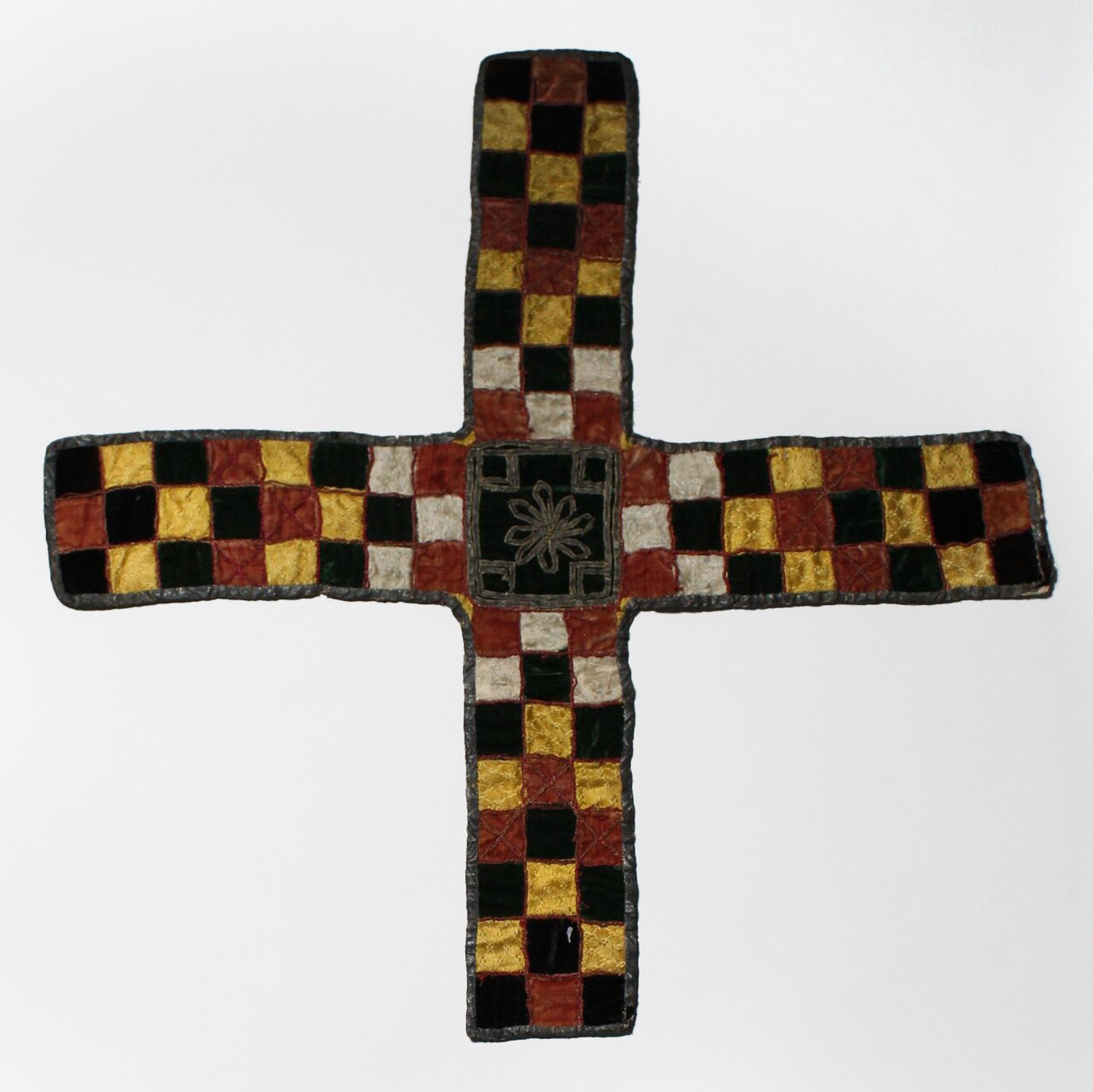
1. 2. 3. 4. 5.
The square in the center of the board, toward which all the pieces strive to move, symbolizes Mount Meru—the world axis and dwelling place of the gods. Reaching the center represents the soul’s emergence from the cycle of earthly suffering and its union with the Absolute.
On the field, there are special crossed-out cells where the piece cannot be «cut.» In the Indian worldview, they symbolize temples, sacred pilgrimage sites (tirthas), or periods of devout life that offer the soul temporary protection from the blows of fate.
Instead of dice in traditional Pachisi, six or seven cowrie shells are used, and the number of moves depends on which shells land face up. This reflects the concept of karma and divine play (lila): a person cannot fully control external circumstances, but must wisely manage whatever is given to them by fate.
The markers move along the perimeter of the cross counter-clockwise, taking a long route before turning toward the center. If an opponent «cuts» a marker, it returns to the very beginning of the path, illustrating the wheel of Samsara—the necessity of re-experiencing life lessons after spiritual downfall.
Classical Pachisi is often played doubles, with partners sitting across from each other. This emphasizes the importance of fulfilling one’s duty (dharma) and mutual support on life’s journey.