Navigation
- Concept
- The Human as Recognizable Form
- The Hybrid Body: Between Human and Other Being
- The Body Assembled from Objects and Natural Elements
- Deformation: The Breakdown of Anatomical Norms
- Fragmentation and the New Body Structure
- Organic Metamorphosis: The Dissolving of the Human Contour
- The Digital Figure: An Image Capable of Infinite Transformation
- Comparison of Artistic Mechanisms
- Conclusion
Concept
The human body appears to be one of the most obvious and enduring forms in the visual arts. Even when artists alter its proportions or abandon anatomical accuracy, the viewer often still recognizes a human figure in the depiction. This contradiction interested me: a human figure can deviate from the real body yet retain its recognizability.
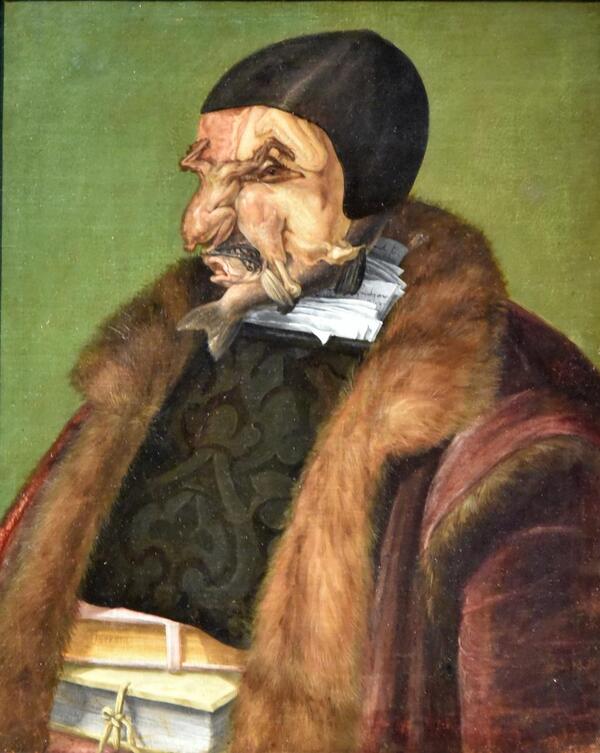
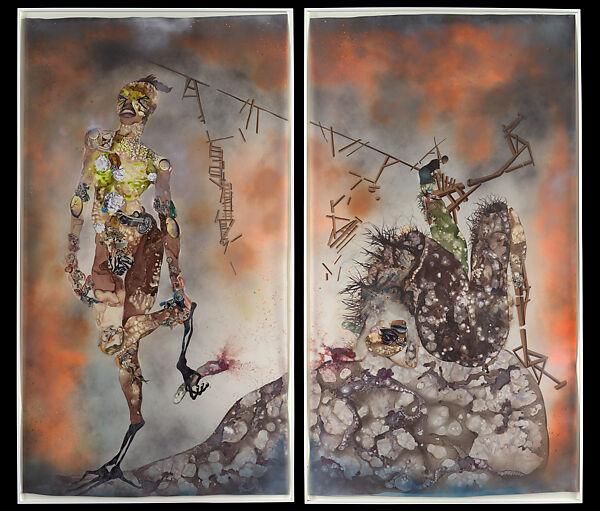
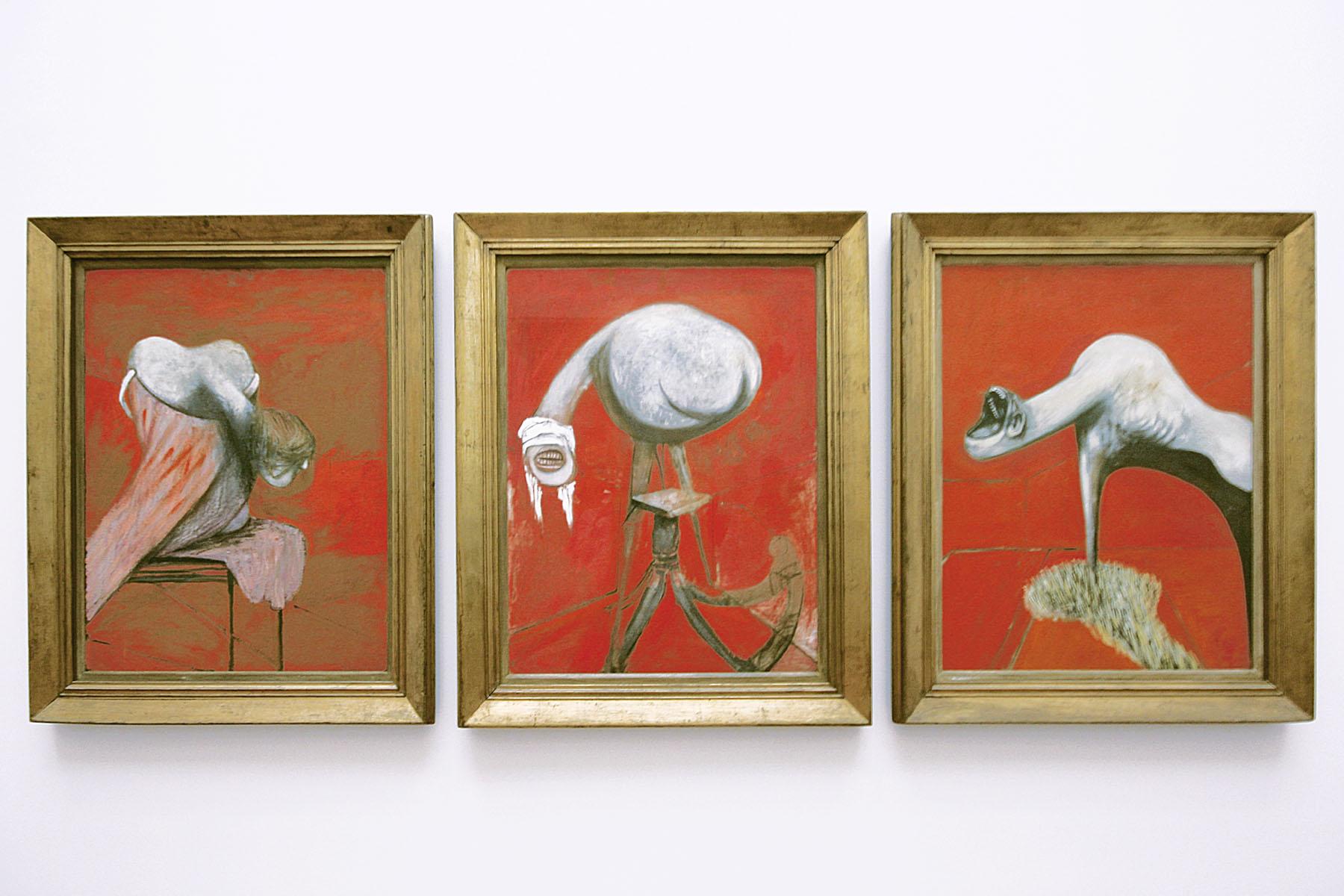
Throughout history, artists have depicted humans with animal limbs, transformed faces into combinations of plants and objects, distorted proportions, and shattered familiar contours. Such images can seem fantastical, unsettling, or even frightening, but beneath their external strangeness lies a crucial artistic question: what precisely allows us to perceive a modified form as human?
I hypothesize that the human figure is defined by more than just anatomy. Its recognizability can be sustained by distinct characteristics: the face, the silhouette, the posture, the gesture, or characteristic details of the image.
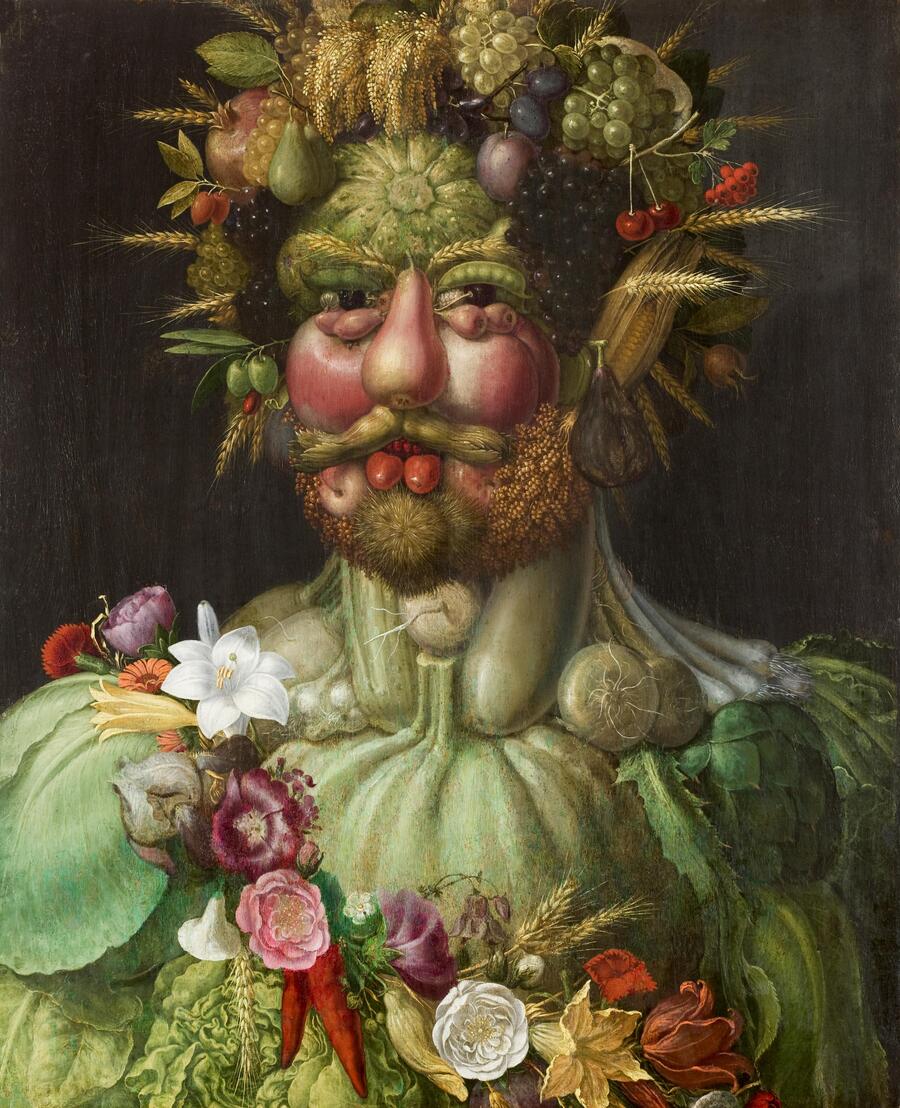
Giuseppe Arcimboldo, «Vertumnus, ” 1591