MORRETA MUTA — an experimental photographic project on the role of women in contemporary society
This project was prepared for the «Second Quarter» exhibition as part of the Photography Workshop at the HSE School of Media in Saint Petersburg. The exhibition’s concept involves reflecting on the past 25 years of the 21st century—modern society and social issues.
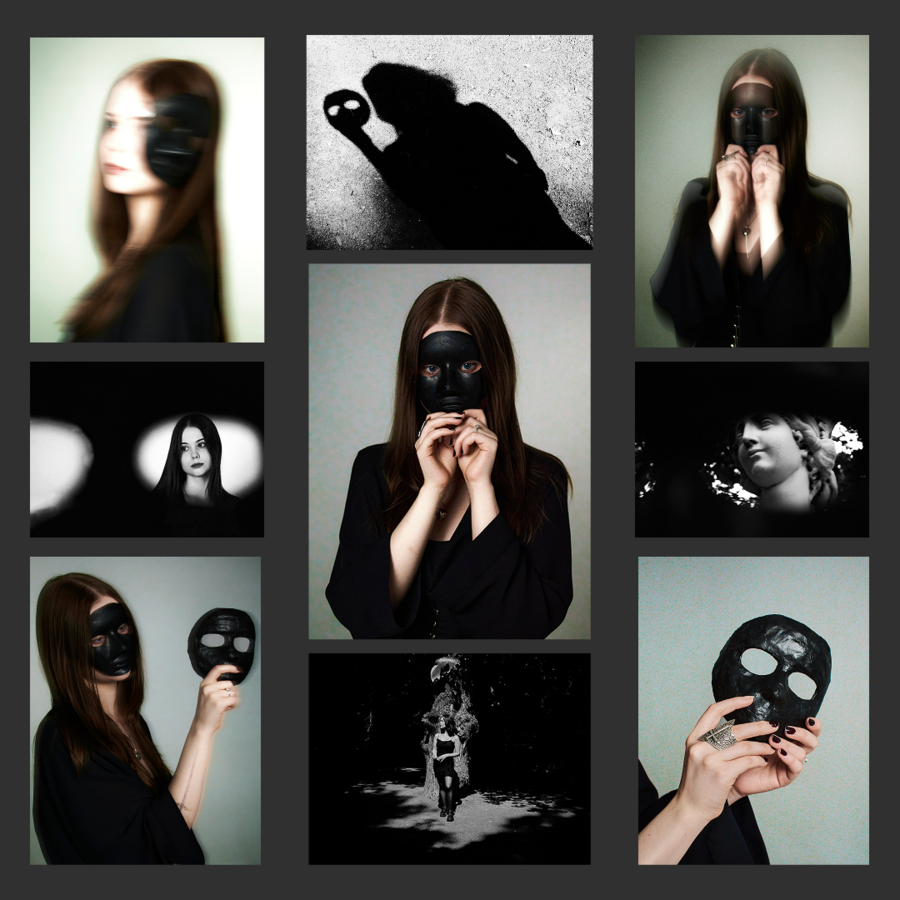
Full Project
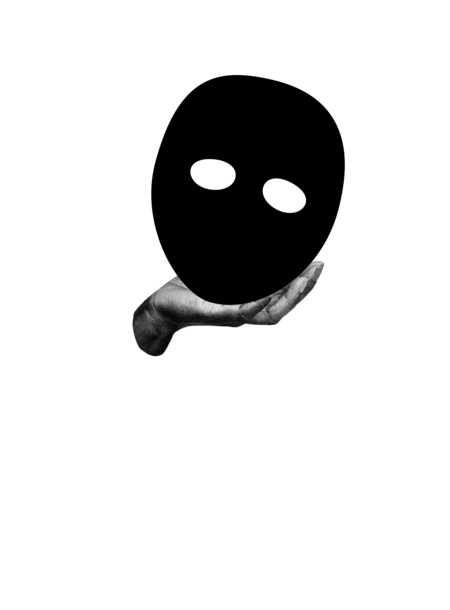
Topic:
Woman and her role in modern societyOriginality:
— Utilizing an unpopular historical symbol and exploring its varied interpretations in contemporary contexts — A broader perspective: when a person cannot see a face, they begin to search for details to construct their perception — Absence of clear dramatic structure—an experiment in perceptionObjectives:
To explore several themes through a single element: — Beauty standards — The relationship between inner and outer beauty — The «silent role» of women — The enduring nature of women’s role across the centuriesHistorical Foundations
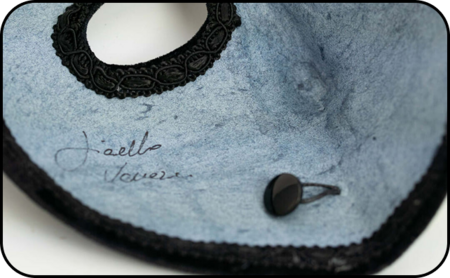
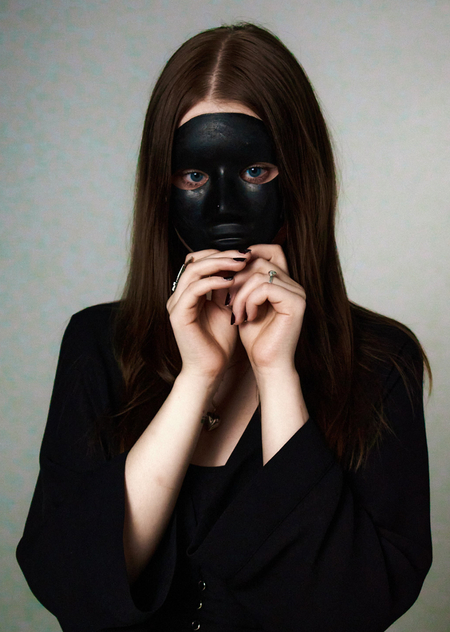
The key element of the photoshoot is the Venetian Morretta mask.
The Morretta is a traditional Venetian mask worn exclusively by women.
The Morretta had no laces or ties. It was held to the face by a special pin, button, or bead attached to the inside at the bottom center. The woman would hold this element in place with her teeth. Because of this, she was unable to speak, leading the mask to have a second name—Servetta Muta («mute servant»).
The Morretta was very fashionable—it was believed that it concealed the girl’s «external» beauty and her voice, allowing room for other details and her inner world.
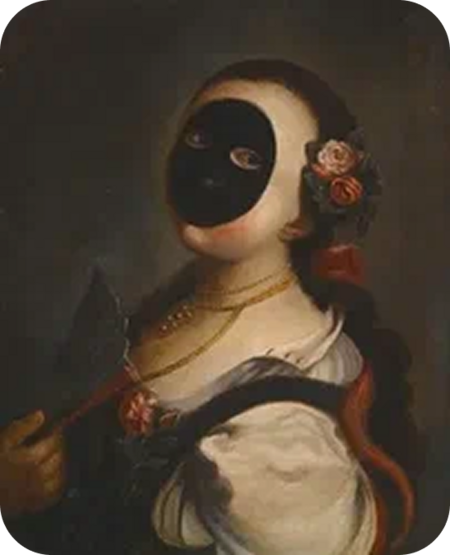
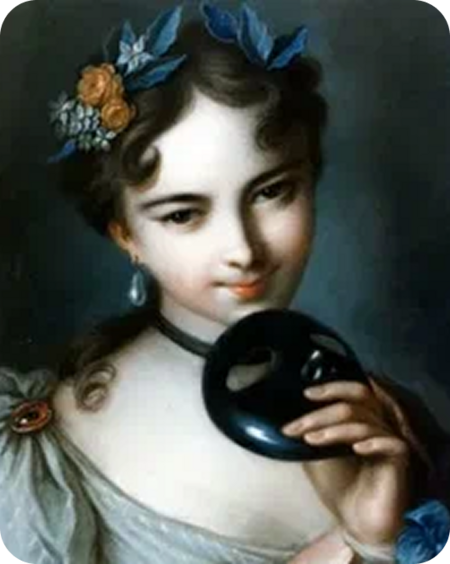
References: historical paintings depicting a mask
Solution
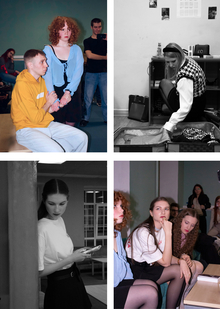
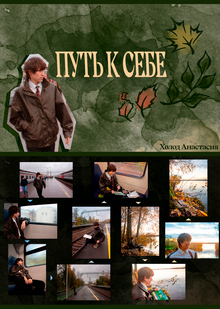
A key feature of the project is the experiment with perception: the photographs are arranged nonlinearly, and the order in which the viewer reads them is determined by their own choices.
The images can be viewed sequentially or partitioned based on format, color, content, or placement.
Viewers are invited to read the accompanying texts and construct the narrative themselves.
Project Exhibition
Morreta — a fashionable Venetian women’s mask. Its name derives from the word «moro,» meaning «dark.»
The mask completely conceals the wearer’s face, diverting suitors from «outer beauty.» One can judge a girl’s character, inner world, and charm only through the details: her ensemble, her adornments, and her subtle movements.
It is believed that seeing what is hidden behind the mask means gaining access to a true treasure.
The mask is called «Servetta Muta» («mute servant»). It deprives the wearer of the ability to speak due to the nature of its fastening. A special pin, bead, or button holds it to the face, which the wearer keeps in place with their teeth.
Wearing the mask symbolizes meekness and silence.
The «mystery» and «enigmatic» aura perceived in this piece is considered seductive.
The tradition of the «Servetta Muta» has not lost its popularity. Nevertheless, the artisans see no need to create it physically. By the 18th century, the mask had already fallen out of fashion.
Attention!
Please email the author at: annandchizhova@edu.hse.ru if you would like to share your perspective on the series, discuss perceived meanings, images, and details, or provide feedback.
The following section contains author’s notes that may influence your perception of the project.
Author’s Notes
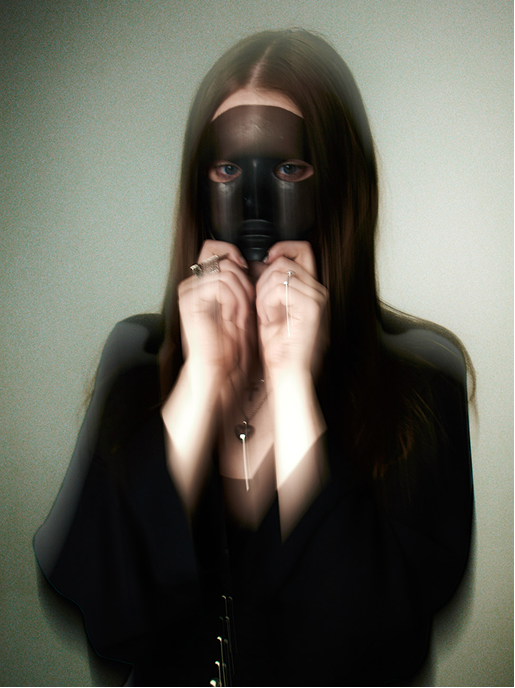
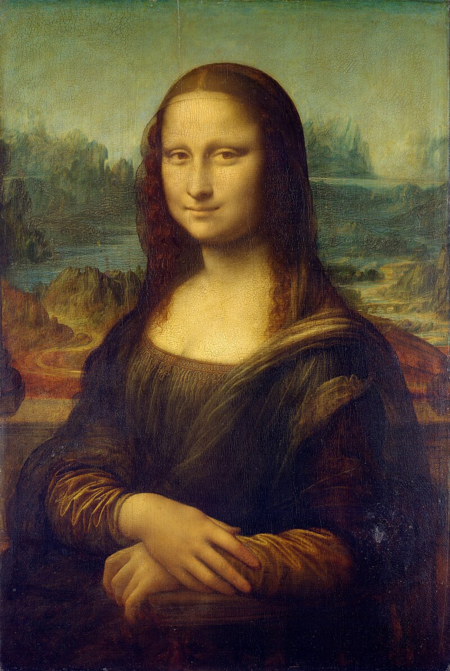
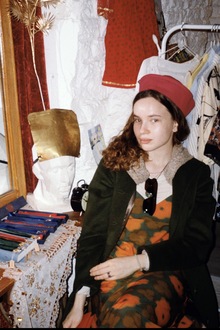
One of the key techniques in the project is the blending of time: the «past» and the «present.» The «past» is expressed through the main element—the mask—as well as visual references and parallels between the photographs.
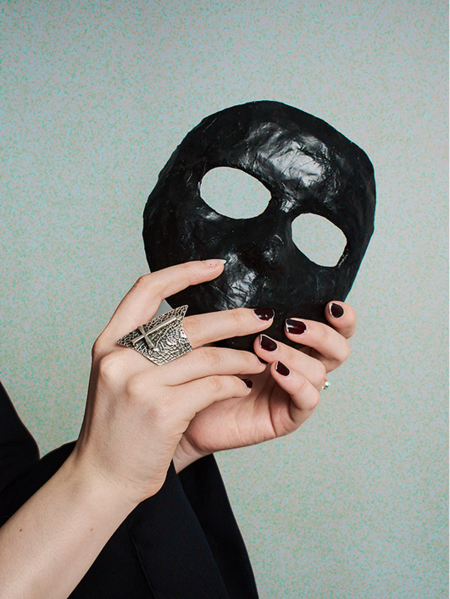
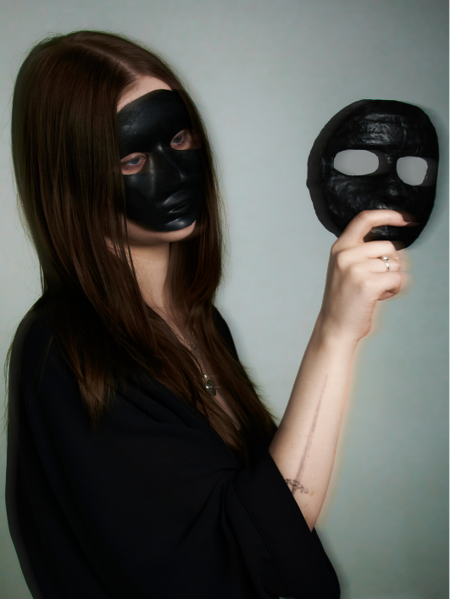
«The Present,» the main character—judging by her manicure, jewelry, and tattoos—is immediately recognizable as a modern person.
This intentional mixing suggests an idea that the woman and her role have remained unchanged even across centuries.
Although the dramaturgical structure is not explicitly defined, the proposed exhibition can delineate points of «entry» (upper left frame) and «exit» (lower right frame) from the series. The distinction between «entry» and «exit» is supported by both the compositional placement and the direction of gaze and subsequent movement beyond the formed square. It is also worth noting that the heroine holds the morreta herself throughout the series and «passes it» with her hands.
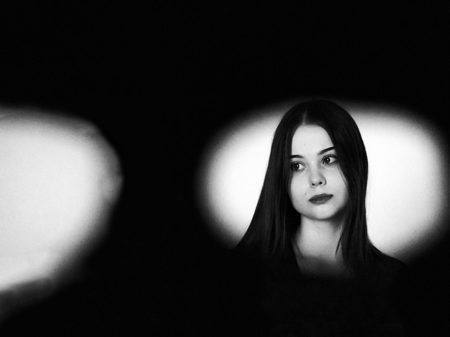
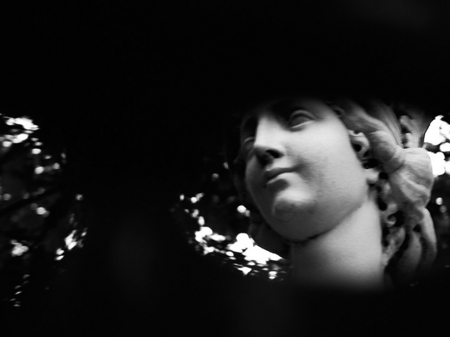
As a young woman, the author cannot escape the «mask» herself.
This series offers many other ways to draw parallels, search for meaning, and trace personal stories.