INDEX
Concept
Main Body
Scholarly Debate: Were musicians' gestures a form of musical notation?
The Peculiarity of Depicting Musical Scenes
Music as Rhythmic Structure
Musical Instruments as Part of Visual Language
Gesture as a Means of Transmitting Music
Conclusion
CONCEPT
Research Question
How was rhythm, movement, and the interaction of performers conveyed in the musical scenes of the Ancient Kingdom using visual elements?
Hypothesis
Musical scenes in Ancient Kingdom art can be understood as a unique visual language, where the repetition of figures, performer poses, gestures, and the placement of musical instruments create an impression of rhythm and movement.
Rationale for Topic Selection
I chose this topic because music is an intrinsic part of Ancient Egyptian culture. I was interested in how the images of the Egyptians can reveal the musical foundations of Ancient Egyptian art. For a first-year student, this research project is a chance for me to learn how to analyze the artistic techniques of the Egyptians, examine their music, and understand how sound transforms into a visual image.
Principle of Selecting and Analyzing Textual Sources
Name
Principle for Selecting Material for Visual Exploration
For my research, I included images of: • musicians and musical instruments; • gestures and poses of performers; • interaction between musicians; • repetition of figures and movements; • the connection between musical scenes and ritualistic, celebratory, or funerary spaces.
Principles of Research Structuring
The material is divided into five main sections:
1. Scholarly Debate: Were musicians’ gestures a form of musical notation?
Several researchers' views are examined.
2. The Specificity of Depicting Musical Scenes.
Various ideas on interpreting this theme are discussed.
3. Music — Rhythmic Structure.
This section examines how rhythm is conveyed through the repetition of figures, movement, and posture.
4. Musical Instruments — Part of the Visual Language.
The role of harps, flutes, and other instruments in the composition, as well as their interaction with the musicians' figures, is analyzed.
5. Gesture — The Means of Organizing Musical Performance.
Hyronomy is examined, as is the significance of hand and finger movements in conveying rhythm and melody.
Main Section
Academic Debate: Were musicians' gestures a form of notation?
Gestures and postures in the musical scenes of the Old Kingdom could serve multiple functions simultaneously: conveying characteristics of musical performance, coordinating the actions of the musicians, and establishing a visual rhythmic structure for the composition. However, this topic remains a subject of debate.
Hans Hickman attempted to correlate images of musicians, the positioning of their hands, the characteristics of their instruments, and possible musical intervals. In his view, gestures could convey specific musical cues.
Lise Manniche points out that ancient Egyptian melodies have not survived, and written musical notation is unknown. Nevertheless, the combination of images, archaeological finds, texts, and hymns allows for the investigation of performance circumstances and the structure of musical life.
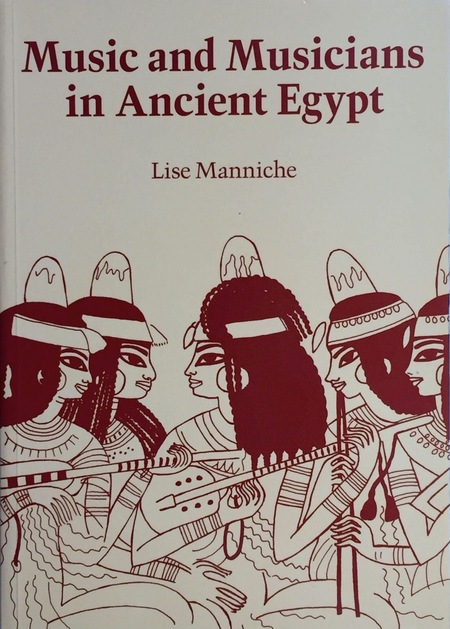
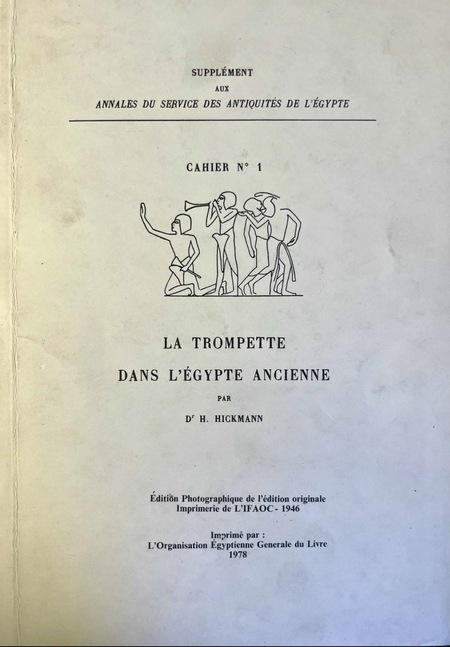
Magdalena Kuhn, in the article «Hand Position of Musicians Before and After the Hyksos Kings,» examines the hand positions of musicians and critically discusses Hickman’s approach. One significant argument against his reconstruction is that the artist may have arranged the figures and instruments according to compositional requirements rather than to accurately depict musical intervals.
In my research, I will adhere to Hans Hickmann’s theory.
The distinctiveness of musical scenes in imagery
While studying artifacts from the Old Kingdom, I noticed that depictions featuring musicians and dancers in a single composition are rare, and each researcher offers a unique interpretation of the imagery. I have found several debatable interpretations on this topic. In my research, I will adhere to a social interpretation.
First, funerary programs had specific priorities. Not every aspect of daily life made it onto the tomb walls. Owners selected themes they believed were important to their status and well-being in the afterlife.
Secondly, the patrons of private tombs were their owners—members of affluent segments of society. They organized the creation of funerary structures and their artistic decoration, striving to preserve the memory of their status, achievements, and way of life.
Third, the Egyptians were deeply religious. Many desired to grant the deceased the ability to enjoy performances and celebratory activities in the afterlife.
Music — rhythmic structure
Music held a significant place in the life of Ancient Egypt. It accompanied religious rituals, choral performances, festivals, and funerary rites. Ancient Egyptian artists could not depict sound, so instead, they employed the visual tools available to them: hand gestures, repetition of forms, body movement, and sequences of poses.