Concept
The project idea is to train a generative neural network to create plant images in the style of botanical encyclopedias.I wanted to learn how to generate illustrations that don’t just depict a plant, but thoroughly convey its appearance: the shape of the leaves, the structure of the flower, the stem, the roots, and distinctive details.I was curious to see how accurately the neural network could create plants based on descriptions and reproduce the visual style of the illustrations.
Source Images
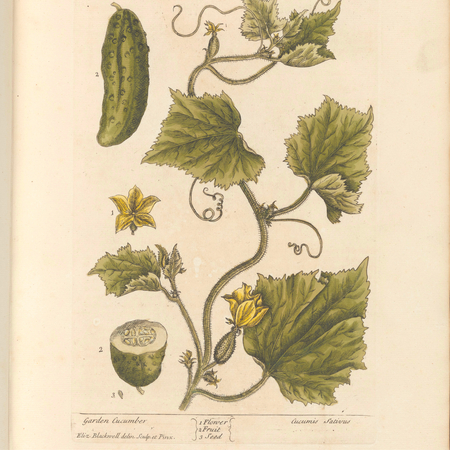
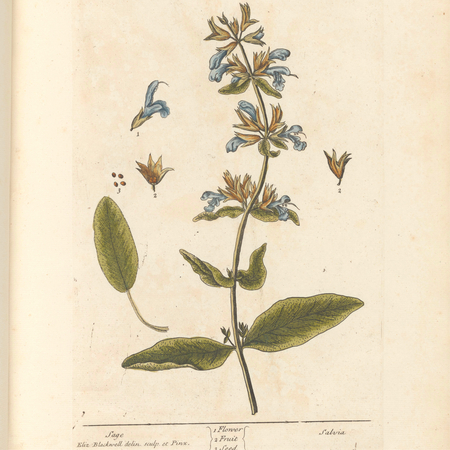
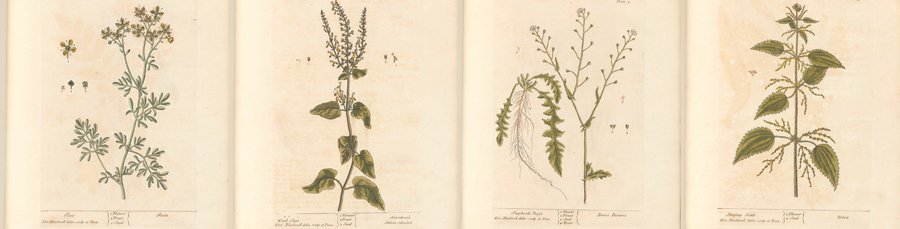
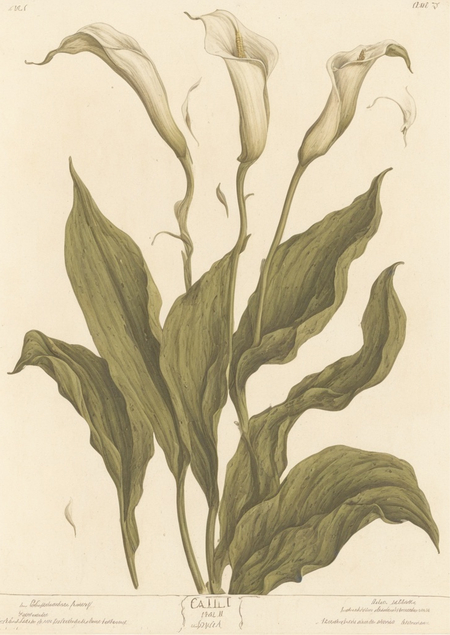
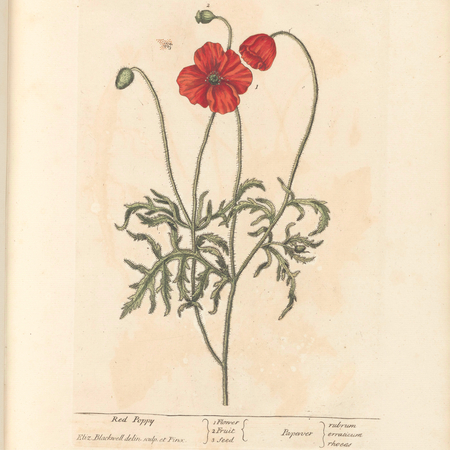
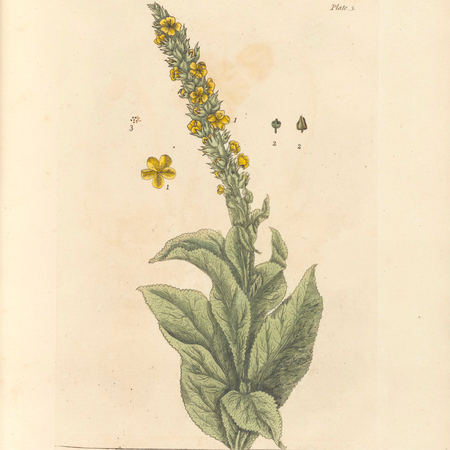
The project is based on the botanical illustrations of Elizabeth Blackwell from the book «A Curious Herbal…»
Learning Outcome
In the final series, the neural network quite accurately replicates the general style of the original botanical illustrations: light background, calm composition, delicate lines, and muted colors. This aligns with the project’s goal—to create plant imagery resembling illustrations from botanical encyclopedias.
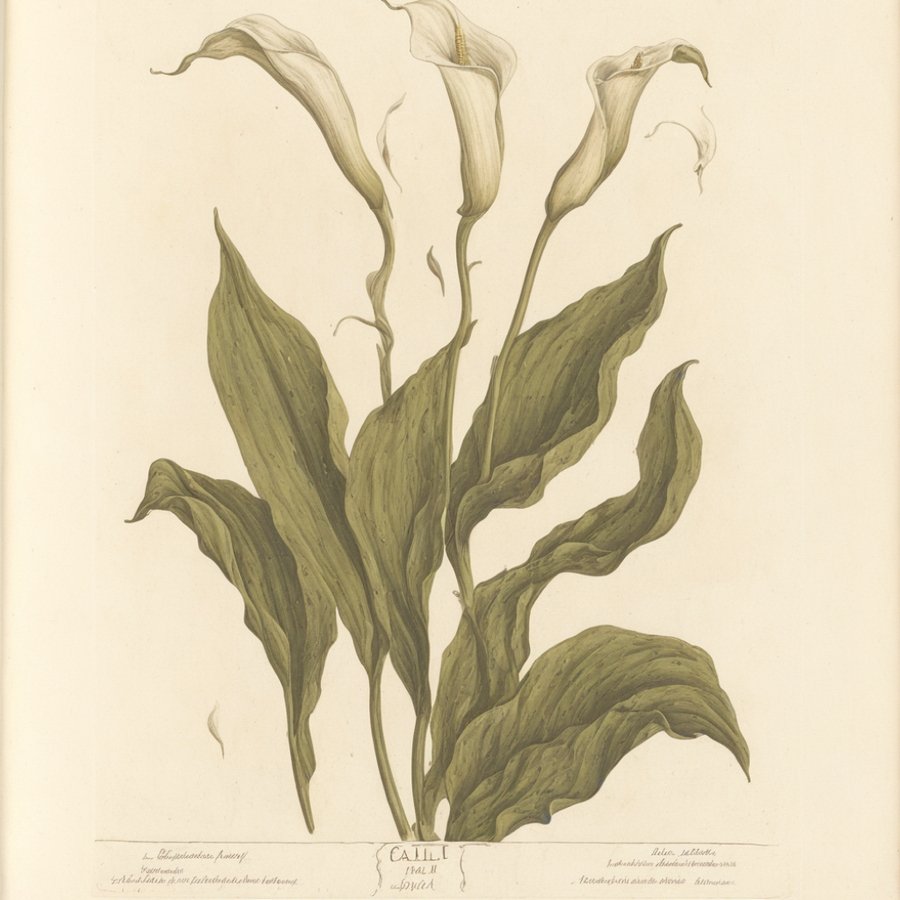
illustration in BOTANICAL style, calla lily
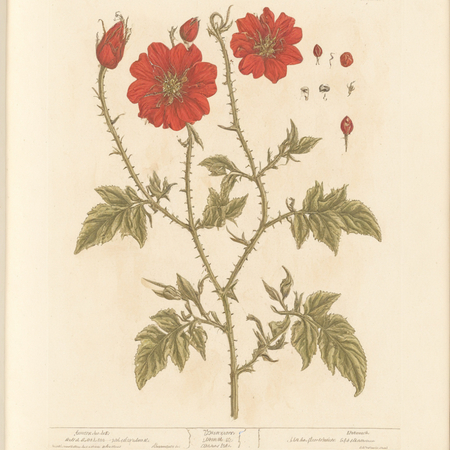
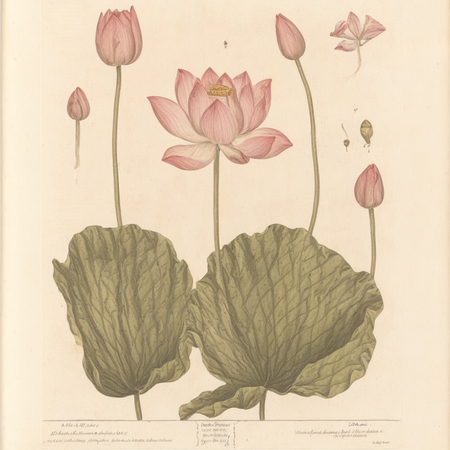
illustration in BOTANICAL style, red flower with thorns, round leaves illustration in BOTANICAL style, lotus, pink
illustration in BOTANICAL style, potato
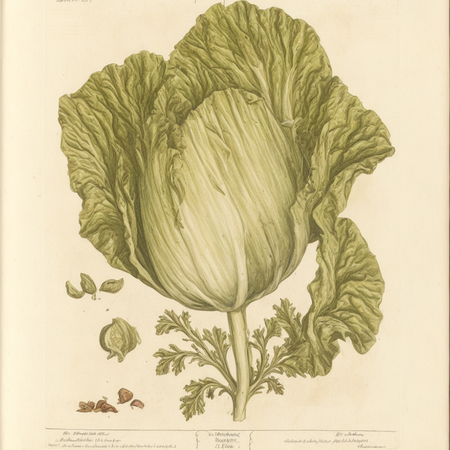
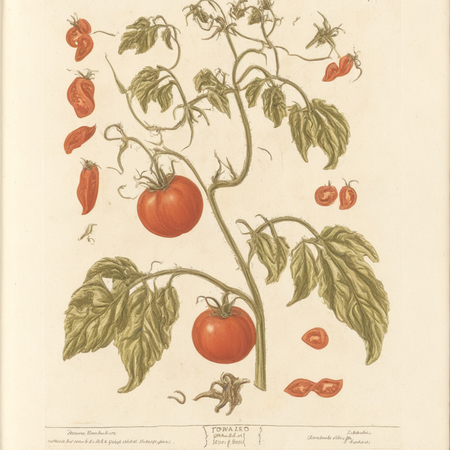
illustration in BOTANICAL style, cabbage illustration in BOTANICAL style, tomato
The main drawback is that the model does not always accurately render the structure of plants. Some images feature extraneous leaves, flowers, and branches, and individual elements can become blurred together. This is because the model has prioritized capturing the overall style over precise botanical characteristics. Consequently, the output looks convincing as an illustration but may not always align with the plant’s actual appearance.
illustration in BOTANICAL style, venus flytrap
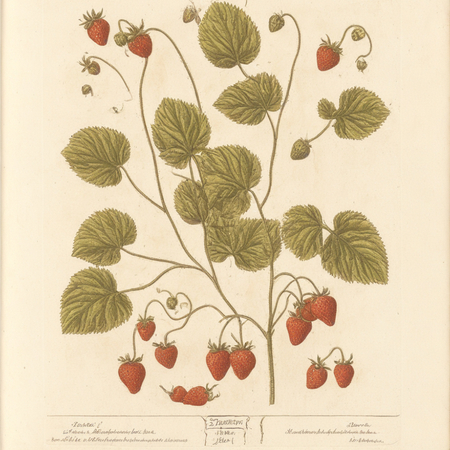
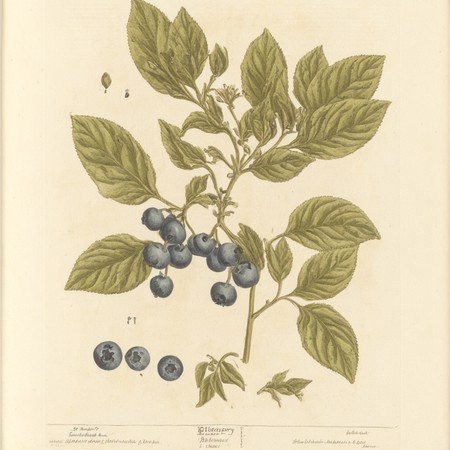
illustration in BOTANICAL style, strawberry illustration in BOTANICAL style, blueberry
Additionally, I attempted to generate insects and mollusks. The result was quite good: the neural network successfully applied the studied style to other living subjects while preserving the light background, detail, and overall rendering manner.
illustration in BOTANICAL style, large green bug
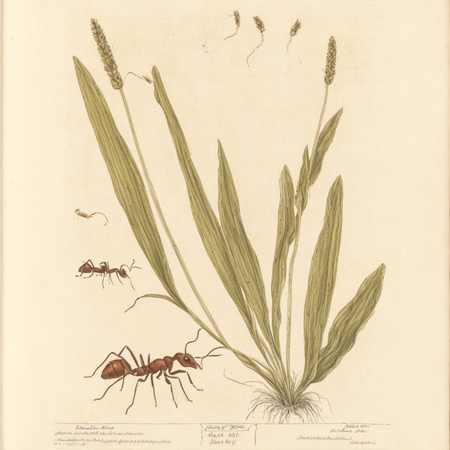
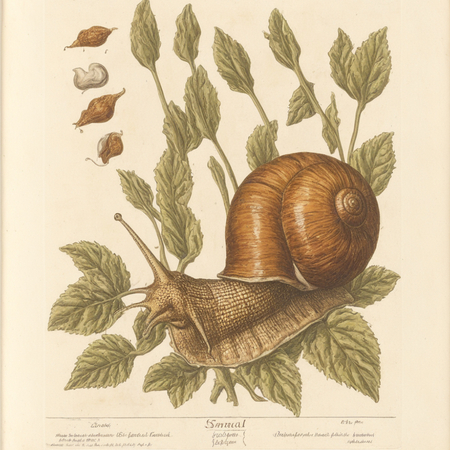
illustration in BOTANICAL style, an ant in the grass illustration in BOTANICAL style, big snail
However, sometimes extraneous appendages, whiskers, or body parts appear. In some instances, the animals partially merge with the leaves and stems. I suspect this occurs because the model combines attributes of a living creature with the botanical elements present in the training dataset.
Model Learning Process
Training was conducted using a custom dataset of 17 scans from a book. All images were standardized to a 1:1 square aspect ratio. For each image, the BLIP neural network automatically generated a textual description, to which a style key («illustration in BOTANICAL style») was added.
Stable Diffusion XL 1.0 served as the base model. Adaptation was performed using DreamBooth with LoRA in Google Colab. The training ran for 500 steps, after which the resulting LoRA adapter was integrated with SDXL to generate new botanical illustrations.
Perplexity was also used for debugging the code.